Animal Fats
CN → US| HS Code | Tariff Rate | Origin | Destination | Doc |
|---|---|---|---|---|
| 1517100000 | 0.0% | CN | US | Official Doc |
| 1501100000 | 0.0% | CN | US | Official Doc |
| 1501200040 | 0.0% | CN | US | Official Doc |
| 1517902080 | 25.5% | CN | US | Official Doc |
| 1501200040 | 0.0% | CN | US | Official Doc |
Product Images
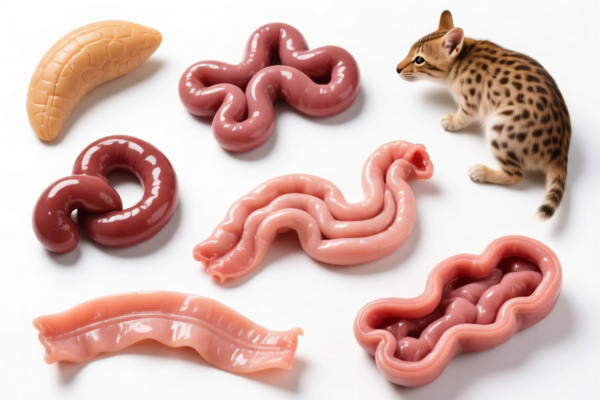
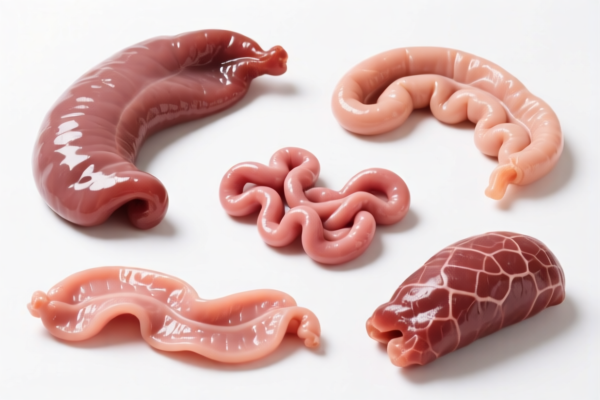
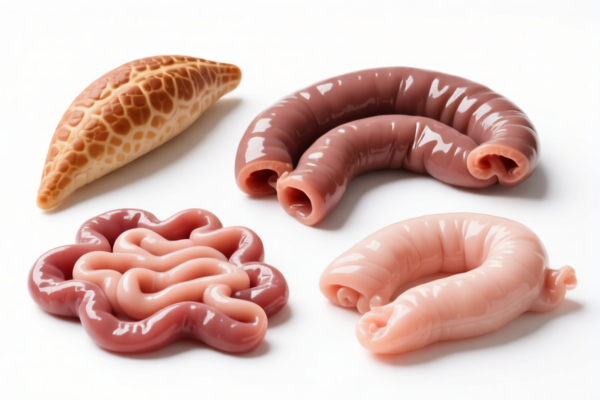
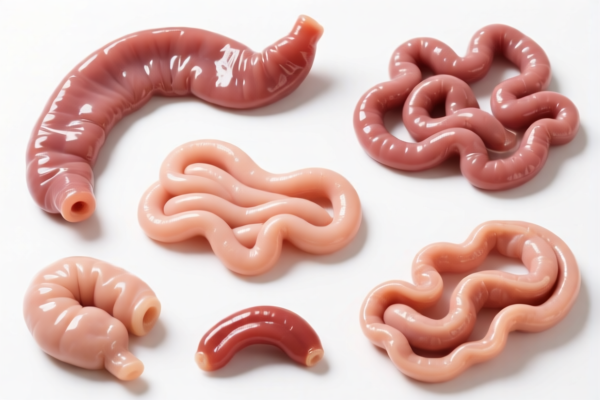
AI Analysis
🧈 Animal Fats & Oils: Precision Classification & US Customs Clearance Guide
🌐 HS Code Reference & Customs Strategy | 2026 Latest Tariff Analysis | Professional Import Compliance
📌 I. Product Definition: Understanding "Animal Fats"
In international trade, Animal Fats refer to the grease and oil derived from animals (including birds). These raw materials are critical inputs for the food industry (shortening, margarine), cosmetics, pharmaceuticals, and chemical manufacturing.
The classification depends heavily on the state of processing, origin, and specific animal source. Misclassification here can lead to significant duty discrepancies, especially with recent US trade policies.
⚠️ Key Distinction Points: - Raw/Unrefined Tallow/Oil (e.g., Hog Fat, Bird Oil) → Generally Chapter 15 (1501/1503) - Prepared/Edible Preparations (e.g., Shortening, Margarine blends) → Chapter 1517 - Chemically Modified/Non-Edible Preparations → Chapter 1517 or 3823
📦 II. HS Code Classification Matrix (Based on Provided Data)
| HS Code | Product Description & Logic | Total Tax Rate (US Origin: CN) | Tax Structure Detail |
|---|---|---|---|
1517.10.00.00 |
Animal Fat Preparations Matches animal fat/oil composition; used for edible preparations (margarine, shortening). |
12.3¢/kg + 17.5% | Base: 12.3¢/kg Section 301: 7.5% Section 122: 10% |
1501.10.00.00 |
Pig Fat (Lard) & Poultry Grease Exact match for Lard (from pigs) and rendered poultry fat. |
3¢/kg + 17.5% | Base: 3¢/kg Section 301: 7.5% Section 122: 10% |
1501.20.00.40 |
Other Animal Fats/Oils (Fallback) Other animal fats not specifically listed elsewhere; "Catch-all" for specific animal sources. |
3¢/kg + 17.5% | Base: 3¢/kg Section 301: 7.5% Section 122: 10% |
1517.90.20.80 |
Other Fat Preparations (Non-Edible/Specialty) Matches "Artificial/Prepared Fats"; no conflict with basic animal fat definitions. |
25.5% | Base: 8.0% Section 301: 7.5% Section 122: 10% |
🔍 Critical Insight: - Specificity Wins: If the product is strictly Lard or Poultry Fat,
1501.10.00.00is the most accurate. - Preparation Level: If the fat has been prepared for human consumption (e.g., mixed into shortening), it shifts to 1517. - Fallback Rule: If the animal source is exotic or not explicitly listed in 1501,1501.20.00.40serves as the兜底 (fallback) category for animal fats.
💰 III. 2026 Tariff Rate Breakdown (Detailed Tax Analysis)
✅ Applicable Country: United States (US)
✅ Origin: China (CN)
✅ Context: Includes Base Tariff + Section 301 Duties + Section 122 Duties
🎯 1. 1501.10.00.00 & 1501.20.00.40 —— Raw Animal Fats (Lard, Poultry, etc.)
Most Common for Raw Material Imports
| Item | Details |
|---|---|
| Specific Duty (Base) | 3¢/kg (Specific rate per kilogram) |
| Ad Valorem Duty (Base) | Implicitly low or included in specific duty calculation for this code tier |
| Section 301 Surcharge | +7.5% (On CIF value) |
| Section 122 Surcharge | +10% (On CIF value) |
| Total Effective Rate | 3¢/kg + 17.5% |
| Tax Calculation | (Weight in kg × $0.03) + (CIF Value × 17.5%) |
| Legal Basis | HTSUS:1501 → Section 301: 7.5% → Section 122: 10% |
📌 Explanation: - These codes benefit from a low specific base duty (3¢/kg), making them cost-effective for high-volume, low-value raw fats. - However, the ad valorem surcharges (17.5%) apply to the total declared value, significantly increasing the cost for high-value refined oils. - Section 122 (10%) is a critical recent addition targeting specific Chinese imports, often overlooked.
🎯 2. 1517.10.00.00 —— Prepared Edible Fats (e.g., Shortening)
| Item | Details |
|---|---|
| Specific Duty (Base) | 12.3¢/kg (Higher base rate due to processing) |
| Section 301 Surcharge | +7.5% |
| Section 122 Surcharge | +10% |
| Total Effective Rate | 12.3¢/kg + 17.5% |
| Tax Calculation | (Weight in kg × $0.123) + (CIF Value × 17.5%) |
📌 Explanation: - The base specific duty is 4x higher than raw fats (12.3¢ vs 3¢) because the product is considered "prepared" or "manufactured." - Ad valorem surcharges remain at 17.5%.
🎯 3. 1517.90.20.80 —— Other Preparations (Non-Edible/Specialty)
| Item | Details |
|---|---|
| Ad Valorem Duty (Base) | 8.0% |
| Section 301 Surcharge | +7.5% |
| Section 122 Surcharge | +10% |
| Total Effective Rate | 25.5% |
| Tax Calculation | CIF Value × 25.5% |
| Specific Duty | None |
📌 Explanation: - This code uses a pure ad valorem rate (8% base + 17.5% surcharges = 25.5%). - No specific weight-based duty applies. - Suitable for industrial oils, cosmetic bases, or non-food grade preparations.
🛠️ IV. Customs Clearance Practical Advice (Risk Mitigation)
✅ 1. Documentation Checklist (Mandatory)
| Document | Requirement | Purpose |
|---|---|---|
| Commercial Invoice | Must specify Animal Source (Pig, Chicken, Beef, etc.) and Processing Level (Raw, Refined, Prepared). | Determines correct HS Code (1501 vs 1517). |
| Certificate of Origin | Issued by competent authority in China. | Proof of origin for Section 301/122 assessment. |
| Ingredient List | For 1517 codes, list all fat components. |
Proves compliance with "Edible Preparation" definition. |
| Processing Certificate | Detail steps: Rendering, Bleaching, Hydrogenation, etc. | Distinguishes 1501 (Raw/Renined) from 1517 (Prepared). |
| FSVP Certificate | For food-grade fats, importers must verify Foreign Supplier Verification Program compliance. | FDA Requirement (avoid rejection). |
✅ 2. Declaration Strategy (Key Tips)
🔥 “Source Specific, State Processed, Avoid Ambiguity!”
| Scenario | Recommended HS Code | Declaration Text Example | Risk if Misclassified |
|---|---|---|---|
| Raw Lard (Pig Fat) | 1501.10.00.00 |
"Raw Lard, Rendered, for Industrial Use" | High if declared as "Prepared Fat" (1517) |
| Poultry Grease | 1501.10.00.00 |
"Rendered Poultry Fat, Unmixed" | High if declared as generic "Animal Oil" |
| Shortening (Edible Blend) | 1517.10.00.00 |
"Margarine/Shortening, Animal Fat Based" | Low if declared as raw fat |
| Industrial Oil Blend | 1517.90.20.80 |
"Prepared Animal Fat, Non-Edible, Cosmetic Grade" | High if declared as food-grade |
| Exotic Animal Fat | 1501.20.00.40 |
"Other Animal Fat (e.g., Lamb Tallow), Raw" | Low if no specific code exists |
✅ 3. Special Handling Notes
| Situation | Recommendation |
|---|---|
| Mixed Shipments | Separate raw fats (1501) from prepared fats (1517) on the same BL? No. Declare separately to avoid audit flags. |
| Refining Stage | If fat is bleached/deodorized but not emulsified, it often stays in 1501. If emulsified/blended, move to 1517. |
| Section 122 (10%) | This is a new/high-profile duty. Ensure your broker actively applies it. Omission can lead to penalties. |
| FDA Compliance | Animal fats for food use require prior notice to FDA. Non-food use requires different labeling. |
🌍 V. Global Market Comparison (2026 Context)
| Region | Recommended HS Code | Est. Duty (China Origin) | Key Regulatory Body |
|---|---|---|---|
| 🇺🇸 USA | 1501.10.00.00 / 1517.10.00.00 |
3¢/kg + 17.5% OR 12.3¢/kg + 17.5% | CBP + FDA + USITC |
| 🇨🇳 China | 1501.10.00.00 |
~0-3% (MFN) | GACC |
| 🇪🇺 EU | 1501.10.00.00 |
0% (Most goods) + VAT | DG TAXUD |
| 🇬🇧 UK | 1501.10.00.00 |
0-5% | HMRC |
📌 Conclusion: - The US market is the most complex due to the layered tariffs (Base + 301 + 122). - China-origin animal fats face a 17.5% ad valorem surcharge regardless of the specific HS code in Chapter 15, plus a specific weight-based fee. - Documentation of "Raw" vs. "Prepared" is the single most important factor in determining whether you pay the lower
1501rate or the higher1517rate.
📌 VI. Common Errors & Pitfalls (Lessons Learned)
❌ Error 1: Declaring Hydrogenated Shortening as Raw Lard (1501).
👉 Result: Customs reclassifies to 1517.10.00.00 → Back taxes + Penalties.
❌ Error 2: Ignoring Section 122 (10%) in customs entry.
👉 Result: Underpayment of duties → Audit risk + Interest.
❌ Error 3: Failing to specify Animal Source (e.g., just saying "Animal Fat").
👉 Result: CBP may select 1501.20.00.40 (fallback) or flag for detailed inspection → Delays.
❌ Error 4: Confusing Vegetable Oils with Animal Fats.
👉 Result: Wrong HS Code entirely → Seizure or Rejection.
✅ Correct Practice:
"Rendered Pig Fat (Lard), Unmixed, Grade A, for Cosmetics, HS 1501.10.00.00, Origin China"
🎯 VII. Final Recommendation
🎯 Key Takeaway:
🔹 "Be Specific: Pig, Poultry, or Other? Raw or Prepared?"
🔹 "Watch the 17.5% Surcharge: It’s on TOP of the specific duty."
🔹 "Section 122 is Mandatory: Budget for the extra 10%."
📌 Pro Tip:
If importing high-value refined animal fats for cosmetics or pharmaceuticals, consult a customs broker to verify if
1517.90.20.80is more appropriate than1501, as the ad-valorem structure (25.5% total) might be easier to predict than the mixed specific/ad-valorem model.
📣 Immediate Action:
📞 Engage a Licensed Customs Broker
📄 Prepare Detailed Product Specifications
📉 Calculate Total Landed Cost Including 17.5% Surcharge
✨ Precision in Classification, Savings in Duties!
💼 Your Supply Chain Success Depends on Accurate HS Codes!
Customer Reviews
About HS Code Classification
The Harmonized System (HS) is an internationally standardized nomenclature developed by the World Customs Organization (WCO) to classify traded products. Over 200 countries use the HS system as the basis for customs tariffs, trade statistics, and import/export regulations.
Each HS code follows a hierarchical structure:
- Chapter (2 digits) — Broad category of goods (e.g., Chapter 84: Machinery and Mechanical Appliances)
- Heading (4 digits) — More specific grouping within the chapter
- Subheading (6 digits) — Internationally standardized breakdown, used by all WCO member countries
- National subdivisions (8-10 digits) — Country-specific extensions for further classification, such as US HTSUS 10-digit codes
Correct HS code classification is essential for smooth customs clearance, accurate duty payment, and compliance with trade regulations. Misclassification can lead to customs delays, overpayment of duties, or penalties.
When importing from CN to US, the applicable tariff rates may include:
- Most-Favored-Nation (MFN) rate — The standard duty rate applied to WTO members
- General rate — Applied to countries without trade agreements
- Trade remedy duties — Additional tariffs such as Section 301 (anti-dumping), Section 232 (national security), or countervailing duties
The information provided on this page is for reference purposes only. For official classification, please consult with your local customs authority or a licensed customs broker.