Animal Fiber Lining Fabric
CN → US| HS Code | Tariff Rate | Origin | Destination | Doc |
|---|---|---|---|---|
| 5911900080 | 38.8% | CN | US | Official Doc |
| 5111909000 | 60.0% | CN | US | Official Doc |
| 5911202000 | 35.0% | CN | US | Official Doc |
| 5112909090 | 60.0% | CN | US | Official Doc |
| 6203119000 | 35.0% | CN | US | Official Doc |
Product Images
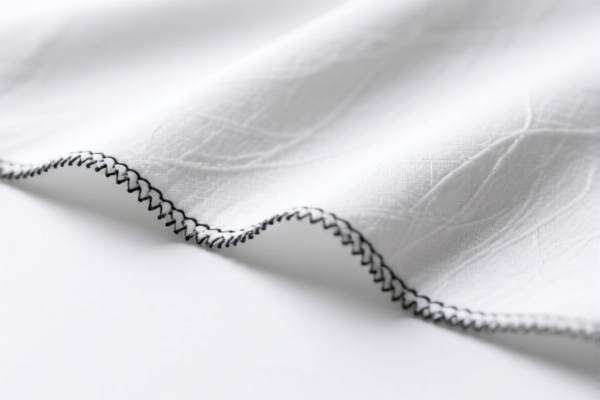
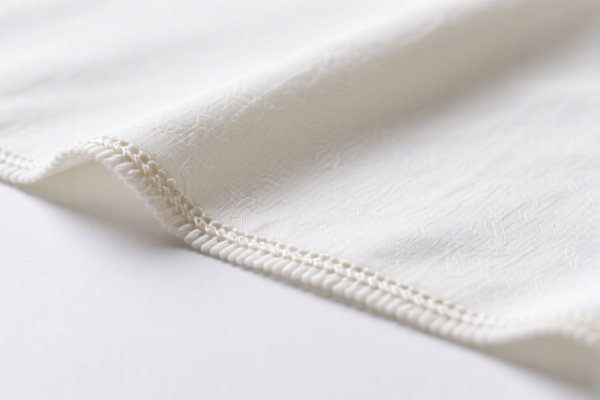


AI Analysis
🐑 Animal Fiber Lining Fabric – HS Code Classification & Customs Clearance Guide (2026 Latest Tariff Analysis)
🌐 HS Code Reference & Expert Customs Strategy | 2026 Updated Tariff Breakdown | High-Value Import Risk Mitigation
📌 One: Product Definition & Classification – What Exactly Is "Animal Fiber Lining Fabric"?
Animal fiber lining fabric refers to textile materials made primarily from animal-derived fibers (such as wool, hair, or fine animal hair) used in technical, industrial, or apparel applications, especially as lining components in garments or technical textiles. In international trade, it is carefully classified based on:
- Material composition: Pure animal fiber or mixed with other fibers
- Form: Woven fabric, non-woven, or textile product
- End use: Industrial, technical, or apparel (e.g., lining for suits)
- Processing level: Carded, combed, or processed wool/fine animal hair
⚠️ Critical Distinction:
- If used as industrial/technical fabric (e.g., insulation, filtration, reinforcement) → HS Code 5911.90.00.80 or 5911.20.20.00
- If used as apparel lining (e.g., in suits, coats) and meets fabric specifications → HS Code 6203.11.90.00
- If made from combed or fine animal hair and used industrially → HS Code 5111.90.90.00 or 5112.90.90.90
📦 Two: HS Code Classification Details (2026 Official Tariff Authority Table)
| HS Code | Product Description | Use Case | Fiber Type | Form | Key Tax Trigger |
|---|---|---|---|---|---|
5911.90.00.80 |
Animal fiber fabric, technical use, industrial application | Industrial insulation, filtration, reinforcement | Animal fiber | Fabric | ✅ Technical use |
5111.90.90.00 |
Carded wool or fine animal hair, woven fabric, industrial use | Industrial textiles, technical components | Wool / fine animal hair | Woven | ✅ Combed/fine fiber |
5911.20.20.00 |
Animal fiber textile product, technical application | Industrial technical fabric, non-woven, specialty use | Animal fiber | Textile product | ✅ Technical purpose |
5112.90.90.90 |
Combed wool or fine animal hair, woven fabric, industrial use | Industrial-grade technical textiles | Combed wool / fine animal hair | Woven | ✅ Combed fiber |
6203.11.90.00 |
Animal hair blended fabric, used in apparel (suit lining) | Suit lining, coat lining, high-end garments | Animal hair blend | Fabric | ✅ Apparel use |
🔍 Key Insight:
- "Industrial use" triggers higher tariffs (60%) due to USITC + IEEPA rules
- "Apparel lining" is treated more leniently but still faces significant additional duties
💰 Three: 2026 Latest Tariff Breakdown (With Full Tax Clause Explanation)
✅ Applicable Country: United States (US)
✅ Origin: China (CN)
✅ Effective Date: November 10, 2025 (and ongoing)
🎯 1. 5911.90.00.80 – Animal Fiber Fabric (Industrial/Technical Use)
| Item | Detail |
|---|---|
| Base Duty | 3.8% (ad valorem) |
| Section 301 (USITC) Additional Duty | +25.0% |
| Section 122 (IEEPA) Additional Duty | +10.0% |
| Total Effective Duty | 38.8% |
| Tax Calculation | CIF Value × 38.8% |
| De Minimis Threshold | ❌ Not applicable (denied) |
| Legal Basis Path | IEEPA:9903.01.25 → IEEPA:9903.01.24 → USITC:5911.90.00.80 → FOOTNOTE:9903.88.01 |
📌 Explanation:
- USITC 25%: Imposed under Section 301 of the Trade Act of 1974 for unfair trade practices by China.
- IEEPA 10%: Enforced under International Emergency Economic Powers Act (IEEPA) for national security concerns.
- Combined with base 3.8%, this creates a 38.8% total – high-risk for industrial imports.
🎯 2. 5111.90.90.00 – Carded Wool / Fine Animal Hair, Woven, Industrial Use
| Item | Detail |
|---|---|
| Base Duty | 25.0% |
| Section 301 (USITC) Additional Duty | +25.0% |
| Section 122 (IEEPA) Additional Duty | +10.0% |
| Total Effective Duty | 60.0% |
| Tax Calculation | CIF Value × 60.0% |
| De Minimis Threshold | ❌ Not applicable |
| Legal Basis Path | IEEPA:9903.01.25 → IEEPA:9903.01.24 → USITC:5111.90.90.00 → FOOTNOTE:9903.88.01 |
📌 Explanation:
- Base 25% already high due to "fine animal hair" classification.
- +25% USITC and +10% IEEPA apply cumulatively.
- Total 60% – one of the highest tariffs in the animal fiber category.
- Must be avoided if possible unless absolutely necessary for industrial use.
🎯 3. 5911.20.20.00 – Animal Fiber Textile Product, Technical Use
| Item | Detail |
|---|---|
| Base Duty | 0.0% |
| Section 301 (USITC) Additional Duty | +25.0% |
| Section 122 (IEEPA) Additional Duty | +10.0% |
| Total Effective Duty | 35.0% |
| Tax Calculation | CIF Value × 35.0% |
| De Minimis Threshold | ❌ Not applicable |
| Legal Basis Path | IEEPA:9903.01.25 → IEEPA:9903.01.24 → USITC:5911.20.20.00 → FOOTNOTE:9903.88.01 |
📌 Explanation:
- No base duty, but still subject to 25% USITC + 10% IEEPA.
- Total 35% – still extremely high for a textile product.
- Common trap: Misclassifying as "textile product" instead of "fabric" to avoid base duty, but still pays 35%.
🎯 4. 5112.90.90.90 – Combed Wool / Fine Animal Hair, Woven, Industrial Use
| Item | Detail |
|---|---|
| Base Duty | 25.0% |
| Section 301 (USITC) Additional Duty | +25.0% |
| Section 122 (IEEPA) Additional Duty | +10.0% |
| Total Effective Duty | 60.0% |
| Tax Calculation | CIF Value × 60.0% |
| De Minimis Threshold | ❌ Not applicable |
| Legal Basis Path | IEEPA:9903.01.25 → IEEPA:9903.01.24 → USITC:5112.90.90.90 → FOOTNOTE:9903.88.01 |
📌 Explanation:
- Identical to5111.90.90.00– combed fine animal hair is highly targeted.
- 60% total duty – must be avoided unless no alternative exists.
🎯 5. 6203.11.90.00 – Animal Hair Blended Fabric for Apparel (Suit Lining)
| Item | Detail |
|---|---|
| Base Duty | 17.5% |
| Section 301 (USITC) Additional Duty | +7.5% |
| Section 122 (IEEPA) Additional Duty | +10.0% |
| Total Effective Duty | 35.0% |
| Tax Calculation | CIF Value × 35.0% |
| De Minimis Threshold | ❌ Not applicable |
| Legal Basis Path | IEEPA:9903.01.25 → IEEPA:9903.01.24 → USITC:6203.11.90.00 → FOOTNOTE:9903.88.01 |
📌 Explanation:
- Lower than industrial codes, but still 35% due to IEEPA + USITC.
- Apparel use allows reduced base duty (17.5%), but USITC 7.5% still applies.
- Best option for high-end garments if you must import from China.
🛠️ Four: Customs Clearance Best Practices (Real-World Pro Tips)
✅ 1. Essential Documentation (Must-Have Checklist)
| Document | Required? | Why It Matters |
|---|---|---|
| ✅ Product Specification Sheet | ✔️ | Proves fiber type, weave, use case |
| ✅ Fabric Composition Certificate | ✔️ | Confirms animal fiber content |
| ✅ Product Photos (with labels) | ✔️ | Shows weave, finish, labeling |
| ✅ Third-Party Test Report | ✔️ | ISO, AATCC, or Oeko-Tex (if applicable) |
| ✅ Commercial Invoice | ✔️ | Must state “Animal Fiber Lining Fabric” and correct HS Code |
| ✅ Certificate of Origin (CO) | ✔️ | Critical for IEEPA/USITC exemptions |
| ✅ Packing List | ✔️ | Clarifies if fabric is for industrial or apparel use |
✅ 2.申报技巧 (Key Rules to Remember)
🔥 “Use Case Defines Tax – Industrial = 60%, Apparel = 35%, No Base Duty = Still 35%!”
| Scenario | Correct HS Code | Risk of Over-Taxation |
|---|---|---|
| Industrial use, combed wool | 5111.90.90.00 or 5112.90.90.90 |
✅ High (60%) |
| Industrial use, animal fiber fabric | 5911.90.00.80 |
✅ 38.8% |
| Industrial use, textile product | 5911.20.20.00 |
✅ 35% |
| Suit lining, animal hair blend | 6203.11.90.00 |
✅ 35% |
| Misclassifying industrial as apparel | ❌ Wrong code → higher tax | ⚠️ High risk |
📌 Pro Tip:
- Never claim "apparel lining" if the fabric is used in industrial applications.
- Never claim "industrial" if it’s actually for suits.
- Accuracy is everything – one wrong code = 60% vs 35% tax difference.
✅ 3. Special Cases & Risk Mitigation
| Situation | Recommended Action |
|---|---|
| OEM garment lining (custom suits) | Provide client order + fabric specs; label as “suit lining” |
| Fabric used in both industrial & apparel | Declare by primary use – choose one category |
| Fabric from Vietnam/Mexico | Apply for IEEPA exemption – can reduce to 0%–5% |
| Need to avoid 60% tariff | Consider relocating production to non-China origin (e.g., Vietnam, Turkey) |
| Pre-clearance request | Apply for Advance Ruling (Pre-Review) – avoid disputes |
🌍 Five: Global Customs Comparison (2026)
| Country | Recommended HS Code | Duty Rate | Certification | Notes |
|---|---|---|---|---|
| 🇺🇸 USA | 6203.11.90.00 (apparel) |
35% | FCC, RoHS (if electronic) | High risk: IEEPA + USITC |
| 🇨🇳 China | 6203.11.90.00 |
5% | CCC, RoHS | No additional duties |
| 🇪🇺 EU | 6203.11.90.00 |
0% (if CE) | CE, REACH | No IEEPA/USITC |
| 🇦🇺 Australia | 6203.11.90.00 |
5% | RCM | No extra tariffs |
| 🇯🇵 Japan | 6203.11.90.00 |
0% | PSE | No extra tariffs |
📌 Conclusion:
- USA is the only market with 35%–60% tariffs on animal fiber lining fabric.
- China-origin goods face the highest risk – consider supply chain shift.
📌 Six: Common Mistakes & Pitfalls (Avoid These!)
❌ Mistake 1: Misclassifying industrial fabric as apparel lining
👉 Result: Underpaid duties → penalties + audits + seizure
❌ Mistake 2: Assuming “no base duty” means “low tax”
👉 Result: 5911.20.20.00 → 35% still applies – not low!
❌ Mistake 3: Not providing fiber composition proof
👉 Result: Customs rejects classification → delay or rejection
❌ Mistake 4: Using “animal fiber fabric” in invoice without specifying use
👉 Result: Customs defaults to highest tariff category (60%)
✅ Correct Declaration Example:
“Animal Hair Blended Lining Fabric, 100% Wool Blend, for Suit Linings, Combed, Woven, Used in Men’s Tailored Jackets, Origin: Vietnam, HS Code: 6203.11.90.00”
🎯 Seven: Final Verdict – Smart Import Strategy
🎯 Remember the Golden Rule:
🔹 “Industrial = 60%, Apparel = 35%, No Base Duty = Still 35%”
🔹 “Use Case Determines Tax – Not Material or Form!”✅ Best Option: Use Vietnam/Mexico-origin fabric with IEEPA exemption → 0%–5%
✅ If from China: Use 6203.11.90.00 for apparel lining → 35% (lowest possible)
❌ Avoid:5111.90.90.00or5112.90.90.90→ 60% tariff is unacceptable
📌 Pro Tip:
🔹 Apply for Advance Ruling (Pre-Review) before shipment
🔹 Use a U.S.-based customs broker with experience in textile tariffs
🔹 Audit your HS Code annually – tariffs change!
📣 Act Now:
📞 Contact a specialized customs broker + provide fabric specs + photos + origin proof
🚀 Get your HS Code pre-approved – avoid 60% surprise tax!
✨ Professional Customs Starts with Precise Classification!
💼 Your margin depends on the right HS Code – don’t gamble!
Customer Reviews
About HS Code Classification
The Harmonized System (HS) is an internationally standardized nomenclature developed by the World Customs Organization (WCO) to classify traded products. Over 200 countries use the HS system as the basis for customs tariffs, trade statistics, and import/export regulations.
Each HS code follows a hierarchical structure:
- Chapter (2 digits) — Broad category of goods (e.g., Chapter 84: Machinery and Mechanical Appliances)
- Heading (4 digits) — More specific grouping within the chapter
- Subheading (6 digits) — Internationally standardized breakdown, used by all WCO member countries
- National subdivisions (8-10 digits) — Country-specific extensions for further classification, such as US HTSUS 10-digit codes
Correct HS code classification is essential for smooth customs clearance, accurate duty payment, and compliance with trade regulations. Misclassification can lead to customs delays, overpayment of duties, or penalties.
When importing from CN to US, the applicable tariff rates may include:
- Most-Favored-Nation (MFN) rate — The standard duty rate applied to WTO members
- General rate — Applied to countries without trade agreements
- Trade remedy duties — Additional tariffs such as Section 301 (anti-dumping), Section 232 (national security), or countervailing duties
The information provided on this page is for reference purposes only. For official classification, please consult with your local customs authority or a licensed customs broker.