Animal Hair Blended Synthetic Fiber Woven Fabric
CN → US| HS Code | Tariff Rate | Origin | Destination | Doc |
|---|---|---|---|---|
| 5111209000 | 60.0% | CN | US | Official Doc |
| 5111309000 | 60.0% | CN | US | Official Doc |
| 5111196020 | 60.0% | CN | US | Official Doc |
| 5407619965 | 49.9% | CN | US | Official Doc |
| 5512290025 | 47.0% | CN | US | Official Doc |
Product Images
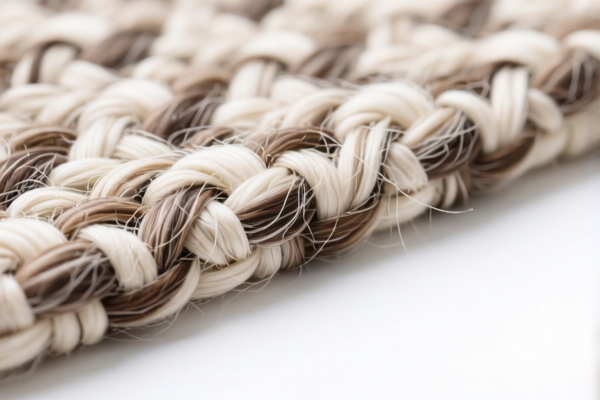
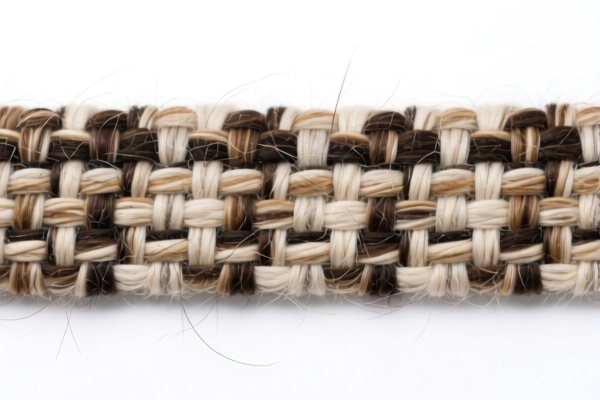
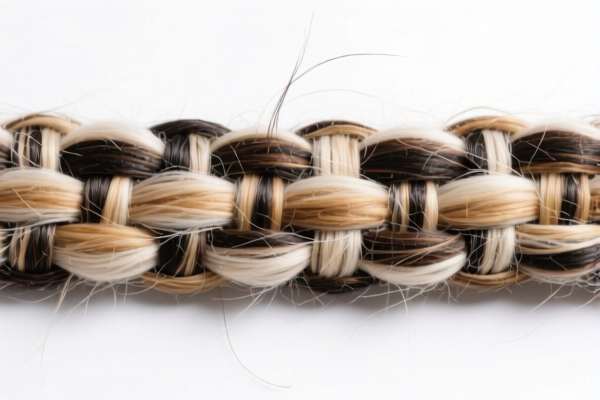
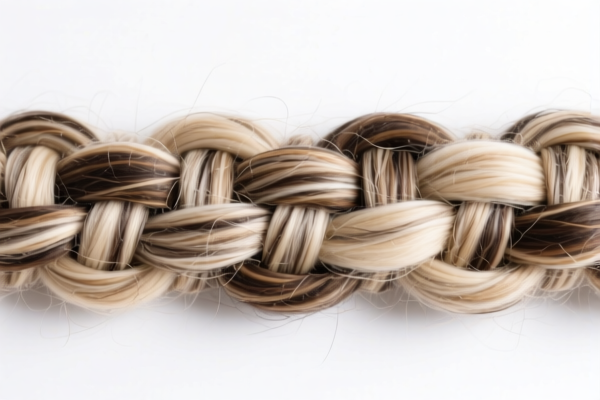
AI Analysis
🧵 Animal Hair Blended Synthetic Fiber Woven Fabric
🌐 HS Code Reference & Customs Clearance Guide | 2026 Latest Tariff Analysis | Professional Strategy for High-Tax Compliance
📌 I. Product Definition & Classification: What Exactly Is "Animal Hair Blended Fabric"?
"Animal Hair Blended Synthetic Fiber Woven Fabric" refers to woven textiles composed of natural animal fibers (such as wool, cashmere, mohair) mixed with synthetic fibers (man-made filaments or staple fibers). In international trade, especially under US regulations, this category is heavily scrutinized due to significant "Section 301" and "Section 122" tariffs applied to Chinese-origin goods.
Key Distinction Points: * Composition: Must explicitly state the ratio of animal hair (e.g., wool) vs. synthetic fibers (e.g., polyester, acrylic). * Processing: Is it dyed? Bleached? Plain weave? Twill? The processing method dictates the specific sub-heading. * End Use: While not always decisive for HS classification, knowing the end use (e.g., suits, blankets, upholstery) helps in preparing accurate commercial invoices.
⚠️ Critical Note:
- If the fabric contains >5% of any single textile fiber by weight, that fiber generally dictates the chapter. However, for wool/synthetic blends, specific headings (5111, 5112, 5407, 5512) apply based on weight and processing.
- US Origin Specifics: Chinese-origin fabrics face a 60% total tax burden if they fall under wool-related headings, and 47-50% if under synthetic-related headings. This is NOT a standard duty; it is a punitive trade tariff.
📦 II. HS Code Classification Details (2026 Latest Tariff Authority对照)
Based on the provided <DATA>, the following HS Codes are the most relevant for "Animal Hair Blended Synthetic Fiber Woven Fabric." These codes cover scenarios ranging from pure wool-synthetic blends to synthetic-heavy fabrics with minor animal hair content.
| HS Code | Product Description & Match Criteria | Total Tax Rate | Tax Breakdown (US/China Origin) |
|---|---|---|---|
5111.20.90.00 |
Wool/Synthetic Blend (Medium/Coarse) • Animal hair mixed with synthetic filaments/staples. • Typical for medium-weight suits, coats, or industrial fabrics. |
60.0% | Base: 25.0% + Section 301: 25.0% + Sec 122: 10.0% |
5111.30.90.00 |
Fine Animal Hair/Synthetic Blend • Combed fine animal hair (e.g., cashmere, fine wool) mixed with artificial long/staple fibers. • Typical for high-end apparel, fine knitwear bases. |
60.0% | Base: 25.0% + Section 301: 25.0% + Sec 122: 10.0% |
5111.19.60.20 |
Dyed Animal Hair Blend (Woven) • Specifically for dyed animal hair woven fabrics with synthetic blends. • "Dyed" status is a key classifier here. |
60.0% | Base: 25.0% + Section 301: 25.0% + Sec 122: 10.0% |
5407.61.99.65 |
Synthetic Fabric (Fallback/Catch-all) • Woven synthetic fiber fabrics (e.g., polyester, nylon) where synthetic dominates. • Used if animal hair content is negligible or if the fabric is primarily defined by its synthetic nature under Chapter 54. |
49.9% | Base: 14.9% + Section 301: 25.0% + Sec 122: 10.0% |
5512.29.00.25 |
Synthetic Staple Fiber Fabric • Woven fabrics of synthetic staple fibers. • Applicable if the fabric is primarily synthetic staple (e.g., spun polyester) with minimal or incidental animal fiber content, or if classified under synthetic staple rules. |
47.0% | Base: 12.0% + Section 301: 25.0% + Sec 122: 10.0% |
🔍 Key Insight:
- Chapters 51-55 are mutually exclusive. You cannot choose the lower tax rate (5512at 47%) if the fabric is predominantly wool/animal hair (>5% or meeting wool chapter criteria).
- Misclassification Risk: Declaring a 60% Wool/40% Polyester fabric as5512.29.00.25(Synthetic) to save 13% in tariffs will trigger customs audits, penalties, and potential seizure.
- The "60%" Trap: For true animal hair blends (Chapters 5111/5112), the tax is non-negotiable at 60%.
💰 III. 2026 Latest Tariff Rate Explanation (Detailed Breakdown)
✅ Applicable Country: United States (US)
✅ Origin: China (CN) (Assumed based on tariff structure in data)
✅ Effective Date: Rates apply to imports from 2025 onwards.
🎯 1. Wool-Based Blends (5111.20.90.00, 5111.30.90.00, 5111.19.60.20)
| Item | Detail |
|---|---|
| Base MFN Rate | 25.0% (Ad Valorem) |
| Section 301 Tariff | 25.0% (Trade Remedies) |
| Section 122 Tariff | 10.0% (Specific Trade Enforcement) |
| Total Effective Rate | 60.0% |
| De Minimis Exemption | ❌ NOT ELIGIBLE (Values > $800 are subject to full duty) |
| Legal Basis | USITC:5111 → Footnote 9903.88.01 (Sec 301) + IEEPA:9903.01.24 (Sec 122) |
📌 Explanation:
- The 25% Base is the standard Most Favored Nation (MFN) duty for wool fabrics.
- The 25% Section 301 tariff was imposed by the US Trade Representative (USTR) under Section 301 of the Trade Act of 1974, targeting Chinese manufacturing.
- The 10% Section 122 tariff is a lesser-known but powerful enforcement tool under Section 122 of the Trade Act of 1974, often applied to specific strategic sectors.
- Result: For every $1,000 CIF value, you pay $600 in duties. This drastically impacts margin.
🎯 2. Synthetic-Dominated Blends (5407.61.99.65, 5512.29.00.25)
| Item | Detail |
|---|---|
| Base MFN Rate | 12.0% - 14.9% |
| Section 301 Tariff | 25.0% |
| Section 122 Tariff | 10.0% |
| Total Effective Rate | 47.0% - 49.9% |
| De Minimis Exemption | ❌ NOT ELIGIBLE |
| Legal Basis | USITC:5407/5512 → Footnote 9903.88.01 + IEEPA:9903.01.24 |
📌 Explanation:
- These codes apply if the fabric is primarily synthetic (e.g., polyester, acrylic) with minor animal hair content, or if it fits the definition of synthetic woven goods.
- Savings: Choosing the correct synthetic code can save 10-13% in total tax, BUT only if the product composition legally qualifies.
- Risk: If the fabric is >50% wool, using5407or5512is illegal misclassification.
🛠️ IV. Customs Clearance Practical Advice (Pitfall Avoidance Guide)
✅ 1. Documentation Checklist (Non-Negotiable)
| Document | Requirement | Reason |
|---|---|---|
| ✅ Composition Label | Must specify % of Animal Hair (e.g., Wool) vs. Synthetic (e.g., Polyester). | Determines HS Code. Vague terms like "Blend" are rejected. |
| ✅ Processing Statement | Explicitly state: "Dyed," "Bleached," "Combed," "Plain Weave." | Distinguishes between 5111.19 (Dyed) and 5111.20 (Undyed/Other). |
| ✅ Product Photos | Close-up of fabric structure, label, and packaging. | Customs officers verify texture and weave type. |
| ✅ Lab Test Report | Third-party fiber analysis (e.g., from SGS, Intertek). | Proves composition % to avoid audit penalties. |
| ✅ Commercial Invoice | Clear description: "Woven Fabric, 60% Wool, 40% Polyester, Dyed, 150cm Width." | Prevents valuation disputes. |
✅ 2. Classification Strategy (The "Right Way")
🔥 "Know Your Fiber, Know Your Tax."
| Scenario | Correct HS Code | Total Tax | Why? |
|---|---|---|---|
| 60% Wool, 40% Polyester, Dyed | 5111.19.60.20 |
60% | Animal hair > synthetic, dyed state triggers specific wool heading. |
| 60% Wool, 40% Polyester, Undyed | 5111.20.90.00 |
60% | Animal hair > synthetic, undyed/other wool heading. |
| 40% Wool, 60% Polyester | Complex | Depends | If wool is not dominant, may fall under Chapter 54 (5407) or 55 (5512). Consult a customs broker. |
| 100% Polyester (No Animal Hair) | 5407.61.99.65 |
49.9% | No animal hair → Excludes Chapter 51. Lowest tax in this set. |
⚠️ Warning:
- Do NOT under-declare wool content to force a synthetic HS code.
- US CBP uses NMR (Neutron Activation Analysis) or FTIR tests to verify fiber content. Fines can exceed $10,000 per violation.
✅ 3. Special Circumstances
| Situation | Recommendation |
|---|---|
| Small Samples (< $800) | De Minimis Exemption: No duty paid if shipped via courier (USPS, FedEx) directly to consumer. BUT commercial shipments must declare full value. |
| Transformed in Third Country | If fabric is cut/sewn in Vietnam/Mexico, check Rules of Origin. May still be subject to US tariffs depending on substantial transformation rules. |
| Anti-Dumping/Countervailing | Check for AD/CVD duties on wool. Some wool products have additional AD/CVD rates on top of the 60% tariff. |
🌍 V. Global Market Comparison (2026)
| Market | HS Code Focus | Effective Tax Rate (China Origin) | Notes |
|---|---|---|---|
| 🇺🇸 USA | 5111.xx or 5407/5512 |
47% - 60% | Highest Barrier. Section 301 + 122 tariffs apply. |
| 🇨🇳 China | 5111.xx |
~5-15% | Import duty is low; no punitive tariffs. |
| 🇪🇺 EU | 5111.xx |
~6-12% | No Section 301 equivalent. Standard MFN rates apply. |
| 🇬🇧 UK | 5111.xx |
~6-12% | Post-Brexit, similar to EU MFN rates. |
| 🇯🇵 Japan | 5111.xx |
~5-10% | Low duties; EJPA or CPTPP may reduce further. |
📌 Conclusion:
- USA is the most expensive market for Chinese wool/synthetic blends.
- Strategy: If targeting the US, consider sourcing from Vietnam, Turkey, or India (if originating there) to avoid Section 301 tariffs.
- Domestic (China) or EU/Asia markets offer significantly better margins.
📌 VI. Common Mistakes & Pitfalls (Blood & Tears Lessons)
❌ Mistake 1: Calling it "Wool Fabric" when it's 60% Polyester
👉 Consequence: Correctly classified as 5111 (60% tax) vs. 5512 (47% tax). Wait, no! If it's 60% Wool, you MUST pay 60%. If it's 60% Polyester, you pay 47%. Misdeclaration leads to audits.
❌ Mistake 2: Ignoring Section 122 Tariff
👉 Consequence: Only calculating Base + Sec 301 (50%) instead of Total (60%). Underpayment by 10% = Penalties + Interest.
❌ Mistake 3: Using "Textile Fabric" as Description
👉 Consequence: Customs cannot classify. Shipment held, storage fees incurred, delayed delivery.
✅ Correct Approach:
"Woven Fabric, 60% Wool, 40% Polyester, Dyed, 150cm Wide, for Men's Suits"
HS Code:5111.19.60.20
Total Duty: 60%
🎯 VII. Conclusion: Precision in Classification Saves Millions
🎯 Key Takeaways:
🔹 "Animal Hair > 5%? Expect 60% Tax in the US."
🔹 "Synthetic > 50%? You Might Save 10-13% with Chapter 54/55."
🔹 "Always Label Composition Clearly. No Guesswork."
📌 Pro Tip:
If your product is borderline (e.g., 45% Wool, 55% Polyester), consult a customs attorney before shipping. A small change in composition percentage can shift you from 5111 (60%) to 5407 (49.9%), saving 10.1% on every shipment.
📣 Immediate Action:
1. Verify Fiber Composition with a lab.
2. Confirm HS Code using the 2026 Tariff Schedule.
3. Calculate Landed Cost including 60% or 49.9% duty.
4. Clear Customs with complete documentation.
✨ Professional Clearance Starts with Accurate Classification!
💼 Your Bottom Line Depends on Your HS Code!
Customer Reviews
About HS Code Classification
The Harmonized System (HS) is an internationally standardized nomenclature developed by the World Customs Organization (WCO) to classify traded products. Over 200 countries use the HS system as the basis for customs tariffs, trade statistics, and import/export regulations.
Each HS code follows a hierarchical structure:
- Chapter (2 digits) — Broad category of goods (e.g., Chapter 84: Machinery and Mechanical Appliances)
- Heading (4 digits) — More specific grouping within the chapter
- Subheading (6 digits) — Internationally standardized breakdown, used by all WCO member countries
- National subdivisions (8-10 digits) — Country-specific extensions for further classification, such as US HTSUS 10-digit codes
Correct HS code classification is essential for smooth customs clearance, accurate duty payment, and compliance with trade regulations. Misclassification can lead to customs delays, overpayment of duties, or penalties.
When importing from CN to US, the applicable tariff rates may include:
- Most-Favored-Nation (MFN) rate — The standard duty rate applied to WTO members
- General rate — Applied to countries without trade agreements
- Trade remedy duties — Additional tariffs such as Section 301 (anti-dumping), Section 232 (national security), or countervailing duties
The information provided on this page is for reference purposes only. For official classification, please consult with your local customs authority or a licensed customs broker.