Animal Hair Carpet Anti slip Mat
CN → US| HS Code | Tariff Rate | Origin | Destination | Doc |
|---|---|---|---|---|
| 4016910000 | 37.7% | CN | US | Official Doc |
| 4016990500 | 20.9% | CN | US | Official Doc |
| 5705002015 | 38.3% | CN | US | Official Doc |
| 5705002005 | 38.3% | CN | US | Official Doc |
| 3926909989 | 22.8% | CN | US | Official Doc |
Product Images
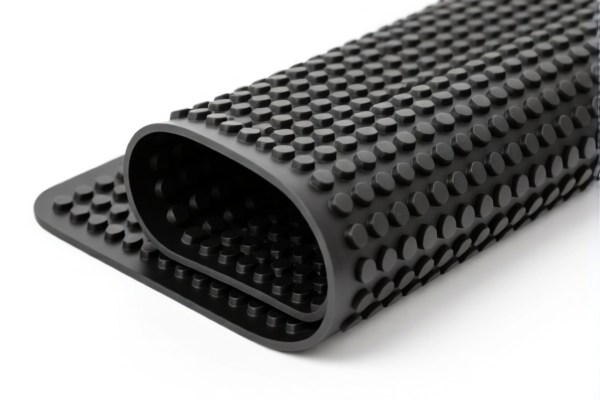
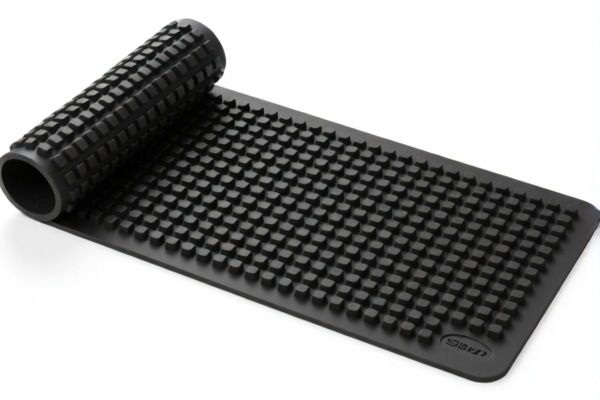
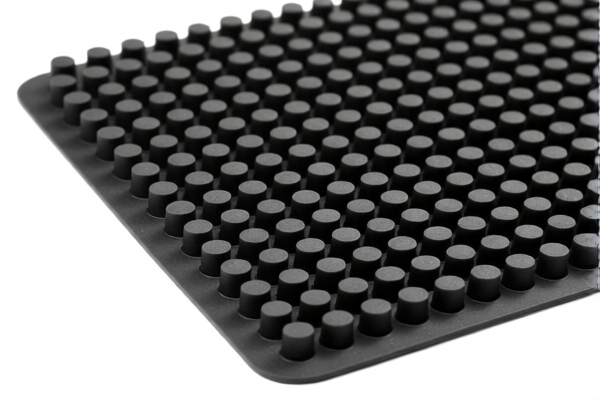
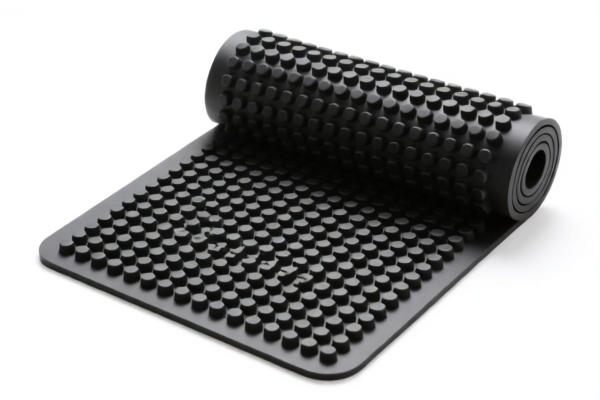
AI Analysis
🧶 Animal Hair Carpet Anti-Slip Mat
🌐 HS Code Reference & Customs Clearance Guide | 2026 Latest Tariff Analysis | Professional Clearance Strategy
📌 Part 1: Product Definition & Classification: What Exactly Is an “Animal Hair Carpet Anti-Slip Mat”?
This product is a hybrid home/textile item combining floor covering (carpet/mat functionality) with anti-slip properties. It is typically used in homes, offices, or commercial spaces to prevent slipping on hard floors while providing warmth and aesthetics.
Key Material Distinctions: 1. Animal Hair/Natural Fiber: If the pile is made from sheep’s wool, goat hair, or other fine animal fibers → Classify under Chapter 57 (Carpeting). 2. Rubber/Plastic Base: If the anti-slip backing is made of vulcanized rubber or plastic, and the top layer is not specified as animal hair (or is synthetic) → Classify under Chapter 40 (Rubber Articles) or Chapter 39 (Plastics).
⚠️ Critical Classification Point:
- If the product explicitly states “Animal Hair” in its name or description, it MUST be classified under 5705.00.20 (Carpeting of Wool or Fine Animal Hair).
- If the material is ambiguous but the function is “anti-slip mat” with a rubber base, it may fall under 4016 (Rubber Articles) or 3926 (Plastic Articles).
- Misclassification Risk: Declaring a wool carpet as a rubber mat to avoid high tariffs is a common customs violation. Evidence (material composition, photos, specs) is crucial.
📦 Part 2: HS Code Classification Details (2026 Latest Tariff Authority Match)
Based on the input “Animal Hair Carpet Anti slip Mat”, the following 5 HS Codes are relevant, depending on the exact material composition and structure.
| HS Code | Product Description | Matching Logic & Summary |
|---|---|---|
| 4016.91.00.00 | Other articles of vulcanized rubber other than hard rubber, carpet tiles | Match Basis: The term “Mat” implies a rubber backing or coating for anti-slip. Since “Vulcanized Rubber” is not explicitly stated in the product name, it is inferred based on common construction (rubber-backed carpets). No material conflict if it has a rubber layer. |
| 4016.99.05.00 | Other articles of vulcanized rubber, other (Household items) | Match Basis: Inferred as a household rubber item due to “Anti-slip” function. Matches “Other vulcanized rubber articles” for household use. No obvious conflict with material/function if it’s primarily rubber-based. |
| 5705.00.20.15 | Carpeting & textile floor coverings, of wool or fine animal hair, other than tufted or flocked | Match Basis: Strongest Match. The name explicitly includes “Animal Hair”. This HS Code directly corresponds to “Wool or Fine Animal Hair” material and “Carpet/Floor Covering” purpose. Fully compliant. |
| 5705.00.20.05 | Carpeting & textile floor coverings, of wool or fine animal hair, tufted or flocked | Match Basis: Similar to above, but for tufted/flocked varieties. The term “Animal Hair” matches the material requirement. Based on common sense, this is a wool/animal hair carpet. |
| 3926.90.99.89 | Other articles of plastics, other | Match Basis: Inferred as a plastic/rubber-like “Anti-slip Mat” under “Other” plastics. No specific subheading for “mat” exists, so it falls under “Other” plastic articles. No material conflict if it’s plastic-based. |
🔍 Key Reminder:
- If the product is truly made of Animal Hair (Wool, Goat Hair, etc.), you MUST use HS Codes under5705.00.20.
- If the product is primarily Rubber/Plastic with no animal hair, do NOT use5705codes. Use4016or3926.
- Evidence is Key: Customs may request material composition certificates. Declaring “Animal Hair” when it’s synthetic can lead to severe penalties.
💰 Part 3: 2026 Latest Tariff Rate Breakdown (Including Surtaxes, Policy Surcharges)
✅ Applicable Country: United States (US)
✅ Country of Origin: China (CN)
✅ Effective Date: From November 10, 2025 (including subsequent imports)
🎯 1. 4016.91.00.00 —— Other Rubber Articles (Carpet Tiles)
| Item | Content |
|---|---|
| Base Tariff | 2.7% (ad valorem) |
| Section 301 Surtax | +25.0% (from USITC Footnote 9903.88.01) |
| IEEPA Surtax | +10.0% (Against China/HK products, effective Nov 10, 2025) |
| Total Tariff Rate | 37.7% |
| Tax Calculation | CIF Value × 37.7% |
| De Minimis Eligible? | ❌ No (deny_de_minimis) |
| Legal Basis Path | IEEPA:9903.01.25 → IEEPA:9903.01.24 → USITC:4016.91.00.00 → FOOTNOTE:9903.88.01 |
📌 Explanation:
- 2.7% is the standard US Most Favored Nation (MFN) rate for rubber articles.
- 25% is the Section 301 tariff on Chinese rubber products.
- 10% is the new IEEPA surcharge on Chinese goods effective late 2025.
- Total 37.7% is a high tariff. Risk mitigation is essential.
🎯 2. 4016.99.05.00 —— Other Rubber Articles (Household Items)
| Item | Content |
|---|---|
| Base Tariff | 3.4% (ad valorem) |
| Section 301 Surtax | +7.5% |
| IEEPA Surtax | +10.0% |
| Total Tariff Rate | 20.9% |
| Tax Calculation | CIF Value × 20.9% |
| De Minimis Eligible? | ❌ No |
| Legal Basis Path | IEEPA:9901.25 → IEEPA:9903.01.24 → USITC:4016.99.05.00 → FOOTNOTE:9903.88.01 |
📌 Note:
- This code has a lower total rate (20.9%) compared to4016.91.00.00because the Section 301 surtax is only 7.5% instead of 25%.
- However, this classification is less common for standard carpets. It applies to “other” rubber household items. Ensure the product fits this broader category.
🎯 3. 5705.00.20.15 & 5705.00.20.05 —— Wool/Animal Hair Carpets
| Item | Content |
|---|---|
| Base Tariff | 3.3% (ad valorem) |
| Section 301 Surtax | +25.0% |
| IEEPA Surtax | +10.0% |
| Total Tariff Rate | 38.3% |
| Tax Calculation | CIF Value × 38.3% |
| De Minimis Eligible? | ❌ No |
| Legal Basis Path | IEEPA:9903.01.25 → IEEPA:9903.01.24 → USITC:5705.00.20.15/05 → FOOTNOTE:9903.88.01 |
📌 Explanation:
- These are the most accurate codes if the product truly contains Animal Hair.
- The base tariff (3.3%) is low, but the 25% Section 301 and 10% IEEPA surcharges bring the total to 38.3%, the highest among all options.
- Why so high? Textiles and carpets from China face strict tariffs.
- Risk: If you claim “Animal Hair” to get this code but it’s synthetic, customs will reclassify and penalize.
🎯 4. 3926.90.99.89 —— Other Plastic Articles
| Item | Content |
|---|---|
| Base Tariff | 5.3% (ad valorem) |
| Section 301 Surtax | +7.5% |
| IEEPA Surtax | +10.0% |
| Total Tariff Rate | 22.8% |
| Tax Calculation | CIF Value × 22.8% |
| De Minimis Eligible? | ❌ No |
| Legal Basis Path | IEEPA:9901.25 → IEEPA:9903.01.24 → USITC:3926.90.99.89 → FOOTNOTE:9903.88.01 |
📌 Note:
- This code applies if the mat is Plastic-based (e.g., PVC, TPE) with no rubber or animal hair.
- The 22.8% rate is moderate.
- Common for “Anti-slip Mats” in bathrooms or kitchens that are plastic/rubber-like but not vulcanized rubber.
🛠️ Part 4: Customs Clearance Practical Advice (Battle-Tested Pitfall Avoidance Guide)
✅ 1. Preparation Checklist (Non-Negotiable)
| Document | Required | Notes |
|---|---|---|
| ✅ Product Specification Sheet | ✔️ | Must include material composition (e.g., “100% Wool Pile, 5mm Rubber Backing”). |
| ✅ Material Composition Certificate | ✔️ | Crucial for distinguishing between Wool (5705) and Rubber (4016). |
| ✅ Product Photos (Clear & Labeled) | ✔️ | Show texture, backing, and any labels stating “Made in China” or material. |
| ✅ Commercial Invoice | ✔️ | Describe as “Animal Hair Carpet Mat, Anti-Slip, Wool Pile, Rubber Backing” or similar. |
| ✅ Packing List | ✔️ | Show quantity, weight, and dimensions. |
| ✅ Origin Certificate (CO) | ✔️ | If applicable, to prove origin for surtax calculation. |
✅ 2. Declaration Tips (Key Mantra)
🔥 “Material Determines Code, Description Must Match, No Guessing, No Penalties!”
| Scenario | Correct Declaration | Incorrect Practice |
|---|---|---|
| True Wool/Animal Hair Carpet | Use 5705.00.20.15/05 | Declare as Rubber → Rejection + Fine |
| Rubber-Backed Synthetic Mat | Use 4016.91.00.00 or 3926.90.99.89 | Declare as Wool → High Tariff Risk |
| Mixed Material (Wool Top + Rubber Bottom) | Use 5705 (if wool is essential character) | Split Declaration → Complex & Risky |
| Plastic Anti-Slip Mat (No Wool) | Use 3926.90.99.89 | Use Rubber Code → Potential Misclassification |
✅ 3. Special Handling
| Situation | Recommendation |
|---|---|
| OEM Custom Mats | Provide design specs + material test reports to prove animal hair content if claimed. |
| Samples for Approval | Ensure sample material matches bulk. Customs may inspect samples. |
| High-Value Shipments | Consider Advance Ruling (Pre-classification) to lock in HS Code and avoid disputes. |
| Anti-Dumping/Countervailing | Check if any specific trade remedies apply to carpets/rubber from China. |
🌍 Part 5: Global Market Clearance Comparison (2026 Latest)
| Country/Region | Recommended HS Code | Tariff Rate (China Origin) | Certification Required | Notes |
|---|---|---|---|---|
| 🇺🇸 USA | 5705.00.20.15 |
38.3% | None (but material proof needed) | Highest tariff due to Section 301 + IEEPA |
| 🇺🇸 USA | 3926.90.99.89 |
22.8% | None | Lower rate if plastic-based |
| 🇨🇳 China | 5705.00.20.15 |
~9-10% (Import) | CCC (if applicable) | Low import tariff, no US surtaxes |
| 🇪🇺 EU | 5705.00.20.15 |
~9% | CE (if safety concern) | No Section 301/IEEPA surtaxes |
| 🇬🇧 UK | 5705.00.20.15 |
~9% | UKCA | Post-Brexit rules apply |
📌 Conclusion:
- USA is the most expensive market for this product due to 38.3% total tariff for wool carpets.
- Plastic-based mats (3926) have a lower US tariff (22.8%).
- EU/UK have significantly lower tariffs (~9%), making them more cost-effective if you can divert shipments.
- Consider Origin Shift: Sourcing from Vietnam, India, or Turkey may reduce US tariffs if they meet Rules of Origin.
📌 Part 6: Common Errors & Pitfalls (Blood & Tears Lessons)
❌ Error 1: Declaring a Synthetic Mat as “Animal Hair” to avoid plastic tariffs.
👉 Consequence: Customs inspection reveals synthetic material → Reclassification to 3926/4016 + Penalty + Back Taxes!
❌ Error 2: Using 4016 for a Wool Carpet because of the rubber backing.
👉 Consequence: If wool is the essential character, customs may reclassify to 5705 → Higher Tariff (38.3% vs 20.9%)!
❌ Error 3: Omitting “Anti-Slip” or Material Type in Description.
👉 Consequence: Customs delays for clarification → Storage Fees + Demurrage!
❌ Error 4: Assuming “De Minimis” applies.
👉 Consequence: All these HS Codes are NOT eligible for $800 de minimis exemption → Full Duty Payment Required!
✅ Correct Practice:
“Wool Pile Carpet Mat, Anti-Slip Rubber Backing, 5mm Thick, 2x3 Feet, Made in China”
HS Code:5705.00.20.15
Total Tariff: 38.3%
🎯 Part 7: Conclusion: Precise Classification, Cost Control, Smooth Clearance!
🎯 Remember the Mantra:
🔹 “Wool? Use 5705 (38.3%). Rubber? Use 4016 (20.9%-37.7%). Plastic? Use 3926 (22.8%).”
🔹 “Don’t Guess Material, Get Certificates, Avoid Penalties!”
🔹 “USA Tariffs are High: Plan Ahead, Consider Pre-Rulings!”
📌 Pro Tip:
If your product is high-value, invest in an Advance Ruling from US CBP to lock in the HS Code.
If you can modify the material to be 100% Plastic (TPE/PVC), you may save ~15% in tariffs compared to Wool.
📣 Immediate Action:
📞 Contact a Customs Broker + Provide Material Spec Sheets + Request HS Code Pre-Ruling
🚀 Ensure Your Product Clears Customs Smoothly, Minimizes Costs, and Maximizes Profit!
✨ Professional Clearance Starts with Accurate Classification!
💼 Every Percent of Tariff Saves Counts!
Customer Reviews
About HS Code Classification
The Harmonized System (HS) is an internationally standardized nomenclature developed by the World Customs Organization (WCO) to classify traded products. Over 200 countries use the HS system as the basis for customs tariffs, trade statistics, and import/export regulations.
Each HS code follows a hierarchical structure:
- Chapter (2 digits) — Broad category of goods (e.g., Chapter 84: Machinery and Mechanical Appliances)
- Heading (4 digits) — More specific grouping within the chapter
- Subheading (6 digits) — Internationally standardized breakdown, used by all WCO member countries
- National subdivisions (8-10 digits) — Country-specific extensions for further classification, such as US HTSUS 10-digit codes
Correct HS code classification is essential for smooth customs clearance, accurate duty payment, and compliance with trade regulations. Misclassification can lead to customs delays, overpayment of duties, or penalties.
When importing from CN to US, the applicable tariff rates may include:
- Most-Favored-Nation (MFN) rate — The standard duty rate applied to WTO members
- General rate — Applied to countries without trade agreements
- Trade remedy duties — Additional tariffs such as Section 301 (anti-dumping), Section 232 (national security), or countervailing duties
The information provided on this page is for reference purposes only. For official classification, please consult with your local customs authority or a licensed customs broker.