Animal Hair Decorative Fabric
CN → US| HS Code | Tariff Rate | Origin | Destination | Doc |
|---|---|---|---|---|
| 6304996040 | 20.7% | CN | US | Official Doc |
| 5805004090 | 35.0% | CN | US | Official Doc |
| 5804101000 | 41.0% | CN | US | Official Doc |
| 6203119000 | 35.0% | CN | US | Official Doc |
| 5112116030 | 60.0% | CN | US | Official Doc |
Product Images
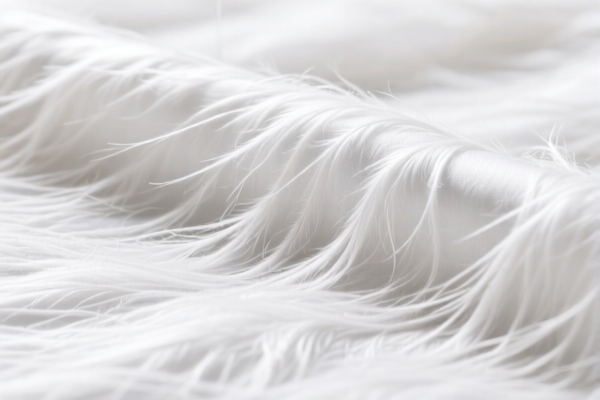
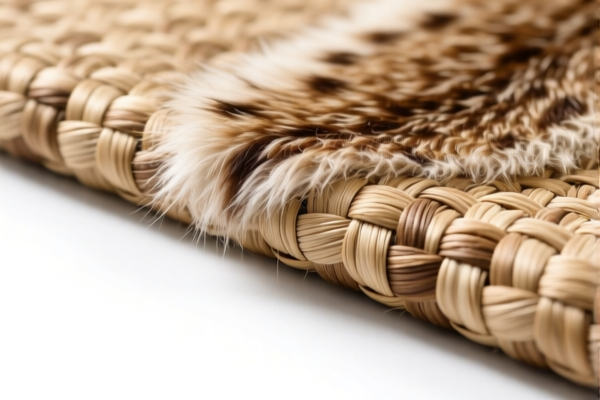
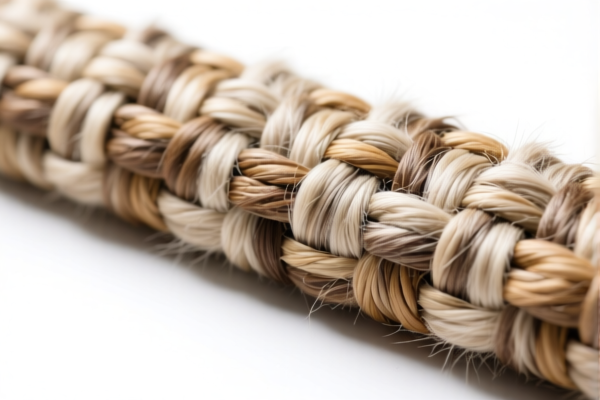
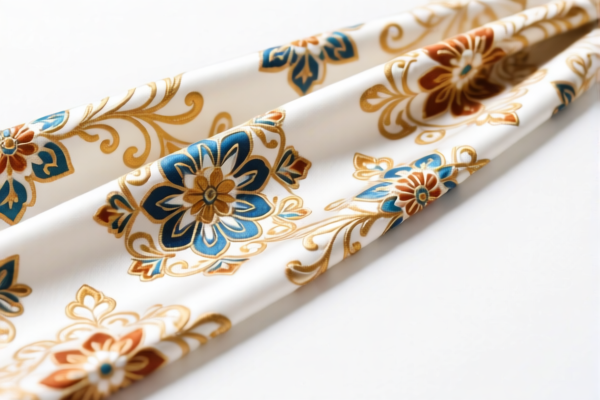
AI Analysis
🧵 Animal Hair Decorative Fabric: The Ultimate HS Code & Taxation Guide
🌐 HS Code Reference & Clearance Strategy | 2026 Tariff Breakdown | Professional Import Compliance
📌 Part 1: Product Definition & Classification Logic
"Animal Hair Decorative Fabric" refers to textile materials used for interior decoration (curtains, upholstery, drapes, tapestries) that contain animal hair fibers (wool, fine animal hair, camel hair, etc.) or are blends thereof. The classification depends entirely on:
1. Form: Woven, knitted, or net-like structure?
2. Content: Pure animal hair? Blend with synthetic/cotton?
3. End-use: Furniture, drapery, wall hangings, or apparel?
⚠️ Critical Classification Triggers:
- Woven animal hair fabrics for apparel (e.g., suits) → 6203.11.90.00 / 5112.11.60.30
- Decorative fabrics (non-apparel):
- If "other home textiles" (no specific subheading) → 6304.99.60.40
- If "tapestry-like" (wall hangings) → 5805.00.40.90
- If "fine net fabric" (mesh/crystal) → 5804.10.10.00
📦 Part 2: HS Code Classification Matrix (2026 Tariff Schedule)
| HS Code | Product Description | Application | Material Conflict Check |
|---|---|---|---|
6304.99.60.40 |
Decorative Fabric (Other Home Textiles) | Curtains, upholstery, general decor | ✅ No conflict (fits "other home textile"兜底 logic) |
5805.00.40.90 |
Tapestry-like Decorative Fabric | Wall hangings, art pieces | ✅ No conflict (morphology: tapestry) |
5804.10.10.00 |
Fine Net Fabric (Mesh) | Decorative mesh, crystal-like textiles | ✅ Cotton/Man-made fiber blends allowed |
6203.11.90.00 |
Animal Hair Blend Suit Fabric | Suit jackets, formal wear | ✅ Wool/fine animal hair required |
5112.11.60.30 |
Woven Fine Animal Hair Fabric | Tailored clothing, high-end suits | ✅ No material conflict (fine hair focus) |
🔍 Key Insight:
- Animal hair content triggers higher base tariffs (e.g., 17.5%–25% for apparel).
- "Decorative" (non-apparel) fabrics often fall under 6304.99.60.40 (20.7% total tax) or 5805.00.40.90 (35% total tax).
- Net/mesh fabrics (5804.10.10.00) attract the highest total tax (41%) due to 25% USITC + 10% IEEPA.
💰 Part 3: 2026 Tariff Breakdown (US Import Rules)
✅ Target Market: 🇺🇸 United States
✅ Origin: 🇨🇳 China
✅ Effective Date: Nov 10, 2025 (all 122-Section 301 tariffs apply)
🎯 1. 6304.99.60.40 – Decorative Fabric (Other Home Textiles)
| Item | Detail |
|---|---|
| Base Tariff | 3.2% |
| Section 301 (USITC) | +7.5% |
| Section 122 (China) | +10% |
| Total Tax | 20.7% |
| De Minimis? | ❌ No |
| Legal Path | USITC:6304.99.60.40 → Section 301:7.5% → Section 122:10% |
📌 Why 20.7%?
- Base tariff is low (3.2%) for general textiles, but Section 301 (7.5%) + Section 122 (10%) add 17.5% on top.
- No de minimis exemption for Chinese-origin home textiles.
🎯 2. 5805.00.40.90 – Tapestry-like Decorative Fabric
| Item | Detail |
|---|---|
| Base Tariff | 0.0% |
| Section 301 (USITC) | +25% |
| Section 122 (China) | +10% |
| Total Tax | 35.0% |
| De Minimis? | ❌ No |
| Legal Path | USITC:5805.00.40.90 → Section 301:25% → Section 122:10% |
📌 Why 35%?
- 0% base tariff for tapestries, but 25% Section 301 (high-priority textile tariff) + 10% Section 122 = 35% total.
- Tapestry morphology (wall hangings) avoids apparel rules but still faces high Section 301 rates.
🎯 3. 5804.10.10.00 – Fine Net Fabric (Mesh)
| Item | Detail |
|---|---|
| Base Tariff | 6.0% |
| Section 301 (USITC) | +25% |
| Section 122 (China) | +10% |
| Total Tax | 41.0% |
| De Minimis? | ❌ No |
| Legal Path | USITC:5804.10.10.00 → Section 301:25% → Section 122:10% |
📌 Why 41%?
- 6% base for net fabrics, but 25% Section 301 (high textile tariff) + 10% Section 122 = 41% total.
- Net/mesh structures are often scrutinized as "non-standard" textiles, triggering higher Section 301 rates.
🎯 4. 6203.11.90.00 – Animal Hair Blend Suit Fabric (Apparel)
| Item | Detail |
|---|---|
| Base Tariff | 17.5% |
| Section 301 (USITC) | +7.5% |
| Section 122 (China) | +10% |
| Total Tax | 35.0% |
| De Minimis? | ❌ No |
| Legal Path | USITC:6203.11.90.00 → Section 301:7.5% → Section 122:10% |
📌 Why 35%?
- 17.5% base tariff for wool/fine animal hair suits (higher than general textiles).
- 7.5% Section 301 + 10% Section 122 = 35% total.
- Apparel rules apply even if labeled "decorative" if used for suits.
🎯 5. 5112.11.60.30 – Woven Fine Animal Hair Fabric (Apparel)
| Item | Detail |
|---|---|
| Base Tariff | 25.0% |
| Section 301 (USITC) | +25% |
| Section 122 (China) | +10% |
| Total Tax | 60.0% |
| De Minimis? | ❌ No |
| Legal Path | USITC:5112.11.60.30 → Section 301:25% → Section 122:10% |
📌 Why 60%?
- 25% base tariff for fine animal hair fabrics (high-end wool/cashmere suits).
- 25% Section 301 + 10% Section 122 = 60% total.
- Highest risk category for animal hair apparel – avoid unless necessary!
🛠️ Part 4: Customs Clearance Strategy (Avoiding Pitfalls)
✅ 1. Pre-Clearance Checklist
| Document | Requirement | Why It Matters |
|---|---|---|
| Material Composition Report | ✅ Required | Confirms animal hair content vs. synthetic blends (affects HS Code). |
| Product Photography | ✅ Required | Shows structure (tapestries vs. net fabrics vs. suit fabric). |
| End-Use Declaration | ✅ Required | "Decorative" vs. "Apparel" changes HS Code (6304 vs. 6203). |
| Origin Certificate | ✅ Required | Proves China origin (triggers Section 122 10% tariff). |
| Supplier Invoice | ✅ Required | Must specify "Animal Hair Decorative Fabric" (not generic). |
✅ 2. Shaming Tips (Critical!)
🔥 Rule #1: "If it's for suits, it's apparel – not decorative!"
- Example: A "decorative fabric" used for suits =6203.11.90.00(35% tax).
- Mistake: Classifying as6304.99.60.40(20.7% tax) → Penalty + Back Taxes!🔥 Rule #2: "Tapestry morphology overrides material!"
- Wall hangings =5805.00.40.90(35% tax), even if made of animal hair.
- Mistake: Classifying as6304.99.60.40(20.7% tax) → Penalty!🔥 Rule #3: "Net fabrics = highest tax!"
- Mesh/crystal fabrics =5804.10.10.00(41% tax).
- Mistake: Classifying as "general textile" → 41% tax surprise!
✅ 3. Special Cases & Workarounds
| Scenario | Strategy | Risk Level |
|---|---|---|
| Animal hair blend with >50% synthetic | Claim as "man-made fiber" → 6304.99.60.40 (20.7%) |
🟢 Low (if verified) |
| "Decorative" fabric used for suits | Rebrand as "apparel" → 6203.11.90.00 (35%) |
🟡 Medium (audit risk) |
| Tapestry made of animal hair | Keep as 5805.00.40.90 (35%) |
🟢 Low (morphology-based) |
| Net fabric with animal hair | Avoid – 41% tax is too high! | 🔴 High (cost-prohibitive) |
🌍 Part 5: Global Market Comparison (2026)
| Country | Recommended HS Code | Total Tax | Notes |
|---|---|---|---|
| 🇺🇸 USA | 6304.99.60.40 |
20.7% | Highest Section 301 rates |
| 🇪🇺 EU | 6304.99.60.40 |
~5% | No Section 301 tariffs |
| 🇯🇵 Japan | 6304.99.60.40 |
~3% | Low textile tariffs |
| 🇨🇦 Canada | 6304.99.60.40 |
~5% | CUSMA-free trade benefits |
| 🇦🇺 Australia | 6304.99.60.40 |
~5% | No Section 301 rates |
📌 Conclusion: USA is the only market with high Section 301/122 tariffs.
- Avoid exporting to USA unless you can absorb 20.7%–60% taxes!
- Redirect to EU/Japan/Canada for lower costs.
📌 Part 6: Common Mistakes & Fixes
❌ Mistake 1: Calling "animal hair fabric" "textile" without specifying end-use.
👉 Fix: Label as "Animal Hair Decorative Fabric for Curtains" (6304.99.60.40).
❌ Mistake 2: Using "suit fabric" for decorative purposes.
👉 Fix: Rebrand as "Decorative Tapestry" (5805.00.40.90) to avoid 6203.11.90.00.
❌ Mistake 3: Not declaring Section 301/122 tariffs.
👉 Fix: Pre-calculate Total Tax = Base + 301 + 122 to avoid surprise costs.
🎯 Final Takeaway
🚨 Animal Hair Decorative Fabric in the USA = 20.7%–60% Tax!
- Best case:6304.99.60.40(20.7%) for general decor.
- Worst case:5112.11.60.30(60%) for fine animal hair suits.
- Critical Rule: End-use matters more than material!🚀 Action Plan:
1. Confirm end-use (decor vs. apparel).
2. Check morphology (tapestry, net, woven).
3. Calculate total tax (Base + 301 + 122).
4. Avoid USA if possible – redirect to EU/Japan!
✨ Professional Customs Clearance Starts with Precise Classification!
💼 Every 1% Tax Difference = Thousands in Savings!
Customer Reviews
About HS Code Classification
The Harmonized System (HS) is an internationally standardized nomenclature developed by the World Customs Organization (WCO) to classify traded products. Over 200 countries use the HS system as the basis for customs tariffs, trade statistics, and import/export regulations.
Each HS code follows a hierarchical structure:
- Chapter (2 digits) — Broad category of goods (e.g., Chapter 84: Machinery and Mechanical Appliances)
- Heading (4 digits) — More specific grouping within the chapter
- Subheading (6 digits) — Internationally standardized breakdown, used by all WCO member countries
- National subdivisions (8-10 digits) — Country-specific extensions for further classification, such as US HTSUS 10-digit codes
Correct HS code classification is essential for smooth customs clearance, accurate duty payment, and compliance with trade regulations. Misclassification can lead to customs delays, overpayment of duties, or penalties.
When importing from CN to US, the applicable tariff rates may include:
- Most-Favored-Nation (MFN) rate — The standard duty rate applied to WTO members
- General rate — Applied to countries without trade agreements
- Trade remedy duties — Additional tariffs such as Section 301 (anti-dumping), Section 232 (national security), or countervailing duties
The information provided on this page is for reference purposes only. For official classification, please consult with your local customs authority or a licensed customs broker.