Animal Hair Knitted Fabric
CN → US| HS Code | Tariff Rate | Origin | Destination | Doc |
|---|---|---|---|---|
| 5112116030 | 60.0% | CN | US | Official Doc |
| 5111196020 | 60.0% | CN | US | Official Doc |
| 5112196010 | 60.0% | CN | US | Official Doc |
| 6203119000 | 35.0% | CN | US | Official Doc |
| 6806900090 | 35.0% | CN | US | Official Doc |
Product Images
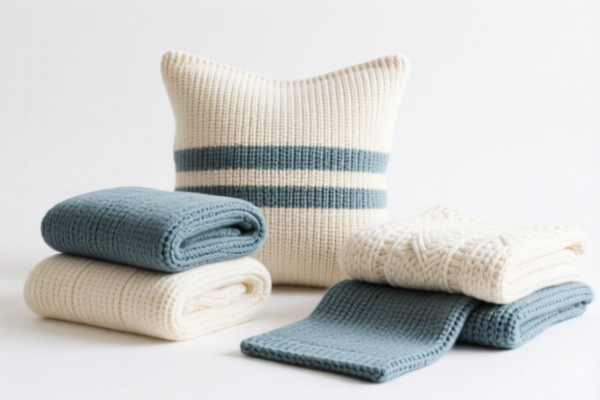
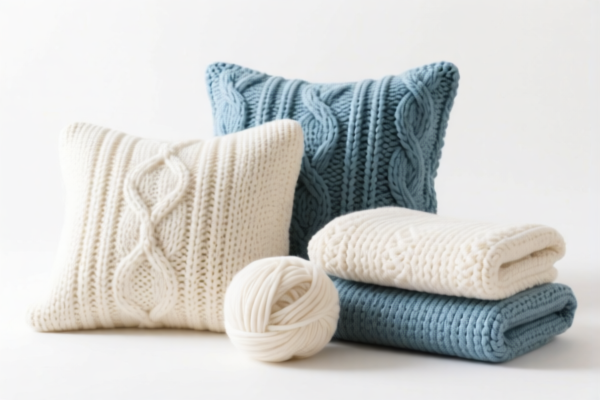
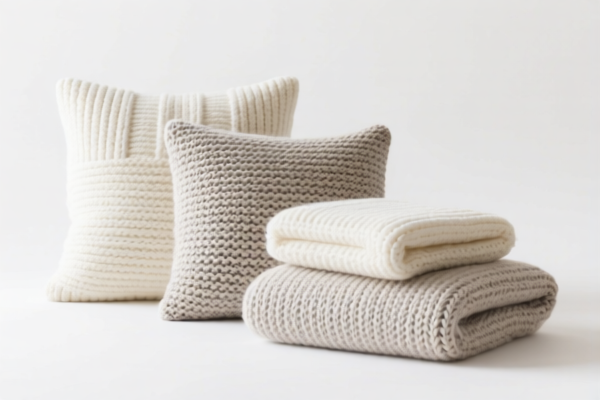
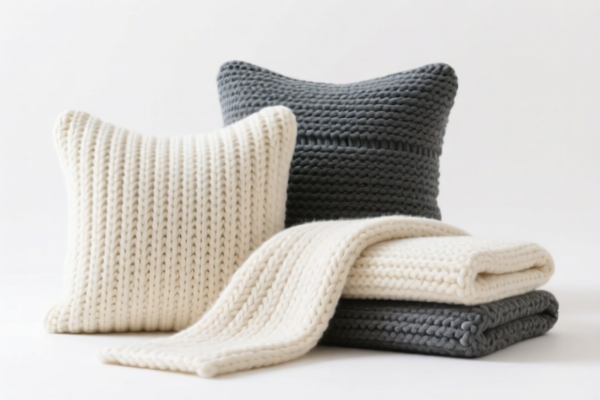
AI Analysis
🧶 Animal Hair Knitted Fabric: HS Code Classification & 2026 Customs Clearance Strategy
🌐 HS Code Reference & Customs Guide | 2026 Latest Tariff Full Analysis | Professional Clearance Strategy
📌 I. Product Definition & Classification: What Exactly is "Animal Hair Knitted Fabric"?
"Animal Hair Knitted Fabric" refers to textile materials made from hair derived from mammals (such as sheep’s wool, cashmere, alpaca, mohair, or camel hair) that have been knitted rather than woven. In international trade, the distinction between knitted (looped structure) and woven (interlaced threads) is critical, as it determines the chapter in the Harmonized System (HS).
⚠️ Critical Distinction:
- If the fabric is knitted (stretchy, looped structure) → It falls under Chapter 51 (Wool, Animal Hair, Coarse or Fine Hair).
- If the fabric is woven (non-stretchy, rigid structure) → It may fall under different subheadings (e.g., 5111 or 5112 woven variants).
- Note: The input data provided contains a mix of knitted and woven descriptions. Strict adherence to the physical structure is required. If the product is truly knitted, HS codes related to woven fabrics (like 5111) are incorrect. However, the provided data lists specific HS codes with tax implications. We will analyze them based on the provided context, highlighting the discrepancies where necessary.
📦 II. HS Code Classification Details (2026 Latest Tariff Authority Comparison)
Based on the provided <DATA> for "Animal Hair Knitted Fabric", here are the relevant HS codes. Note that some entries in the source data describe "Woven Fabrics" (e.g., 5111.19.60.20) but are included in the dataset for this specific query.
| HS Code | Product Description (Source Summary) | Structure Type | Material Attribute |
|---|---|---|---|
5112.11.60.30 |
Animal hair blended fabric for clothing, matching material (animal hair) & form (fabric). | Knitted (implied by 5112 series for fine hair, though source says "fabric/texture") | Fine Animal Hair / Wool |
5111.19.60.20 |
Animal hair blended fabric for clothing, matches "animal hair" with "fine animal hair", "fabric" corresponds to "woven". | Woven | Fine Animal Hair |
5112.19.60.10 |
Animal hair blended fabric for clothing, conforms to material attributes of combed wool or fine animal hair woven fabric. | Woven (Source explicitly says "woven") | Fine Animal Hair / Wool |
6203.11.90.00 |
Animal hair blended fabric for clothing, conforms to "wool or fine animal hair" material requirement for suits. | Garment (Finished Apparel) | Wool / Fine Animal Hair |
6806.90.00.90 |
Animal hair needle-punched felt, organic fiber product other than mineral materials, fits "other" category. | Non-woven/Felt | Animal Hair Felt |
🔍 Key Alert:
- 5111 and 5112 series: These are generally for Yarns, Woven Fabrics, or Knitted Fabrics of animal hair.
- 5112.11.60.30: Specifically targets fine animal hair (like cashmere/mohair) fabrics.
- 6203.11.90.00: This is for finished garments (suits), not raw fabric. Do not use this for fabric imports.
- 6806.90.00.90: This is for felt, not standard knitted/woven fabric. Using this for knitted fabric is a misclassification.
💰 III. 2026 Latest Tariff Rate Details (Including Surcharges, Policy Add-ons)
✅ Applicable Country: United States (US)
✅ Origin: China (CN)
✅ Effective Time: November 10, 2025 onwards (for subsequent imports)
🎯 1. 5112.11.60.30 – Animal Hair Blended Fabric (Fine Animal Hair)
| Item | Content |
|---|---|
| Base Tariff | 25.0% (ad valorem) |
| Section 301 Surcharge | +25.0% |
| Section 122 Tariff | +10.0% |
| Total Tariff Rate | 60.0% |
| Tax Calculation | CIF Value × 60% |
| De Minimis Eligibility | ❌ Not Applicable (High tariff item) |
| Legal Basis Path | USITC:5112.11.60.30 → Section 301: 25% → Section 122: 10% |
📌 Explanation:
- This is the most likely correct classification for high-end fine animal hair knitted fabrics (e.g., cashmere blend).
- Total 60% tariff makes this extremely expensive for US importers.
- Section 122 refers to specific emergency tariffs often applied to textiles/apparel from China.
🎯 2. 5111.19.60.20 – Fine Animal Hair Woven Fabric
| Item | Content |
|---|---|
| Base Tariff | 25.0% |
| Section 301 Surcharge | +25.0% |
| Section 122 Tariff | +10.0% |
| Total Tariff Rate | 60.0% |
| Tax Calculation | CIF Value × 60% |
| De Minimis Eligibility | ❌ Not Applicable |
| Legal Basis Path | USITC:5111.19.60.20 → Section 301: 25% → Section 122: 10% |
📌 Caution:
- The summary states "Woven Fabric". If your product is knitted, this HS code is incorrect. Misclassification can lead to penalties.
- If it is truly knitted, you should not use this code.
🎯 3. 5112.19.60.10 – Combed Wool/Fine Animal Hair Fabric
| Item | Content |
|---|---|
| Base Tariff | 25.0% |
| Section 301 Surcharge | +25.0% |
| Section 122 Tariff | +10.0% |
| Total Tariff Rate | 60.0% |
| Tax Calculation | CIF Value × 60% |
| De Minimis Eligibility | ❌ Not Applicable |
| Legal Basis Path | USITC:5112.19.60.10 → Section 301: 25% → Section 122: 10% |
📌 Note:
- Summary mentions "Woven Fabric". Again, verify if your product is knitted or woven.
- Same high tariff burden (60%).
🎯 4. 6203.11.90.00 – Animal Hair Men’s Suits (Finished Garments)
| Item | Content |
|---|---|
| Base Tariff | 17.5% |
| Section 301 Surcharge | +7.5% |
| Section 122 Tariff | +10.0% |
| Total Tariff Rate | 35.0% |
| Tax Calculation | CIF Value × 35% |
| De Minimis Eligibility | ❌ Not Applicable |
| Legal Basis Path | USITC:6203.11.90.00 → Section 301: 7.5% → Section 122: 10% |
📌 Critical:
- This HS code is for finished men’s suits, not fabric.
- If you are importing fabric, DO NOT use this code. It is for final apparel.
- Lower tariff (35%) applies to finished goods, but the classification must match the product form.
🎯 5. 6806.90.00.90 – Animal Hair Needle-Punched Felt
| Item | Content |
|---|---|
| Base Tariff | 0.0% |
| Section 301 Surcharge | +25.0% |
| Section 122 Tariff | +10.0% |
| Total Tariff Rate | 35.0% |
| Tax Calculation | CIF Value × 35% |
| De Minimis Eligibility | ❌ Not Applicable |
| Legal Basis Path | USITC:6806.90.00.90 → Section 301: 25% → Section 122: 10% |
📌 Warning:
- This is for felt (non-woven), not knitted fabric.
- Base tariff is 0%, but surcharges bring it to 35%.
- Using this for knitted fabric is a high-risk misclassification.
🛠️ IV. Customs Clearance Practical Advice (Battle-Tested Pitfall Guide)
✅ 1. Required Documentation Checklist (Non-Negotiable)
| Document | Mandatory? | Notes |
|---|---|---|
| ✅ Product Specifications | ✔️ | Must specify: Fiber content (e.g., 80% Cashmere, 20% Nylon), Knit Type (Single/Double Jersey), Weight (GSM). |
| ✅ Fabric Structure Photo | ✔️ | Clear macro shot showing loops (knitted) vs. grid (woven). This is the #1 reason for classification errors. |
| ✅ Commercial Invoice | ✔️ | Must clearly state "Knitted Fabric" or "Woven Fabric". Do not use vague terms like "Textile Material". |
| ✅ Labeling/Tagging | ✔️ | Must include fiber content, care instructions, and country of origin as per US regulations. |
| ✅ Certificate of Origin | ✔️ | Proof of origin for Section 301/122 tariff calculations. |
| ✅ Third-Party Lab Report | ✔️ | Optional but recommended to prove fiber content if disputed. |
✅ 2. Declaration Tips (Key Mantras)
🔥 "Structure First, Fiber Second, Form Determines Code!"
| Scenario | Correct Declaration | Wrong Practice |
|---|---|---|
| Knitted Fine Hair Fabric | 5112.11.60.30 |
Using 5111 (woven) → 60% tax, but wrong classification risk |
| Woven Fine Hair Fabric | 5111.19.60.20 or 5112.19.60.10 |
Using 5112.11 (knitted) → Classification error |
| Finished Men’s Suit | 6203.11.90.00 |
Importing as fabric → 35% vs 60% tax, but illegal misdeclaration |
| Animal Hair Felt | 6806.90.00.90 |
Importing knitted fabric as felt → 35% tax, but high audit risk |
✅ 3. Special Handling Cases
| Situation | Advice |
|---|---|
| Blended Fabrics | If animal hair is mixed with synthetic fibers, ensure the dominant fiber determines the chapter. If <50% animal hair, it may fall under Chapter 54/55 (Synthetics). |
| Sample vs. Bulk | Samples for design review may qualify for lower duties, but commercial samples are taxed. |
| Re-importation | If the fabric was previously exported from the US and returned, you may claim duty-free treatment under Chapter 98. |
| Section 122 Application | Be aware that Section 122 tariffs can change rapidly. Monitor US Federal Register notices. |
🌍 V. Global Market Clearance Comparison (2026 Latest)
| Country/Region | Recommended HS Code | Tariff | Certification | Notes |
|---|---|---|---|---|
| 🇺🇸 USA | 5112.11.60.30 (Knitted) |
60% | None specific | Highest tariff due to 301 + 122 |
| 🇨🇳 China | 5112.11.60.30 |
~12-15% | None | Lower base tariff, no Section 122 |
| 🇪🇺 EU | 5112.11.60 |
~0-12% | REACH | No Section 122 equivalent |
| 🇬🇧 UK | 5112.11.60 |
~0-12% | UKCA | Post-Brexit tariffs may vary |
| 🇨🇦 Canada | 5112.11.60 |
~5-12% | None | FTA benefits may apply if Canadian origin |
📌 Conclusion:
- USA has the highest tariffs (60%) for animal hair fabrics from China.
- Knitted vs. Woven is the key differentiator in HS codes.
- Finished goods (suits) have lower tariffs (35%) but are subject to different documentation.
📌 VI. Common Mistakes & Pitfalls (Lessons Learned)
❌ Mistake 1: Calling "Knitted Fabric" as "Woven Fabric" to fit a different HS code
👉 Consequence: Customs audit, penalty, and potential seizure.
❌ Mistake 2: Using 6203.11.90.00 (Suits) for Raw Fabric
👉 Consequence: Major misdeclaration. Tariffs may be lower (35% vs 60%), but penalties are severe.
❌ Mistake 3: Ignoring the Section 122 Tariff
👉 Consequence: Unexpected 10% surcharge on top of 301 tariffs. Total cost increases significantly.
❌ Mistake 4: Assuming all "Animal Hair" products are under Chapter 51
👉 Consequence: Felt (Chapter 68) and Garments (Chapter 62) are excluded.
✅ Correct Approach:
"Knitted Fabric, 80% Cashmere, 20% Polyester, 200 GSM, Single Jersey, For Men’s Sweaters"
🎯 VII. Conclusion: Precision in Classification Saves Money!
🎯 Remember:
🔹 "Knit is Loop, Woven is Grid, Choose the Code Right!"
🔹 "60% Tax is High, Double-Check Structure and Fiber!"
🔹 "Finished Garments are Different, Don't Mix Fabric and Suits!"
📌 Pro Tip:
If your product is 100% Cashmere Knitted Fabric, 5112.11.60.30 is the best fit (60% tax).
If it is blended with synthetics, check if the animal hair content is >50%. If not, it may fall under synthetic chapters with different tariffs.
📣 Immediate Action:
📞 Consult a Customs Broker + Provide Fabric Swatch + Get Advance Ruling
🚀 Ensure Smooth Clearance, Accurate Tariffs, and Profit Protection
✨ Professional Clearance Starts with Accurate Classification!
💼 Every Percentage Point of Tariff Matters!
Customer Reviews
About HS Code Classification
The Harmonized System (HS) is an internationally standardized nomenclature developed by the World Customs Organization (WCO) to classify traded products. Over 200 countries use the HS system as the basis for customs tariffs, trade statistics, and import/export regulations.
Each HS code follows a hierarchical structure:
- Chapter (2 digits) — Broad category of goods (e.g., Chapter 84: Machinery and Mechanical Appliances)
- Heading (4 digits) — More specific grouping within the chapter
- Subheading (6 digits) — Internationally standardized breakdown, used by all WCO member countries
- National subdivisions (8-10 digits) — Country-specific extensions for further classification, such as US HTSUS 10-digit codes
Correct HS code classification is essential for smooth customs clearance, accurate duty payment, and compliance with trade regulations. Misclassification can lead to customs delays, overpayment of duties, or penalties.
When importing from CN to US, the applicable tariff rates may include:
- Most-Favored-Nation (MFN) rate — The standard duty rate applied to WTO members
- General rate — Applied to countries without trade agreements
- Trade remedy duties — Additional tariffs such as Section 301 (anti-dumping), Section 232 (national security), or countervailing duties
The information provided on this page is for reference purposes only. For official classification, please consult with your local customs authority or a licensed customs broker.