Animal Spoon
CN → US| HS Code | Tariff Rate | Origin | Destination | Doc |
|---|---|---|---|---|
| 6911104100 | 16.3% | CN | US | Official Doc |
| 6911108010 | 38.3% | CN | US | Official Doc |
| 8215916000 | 21.7% | CN | US | Official Doc |
| 8215994500 | 10.0% | CN | US | Official Doc |
| 3924104000 | 13.4% | CN | US | Official Doc |
| 3924102000 | 24.0% | CN | US | Official Doc |
Product Images
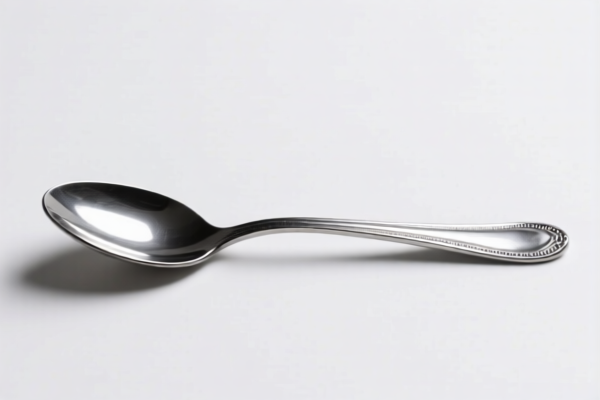
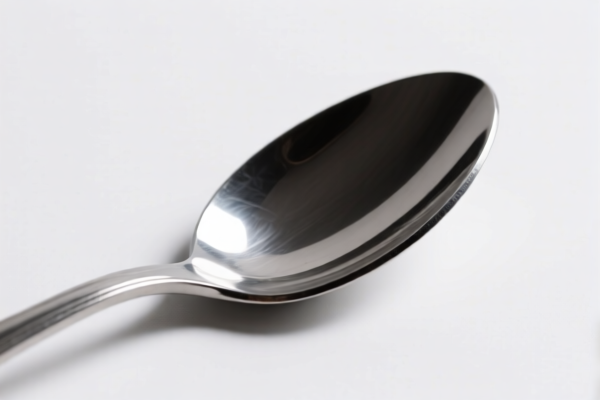
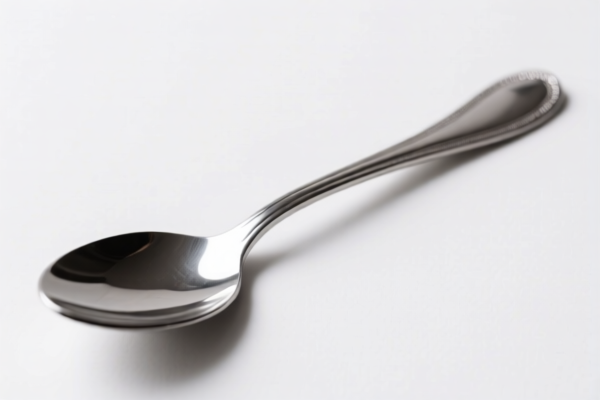

AI Analysis
🥄 Animal Spoon (Spoons and Ladles)
🌐 HS Code Reference & Customs Clearance Guide | 2026 Latest Tariff Analysis | Professional Entry Strategy
📌 I. Product Definition & Classification: What Exactly is an "Animal Spoon"?
In the context of international trade, "Animal Spoon" typically refers to spoons, ladles, or similar kitchen/tableware items shaped like animals or intended for feeding animals (pets/livestock), but classified under the general heading of base metal cutlery.
The key distinction lies in the material and plating: 1. Plated with Precious Metal: If the base metal (e.g., stainless steel, iron) is electroplated with gold, silver, or platinum, it falls under a specific subheading for "Plated with precious metal." 2. Base Metal (Unplated/Standard): If it is made of base metal without precious metal plating (or plated with non-precious metals), it falls under the "Other" category.
⚠️ Critical Distinction:
- If the spoon is plated with precious metal (e.g., silver-plated animal-shaped spoon) → HS Code: 8215.91.60.00
- If the spoon is base metal, NOT plated with precious metal (e.g., standard stainless steel or zinc alloy animal spoon) → HS Code: 8215.99.45.00
📦 II. HS Code Classification Details (2026 Tariff Authority Cross-Reference)
| HS Code | Product Description | Material/Plating Status | Tax Rate (Base + Additional) | Total Tax |
|---|---|---|---|---|
8215.91.60.00 |
Spoons and ladles; base metal; Plated with precious metal | Precious Metal Plating (Gold/Silver/Platinum) | Base: 0.0% Additional: 0.0% |
0.0% |
8215.99.45.00 |
Spoons and ladles; base metal; Other (Not plated with precious metal) | Base Metal (Stainless Steel, Iron, Zinc, etc.) No Precious Plating |
Base: 0.0% Additional: 7.5% |
7.5% |
🔍 Key Reminder:
- "Animal" shape does not change the HS code classification in Chapter 82. The determining factor is material and plating.
- If the item is made of porcelain, plastic, or glass, it belongs to different chapters (e.g., 6911 for porcelain, 3924 for plastics). See Section III below if your "Animal Spoon" is not metal.
💰 III. Tariff Rate Analysis in Detail (Including Add-ons & Policy Surcharges)
✅ Applicable Country: United States (US)
✅ Country of Origin: China (CN)
✅ Effective Date: 2025 onwards (Current US Tariff Structure)
🎯 1. 8215.91.60.00 —— Spoons/Ladles Plated with Precious Metal
| Item | Content |
|---|---|
| Base Tariff | 0.0% |
| Section 301 / IEEPA Additional Tariff | 0.0% |
| Total Tariff | 0.0% |
| Tax Calculation | CIF Value × 0% |
| De Minimis Exemption | ❌ Not Applicable (Zero rate, but subject to scrutiny) |
| Legal Basis | HTSUS 8215.91.60.00 |
📌 Explanation:
- Items plated with precious metals (like silver-plated spoons) often benefit from zero base tariffs.
- Currently, no Section 301 or IEEPA surcharge applies to this specific precious-metal-plated subheading.
- Result: 0% Total Tax. This is a zero-tariff advantage for precious-plated cutlery.
🎯 2. 8215.99.45.00 —— Other Spoons and Ladles (Base Metal, Non-Precious)
| Item | Content |
|---|---|
| Base Tariff | 0.0% |
| Section 301 / IEEPA Additional Tariff | 7.5% |
| Total Tariff | 7.5% |
| Tax Calculation | CIF Value × 7.5% |
| De Minimis Exemption | ❌ Not Eligible (Subject to additional duties) |
| Legal Basis | HTSUS 8215.99.45.00 → Subject to IEEPA Footnotes |
📌 Explanation:
- Standard base metal spoons (even if "animal-shaped") are subject to Section 301 tariffs due to their origin (China).
- Base rate is 0%, but an additional 7.5% is imposed.
- Result: 7.5% Total Tax. This is a moderate tariff, significantly lower than electronics or textiles, but still a cost factor.
⚠️ IV. Clarification on Non-Metal "Animal Spoons" (Porcelain/Plastic)
If your "Animal Spoon" is NOT made of base metal, it falls under different HS Codes with different tax implications:
| HS Code | Material | Description | Total Tax |
|---|---|---|---|
6911.10.41.00 |
Porcelain/China | Steins, candy boxes, etc. (if animal-shaped porcelain tableware) | 6.3% |
6911.10.80.10 |
Porcelain/China | Other suitable for food/drink contact | 28.3% (Base 20.8% + 7.5%) |
3924.10.40.00 |
Plastic | Tableware/Kitchenware (Other) | 3.4% |
3924.10.20.00 |
Plastic | Plates, cups, bowls, serving dishes | 14.0% (Base 6.5% + 7.5%) |
📌 Note:
- Plastic items (3924) are subject to Section 301 additional tariffs (7.5% on top of base rates).
- Porcelain items (6911) may also face additional tariffs depending on the specific subheading.
🛠️ V. Customs Clearance Practical Advice (Real-World Pitfall Guide)
✅ 1. Documentation Checklist (Essential for Metal Cutlery)
| Document | Required | Purpose |
|---|---|---|
| ✅ Product Specifications | ✔️ | Confirm material (e.g., "Stainless Steel 304" vs. "Silver-Plated Zinc") |
| ✅ Plating Certificate | ✔️ | If claiming 8215.91.60.00, provide proof of precious metal plating (thickness, type) |
| ✅ Product Photos | ✔️ | Show "Animal" shape, but also label/branding |
| ✅ Commercial Invoice | ✔️ | Clearly state "Stainless Steel Spoons, Animal Shape" or "Silver-Plated Spoons" |
| ✅ Packing List | ✔️ | Net weight, gross weight, item count |
🔥 Golden Rule:
"Material & Plating Define the Code, Not the Shape!"
- Do NOT claim8215.91.60.00(0% tax) for a zinc-alloy spoon just because it's shiny.
- Do NOT claim8215.99.45.00(7.5% tax) for a silver-plated spoon.
✅ 2. Declaration Tips (Critical for Avoiding Penalties)
| Scenario | Correct Declaration | Incorrect Declaration | Consequence |
|---|---|---|---|
| Stainless Steel Animal Spoon | 8215.99.45.00 (Base Metal, Other) |
8215.91.60.00 |
Under-valuation + Penalty (0% vs 7.5%) |
| Silver-Plated Animal Spoon | 8215.91.60.00 (Plated with Precious Metal) |
8215.99.45.00 |
Over-valuation (7.5% vs 0%) |
| Plastic Animal Spoon | 3924.10.40.00 or 3924.10.20.00 |
8215.99.45.00 |
Misclassification (Wrong Chapter) |
| Porcelain Animal Spoon | 6911.10.41.00 or 6911.10.80.10 |
8215.99.45.00 |
Wrong Material Classification |
📌 Key Takeaway:
- If the item is plated with precious metal, you MUST provide a plating certificate from a lab or manufacturer to justify the 0% rate.
- If it’s base metal, declare accurately as8215.99.45.00and budget for 7.5% tax.
🌍 VI. Global Market Comparison (2026)
| Market | Recommended HS Code (Metal) | Tariff (China Origin) | Notes |
|---|---|---|---|
| 🇺🇸 USA | 8215.91.60.00 (Precious) / 8215.99.45.00 (Other) |
0% / 7.5% | Section 301 applies to base metal only |
| 🇪🇺 EU | 8215.91.60.00 / 8215.99.45.00 |
0% / 0% | No Section 301 equivalent; base rates often 0% |
| 🇨🇳 China | 8215.91.60.00 / 8215.99.45.00 |
0% / 0% | Import tariffs may be 0% for cutlery |
| 🇬🇧 UK | 8215.91.60.00 / 8215.99.45.00 |
0% / 0% | Post-Brexit, many cutlery items are 0% |
📌 Conclusion:
- USA is the only major market with a 7.5% surcharge on base metal cutlery from China.
- Precious-metal-plated items (0%) are tariff-free globally, making them ideal for export to the US.
📌 VII. Common Errors & Pitfalls (Lessons Learned)
❌ Error 1: Claiming 8215.91.60.00 (0%) for a nickel-plated or chrome-plated spoon.
👉 Result: Customs rejects the claim, assesses 7.5% tax + penalties.
👉 Fix: Only precious metals (gold, silver, platinum) qualify for 0%.
❌ Error 2: Declaring "Animal Spoon" without specifying material.
👉 Result: Customs assigns highest default rate (often 14.5% or more).
👉 Fix: Always specify "Stainless Steel" or "Silver-Plated".
❌ Error 3: Confusing "Animal Spoon" with "Pet Feeding Bowl" (which may be classified under 7323 or 3924).
👉 Result: Wrong HS code, delayed clearance.
👉 Fix: Ensure the item is hand-held utensil (spoon/fork/ladle) for Chapter 82.
🎯 VIII. Conclusion: Professional Declaration for Maximum Savings
🎯 Remember the Formula:
🔹 "Precious Plating = 0% Tax"
🔹 "Base Metal = 7.5% Tax"
🔹 "Shape (Animal) = Irrelevant for HS Code"
✅ Correct Declaration Example:
"Stainless Steel Spoons, Animal Shape, for Kitchen Use, HS 8215.99.45.00"
"Silver-Plated Spoons, Animal Shape, for Dining Use, HS 8215.91.60.00"
📌 Pro Tip:
If you are exporting silver-plated animal spoons to the US, ensure you have documentation proving precious metal plating to benefit from the 0% tariff. For standard stainless steel spoons, budget for 7.5% and consider bulk shipping to amortize costs.
📣 Action Plan:
📞 Consult Customs Broker for plating verification.
📄 Prepare Material Certificates for precious metal claims.
📦 Mark Packages Clearly with correct HS Code and description.
✨ Precision in Classification, Profit in Clearance!
💼 Your spoon, your tax rate, your choice!
Customer Reviews
About HS Code Classification
The Harmonized System (HS) is an internationally standardized nomenclature developed by the World Customs Organization (WCO) to classify traded products. Over 200 countries use the HS system as the basis for customs tariffs, trade statistics, and import/export regulations.
Each HS code follows a hierarchical structure:
- Chapter (2 digits) — Broad category of goods (e.g., Chapter 84: Machinery and Mechanical Appliances)
- Heading (4 digits) — More specific grouping within the chapter
- Subheading (6 digits) — Internationally standardized breakdown, used by all WCO member countries
- National subdivisions (8-10 digits) — Country-specific extensions for further classification, such as US HTSUS 10-digit codes
Correct HS code classification is essential for smooth customs clearance, accurate duty payment, and compliance with trade regulations. Misclassification can lead to customs delays, overpayment of duties, or penalties.
When importing from CN to US, the applicable tariff rates may include:
- Most-Favored-Nation (MFN) rate — The standard duty rate applied to WTO members
- General rate — Applied to countries without trade agreements
- Trade remedy duties — Additional tariffs such as Section 301 (anti-dumping), Section 232 (national security), or countervailing duties
The information provided on this page is for reference purposes only. For official classification, please consult with your local customs authority or a licensed customs broker.