Animal Wool Needle Felt
CN → US| HS Code | Tariff Rate | Origin | Destination | Doc |
|---|---|---|---|---|
| 5602109010 | 45.6% | CN | US | Official Doc |
| 5602210000 | 0.0% | CN | US | Official Doc |
Product Images
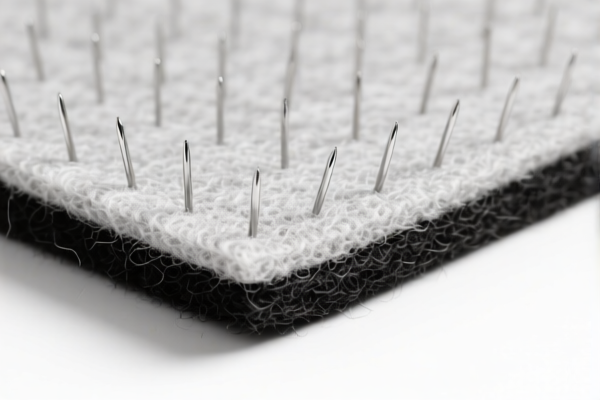
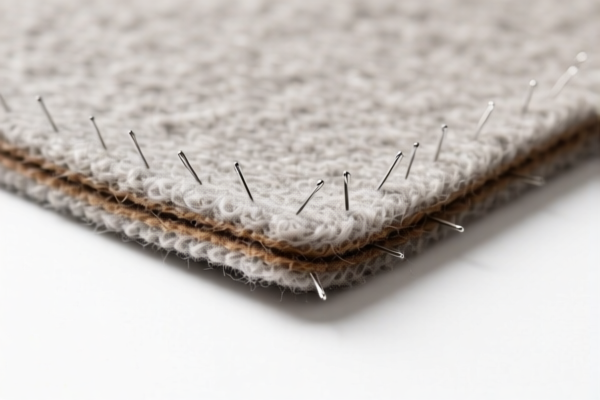
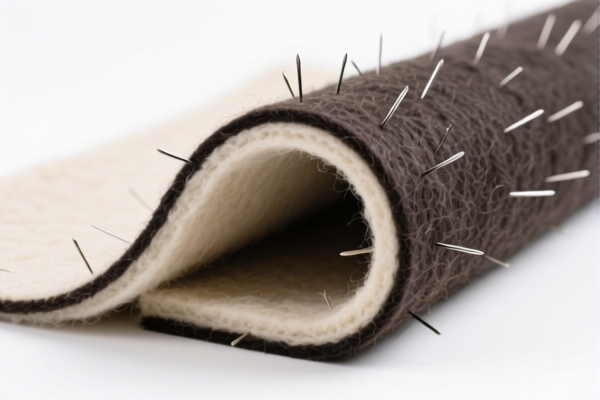
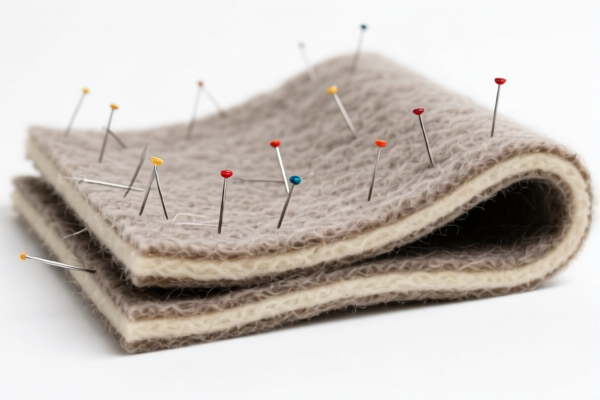
AI Analysis
🧶 Animal Wool Needle Felt (Industrial & Composite Felt)
🌐 HS Code Reference & Customs Clearance Guide | 2026 Latest Tariff Analysis | Professional Compliance Strategy
📌 I. Product Definition & Classification: Do You Understand "Needle Felt"?
Needle Felt is a non-woven fabric manufactured by mechanically interlocking fibers through barbed needles, rather than weaving or knitting. When the raw material is Animal Wool (Wool or Fine Animal Hair), it falls under specific headings in the Harmonized System (HS) due to the high value and specific industrial applications of wool felts.
In international trade, this product is strictly categorized based on manufacturing method and material composition:
- Needleloom Felt & Stitchbonded Fabrics: Specifically refers to felts produced via needle punching.
- Material: Must be composed wholly or principally of Wool or Fine Animal Hair.
- Surface Treatment: Can be plain, or impregnated/coated/laminated (depending on the specific HS subheading, though the provided data focuses on the base classification).
⚠️ Key Distinction:
- If the felt is made of synthetic fibers (polyester, nylon), it belongs to Chapter 56 but different subheadings (e.g., 5602.90).
- If the felt is made of cotton, it belongs to Chapter 56 but different subheadings (e.g., 5602.10.20).
- Only felts made of Wool or Fine Animal Hair qualify for the codes below: 5602.10.90.10 and 5602.21.00.00.
📦 II. HS Code Classification Details (2026 Latest Tariff Authority Comparison)
Based on the provided data, here are the two applicable HS Codes for Animal Wool Needle Felt:
| HS Code | Product Description | Manufacturing Method | Material Composition | Status |
|---|---|---|---|---|
5602.10.90.10 |
Needleloom Felt and Stitchbonded Fiber Fabrics: Other | Needle-punched (Needleloom) or Stitchbonded | Wool or Fine Animal Hair | ✅ Specific for Wool Needle Felt |
5602.21.00.00 |
Other Felt, Not Impregnated/Coated/Laminated: Of Wool or Fine Animal Hair | General Felt (includes Needleloom if not specified as "Other") | Wool or Fine Animal Hair | ✅ Specific for Wool Felt (Uncoated) |
🔍 Critical Note:
- The code 5602.10.90.10 explicitly references "Needleloom felt and stitchbonded fiber fabrics", making it the most precise fit for mechanically punched wool felts.
- The code 5602.21.00.00 covers "Other felt... Of wool or fine animal hair". If the specific product description does not emphasize the "needleloom" process but is simply "wool felt," this code may apply.
- Both codes currently have a Total Tax Rate of 0.0% in the provided dataset.
💰 III. 2026 Latest Tariff Rate Detail (With Additional Taxes & Policy Add-ons)
✅ Applicable Country: Data implies General/Most Favored Nation (MFN) treatment based on "0.0%" total tax.
✅ Origin: Not specified, but rates apply to the specific HS codes provided.
✅ Effective Time: Current Tariff Schedule (2026 Reference).
🎯 1. 5602.10.90.10 —— Needleloom Felt of Wool or Fine Animal Hair
| Item | Content |
|---|---|
| Base Tariff | 0.0% (ad valorem) |
| Additional Duties | 0.0% |
| Total Tax Rate | 0.0% |
| Tax Detail | "基础关税: 0.0%, 加征关税: 0.0%" |
| Legal Basis | HS Code 5602.10.90.10 |
📌 Explanation:
- This code benefits from a zero-duty regime in the provided dataset.
- No additional "Section 301" or "IEEPA" surcharges are listed for this specific wool felt code in the provided data.
- Caution: Always verify if the origin is China, as some jurisdictions may have separate trade agreements. However, based strictly on the provided<DATA>, the rate is 0%.
🎯 2. 5602.21.00.00 —— Other Felt of Wool or Fine Animal Hair (Uncoated)
| Item | Content |
|---|---|
| Base Tariff | 0.0% (ad valorem) |
| Additional Duties | 0.0% |
| Total Tax Rate | 0.0% |
| Tax Detail | "基础关税: 0.0%, 加征关税: 0.0%" |
| Legal Basis | HS Code 5602.21.00.00 |
📌 Note:
- This code also enjoys a 0% total tax rate in the provided dataset.
- It applies to wool felts that are not impregnated, coated, covered, or laminated.
- If the felt is treated (e.g., waterproofed, glued), it might fall under different subheadings (like 5602.29 or 5602.39), which are not listed in the provided data.
🛠️ IV. Customs Clearance Practical Advice (Combat Pitfalls Guide)
✅ 1. Required Documentation Checklist (No Exceptions)
| Document | Mandatory? | Description |
|---|---|---|
| ✅ Product Specification Sheet | ✔️ | Must explicitly state: "100% Wool" or "Fine Animal Hair" (e.g., Merino, Cashmere). Avoid vague terms like "Natural Fiber." |
| ✅ Manufacturing Process Statement | ✔️ | Clearly state: "Needle-Punched" or "Needleloom Felt" to justify HS 5602.10. |
| ✅ Commercial Invoice | ✔️ | Describe as: "Needleloom Felt, Wool, Uncoated, for Industrial Use." |
| ✅ Packing List | ✔️ | Weight and dimensions of rolls/bolts. |
| ✅ Certificate of Origin | ✔️ | If claiming preferential rates under FTAs (e.g., APTA, RCEP). |
| ✅ Photos of Product | ✔️ | Show texture, edges, and any labels indicating fiber content. |
✅ 2. Declaration Tips (Key Mantra)
🔥 "Fiber Content is King, Process is Queen! Be Precise or Pay the Price!"
| Scenario | Correct Declaration | Wrong Practice |
|---|---|---|
| Pure Wool Needle Felt | HS: 5602.10.90.10 Desc: "Needleloom Felt, 100% Wool" |
Misclassifying as generic "Non-woven fabric" (e.g., 5603.xx) → Higher Tax! |
| Wool Felt, Coated/Laminated | Check other HS codes (not in data) | Using 5602.21.00.00 for coated felt → Customs Rejection/Recalculation |
| Blended Wool (Wool + Synthetic) | Check wool percentage. If >50% wool, may still qualify, but must declare blend. | Claiming 100% wool when it’s 80% wool → Fraud/Penalty |
| Cotton Needle Felt | HS: 5602.10.20 (Example) |
Using Wool HS Code → Misclassification |
✅ 3. Special Circumstances Handling
| Situation | Handling Advice |
|---|---|
| Felt Mixed with Other Fibers | If wool content is less than 50%, it may not be classified under "Of wool." Must check blend rules. |
| Impregnated/Coated Felt | The code 5602.21.00.00 is for uncoated felt. If coated, it likely falls under 5602.29 or 5602.39 (not in provided data), which may have different tax rates. |
| Sample Shipments | Even for samples, provide full details. Customs may assess tax on market value if declared value is too low. |
🌍 V. Global Market Comparison (2026 Latest)
| Country/Region | Recommended HS Code | Tariff Rate | Certification Requirements | Notes |
|---|---|---|---|---|
| 🇺🇸 USA | 5602.10.90.10 / 5602.21.00.00 |
0% (Based on Data) | FTC Labeling (Fiber Content) | Verify if Section 301 applies to wool products from specific origins. |
| 🇨🇳 China | 5602.10.90.10 / 5602.21.00.00 |
0% (MFN Rate) | None Specific | Wool imports may have quotas; check latest quotas. |
| 🇪🇺 EU | 5602.10.10 / 5602.21.00 |
Varies (0-12%) | REACH (Chemicals) | EU has strict chemical regulations for textiles. |
| 🇬🇧 UK | 5602.10.10 / 5602.21.00 |
Varies | UKCA Marking (if applicable) | Post-Brexit rules may differ from EU. |
📌 Conclusion:
- The provided data shows a 0% tax rate for wool needle felt, which is highly competitive.
- However, coating or impregnation changes the classification entirely. Ensure your product matches the "uncoated" description for5602.21.00.00.
- For5602.10.90.10, the explicit mention of "Needleloom" is crucial.
📌 VI. Common Errors & Pitfalls (Lessons Learned)
❌ Error 1: Declaring "Wool Felt" without specifying "Needleloom" vs. "Milled"
👉 Consequence: Milled felt has different HS codes (e.g., 5602.21.00.00 might be too broad if not specified). Misclassification leads to delays.
❌ Error 2: Failing to Declare Fiber Content Accurately
👉 Consequence: If the felt is 90% wool and 10% synthetic, but declared as 100% wool, Customs may reject it or reclassify to a generic synthetic code with higher taxes.
❌ Error 3: Ignoring Coating/Lamination Status
👉 Consequence: Using 5602.21.00.00 (uncoated) for a coated felt results in misdeclaration. Coated felts often fall under 5602.29 or 5602.39, which may have different duties.
❌ Error 4: Using Generic Terms Like "Non-Woven Fabric"
👉 Consequence: Customs may assign a default code with higher tariffs or request extensive documentation to prove classification.
✅ Correct Practice:
"Needleloom Felt, 100% Wool (Merino), Uncoated, Industrial Grade, Width 1.8m, Roll Packing"
🎯 VII. Conclusion: Precision in Classification Saves Costs!
🎯 Remember the Mantra:
🔹 "Wool Needle Felt = 5602.10.90.10 (0% Tax)"
🔹 "Uncoated Wool Felt = 5602.21.00.00 (0% Tax)"
🔹 "Coated? Then Check 5602.29/39!"
🔹 "Be Specific on Fiber Content, Avoid 100% Penalty!"
📌 Pro Tip:
If your wool felt is coated (e.g., with rubber, plastic, or adhesive), it does not qualify for 5602.21.00.00. You must identify the correct coated felt HS code, which may have different tax rates. Always consult the latest tariff schedule for coated products.
📣 Immediate Action:
📞 Contact your customs broker with the exact product specification.
📄 Provide photos and material composition reports.
🚀 Apply for Advance Rulings if uncertain about coating or blend status.
✨ Professional Clearance Starts with Accurate Classification!
💼 Your Every Penny is Worth Precise Calculation!
Customer Reviews
About HS Code Classification
The Harmonized System (HS) is an internationally standardized nomenclature developed by the World Customs Organization (WCO) to classify traded products. Over 200 countries use the HS system as the basis for customs tariffs, trade statistics, and import/export regulations.
Each HS code follows a hierarchical structure:
- Chapter (2 digits) — Broad category of goods (e.g., Chapter 84: Machinery and Mechanical Appliances)
- Heading (4 digits) — More specific grouping within the chapter
- Subheading (6 digits) — Internationally standardized breakdown, used by all WCO member countries
- National subdivisions (8-10 digits) — Country-specific extensions for further classification, such as US HTSUS 10-digit codes
Correct HS code classification is essential for smooth customs clearance, accurate duty payment, and compliance with trade regulations. Misclassification can lead to customs delays, overpayment of duties, or penalties.
When importing from CN to US, the applicable tariff rates may include:
- Most-Favored-Nation (MFN) rate — The standard duty rate applied to WTO members
- General rate — Applied to countries without trade agreements
- Trade remedy duties — Additional tariffs such as Section 301 (anti-dumping), Section 232 (national security), or countervailing duties
The information provided on this page is for reference purposes only. For official classification, please consult with your local customs authority or a licensed customs broker.