Animal or Vegetable Fats and Oils
CN → US| HS Code | Tariff Rate | Origin | Destination | Doc |
|---|---|---|---|---|
| 1517902080 | 25.5% | CN | US | Official Doc |
| 1517100000 | 0.0% | CN | US | Official Doc |
| 1501100000 | 0.0% | CN | US | Official Doc |
| 1501200040 | 0.0% | CN | US | Official Doc |
Product Images
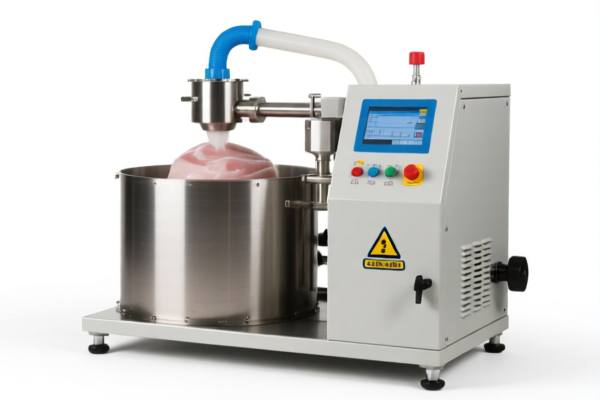
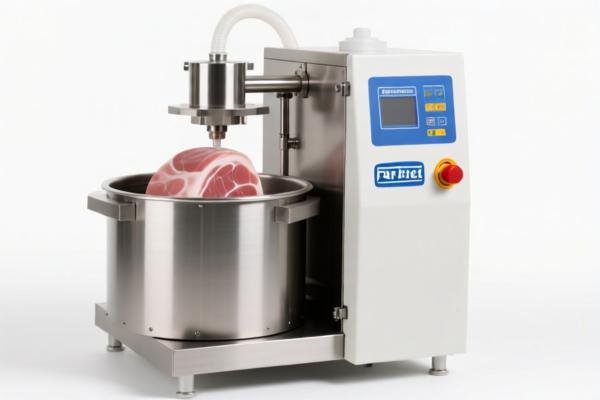
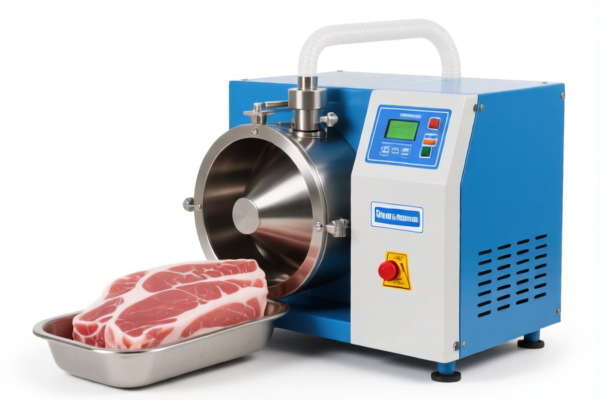
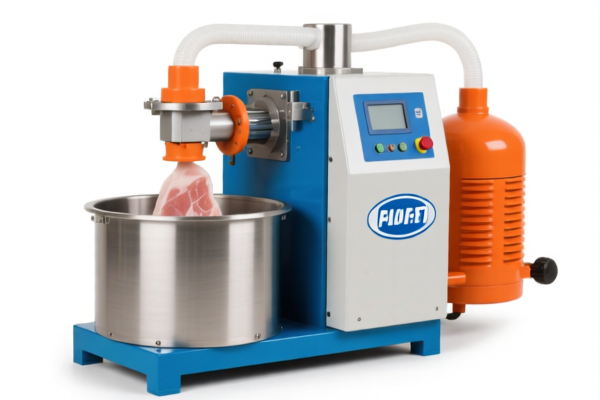
AI Analysis
🧈 Animal Fats and Oils (Animal/Vegetable Fats and Oils)
🌐 HS Code Reference & Customs Clearance Guide | 2026 Latest Tariff Analysis | Professional Strategy for "Animal Oils"
📌 I. Product Definition & Classification: What is "Animal Oil"?
Animal Fats and Oils are lipid substances derived from animal tissues (such as pork, poultry, or other mammals). In international trade, they are primarily categorized under Chapter 15 of the Harmonized System. However, the specific HS Code depends heavily on the source of the fat (e.g., pig vs. other animals) and the processing state (e.g., unrefined, refined, or mixed).
⚠️ Key Distinction:
- If the product is Pig Fat or Poultry Fat → It generally falls under Heading 1501.
- If the product is a Mixture or Other Animal Fat (not specified elsewhere) → It may fall under Heading 1517 (Margarine/Edible Fats) as a residual category, depending on formulation.
📦 II. HS Code Classification Details (Based on Provided Data)
According to the provided <DATA>, four potential HS Codes are identified. Here is the detailed breakdown:
| HS Code | Product Description | Source/Type | Tax Rate (Total) | Tax Detail Breakdown |
|---|---|---|---|---|
1501.10.00.00 |
Pig Fat and Poultry Fat | Pig Fat | 3¢/kg + 17.5% | Base: 3¢/kg Section 301: 7.5% 122 Provisions: 10% |
1501.20.00.40 |
Other Pig Fat / Residuals | Pig Fat (Other) | 3¢/kg + 17.5% | Base: 3¢/kg Section 301: 7.5% 122 Provisions: 10% |
1517.10.00.00 |
Edible Fats and Oils, Animal or Vegetable | General Animal Fat | 12.3¢/kg + 17.5% | Base: 12.3¢/kg Section 301: 7.5% 122 Provisions: 10% |
1517.90.20.80 |
Other Preparations of Fats | Mixture/Other | 25.5% | Base: 8.0% Section 301: 7.5% 122 Provisions: 10% |
🔍 Critical Note:
- Heading 1501 is for specific animal fats (primarily pig fat).
- Heading 1517 covers margarine and edible fats/oils not elsewhere specified. The provided data suggests that for general "Animal Oils" or mixtures where the specific source isn't clearly pig/poultry, or if it's a processed mixture, it may fall under 1517.
- Tax Structure: All codes include Section 301 Tariffs (7.5%) and 122 Provisions Tariffs (10%), indicating these are likely imports into the USA from China.
💰 III. 2026 Latest Tariff Rate Details (Including Additional Taxes)
✅ Applicable Country: USA (US)
✅ Origin: China (CN) (Inferred from Section 301 & 122 Provisions)
✅ Effective Time: Current (2025-2026 Period)
🎯 1. 1501.10.00.00 & 1501.20.00.40 — Pig Fat & Poultry Fat (Specific Sources)
These codes apply if the product is clearly identifiable as pig fat (lard) or poultry fat.
| Item | Content |
|---|---|
| Base Tariff | 3¢/kg (Specific Duty) |
| Section 301 Tariff | +7.5% (Ad Valorem) |
| 122 Provisions Tariff | +10% (Ad Valorem) |
| Total Effective Tax | 17.5% + 3¢/kg |
| Calculation Method | (CIF Value × 17.5%) + (Weight in kg × $0.03) |
| De Minimis Exemption | ❌ Not Applicable (High tax rate prevents this) |
| Legal Basis | USITC HTSUS 1501 + Footnotes for Section 301 & 122 |
📌 Interpretation:
- This is the lowest tax rate among the options, but it requires strict proof that the product is specifically pig fat or poultry fat.
- If the customs officer determines the product is not strictly pig/poultry fat, this code will be rejected.
🎯 2. 1517.10.00.00 — Edible Fats and Oils (General Animal/Vegetable)
This code applies if the product is a general edible animal fat (e.g., beef tallow, sheep fat) or a mixture that doesn't fit the specific "pig/poultry" categories.
| Item | Content |
|---|---|
| Base Tariff | 12.3¢/kg (Specific Duty) |
| Section 301 Tariff | +7.5% (Ad Valorem) |
| 122 Provisions Tariff | +10% (Ad Valorem) |
| Total Effective Tax | 17.5% + 12.3¢/kg |
| Calculation Method | (CIF Value × 17.5%) + (Weight in kg × $0.123) |
| De Minimis Exemption | ❌ Not Applicable |
| Legal Basis | USITC HTSUS 1517.10 + Footnotes |
📌 Interpretation:
- The specific duty (12.3¢/kg) is significantly higher than for pig fat (3¢/kg).
- This is a safer classification if the exact animal source is ambiguous, but it costs more.
🎯 3. 1517.90.20.80 — Other Preparations of Fats (Mixture/Residual)
This is a "catch-all" code for animal vegetable fats and oils not elsewhere specified, often used for mixtures or processed animal fats that don't fit the precise definitions of 1501 or 1517.10.
| Item | Content |
|---|---|
| Base Tariff | 8.0% (Ad Valorem) |
| Section 301 Tariff | +7.5% (Ad Valorem) |
| 122 Provisions Tariff | +10% (Ad Valorem) |
| Total Effective Tax | 25.5% |
| Calculation Method | CIF Value × 25.5% |
| De Minimis Exemption | ❌ Not Applicable |
| Legal Basis | USITC HTSUS 1517.90 + Footnotes |
📌 Interpretation:
- This code has no specific duty, only ad valorem taxes.
- It is used when the product is a mixture or preparation of fats. The provided summary states: "Animal oil... matches the material attribute of 'artificial mixed oils'... classified under 'Other' as a residual category."
- Use this if the product is a blend or processed fat preparation.
🛠️ IV. Customs Clearance Practical Advice (Pitfall Avoidance Guide)
✅ 1. Essential Documentation Checklist
| Document | Required? | Description |
|---|---|---|
| ✅ Product Specification Sheet | ✔️ | Must clearly state the source of fat (e.g., "Pig Fat," "Beef Tallow," "Poultry Fat") and processing method (rendered, refined, etc.). |
| ✅ Certificate of Origin (CO) | ✔️ | Proof of origin is critical for calculating Section 301 and 122 tariffs. |
| ✅ Ingredient List / Composition | ✔️ | For 1517 codes, proof that it is a "mixture" or "preparation" is needed. |
| ✅ Commercial Invoice | ✔️ | Must match the HS Code description exactly. Avoid vague terms like "Oil"; use "Pig Fat" or "Edible Animal Fat." |
| ✅ Packaging List | ✔️ | Net weight must be precise to calculate specific duties (3¢/kg or 12.3¢/kg). |
✅ 2. Declaration Tips (Key Mantras)
🔥 "Source First, Code Second; Pig/Poultry is Cheapest!"
| Scenario | Correct HS Code | Reason |
|---|---|---|
| Product is Clearly Pig Fat | 1501.10.00.00 |
Lowest tax (3¢/kg + 17.5%). High accuracy required. |
| Product is Clearly Poultry Fat | 1501.10.00.00 |
Same as above. |
| Product is Beef/Lamb/Other Animal Fat | 1517.10.00.00 |
Not covered by 1501. Higher specific duty (12.3¢/kg). |
| Product is a Mixture/Blend | 1517.90.20.80 |
Residual category. No specific duty, but higher ad valorem (25.5%). |
✅ 3. Special Considerations
| Situation | Advice |
|---|---|
| Unclear Source | If the supplier cannot guarantee the fat is pig/poultry, do not use 1501. Use 1517.10.00.00 to avoid penalties for misclassification. |
| Mixed Animal & Vegetable Oils | Falls under 1517. The provided data suggests 1517.90.20.80 for mixtures. |
| Weight Accuracy | Since 1501 and 1517.10 have specific duties (¢/kg), any error in weight declaration can lead to underpayment penalties. Ensure precise net weight on the invoice. |
🌍 V. Global Market Comparison (2026)
| Country/Region | Recommended HS Code | Approx. Tariff | Notes |
|---|---|---|---|
| 🇺🇸 USA | 1501.10.00.00 (if pig fat) |
17.5% + 3¢/kg | Subject to Section 301 & 122 Provisions. |
| 🇨🇳 China | 1501.10.00.00 |
~6-9% | Different tariff structure; no Section 301. |
| 🇪🇺 EU | 1501.10.00.00 |
~0-9% | Varies by product type; generally lower than US for animal fats. |
📌 Conclusion:
- The USA imposes significant additional tariffs (Section 301 + 122 Provisions) on Chinese-origin animal fats.
- Misclassification is risky: Using1501for non-pig fat can result in back taxes + penalties.
- Accurate Source Declaration is the key to minimizing costs.
📌 VI. Common Errors & Pitfalls
❌ Error 1: Declaring Beef Tallow as Pig Fat (1501.10.00.00)
👉 Consequence: Customs will reclassify to 1517, charging 12.3¢/kg + 17.5% instead of 3¢/kg. Back taxes + penalties!
❌ Error 2: Using 1517.90.20.80 for Pure Pig Fat
👉 Consequence: You will pay 25.5% instead of 17.5% + 3¢/kg. Unnecessary cost increase!
❌ Error 3: Vague Description "Animal Oil" on Invoice
👉 Consequence: Customs may reject the declaration or apply the highest possible tariff. Always specify the source!
✅ Correct Practice:
"Pig Fat, Rendered, Pure, Net Weight 1000kg, Origin: China" → Use
1501.10.00.00
"Edible Animal Fat Mixture, Beef & Poultry Blend" → Use1517.90.20.80or1517.10.00.00
🎯 VII. Conclusion: Precision Saves Money!
🎯 Remember the Rule:
🔹 "Pig/Poultry = 1501 (Cheapest)"
🔹 "Other/Blend = 1517 (Higher Cost)"
🔹 "Specific Duty (¢/kg) Means Weight Accuracy is Critical!"
📌 Pro Tip:
If you are importing mixed fats or uncertain of the source, consult with a customs broker to apply for a Binding Ruling before shipment. This avoids unexpected costs at the US port.
📣 Immediate Action:
📞 Confirm the exact animal source with your supplier.
📄 Update your Commercial Invoice to reflect the specific fat type.
🚀 Accurate declaration = Faster clearance + Lower taxes!
✨ Professional Clearance Starts with Precise Classification!
💼 Every cent counts in global trade!
Customer Reviews
About HS Code Classification
The Harmonized System (HS) is an internationally standardized nomenclature developed by the World Customs Organization (WCO) to classify traded products. Over 200 countries use the HS system as the basis for customs tariffs, trade statistics, and import/export regulations.
Each HS code follows a hierarchical structure:
- Chapter (2 digits) — Broad category of goods (e.g., Chapter 84: Machinery and Mechanical Appliances)
- Heading (4 digits) — More specific grouping within the chapter
- Subheading (6 digits) — Internationally standardized breakdown, used by all WCO member countries
- National subdivisions (8-10 digits) — Country-specific extensions for further classification, such as US HTSUS 10-digit codes
Correct HS code classification is essential for smooth customs clearance, accurate duty payment, and compliance with trade regulations. Misclassification can lead to customs delays, overpayment of duties, or penalties.
When importing from CN to US, the applicable tariff rates may include:
- Most-Favored-Nation (MFN) rate — The standard duty rate applied to WTO members
- General rate — Applied to countries without trade agreements
- Trade remedy duties — Additional tariffs such as Section 301 (anti-dumping), Section 232 (national security), or countervailing duties
The information provided on this page is for reference purposes only. For official classification, please consult with your local customs authority or a licensed customs broker.