Anti Snoring Ring
CN → US| HS Code | Tariff Rate | Origin | Destination | Doc |
|---|---|---|---|---|
| 9021908100 | 10.0% | CN | US | Official Doc |
| 9021100090 | 10.0% | CN | US | Official Doc |
| 6217109550 | 32.1% | CN | US | Official Doc |
| 6217108500 | 24.6% | CN | US | Official Doc |
| 9021908100 | 10.0% | CN | US | Official Doc |
Product Images
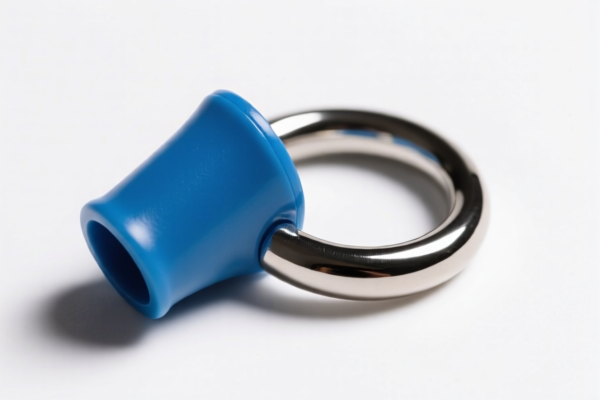
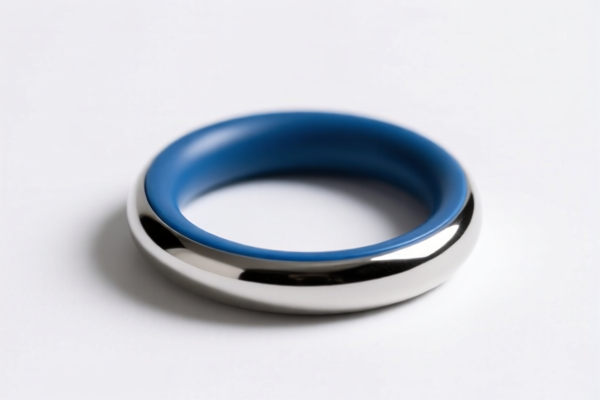
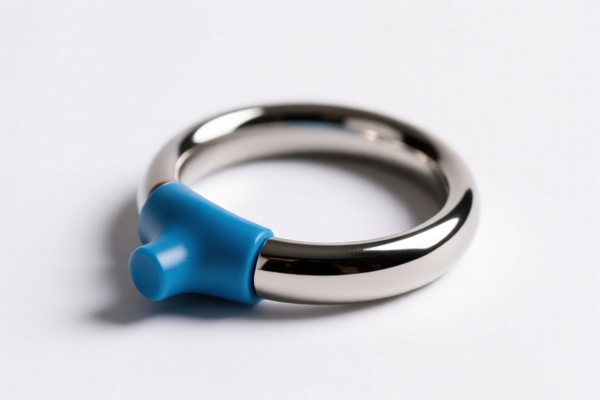
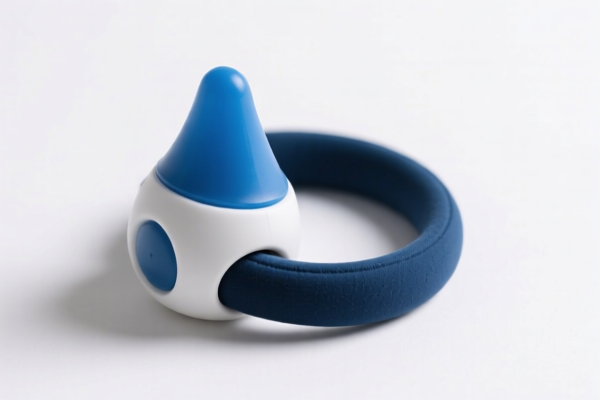
AI Analysis
🛑 Anti-Snoring Ring: HS Code Classification & Customs Clearance Guide (2026)
🌐 HS Code Reference & Customs Clearance Guide | 2026 Latest Tariff Analysis | Professional Entry Strategy
📌 I. Product Definition & Classification: What Exactly is an "Anti-Snoring Ring"?
An "Anti-Snoring Ring" (often referred to as a snoring ring or chin strap variant) is a device designed to mitigate snoring by adjusting jaw position, opening the airway, or stabilizing the mouth during sleep. In international trade, its classification is highly contentious because it straddles the line between Medical Devices, Orthopedic Appliances, and Clothing Accessories.
The correct HS Code depends heavily on the primary function, material composition, and marketing claims. Below are the four most likely classifications based on the provided data, ranging from medical appliances to textile accessories.
📦 II. HS Code Classification Details (2026 Latest Tariff Authority)
| HS Code | Product Description | Application Scenario | Tax Rate (Total) | Material/Logic |
|---|---|---|---|---|
9021.90.81.00 |
Orthopedic Appliances (Other devices for compensating defects) | Used to compensate for respiratory/sleep defects; wearable orthotic device. | 10.0% | Logical fit for "devices worn to compensate for defects." No material conflict. |
9021.10.00.90 |
Orthopedic Appliances (Other) | Medical device for treating Sleep Apnea (OSA); flexible material, not bone screws/plates. | 10.0% | Fits "Other" category for surgical/orthopedic instruments. Excludes metal implants. |
6217.10.95.50 |
Made-up Accessories of Apparel (Other) | Textile strap/band used to secure or assist wearing; classified as clothing accessory. | 32.1% | Textile material; acts as a fastener/aid for headgear. |
6217.10.85.00 |
Made-up Accessories of Apparel (Other) | Headband-like textile accessory for hair/heads; functional headwear accessory. | 24.6% | Textile/elastic material; worn on head; no conflict with apparel accessory category. |
🔍 Key Distinction:
- If the product is marketed as a Medical Device (e.g., treats Obstructive Sleep Apnea, FDA-cleared), it leans toward 9021.90.81.00 or 9021.10.00.90.
- If the product is marketed as a Wellness/Anti-Snoring Aid (non-medical, fabric/elastic band, worn like a headband), it leans toward 6217.10.95.50 or 6217.10.85.00.
💰 III. 2026 Latest Tariff Rate Details (Detailed Breakdown)
✅ Applicable Country: United States (US)
✅ Origin: China (CN)
✅ Effective Date: Post-2025 November 10 (Includes Section 301 & IEEPA tariffs)
🎯 1. 9021.90.81.00 & 9021.10.00.90 — Orthopedic Appliances (Medical/Therapeutic)
| Item | Content |
|---|---|
| Base Duty Rate | 0.0% (ad valorem) |
| USITC Additional Duty (Section 301) | +0.0% |
| IEEPA Additional Duty (Section 1230) | +10.0% (China-specific) |
| Total Effective Tax Rate | 10.0% |
| Calculation Basis | CIF Value × 10% |
| De Minimis Eligibility | ❌ No (High-value medical devices typically excluded from de minimis if clearly medical) |
| Legal Basis Path | IEEPA:9903.01.25 → USITC:9021.90.81.00 → FOOTNOTE:9903.88.01 |
📌 Explanation:
- Base Duty (0%): Orthopedic appliances generally enjoy zero base duty under HTSUS.
- IEEPA 10%: This is the critical cost driver. Under the International Emergency Economic Powers Act, specific Chinese-origin goods attract an additional 10% tariff.
- Section 301: Currently listed as 0.0% for these specific subheadings in the provided data (Note: Always verify current USITC lists as Section 301 tariffs can change).
- Why 10%? The logic is that while orthopedic devices are essential, the IEEPA tariff applies broadly to Chinese imports unless specifically exempted.
🎯 2. 6217.10.95.50 — Other Made-up Accessories of Apparel (Textile/Wellness)
| Item | Content |
|---|---|
| Base Duty Rate | 14.6% (ad valorem) |
| USITC Additional Duty (Section 301) | +7.5% |
| IEEPA Additional Duty (Section 1230) | +10.0% |
| Total Effective Tax Rate | 32.1% |
| Calculation Basis | CIF Value × 32.1% |
| De Minimis Eligibility | ⚠️ Check (Often eligible for de minimis if under $800, but medical claims may void this) |
| Legal Basis Path | USITC:6217.10.95.50 → IEEPA:9903.01.24 → Section 301: 7.5% |
📌 Explanation:
- Base Duty (14.6%): Textile accessories are taxed at a higher base rate than medical devices.
- Section 301 (7.5%): Apparel/textile accessories from China face specific 301 tariffs.
- IEEPA 10%: Applies universally to Chinese-origin goods unless exempted.
- Why 32.1%? This is the highest cost scenario. Misclassifying a medical device as a "textile band" can trigger these higher rates.
🎯 3. 6217.10.85.00 — Other Made-up Accessories of Apparel (Headwear/Hairbands)
| Item | Content |
|---|---|
| Base Duty Rate | 14.6% (ad valorem) |
| USITC Additional Duty (Section 301) | 0.0% |
| IEEPA Additional Duty (Section 1230) | +10.0% |
| Total Effective Tax Rate | 24.6% |
| Calculation Basis | CIF Value × 24.6% |
| De Minimis Eligibility | ⚠️ Check (Often eligible for de minimis if under $800) |
| Legal Basis Path | USITC:6217.10.85.00 → IEEPA:9903.01.24 |
📌 Explanation:
- Base Duty (14.6%): Same base as other textile accessories.
- Section 301 (0.0%): This specific subheading for "hairbands/headbands" may have a lower or zero 301 rate in the provided data (vs 7.5% for general accessories).
- IEEPA 10%: Still applies.
- Why 24.6%? A middle-ground scenario if the product is deemed a "headband" rather than a general "accessory."
🛠️ IV. Customs Clearance Practical Advice (Battle-Tested Pitfall Guide)
✅ 1. Documentation Checklist (Non-Negotiable)
| Document | Required | Description |
|---|---|---|
| ✅ Product Specification Sheet | ✔️ | Must clearly state function: "Anti-snoring aid" vs. "Medical device for OSA." |
| ✅ Material Composition | ✔️ | Specify % of textile, elastic, plastic, or metal. Crucial for 9021 vs. 6217 distinction. |
| ✅ Product Photos (Worn & Unworn) | ✔️ | Show how it is worn. Does it look like a ring, a strap, or a mask? |
| ✅ FDA Clearance (if applicable) | ✔️ | If claiming medical treatment for Sleep Apnea, FDA 510(k) clearance is mandatory. |
| ✅ Commercial Invoice | ✔️ | Must use precise language: "Anti-Snoring Device" or "Orthopedic Airway Appliance." |
| ✅ Origin Certificate (CO) | ✔️ | Required for claiming IEEPA exemptions (if any) or verifying Chinese origin. |
| ✅ Packing List | ✔️ | Detail contents clearly. Avoid "Miscellaneous Parts." |
✅ 2. Declaration Strategy (Key Mnemonics)
🔥 “Function Drives Code, Material Drives Duty!”
| Scenario | Correct HS Code | Tax Rate | Risk |
|---|---|---|---|
| Medical Device (Treats OSA, FDA-cleared) | 9021.90.81.00 or 9021.10.00.90 |
10% | ✅ Safe. Lowest duty. |
| Wellness Ring (Textile, non-medical claims) | 6217.10.95.50 |
32.1% | ⚠️ High duty. |
| Headband Style (Elastic, cosmetic/functional) | 6217.10.85.00 |
24.6% | ⚠️ Medium duty. |
📌 Critical Warning:
- If you declare a medical device as6217(textile) to save on duties, US Customs (CBP) will audit you. If they determine it’s a medical device, you will owe back taxes + penalties at the 10% rate, plus potential fines for misdeclaration.
- Conversely, if you declare a simple textile ring as9021, you may pay more than necessary (10% vs 32.1%? No, wait—10% is LOWER than 32.1%. So, if it IS a medical device,9021is CHEAPER. If it is NOT a medical device,6217is EXPENSIVE. Wait, let’s re-evaluate the logic below).🔍 Re-Evaluating Cost Logic:
- Medical Path (9021): 10% Total.
- Textile Path (6217): 24.6% - 32.1% Total.
- Conclusion: The Medical Classification (9021) is significantly cheaper (10% vs 24-32%).
- Strategic Advice: If your product can be legally justified as a medical/orthopedic device (e.g., it adjusts jaw position to open airways), YOU SHOULD DECLARE IT AS 9021 to save 14-22% in tariffs.
- Caveat: You MUST have the technical justification (functional design, not just cosmetic) to avoid FDA/CBP rejection.
✅ 3. Special Scenarios
| Scenario | Handling Advice |
|---|---|
| OEM/Private Label | Ensure the product description matches the design. If it’s a "ring" but marketed as a "chin strap," use the most accurate functional description. |
| Mixed Materials | If the ring has plastic hinges + textile strap, 9021 is still preferred if the primary function is medical/orthopedic. |
| De Minimis (Section 321) | If importing under $800 via express courier (e.g., FedEx/DHL): |
> - 9021 items are often excluded from de minimis if classified as medical devices. |
|
> - 6217 items may qualify for de minimis (0% duty) if not deemed medical. |
|
| > - Check with your broker: Misusing de minimis for medical devices is a common audit trigger. | |
| FDA Regulatory | If making therapeutic claims ("treats apnea"), you need FDA. If making general wellness claims ("reduces snoring"), you may fall under general wellness, allowing 6217 classification. |
🌍 V. Global Market Customs Comparison (2026 Latest)
| Country/Region | Recommended HS Code | Estimated Duty (CN Origin) | Certification | Notes |
|---|---|---|---|---|
| 🇺🇸 USA | 9021.90.81.00 |
10% | FDA (if medical) | IEEPA 10% applies. Lowest duty. |
| 🇺🇸 USA | 6217.10.95.50 |
32.1% | None | High duty due to textile + 301 + IEEPA. |
| 🇨🇳 China | 9021.90.81.00 |
0% | N/A | Import duty is 0%. |
| 🇪🇺 EU | 9021.90.90 |
0% | CE (if medical) | No IEEPA tariffs in EU. |
| 🇬🇧 UK | 9021.90.90 |
0% | UKCA (if medical) | Post-Brexit tariffs often favorable for medical devices. |
📌 Conclusion:
- The USA is the most complex market due to the叠加 (stacking) of IEEPA and Section 301 tariffs.
- Medical Classification (9021) is the cost-saving hero in the US market (10% vs 32%).
- Europe/UK are more favorable with 0% base duties for orthopedic devices.
📌 VI. Common Errors & Pitfall Guide (Lessons Learned)
❌ Error 1: Declaring a medical-grade snoring ring as a "Textile Headband" (6217) to avoid FDA.
👉 Consequence: CBP may reclassify it post-audit. If deemed medical, you pay 10% anyway, but you face penalties for misdeclaration. If not medical, you pay 32.1%. Bad outcome.
❌ Error 2: Declaring a textile ring as 9021 without medical justification.
👉 Consequence: CBP may question the medical nature. If rejected, they may apply 6217 rates (32.1%) + penalties. Risk of overpaying.
❌ Error 3: Ignoring IEEPA tariffs.
👉 Consequence: Assuming 0% duty for Chinese goods. Result: 10% surprise tax bill at customs.
❌ Error 4: Using vague descriptions like "Snoring Aid."
👉 Consequence: Customs cannot determine function. Result: Delayed clearance, manual examination, potential storage fees.
✅ Correct Practice:
“Anti-Snoring Orthopedic Jaw Adjustment Ring, Medical Device, Model XYZ, FDA-Cleared (if applicable), Contains Elastic Textile and Plastic Hinges”
🎯 VII. Conclusion: Strategic Declaration for Cost Optimization
🎯 Remember the Golden Rule:
🔹 “Medical = 10% (Cheaper in US). Textile = 24-32% (Expensive in US).”
🔹 “If it treats a defect, declare it as 9021. If it’s just a band, declare it as 6217—but expect higher taxes.”📌 Pro Tip:
If your product is a simple elastic ring with no mechanical adjustment, and you want to avoid FDA scrutiny, you might opt for6217.10.85.00(24.6%) as a compromise between cost and regulatory burden. However, if you have the technical specs to prove it adjusts jaw position for airway improvement,9021.90.81.00(10%) is the clear winner for cost savings in the US.
📣 Immediate Action:
📞 Consult a Customs Broker + Provide Technical Diagrams + Apply for Advance Ruling if importing large volumes.
🚀 Optimize your HS Code to save up to 22% in tariffs and ensure smooth clearance!
✨ Professional Clearance Starts with Precise Classification!
💼 Every dollar saved in duty is pure profit!
Customer Reviews
About HS Code Classification
The Harmonized System (HS) is an internationally standardized nomenclature developed by the World Customs Organization (WCO) to classify traded products. Over 200 countries use the HS system as the basis for customs tariffs, trade statistics, and import/export regulations.
Each HS code follows a hierarchical structure:
- Chapter (2 digits) — Broad category of goods (e.g., Chapter 84: Machinery and Mechanical Appliances)
- Heading (4 digits) — More specific grouping within the chapter
- Subheading (6 digits) — Internationally standardized breakdown, used by all WCO member countries
- National subdivisions (8-10 digits) — Country-specific extensions for further classification, such as US HTSUS 10-digit codes
Correct HS code classification is essential for smooth customs clearance, accurate duty payment, and compliance with trade regulations. Misclassification can lead to customs delays, overpayment of duties, or penalties.
When importing from CN to US, the applicable tariff rates may include:
- Most-Favored-Nation (MFN) rate — The standard duty rate applied to WTO members
- General rate — Applied to countries without trade agreements
- Trade remedy duties — Additional tariffs such as Section 301 (anti-dumping), Section 232 (national security), or countervailing duties
The information provided on this page is for reference purposes only. For official classification, please consult with your local customs authority or a licensed customs broker.