Anti bite Gloves
CN → US| HS Code | Tariff Rate | Origin | Destination | Doc |
|---|---|---|---|---|
| 6116105510 | 30.7% | CN | US | Official Doc |
| 6116109500 | 24.5% | CN | US | Official Doc |
| 6216009000 | 21.3% | CN | US | Official Doc |
| 6216003100 | 24.5% | CN | US | Official Doc |
| 3926204050 | 16.5% | CN | US | Official Doc |
| 3926201050 | 10.0% | CN | US | Official Doc |
Product Images
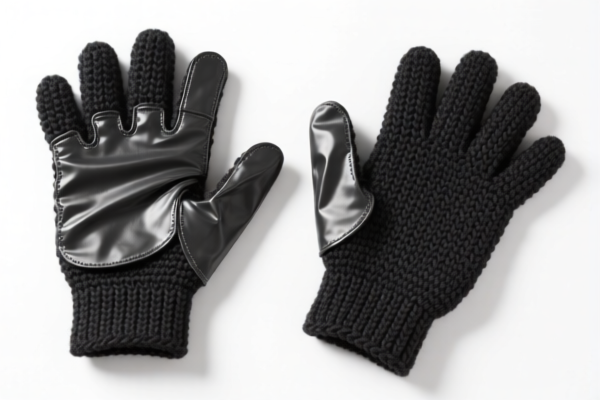
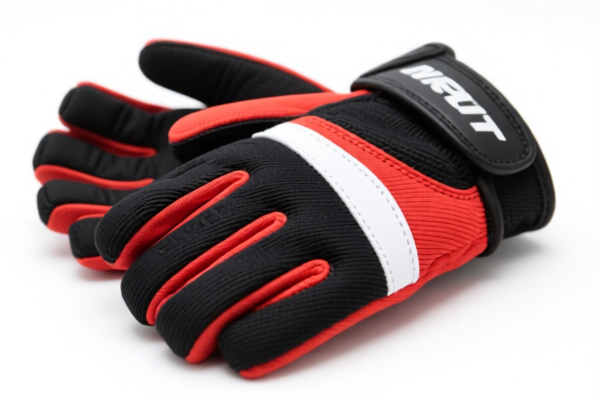
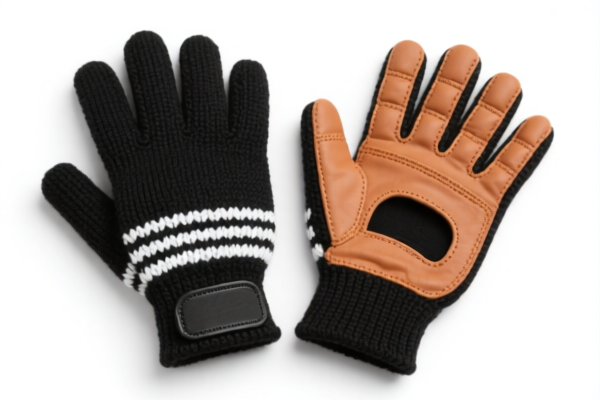
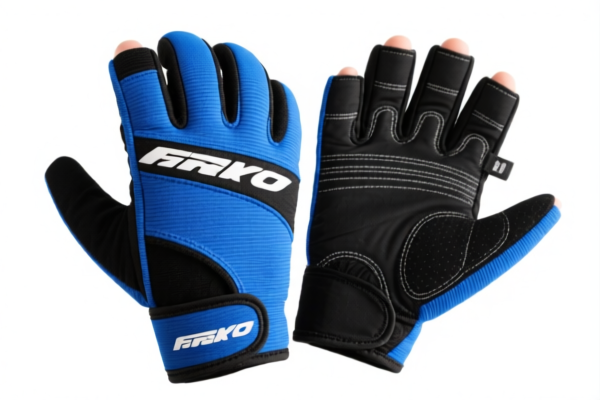
AI Analysis
🧤 Anti-Bite Gloves: HS Code Classification & 2026 Tariff Strategy
🌐 Global HS Code & Tariff Guide | 2026 Customs Clearance Protocol | Professional Classification Analysis
📌 I. Product Definition & Classification Logic: Are They "Textile" or "Plastic"?
Anti-Bite Gloves are specialized protective gear designed to prevent bites from animals (e.g., livestock, zoo animals) or humans (e.g., law enforcement, medical security). Their classification in international trade is highly material-dependent. The determining factor is the primary material composition and the manufacturing method (Knitted vs. Seamless Molded).
Two Main Classification Paths: 1. Textile-Based (Knitted/Crocheted): If the glove is primarily made of cotton, man-made fibers, or other textiles, even if coated. 2. Plastic/Polymer-Based: If the glove is molded, seamless, or primarily composed of plastics (e.g., heavy-duty PVC, polyurethane) often used for bite resistance.
⚠️ Critical Classification Pivot Points:
- Material Composition: Is it >50% Textile? → Chapter 61 (Knitted).
- Is it >50% Plastic? → Chapter 39 (Plastics).
- Construction: Does it have "fourchettes" (a specific leather/fabric gusset)? This changes the rate for textile gloves.
- Coating: Is it impregnated, coated, or covered? This triggers sub-categories within 6116 or 6216.
📦 II. HS Code Classification Matrix (2026 Data Extract)
Based on the provided data, here is the breakdown for Anti-Bite Gloves:
| HS Code | Material/Type | Key Description | Applicable Anti-Bite Scenario |
|---|---|---|---|
| 6216.00.90.00 | Textile (Woven/Knitted) | Other gloves, mittens & mitts (Non-knitted/Other) | Heavy-duty woven fabric gloves, not knitted, not coated. |
| 6216.00.31.00 | Textile + Plastic/Rubber | Impregnated/Coated with Fourchettes | Textile gloves with a specific gusset construction, coated for bite resistance. |
| 6216.00.90.00 (Implied) | Textile (Other) | Impregnated/Coated (No Fourchettes) | Note: Data shows 6116.10 series for knitted; 6216 series often implies woven. |
| 3926.20.40.50 | Plastic (Other) | Articles of Apparel, Gloves, Other Other | Solid plastic gloves (e.g., thick PVC/Polyurethane molded gloves) that don't fit other plastic sub-codes. |
| 3926.20.10.50 | Plastic (Seamless) | Gloves, Seamless Other | Molded plastic gloves (Seamless construction) offering maximum bite protection. |
| 6116.10.55.10 | Knitted + Textile | Knitted, Impregnated/Coated, Without Fourchettes, >50% Cotton/Man-made | Knitted bite gloves (e.g., cotton/poly blend) with coating, Subject to Cotton Restraints. |
| 6116.10.95.00 | Knitted + Plastic | Knitted, Impregnated/Coated, With Fourchettes | Knitted bite gloves with the "fourchette" gusset feature. |
🔍 Expert Analysis:
- 61xx Series (Knitted): Use if the glove is a knitted fabric base (like a winter glove) coated for protection. Watch out for Cotton Restraints (331) on code6116.10.55.10.
- 62xx Series (Other): Use for woven textiles or specific textile constructions not covered by knitted rules.
- 39xx Series (Plastic): Use for molded, seamless, or entirely plastic gloves. Seamless (3926.20.10.50) is 0% tax, whereas Other Plastic (3926.20.40.50) is 6.5% tax.
💰 III. 2026 Tariff Rate Breakdown (China Origin Export to US)
✅ Origin: China (CN)
✅ Destination: USA (US)
✅ Status: 2026 Tariff Regime
🎯 1. Zero-Tariff Opportunities (The "Sweet Spot")
Most anti-bite gloves fall here, reducing costs significantly.
| HS Code | Tax Detail | Total Tax | Reason |
|---|---|---|---|
| 6216.00.90.00 | Base: 0% | 0.0% | Standard textile gloves (Other) with no special restrictions. |
| 6216.00.31.00 | Base: 0% | 0.0% | Coated textile gloves with "Fourchettes". |
| 6116.10.55.10 | Base: 0% | 0.0% | Knitted, cotton/poly blend, Without Fourchettes. ⚠️ Watch: Subject to "Cotton Restraints" (Volume quotas may apply). |
| 6116.10.95.00 | Base: 0% | 0.0% | Knitted, With Fourchettes. |
| 3926.20.10.50 | Base: 0% | 0.0% | Seamless Plastic Gloves. Highly recommended for high-bite scenarios if molded. |
🎯 2. The 6.5% Trap (Plastic "Other")
Do not misclassify molded plastic gloves as "Seamless" to avoid this, though the data suggests seamless is 0%.
| HS Code | Tax Detail | Total Tax | Reason |
|---|---|---|---|
| 3926.20.40.50 | Base: 6.5% Add-on: 0% |
6.5% | Other Plastic Gloves (Non-seamless or generic plastic articles). Note: If your glove is molded plastic but has seams, it might fall here. Ensure "Seamless" status if possible to get 0%. |
📌 Tax Logic Explanation:
- Base Tariff: The fundamental duty rate set by the US Generalized System of Preferences (GSP) or MFN (Most Favored Nation).
- Additional Tariff (Section 301): None of these specific codes in the provided data show a "Section 301" or "IEEPA" surcharge. They are at 0% or 6.5%.
- Cotton Restraints: For6116.10.55.10, while the tax is 0%, the quota (restraint) is active. If exports exceed the limit, they may be blocked or face higher duties.
🛠️ IV. Customs Clearance Strategy & Recommendations
✅ 1. Declaration Strategy: Be Specific!
To qualify for 0% tariff and avoid the 6.5% penalty:
- If Plastic: Explicitly state "Seamless" in the description for 3926.20.10.50. If they have seams, you must declare 3926.20.40.50 (6.5%).
- If Knitted: Specify "Without Fourchettes" (6116.10.55.10) vs "With Fourchettes" (6116.10.95.00). The presence of a "fourchette" (a specific gusset) changes the code but not the tax rate (0% in both cases), but it changes the Cotton Restraint applicability.
- Material Check: Ensure you declare the exact fiber content (e.g., "50% Cotton, 50% Man-made") to trigger the correct restraint check.
✅ 2. Documentation Checklist
| Document | Requirement | Why it matters |
|---|---|---|
| Material Composition Certificate | Mandatory | Proves % of Cotton/Plastic. Crucial for 6116 codes. |
| Manufacturing Process Diagram | High Priority | Proves if gloves are Seamless (Molded) vs. Woven/Knitted. |
| Product Photos (Internal/External) | Required | Shows presence/absence of "Fourchettes". |
| Cotton Restraint Verification | Critical | For 6116.10.55.10, ensure you haven't hit the annual quota (331). |
✅ 3. Common Pitfalls & Solutions
| ❌ Mistake | 🚫 Consequence | ✅ Solution |
|---|---|---|
| Calling all gloves "Anti-Bite" without material specs | Customs re-classifies to highest duty (6.5% or wrong code) | Specify "Seamless Plastic" or "Knitted Cotton" in Invoice. |
| Ignoring "Fourchette" feature | Wrong HS Code (6116.10.55 vs 6116.10.95) |
Define "Fourchette" (gusset) in product spec sheet. |
| Missing Cotton Restraint Limit | Seizure or Delay for 6116.10.55.10 |
Check US Census Bureau quotas before shipping. |
| Misidentifying Plastic Type | 3926.20.40.50 (6.5%) instead of 3926.20.10.50 (0%) |
Claim "Seamless" if the glove is molded without sewing. |
🌍 V. Summary: The "Anti-Bite" Tariff Cheat Sheet
| Product Type | Key Feature | Recommended HS Code | Duty Rate | Risk Factor |
|---|---|---|---|---|
| Knitted, Cotton/Poly | Without Fourchettes | 6116.10.55.10 |
0.0% | ⚠️ High (Cotton Restraints) |
| Knitted, Cotton/Poly | With Fourchettes | 6116.10.95.00 |
0.0% | Low |
| Woven/Other Textile | Impregnated/Coated | 6216.00.31.00 |
0.0% | Low |
| Other Textile | No coating/Coating | 6216.00.90.00 |
0.0% | Low |
| Plastic (Molded) | Seamless | 3926.20.10.50 |
0.0% | ✅ Best Option |
| Plastic (Other) | Not Seamless/Other | 3926.20.40.50 |
6.5% | Medium (Pay extra 6.5%) |
🚀 Pro Tip:
If your anti-bite gloves are molded plastic, strive for the "Seamless" classification (3926.20.10.50). It guarantees 0% tax and avoids the 6.5% penalty.
If they are knitted, be hyper-vigilant about Cotton Restraints on code6116.10.55.10.
📌 VI. Final Verdict & Action Plan
- Audit Your Material: Is it Textile or Plastic?
- Check Construction: Is it Knitted, Woven, or Seamless Molded?
- Verify Features: Does it have a "Fourchette"?
- Select Code: Use the matrix above.
- Declare Accurately: "Seamless Plastic Gloves" = 0%. "Knitted Cotton Gloves" = 0% (but watch quotas).
🛡️ Conclusion:
Anti-Bite Gloves generally enjoy 0% tariffs in this dataset, provided you correctly identify the material (Textile vs. Plastic) and construction (Seamless vs. Other). The only financial risk is the 6.5% on generic plastic gloves (3926.20.40.50) or quota restrictions on knitted cotton gloves (6116.10.55.10).
✨ Customs Clearance is an Art of Precision.
🔑 Get the HS Code Right, Save the Tax!
🚀 Ship Confidently with the 2026 Protocol.
Customer Reviews
About HS Code Classification
The Harmonized System (HS) is an internationally standardized nomenclature developed by the World Customs Organization (WCO) to classify traded products. Over 200 countries use the HS system as the basis for customs tariffs, trade statistics, and import/export regulations.
Each HS code follows a hierarchical structure:
- Chapter (2 digits) — Broad category of goods (e.g., Chapter 84: Machinery and Mechanical Appliances)
- Heading (4 digits) — More specific grouping within the chapter
- Subheading (6 digits) — Internationally standardized breakdown, used by all WCO member countries
- National subdivisions (8-10 digits) — Country-specific extensions for further classification, such as US HTSUS 10-digit codes
Correct HS code classification is essential for smooth customs clearance, accurate duty payment, and compliance with trade regulations. Misclassification can lead to customs delays, overpayment of duties, or penalties.
When importing from CN to US, the applicable tariff rates may include:
- Most-Favored-Nation (MFN) rate — The standard duty rate applied to WTO members
- General rate — Applied to countries without trade agreements
- Trade remedy duties — Additional tariffs such as Section 301 (anti-dumping), Section 232 (national security), or countervailing duties
The information provided on this page is for reference purposes only. For official classification, please consult with your local customs authority or a licensed customs broker.