Anti collision Bar
CN → US| HS Code | Tariff Rate | Origin | Destination | Doc |
|---|---|---|---|---|
| 3926906520 | 14.2% | CN | US | Official Doc |
| 4016993000 | 35.0% | CN | US | Official Doc |
| 4016996050 | 37.5% | CN | US | Official Doc |
| 7326908688 | 87.9% | CN | US | Official Doc |
| 4016996050 | 37.5% | CN | US | Official Doc |
Product Images
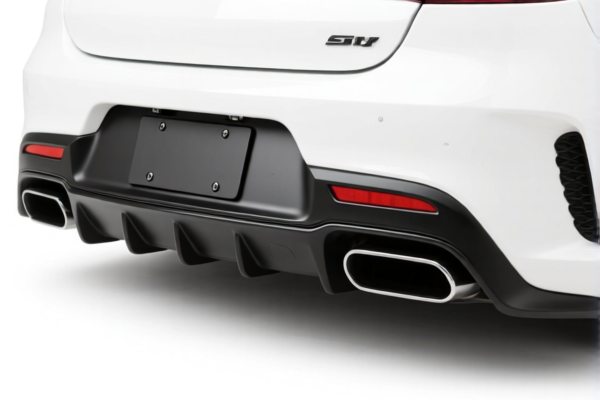
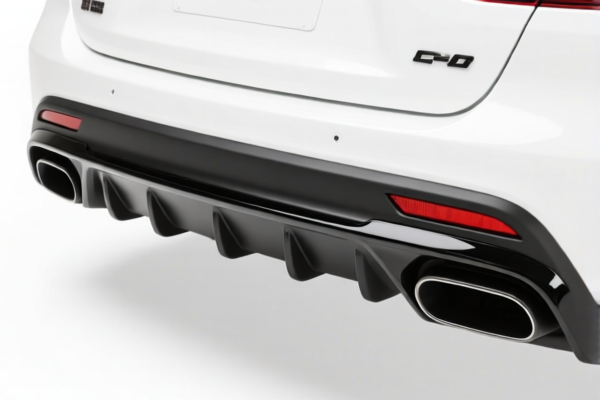
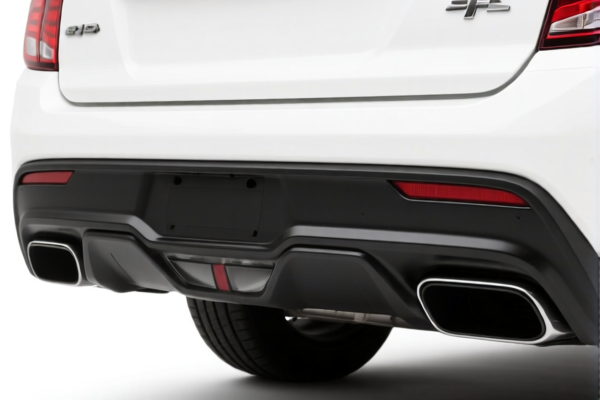
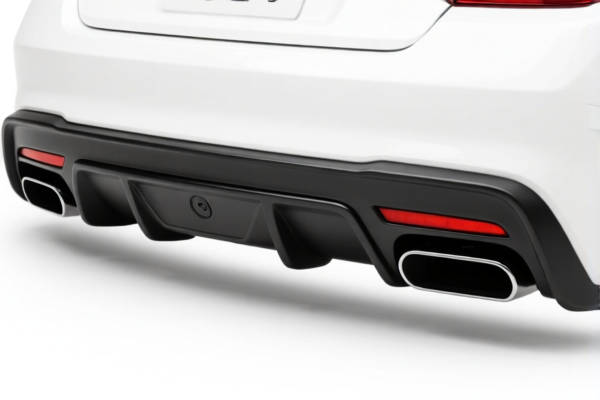
AI Analysis
🛡️ Anti-Collision Bars (Rubber, Metal & Composite)
🌐 HS Code Reference & Customs Clearance Guide | 2026 Latest Tariff Analysis | Professional-Level Entry Strategy
📌 1. Product Definition & Classification: Do You Really Understand "Anti-Collision Bars"?
Anti-collision bars are essential protective components used in industrial, automotive, and infrastructure settings to absorb impact energy and prevent damage to machinery, vehicles, or structures. In international trade, they are classified based on their primary material composition and functional state.
There are three main categories: * Rubber/Plastic Elastic Bars: Made from elastomers or plastic materials, shaped as strips or components. These rely on elasticity for shock absorption. * Vulcanized Rubber Parts: Specifically硫化 (vulcanized) rubber products, often used for heavy-duty vibration damping or as general rubber制品 (articles). * Metal U-Shaped Bars: Primarily made of steel or iron, often used for structural reinforcement or as guide rails, sometimes with rubber coatings.
⚠️ Key Distinction Point:
- If the product is elastic plastic/rubber strip →归类 to 3926.90.65.20 (Lowest Duty)
- If the product is vulcanized rubber (general purpose) →归类 to 4016.99.30.00 (High Duty)
- If the product is metal (steel/iron) or U-shaped metal →归类 to 7326.90.86.88 (Highest Duty)
- If the product is U-shaped but inferred to be rubber →归类 to 4016.99.60.50 (High Duty)
📦 2. HS Code Classification Details (2026 Latest Tariff Authority Comparison)
| HS Code | Product Description | Application Scenario | Material State | Total Tax Rate |
|---|---|---|---|---|
3926.90.65.20 |
Anti-collision bars, elastomer/plastic material, strip/component form | Light duty, plastic/rubber strips, non-vulcanized elastic parts | Elastomer/Plastic | 14.2% |
4016.99.30.00 |
Anti-collision bars, vulcanized rubber, shock absorption articles | Heavy-duty rubber bumpers, industrial vibration dampers | Vulcanized Rubber | 35.0% |
4016.99.60.50 |
Anti-collision bars, vulcanized rubber, other vulcanized rubber articles | General vulcanized rubber parts, U-shaped rubber profiles | Vulcanized Rubber | 37.5% |
7326.90.86.88 |
U-shaped anti-collision bars, steel/iron articles, other metal articles | Metal guardrails, steel protective bars, heavy structural metal parts | Steel/Iron | 87.9% |
4016.99.60.50 |
U-shaped anti-collision bars, inferred vulcanized rubber, other vulcanized rubber articles | U-shaped shape but made of rubber (not metal) | Vulcanized Rubber | 37.5% |
🔍 Key Reminder:
- Material is King: The difference between 14.2% and 87.9% depends entirely on whether the core material is plastic/elastic, vulcanized rubber, or steel.
- Shape Misclassification: Even if it is "U-shaped," if it is made of rubber, it cannot be classified under metal HS codes (7326...). It must go to rubber codes (4016...).
- Vulcanization Matters: Non-vulcanized elastomers/plastics (3926...) enjoy significantly lower duties than vulcanized rubber (4016...) or metal (7326...).
💰 3. 2026 Latest Tariff Rate Breakdown (Including Additional Taxes & Policy Surcharges)
✅ Applicable Country: United States (US)
✅ Country of Origin: China (CN)
✅ Effective Time: 2025 November 10 onwards (including subsequent imports)
🎯 1. 3926.90.65.20 —— Elastic Body/Plastic Anti-Collision Bars (Lowest Duty)
| Item | Content |
|---|---|
| Base Tariff | 4.2% (ad valorem) |
| Section 301 Surcharge | +0.0% |
| Section 122 Surcharge | +10.0% (Specific clause for this category) |
| Total Tariff | 14.2% |
| Tax Calculation | CIF Value × 14.2% |
| De Minimis Eligibility | ❌ No (Subject to full assessment) |
| Legal Basis Path | Base: 4.2% → Section 122: 10% |
📌 Explanation:
- This is the most cost-effective classification for plastic/elastomer-based anti-collision bars.
- The "Section 122" tariff applies here, but there is no Section 301 surcharge, keeping the total rate low at 14.2%.
- Strategy: Ensure your product description explicitly states "elastomer/plastic" and "non-vulcanized" to qualify for this lower rate.
🎯 2. 4016.99.30.00 —— Vulcanized Rubber Shock Absorption Articles (High Duty)
| Item | Content |
|---|---|
| Base Tariff | 0.0% |
| Section 301 Surcharge | +25.0% |
| Section 122 Surcharge | +10.0% |
| Total Tariff | 35.0% |
| Tax Calculation | CIF Value × 35.0% |
| De Minimis Eligibility | ❌ No |
| Legal Basis Path | Section 301: 25% → Section 122: 10% |
📌 Warning:
- Even though the base tariff is 0%, the 25% Section 301 surcharge applies to Chinese vulcanized rubber products.
- This is a significant cost increase compared to plastic/elastomer bars.
- If your bar is rubber, check if it can be classified as "elastic body/plastic" (3926...) instead of "vulcanized rubber" (4016...).
🎯 3. 4016.99.60.50 —— Other Vulcanized Rubber Articles (Highest Rubber Duty)
| Item | Content |
|---|---|
| Base Tariff | 2.5% |
| Section 301 Surcharge | +25.0% |
| Section 122 Surcharge | +10.0% |
| Total Tariff | 37.5% |
| Tax Calculation | CIF Value × 37.5% |
| De Minimis Eligibility | ❌ No |
| Legal Basis Path | Base: 2.5% → Section 301: 25% → Section 122: 10% |
📌 Note:
- This applies to general vulcanized rubber articles, including U-shaped rubber bars.
- Slightly higher than4016.99.30.00due to the 2.5% base tariff.
- Do not use this for metal bars!
🎯 4. 7326.90.86.88 —— Steel/Iron U-Shaped Anti-Collision Bars (Highest Overall Duty)
| Item | Content |
|---|---|
| Base Tariff | 2.9% |
| Section 301 Surcharge | +25.0% |
| Section 122 Surcharge | +10.0% |
| Steel/Aluminum/Copper Surcharge | +50.0% (Specific clause for steel products) |
| Total Tariff | 87.9% |
| Tax Calculation | CIF Value × 87.9% |
| De Minimis Eligibility | ❌ No |
| Legal Basis Path | Base: 2.9% → Section 301: 25% → Section 122: 10% → Steel Surcharge: 50% |
📌 Critical Alert:
- This is the most expensive classification. The 50% steel surcharge is applied on top of all other taxes.
- Only use this for steel or iron anti-collision bars.
- If your "U-shaped" bar is coated with rubber, ensure the core structural material is declared correctly. If it's steel, you must pay 87.9%.
🛠️ 4. Customs Clearance Practical Advice (Field Pitfall Avoidance Guide)
✅ 1. Preparation Checklist (Missing Any Is Not Allowed)
| Material | Must Provide | Explanation |
|---|---|---|
| ✅ Product Spec Sheet | ✔️ | Must clearly state material composition (e.g., "EPDM Rubber," "HDPE Plastic," "Carbon Steel") |
| ✅ Material Test Report | ✔️ | Third-party lab report confirming vulcanization status or metal alloy composition |
| ✅ Product Photos | ✔️ | Clear images showing cross-section (if possible) to prove material layering |
| ✅ Commercial Invoice | ✔️ | Must specify "Anti-Collision Bar, Material: [Insert Material]" |
| ✅ Packing List | ✔️ | Ensure no mixing of different materials in one shipment if avoiding complex declarations |
✅ 2. Declaration Tips (Key Mantra)
🔥 "Material First, Shape Second, Declare Clearly, Save Half!"
| Scenario | Correct Declaration | Wrong Practice |
|---|---|---|
| Plastic/Elastomer Strip | 3926.90.65.20"Elastomer Anti-Collision Bar" |
Declare as "Rubber" → 35%+ |
| Vulcanized Rubber Bumper | 4016.99.30.00 or 4016.99.60.50"Vulcanized Rubber Shock Absorber" |
Declare as "Plastic" → Misclassification Risk |
| Steel U-Bar | 7326.90.86.88"Steel U-Shaped Guard Rail" |
Declare as "Rubber-Coated Steel" without detail → May still face 87.9% |
| U-Shaped Rubber | 4016.99.60.50"U-Shaped Vulcanized Rubber Bar" |
Declare as "Metal" → Severe Penalty + 87.9% |
✅ 3. Special Handling Cases
| Scenario | Handling Advice |
|---|---|
| Coated Metal Bars | If steel with rubber coating, declare as Steel (7326...). The metal core dictates the HS code. Expect 87.9% tax. |
| Hybrid Materials | If a bar has multiple layers (e.g., steel core, rubber outer), declare based on the essential character. Usually, if metal provides structure, it's metal. |
| Custom Shapes | Even if "U-shaped," if the material is rubber, use 4016.... Do not assume shape = metal. |
| Small Parts | If sold as small "bumpers" rather than "bars," ensure the description matches the HS code definition (e.g., "articles" vs. "strips"). |
🌍 5. Global Market Comparison (2026 Latest)
| Country/Region | Recommended HS Code | Tariff (China Origin) | Certification Requirements | Notes |
|---|---|---|---|---|
| 🇺🇸 USA | 3926.90.65.20 (Best) |
14.2% | None | Best for plastic/elastomer. Metal is 87.9%. |
| 🇺🇸 USA | 7326.90.86.88 (Worst) |
87.9% | None | Avoid for metal if possible. |
| 🇨🇳 China | 3926.90.65.20 |
~4-14% | CCC (if applicable) | Lower import duty for plastic. |
| 🇪🇺 EU | 3926.90.99 |
~0-6% | REACH + RoHS | No Section 301/122 equivalents. |
| 🇯🇵 Japan | 3926.90.90 |
~0-5% | JIS Standards | Favorable for plastic goods. |
📌 Conclusion:
- USA is the most punitive market for anti-collision bars due to Section 301 and 122 tariffs.
- Material Selection is Critical: Switching from steel to high-quality plastic/elastomer can save 73.7% in tariffs (87.9% vs 14.2%).
- Rubber is in the Middle: Vulcanized rubber (4016...) is costly (35-37.5%) due to 301 tariffs.
📌 6. Common Errors & Pitfall Avoidance (Blood Lessons)
❌ Error 1: Declaring a Steel U-bar as "Rubber Anti-Collision Bar"
👉 Consequence: Customs inspection reveals steel core → 87.9% Tax + Fine + Delay.
❌ Error 2: Declaring Vulcanized Rubber as "Plastic/Elastomer" to get 14.2%
👉 Consequence: Lab test shows vulcanization → Back Taxes + Penalty. The difference between 14.2% and 35% is huge, so customs will scrutinize.
❌ Error 3: Ignoring the Section 122 tariff
👉 Consequence: All three categories (3926, 4016, 7326) include a 10% Section 122 surcharge. Failure to account for this leads to underpayment.
❌ Error 4: Using vague terms like "Protective Bar"
👉 Consequence: Customs assigns a default HS code, often the highest one. Always specify material.
✅ Correct Approach:
"Anti-Collision Bar, U-Shaped, Material: Vulcanized EPDM Rubber, Hardness: 60 Shore A, Model: ABC-123"
→ Correctly maps to4016.99.60.50(37.5%)."Anti-Collision Strip, Material: TPE Elastomer, Non-Vulcanized"
→ Correctly maps to3926.90.65.20(14.2%).
🎯 7. Conclusion: Professional Declaration, Save Costs, Ensure Smooth Clearance!
🎯 Remember the Mantra:
🔹 "Plastic is Cheap (14%), Rubber is Medium (35%), Steel is Expensive (88%)."
🔹 "Check Material, Not Just Shape. Declare Section 122 (10%)."
🔹 "Vulcanization Changes Everything!"
📌 Pro Tip:
If your product is made in Vietnam, Mexico, or Thailand, you may be eligible to avoid Section 301 (25%) and Section 122 (10%) tariffs, reducing rates to Base Tariff Only (e.g., 0-4.2%).
Recommendation: Apply for Advanced Ruling before shipment to confirm the correct HS Code and avoid surprise duties.
📣 Take Action Now:
📞 Contact a Professional Customs Broker + Provide Material Spec + Apply for HS Code Advance Ruling
🚀 Let Your Anti-Collision Bars Clear Customs Smoothly, Maximize Profit, and Protect Your Supply Chain!
✨ Professional Clearance Starts with Accurate Classification!
💼 Every Cent of Your Cost Deserves Precise Calculation!
Customer Reviews
About HS Code Classification
The Harmonized System (HS) is an internationally standardized nomenclature developed by the World Customs Organization (WCO) to classify traded products. Over 200 countries use the HS system as the basis for customs tariffs, trade statistics, and import/export regulations.
Each HS code follows a hierarchical structure:
- Chapter (2 digits) — Broad category of goods (e.g., Chapter 84: Machinery and Mechanical Appliances)
- Heading (4 digits) — More specific grouping within the chapter
- Subheading (6 digits) — Internationally standardized breakdown, used by all WCO member countries
- National subdivisions (8-10 digits) — Country-specific extensions for further classification, such as US HTSUS 10-digit codes
Correct HS code classification is essential for smooth customs clearance, accurate duty payment, and compliance with trade regulations. Misclassification can lead to customs delays, overpayment of duties, or penalties.
When importing from CN to US, the applicable tariff rates may include:
- Most-Favored-Nation (MFN) rate — The standard duty rate applied to WTO members
- General rate — Applied to countries without trade agreements
- Trade remedy duties — Additional tariffs such as Section 301 (anti-dumping), Section 232 (national security), or countervailing duties
The information provided on this page is for reference purposes only. For official classification, please consult with your local customs authority or a licensed customs broker.