Anti collision Strip
CN → US| HS Code | Tariff Rate | Origin | Destination | Doc |
|---|---|---|---|---|
| 4016993000 | 35.0% | CN | US | Official Doc |
| 3926906520 | 14.2% | CN | US | Official Doc |
| 4016996050 | 37.5% | CN | US | Official Doc |
| 7326908688 | 87.9% | CN | US | Official Doc |
| 4016996050 | 37.5% | CN | US | Official Doc |
Product Images
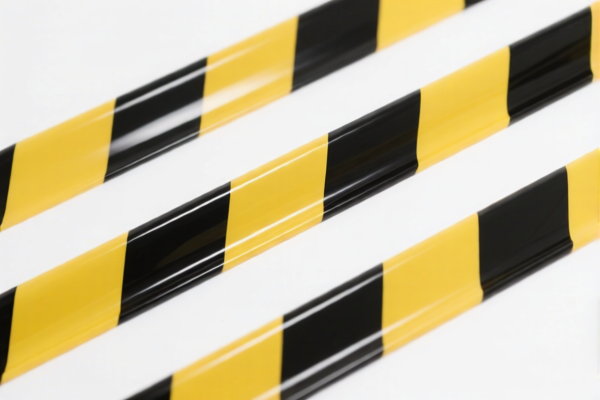
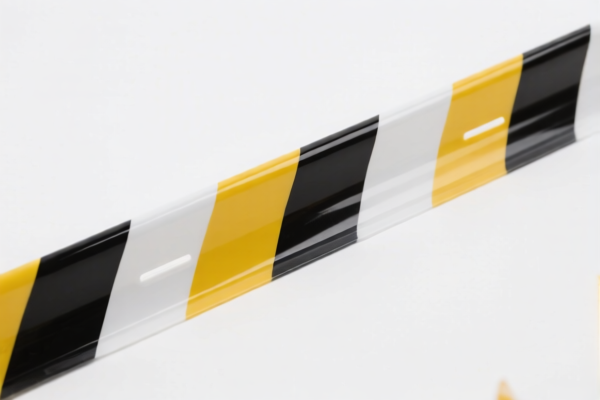
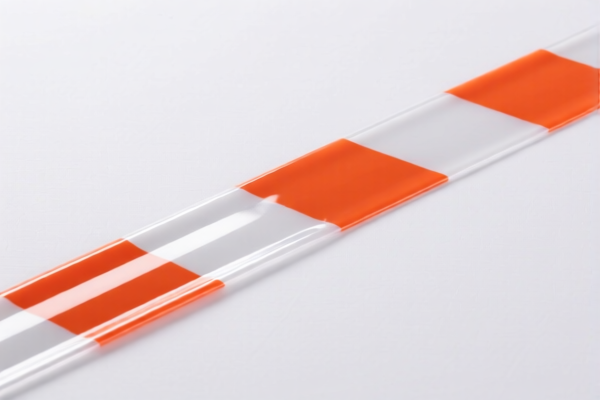
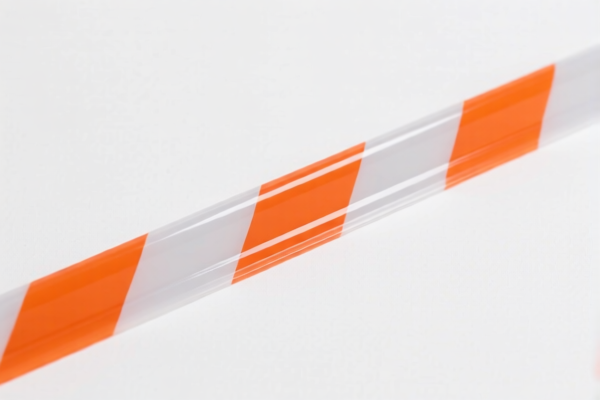
AI Analysis
🛡️ Anti-Collision Strip (防撞条)
🌐 HS Code Reference & Customs Clearance Guide | 2026 Latest Tariff Analysis | Professional Entry Strategy
📌 One, Product Definition & Classification: What exactly is an "Anti-Collision Strip"?
Anti-collision strips, also known as bumper guards or protection strips, are essential protective components used in industrial, logistics, and automotive sectors. Their primary function is to absorb impact energy, reduce vibration, and prevent damage to machinery, walls, vehicles, or cargo.
In international trade, the classification of these strips strictly depends on the material composition and structural form. A generic term like "Anti-Collision Strip" is insufficient for accurate customs declaration. The HS Code varies significantly based on whether the product is made of vulcanized rubber, plastic/elastomer, or metal.
⚠️ Critical Distinction Points: - Rubber/Elastomer: If made of vulcanized rubber or plastic-like elastomers → Typically classified under Chapter 40 or Chapter 39. - Metal: If made of steel, iron, or aluminum (especially U-shaped metal profiles) → Classified under Chapter 73 (Articles of Iron or Steel). - Shape Matters: "U-shaped" metal strips are treated as general metal articles, while rubber strips are treated as finished goods.
📦 Two, HS Code Classification Details (Based on Provided Data)
| HS Code | Product Description | Material Composition | Key Characteristics |
|---|---|---|---|
4016.99.30.00 |
Rubber Anti-Collision Strip | Vulcanized Rubber | Shock-absorbing rubber products; general classification for rubber bumpers. |
3926.90.65.20 |
Rubber Anti-Collision Strip | Elastomer / Plastic-like | Strip-shaped/Component form; classified under plastic articles with elastomeric properties. |
4016.99.60.50 |
Rubber Anti-Collision Strip | Vulcanized Rubber | Other vulcanized rubber products; specific sub-category for other rubber goods. |
7326.90.86.88 |
U-Shaped Anti-Collision Strip | Iron/Steel | Other metal articles; High Tariff Zone. Specifically for metal U-profiles. |
4016.99.60.50 |
U-Shaped Anti-Collision Strip | Inferred Vulcanized Rubber | Other vulcanized rubber products; if the U-shape is rubber, it falls here. |
🔍 Key Insight: - The material is the deciding factor. A steel U-strip (
7326...) has a vastly different tax burden than a rubber U-strip (4016...). -4016.99.60.50appears twice for different descriptions (general rubber vs. U-shaped rubber), indicating that shape alone doesn't change the code, but material does. -3926.90.65.20is for "elastic/plastic" materials, which may have a lower base tariff than pure rubber in some contexts, but still faces significant additions.
💰 Three, 2026 Latest Tariff Rate Breakdown (Including Surcharges & Policy Additions)
✅ Applicable Country: USA (US)
✅ Origin: China (CN) (Inferred from the "122 Clause" and "Section 301" context in the data)
✅ Effective Time: Current ongoing tariffs
🎯 1. 4016.99.30.00 —— Rubber Anti-Collision Strip (Vulcanized Rubber)
| Item | Content |
|---|---|
| Base Duty Rate | 0.0% |
| Additional Duty (Section 301) | +25.0% |
| Clause 122 Duty | +10.0% |
| Total Tariff Rate | 35.0% |
| Tax Calculation | CIF Value × 35% |
| De Minimis Exemption? | ❌ No (High rate disqualifies it from $800 exemption in many practical contexts, though legally complex; assume taxable). |
| Legal Basis Path | USITC:4016.99.30.00 → Footnote 301:25% → Clause 122:10% |
📌 Explanation: - Base 0%: Standard duty for certain rubber articles is often low or zero. - 301 Tariff (25%): The standard US trade war tariff on Chinese goods. - Clause 122 (10%): Additional surcharge specific to certain categories. - Total 35%: A significant cost increase. Not the highest, but substantial.
🎯 2. 3926.90.65.20 —— Anti-Collision Strip (Elastomer/Plastic)
| Item | Content |
|---|---|
| Base Duty Rate | 4.2% |
| Additional Duty (Section 301) | 0.0% |
| Clause 122 Duty | +10.0% |
| Total Tariff Rate | 14.2% |
| Tax Calculation | CIF Value × 14.2% |
| De Minimis Exemption? | ❌ No (Still subject to inspection and duty). |
| Legal Basis Path | USITC:3926.90.65.20 → Clause 122:10% |
📌 Explanation: - Base 4.2%: Plastic/elastomer articles have a small base duty. - No 301 Tariff (0%): This is a critical advantage. If the product can be legally classified as "plastic/elastomer" rather than "rubber," it avoids the 25% surcharge. - Clause 122 (10%): Still applies. - Total 14.2%: This is the most cost-effective classification among rubber/plastic options. Strategy: Proving material is "plastic/elastomer" not "vulcanized rubber" can save ~21%.
🎯 3. 4016.99.60.50 —— Anti-Collision Strip (Other Vulcanized Rubber)
| Item | Content |
|---|---|
| Base Duty Rate | 2.5% |
| Additional Duty (Section 301) | +25.0% |
| Clause 122 Duty | +10.0% |
| Total Tariff Rate | 37.5% |
| Tax Calculation | CIF Value × 37.5% |
| De Minimis Exemption? | ❌ No |
| Legal Basis Path | USITC:4016.99.60.50 → Footnote 301:25% → Clause 122:10% |
📌 Explanation: - Similar to
4016.99.30.00, but with a 2.5% base duty. - Total 37.5%: Higher than4016.99.30.00due to the base duty. Avoid this code if4016.99.30.00is technically accurate.
🎯 4. 7326.90.86.88 —— U-Shaped Anti-Collision Strip (Iron/Steel)
| Item | Content |
|---|---|
| Base Duty Rate | 2.9% |
| Additional Duty (Section 301) | +25.0% |
| Clause 122 Duty | +10.0% |
| Steel/Aluminum/Copper Surcharge | +50.0% |
| Total Tariff Rate | 87.9% |
| Tax Calculation | CIF Value × 87.9% |
| De Minimis Exemption? | ❌ No (Extremely high rate). |
| Legal Basis Path | USITC:7326.90.86.88 → 301:25% → 122:10% → Steel Surcharge:50% |
📌 Explanation: - Base 2.9%: Low base duty for metal articles. - 301 Tariff (25%): Applies. - Clause 122 (10%): Applies. - Steel Surcharge (50%): The Killer. Steel products face an additional 50% tariff. - Total 87.9%: This is a catastrophic tariff. Shipping steel U-strips from China to the US is extremely expensive. Strategy: If possible, switch to rubber or plastic.
🎯 5. 4016.99.60.50 —— U-Shaped Anti-Collision Strip (Inferred Rubber)
| Item | Content |
|---|---|
| Base Duty Rate | 2.5% |
| Additional Duty (Section 301) | +25.0% |
| Clause 122 Duty | +10.0% |
| Total Tariff Rate | 37.5% |
| Tax Calculation | CIF Value × 37.5% |
| De Minimis Exemption? | ❌ No |
| Legal Basis Path | USITC:4016.99.60.50 → 301:25% → 122:10% |
📌 Explanation: - Even if the shape is "U-shaped," if the material is rubber, the steel surcharge does not apply. - The rate remains 37.5%. This confirms that material overrides shape in tariff determination.
🛠️ Four, Customs Clearance Practical Advice (Real-World Pitfall Avoidance)
✅ 1. Prepare Essential Documents (Non-Negotiable)
| Document | Must Provide? | Description |
|---|---|---|
| ✅ Material Composition Certificate | ✔️ | Critical! Must specify if it is "Vulcanized Rubber," "Thermoplastic Elastomer (TPE)," or "Steel." |
| ✅ Product Photos (Clear) | ✔️ | Show cross-section to prove material. Highlight "U-shape" vs. "Strip." |
| ✅ Technical Data Sheet | ✔️ | Include hardness (Shore A), temperature resistance, and chemical composition. |
| ✅ Commercial Invoice | ✔️ | Describe as "Rubber Bumper Strip, HS 3926.90.65.20" or similar. Avoid generic "Anti-Collision Strip." |
| ✅ Packing List | ✔️ | Net weight vs. Gross weight. |
📌 Key Tip: The difference between
3926.90.65.20(14.2%) and4016...(35%+) is 21%. A strong Material Certificate stating "Thermoplastic Elastomer" or "Plastic-based" can save significant money.
✅ 2. Declaration Strategy (Crucial Mnemonics)
🔥 “Material First, Shape Second, Avoid Steel, Choose Plastic!”
| Scenario | Correct HS Code | Total Rate | Error Consequence |
|---|---|---|---|
| Plastic/Elastomer Strip | 3926.90.65.20 |
14.2% | If misdeclared as Rubber → +21% Tax! |
| Vulcanized Rubber Strip | 4016.99.30.00 |
35.0% | If misdeclared as Plastic → Penalty for Undervaluation. |
| Steel U-Strip | 7326.90.86.88 |
87.9% | If misdeclared as Rubber → Severe Penalty + Back Taxes. |
| Rubber U-Strip | 4016.99.60.50 |
37.5% | Same as rubber strip; shape doesn't reduce tax. |
📌 Strategy: - Avoid Steel: If your product can be made of rubber or plastic, do not use steel. The 87.9% rate is prohibitive. - Optimize Rubber/Plastic: If the material is flexible, argue for Plastic/Elastomer (
3926...) to get the 14.2% rate. Only use Rubber codes (4016...) if the product is clearly vulcanized rubber.
✅ 3. Special Cases & Handling
| Scenario | Handling Advice |
|---|---|
| Mixed Materials | If a rubber strip has a metal core, declare as Rubber if rubber is the primary function/material, but be prepared for potential re-classification. |
| Custom Shapes | "U-shape" does not automatically mean Steel. Many rubber bumpers are U-shaped. Provide a photo! |
| OEM Orders | Ensure the supplier's material certificate matches the declared HS Code. Discrepancies cause delays. |
| Pre-Arrival Review | Consider applying for an Advance Ruling if the material is borderline (e.g., TPE vs. Rubber). |
🌍 Five, Global Market Comparison (2026 Update)
| Country/Region | Recommended HS Code | Estimated Tariff (China Origin) | Key Requirement |
|---|---|---|---|
| 🇺🇸 USA | 3926.90.65.20 (Plastic) |
14.2% | Strong material proof needed. |
| 🇺🇸 USA | 4016.99.30.00 (Rubber) |
35.0% | Standard vulcanized rubber. |
| 🇺🇸 USA | 7326.90.86.88 (Steel) |
87.9% | Avoid if possible. |
| 🇪🇺 EU | 4016.99 (Rubber) |
~0-5% | No major Section 301 equivalent, but VAT applies. |
| 🇨🇳 China | 4016.99 / 3926.90 |
~5-10% | Standard import tariff. |
📌 Conclusion: - USA Market: Tariff optimization is critical. The difference between 14.2% and 87.9% can make or break profitability. - Material Declaration: Be precise. "Anti-Collision Strip" is too vague. Use "Thermoplastic Elastomer Bumper" or "Vulcanized Rubber Buffer."
📌 Six, Common Errors & Pitfall Guide (Lessons Learned)
❌ Error 1: Declaring Steel U-Strips as "Rubber Bumpers"
👉 Consequence: Customs inspection reveals metal → 87.9% tax + penalties + seizure.
❌ Error 2: Using Generic "Anti-Collision Strip" in Invoice
👉 Consequence: Customs officer assigns highest default rate or requests manual review → Delays.
❌ Error 3: Confusing "Plastic" and "Rubber"
👉 Consequence: If declared as Rubber (35%) but is actually Plastic (14.2%), you overpaid. If declared as Plastic but is Rubber, you face penalties for tax evasion.
✅ Correct Practice:
"Thermoplastic Elastomer (TPE) Anti-Collision Strip, Flexible, Black, U-Shape, HS 3926.90.65.20"
🎯 Seven, Conclusion: Smart Classification, Lower Costs!
🎯 Remember the Golden Rules:
🔹 "Steel U-Strips are Tax Traps (87.9%)"
🔹 "Plastic/Elastomer is the Sweet Spot (14.2%)"
🔹 "Rubber is the Middle Ground (35-37.5%)"
🔹 "Material is King, Shape is Queen"
📌 Pro Tip:
If your product is borderline between Plastic and Rubber, get a Lab Test Report proving it is a Thermoplastic Elastomer (TPE) or Plastic-based to qualify for 3926.90.65.20. This simple step can save you over 20% in duties.
📣 Immediate Action:
📞 Consult with a licensed customs broker.
📄 Provide detailed material specs.
🚀 Optimize your HS Code to maximize profit margins!
✨ Professional Clearance Starts with Accurate Classification!
💼 Every Percent Saved is Profit Earned!
Customer Reviews
About HS Code Classification
The Harmonized System (HS) is an internationally standardized nomenclature developed by the World Customs Organization (WCO) to classify traded products. Over 200 countries use the HS system as the basis for customs tariffs, trade statistics, and import/export regulations.
Each HS code follows a hierarchical structure:
- Chapter (2 digits) — Broad category of goods (e.g., Chapter 84: Machinery and Mechanical Appliances)
- Heading (4 digits) — More specific grouping within the chapter
- Subheading (6 digits) — Internationally standardized breakdown, used by all WCO member countries
- National subdivisions (8-10 digits) — Country-specific extensions for further classification, such as US HTSUS 10-digit codes
Correct HS code classification is essential for smooth customs clearance, accurate duty payment, and compliance with trade regulations. Misclassification can lead to customs delays, overpayment of duties, or penalties.
When importing from CN to US, the applicable tariff rates may include:
- Most-Favored-Nation (MFN) rate — The standard duty rate applied to WTO members
- General rate — Applied to countries without trade agreements
- Trade remedy duties — Additional tariffs such as Section 301 (anti-dumping), Section 232 (national security), or countervailing duties
The information provided on this page is for reference purposes only. For official classification, please consult with your local customs authority or a licensed customs broker.