Anti corrosion Woven Board
CN → US| HS Code | Tariff Rate | Origin | Destination | Doc |
|---|---|---|---|---|
| 5911900040 | 38.8% | CN | US | Official Doc |
| 3926905900 | 37.4% | CN | US | Official Doc |
| 3926905700 | 41.5% | CN | US | Official Doc |
| 5911900080 | 38.8% | CN | US | Official Doc |
| 5903102010 | 35.0% | CN | US | Official Doc |
Product Images
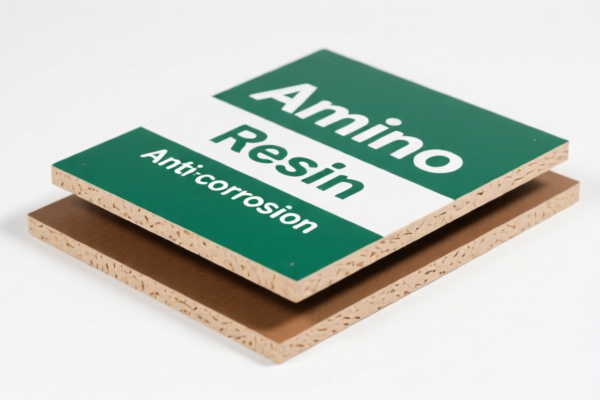
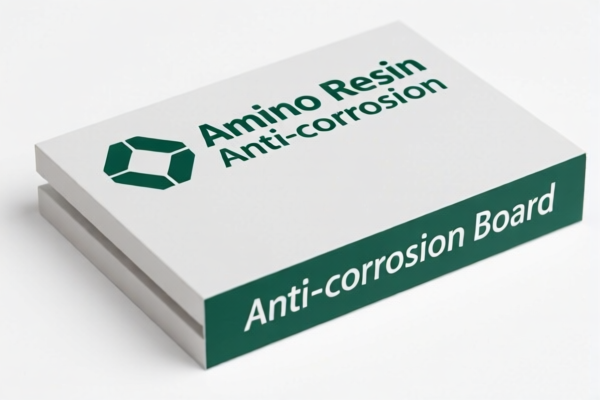
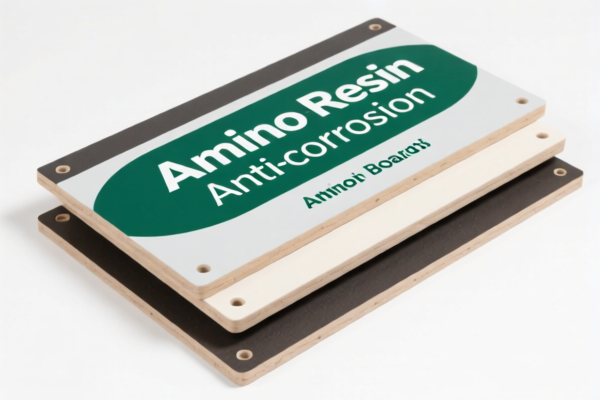
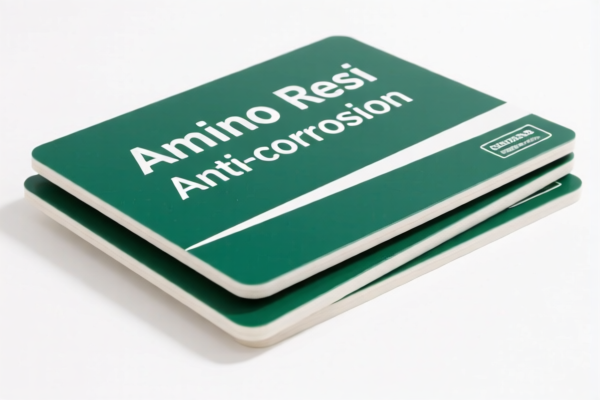
AI Analysis
🛡️ Anti-Corrosion Woven Board (防腐蚀编织片)
🌐 HS Code Reference & Clearance Guide | 2026 Latest Tariff Analysis | Professional Clearance Strategy
📌 Part 1: Product Definition & Classification: Do You Really Understand "Woven Boards"?
"Anti-Corrosion Woven Board" is a generic trade term often used for specialized technical textiles or plastic sheets with reinforced woven structures. In international trade, the classification depends entirely on the primary material and the specific function of the anti-corrosion treatment. It is not a single HS Code but falls into several categories depending on whether it is primarily a textile product, a plastic product, or a specialized industrial fabric.
⚠️ Key Distinction Points:
- If the base is natural or synthetic fibers (cotton, polyester, glass fiber) woven into a sheet/fabric → Likely Chapter 59 (Textiles);
- If the base is plastic/synthetic resin with a woven mesh structure → Likely Chapter 39 (Plastics);
- If the anti-corrosion is achieved by impregnation/coating (e.g., rubber, PVC, paint) → Likely Chapter 59 (Impregnated Textiles) or Chapter 39 (Plastic Sheets).
📦 Part 2: HS Code Classification Details (2026 Latest Tariff Authority对照)
Based on the provided data, here are the five possible HS Codes for "Anti-Corrosion Woven Board," ranked by likely applicability:
| HS Code | Product Description (from Data) | Primary Material | Form/Structure | Total Tax Rate (US/China) |
|---|---|---|---|---|
5911.90.00.40 |
Anti-corrosion woven sheet; form: woven sheet; function: anti-corrosion; material: textile or composite. | Textile / Composite | Woven Sheet | 38.8% |
3926.90.59.00 |
Anti-corrosion woven sheet; inferred to contain textile fibers based on woven form; sheet structure belongs to plastic category. | Plastic (with fiber reinforcement) | Sheet Structure | 37.4% |
3926.90.57.00 |
Anti-corrosion woven sheet; inferred material: plastic or synthetic fiber; form: sheet/belt; fits plastic product characteristics. | Plastic / Synthetic Fiber | Sheet / Belt | 41.5% |
5911.90.00.80 |
Anti-corrosion woven sheet; weaving fits technical textile form; anti-corrosion is functional use; material: synthetic fiber or metal wire. | Synthetic Fiber / Metal Wire | Technical Textile | 38.8% |
5903.10.20.10 |
Anti-corrosion woven sheet; form: textile fabric; anti-corrosion achieved via impregnation or coating; belongs to impregnated textiles. | Textile (Impregnated) | Fabric | 35.0% |
🔍 Important Reminder:
-5903.10.20.10has the lowest total tax (35.0%) if the product is clearly an impregnated textile fabric.
-3926.90.57.00has the highest total tax (41.5%) if classified as a plastic sheet with synthetic fiber.
- The difference between 35.0% and 41.5% is 6.5%, which can significantly impact profit margins.
- Classification depends on whether the textile or the plastic/coating provides the essential character.
💰 Part 3: 2026 Latest Tariff Rate Details (Including Additional Taxes & Policy Add-ons)
✅ Applicable Country: United States (US)
✅ Country of Origin: China (CN)
✅ Effective Date: From November 10, 2025 (and subsequent imports)
🎯 1. 5911.90.00.40 —— Anti-Corrosion Woven Sheet (Textile/Composite)
| Item | Content |
|---|---|
| Base Tariff | 3.8% (ad valorem) |
| Section 301 Additional Tariff | +25.0% |
| Section 122 Tariff | +10.0% |
| Total Tax Rate | 38.8% |
| Tax Calculation | CIF Value × 38.8% |
| De Minimis Eligibility | ❌ No (deny_de_minimis) |
| Legal Basis Path | Section 301: 9903.88.01 → Section 122 → USITC:5911.90.00.40 |
📌 Explanation:
- "Section 301 Tariff 25%" is the additional tariff under the US Trade Act Section 301;
- "Section 122 Tariff 10%" is an additional tariff under the International Emergency Economic Powers Act (IEEPA) or related emergency measures for China-origin goods;
- Combined 38.8%, considered a high tariff, requiring advance planning.
🎯 2. 3926.90.59.00 —— Anti-Corrosion Woven Sheet (Plastic Category)
| Item | Content |
|---|---|
| Base Tariff | 2.4% (ad valorem) |
| Section 301 Additional Tariff | +25.0% |
| Section 122 Tariff | +10.0% |
| Total Tax Rate | 37.4% |
| Tax Calculation | CIF Value × 37.4% |
| De Minimis Eligibility | ❌ No |
| Legal Basis Path | Section 301 → Section 122 → USITC:3926.90.59.00 |
📌 Note:
- This is classified under Plastics (Chapter 39). Even if it contains textile fibers, if the plastic provides the essential character, it falls here.
- Slightly lower than5911.90.00.40due to a lower base tariff (2.4% vs 3.8%).
🎯 3. 3926.90.57.00 —— Anti-Corrosion Woven Sheet (Plastic/Synthetic Fiber)
| Item | Content |
|---|---|
| Base Tariff | 6.5% (ad valorem) |
| Section 301 Additional Tariff | +25.0% |
| Section 122 Tariff | +10.0% |
| Total Tax Rate | 41.5% |
| Tax Calculation | CIF Value × 41.5% |
| De Minimis Eligibility | ❌ No |
| Legal Basis Path | Section 301 → Section 122 → USITC:3926.90.57.00 |
📌 Warning:
- This is the highest tax rate among the options.
- Use this only if the product is definitively a plastic sheet with woven synthetic fiber and does not qualify for the textile classifications.
🎯 4. 5911.90.00.80 —— Anti-Corrosion Woven Sheet (Technical Textile)
| Item | Content |
|---|---|
| Base Tariff | 3.8% (ad valorem) |
| Section 301 Additional Tariff | +25.0% |
| Section 122 Tariff | +10.0% |
| Total Tax Rate | 38.8% |
| Tax Calculation | CIF Value × 38.8% |
| De Minimis Eligibility | ❌ No |
| Legal Basis Path | Section 301 → Section 122 → USITC:5911.90.00.80 |
📌 Note:
- Similar to5911.90.00.40, but a different sub-heading under technical textiles.
- Applicable if the material is synthetic fiber or metal wire woven for technical use (anti-corrosion).
🎯 5. 5903.10.20.10 —— Anti-Corrosion Woven Sheet (Impregnated Textile) [RECOMMENDED IF APPLICABLE]
| Item | Content |
|---|---|
| Base Tariff | 0.0% (ad valorem) |
| Section 301 Additional Tariff | +25.0% |
| Section 122 Tariff | +10.0% |
| Total Tax Rate | 35.0% |
| Tax Calculation | CIF Value × 35.0% |
| De Minimis Eligibility | ❌ No |
| Legal Basis Path | Section 301 → Section 122 → USITC:5903.10.20.10 |
📌 Key Advantage:
- Lowest Total Tax (35.0%) due to 0% Base Tariff.
- Applicable if the woven textile is impregnated or coated with plastic (e.g., PVC, rubber) for anti-corrosion.
- Best for cost optimization if the product qualifies.
🛠️ Part 4: Clearance Practical Advice (Real-World Pitfall Avoidance Guide)
✅ 1. Documentation Checklist (All Required)
| Document | Required | Description |
|---|---|---|
| ✅ Product Specification Sheet | ✔️ | Material composition, weight, dimensions, anti-corrosion method (coating/impregnation) |
| ✅ Material Safety Data Sheet (MSDS) | ✔️ | If chemicals are used in anti-corrosion treatment |
| ✅ Product Photos (with Labels) | ✔️ | Clear view of weave structure, coating, and labels |
| ✅ Commercial Invoice | ✔️ | Must specify "Woven Sheet," "Anti-Corrosion," and material type |
| ✅ Packing List | ✔️ | Weight, dimensions, and package count |
| ✅ Certificate of Origin (CO) | ✔️ | If applicable for non-China origin (not applicable here for US/China) |
| ✅ Third-Party Test Report | ✔️ | Proof of anti-corrosion performance, material composition |
✅ 2. Declaration Tips (Key Mantras)
🔥 "Material Defines Code, Function Confirms It, Name Must Be Precise!"
| Scenario | Correct Declaration | Wrong Practice |
|---|---|---|
| Textile woven, then coated/impregnated for anti-corrosion | 5903.10.20.10 (35.0%) |
Misdeclare as "Plastic Sheet" → 41.5% |
| Plastic sheet with woven fiber reinforcement | 3926.90.59.00 (37.4%) |
Misdeclare as "Textile" → 38.8% |
| Pure technical textile (no coating) | 5911.90.00.40 (38.8%) |
Misdeclare as "Plastic" → 37.4% (if incorrect) |
| Metal wire woven fabric | 5911.90.00.80 (38.8%) |
Misdeclare as "Textile" → 38.8% (same, but check other codes) |
✅ 3. Special Case Handling
| Situation | Handling Advice |
|---|---|
| OEM Custom Woven Boards | Provide client order + design drawings to avoid "non-standard" classification issues |
| Anti-Corrosion via Chemical Coating | Must declare as "Impregnated/Coated Textile" (5903.10.20.10) if textile is primary |
| Woven Plastic with Fiber | Declare as "Plastic Sheet" (3926.90.59.00) if plastic is primary |
| Multiple Layers (Textile + Plastic) | Use the Essential Character Test: Which material defines the product’s function? |
🌍 Part 5: Global Market Clearance Comparison (2026 Latest)
| Country/Region | Recommended HS Code | Tariff (China Origin) | Certification Requirements | Notes |
|---|---|---|---|---|
| 🇺🇸 United States | 5903.10.20.10 |
35.0% | No special cert | Lowest US tariff if textile-based |
| 🇨🇳 China | 5903.10.20.10 |
0% (Favorable) | CCC (if applicable) | No additional US tariffs |
| 🇪🇺 European Union | 5903.10.20.10 |
0% (if CE) | CE + REACH | No additional tariffs |
| 🇦🇺 Australia | 5903.10.20.10 |
5% | RCM | No additional tariffs |
| 🇯🇵 Japan | 5903.10.20.10 |
0% | PSE | No additional tariffs |
📌 Conclusion:
- The US is the only market with significant additional tariffs (35-41.5%) for China-origin goods;
- China-origin woven boards face high tariffs in the US, regardless of classification;
-5903.10.20.10(35.0%) is the most cost-effective classification for US imports if the product is an impregnated textile.
📌 Part 6: Common Errors & Pitfall Guide (Blood-Teaching Lessons)
❌ Error 1: Declaring "Anti-Corrosion Woven Board" as "Plastic Sheet" (3926.90.57.00) when it is actually a coated textile
👉 Consequence: Tax increases from 35.0% to 41.5% → 6.5% extra cost!
❌ Error 2: Declaring a plastic reinforced sheet as a Textile (5911.90.00.40)
👉 Consequence: Tax increases from 37.4% to 38.8% → 1.4% extra cost + potential audit
❌ Error 3: Failing to provide material composition in the invoice
👉 Consequence: Customs cannot determine essential character → Delays, additional questions, possible declassification
❌ Error 4: Using vague terms like "Woven Mat" or "Industrial Fabric" without specifying anti-corrosion treatment
👉 Consequence: Misclassification → Penalties and retroactive taxes
✅ Correct Practice:
"Anti-Corrosion Woven Sheet, PVC-Impregnated Polyester Fabric, 2mm Thickness, for Industrial Use, Model XYZ, Certified"
🎯 Part 7: Conclusion: Professional Declaration, Save Time, Reduce Costs!
🎯 Remember the Mantra:
🔹 "Textile + Coating = 35% (Best) | Plastic Reinforced = 37.4% | Pure Textile = 38.8% | Plastic Sheet = 41.5% (Worst)"
🔹 "HS Code Determines Tax, 6.5% Difference is Huge, Wrong Declaration Costs Thousands!"
📌 Pro Tip:
If your woven board is originally from Vietnam, Mexico, Thailand, or Malaysia, you may apply for IEEPA Exemptions, reducing the tariff to 0%~5%;
It is highly recommended to apply for Advance Ruling before shipment to avoid clearance risks.
📣 Act Now:
📞 Contact a professional customs broker + Provide product images + Apply for HS Code Advance Ruling
🚀 Let your anti-corrosion woven board clear customs smoothly, export efficiently, and maximize profits!
✨ Professional clearance starts with accurate classification!
💼 Every cent of your cost deserves precise calculation!
Customer Reviews
About HS Code Classification
The Harmonized System (HS) is an internationally standardized nomenclature developed by the World Customs Organization (WCO) to classify traded products. Over 200 countries use the HS system as the basis for customs tariffs, trade statistics, and import/export regulations.
Each HS code follows a hierarchical structure:
- Chapter (2 digits) — Broad category of goods (e.g., Chapter 84: Machinery and Mechanical Appliances)
- Heading (4 digits) — More specific grouping within the chapter
- Subheading (6 digits) — Internationally standardized breakdown, used by all WCO member countries
- National subdivisions (8-10 digits) — Country-specific extensions for further classification, such as US HTSUS 10-digit codes
Correct HS code classification is essential for smooth customs clearance, accurate duty payment, and compliance with trade regulations. Misclassification can lead to customs delays, overpayment of duties, or penalties.
When importing from CN to US, the applicable tariff rates may include:
- Most-Favored-Nation (MFN) rate — The standard duty rate applied to WTO members
- General rate — Applied to countries without trade agreements
- Trade remedy duties — Additional tariffs such as Section 301 (anti-dumping), Section 232 (national security), or countervailing duties
The information provided on this page is for reference purposes only. For official classification, please consult with your local customs authority or a licensed customs broker.