Anti fall baton
CN → US| HS Code | Tariff Rate | Origin | Destination | Doc |
|---|---|---|---|---|
| 820599 | 0.0% | CN | US | Official Doc |
| 901819 | 0.0% | CN | US | Official Doc |
| 7326908688 | 87.9% | CN | US | Official Doc |
| 7326908630 | 87.9% | CN | US | Official Doc |
Product Images
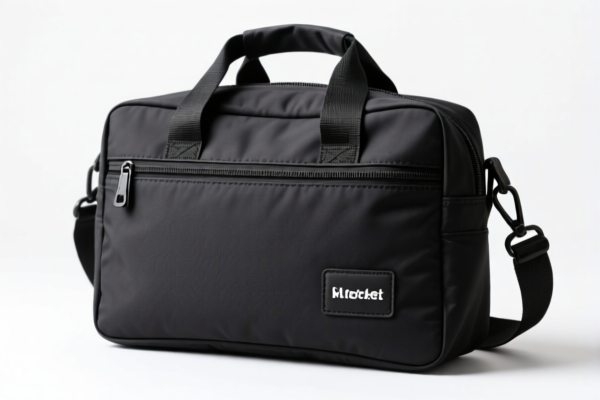
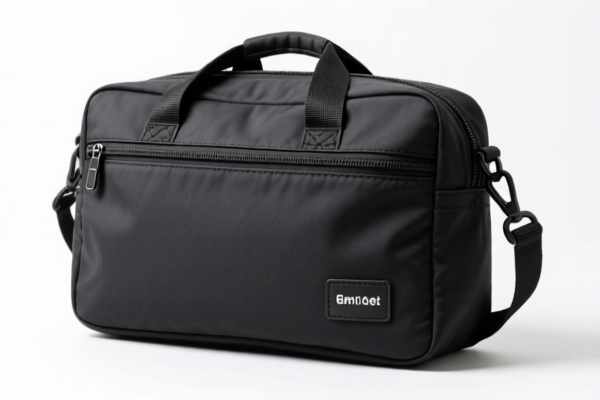
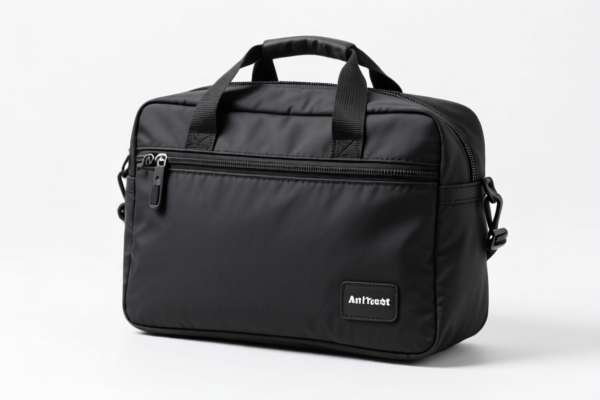
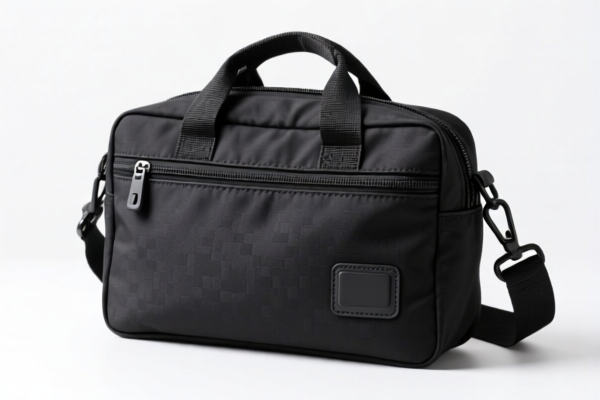
AI Analysis
🛡️ Anti-Fall Baton (Safety/Restraint Equipment)
🌐 HS Code Reference & Clearance Guide | 2026 Latest Tariff Analysis | Professional Customs Strategy
📌 I. Product Definition & Classification: What Exactly Is an "Anti-Fall Baton"?
An Anti-Fall Baton is a safety device used in occupational health, construction, or industrial settings. Its primary function is fall prevention, restraint, or personal safety. In international trade, these items are complex because they straddle the line between metal components, tools, and safety equipment.
The classification depends heavily on the material and the specific design purpose:
Iron/Steel Structural Supports:
- If the "baton" is primarily a support bracket, hanger, or connector for tubes/pipes (even if used in safety systems), it falls under Chapter 73 (Articles of Iron or Steel).
Specialized Safety Tools/Restraints:
- If the item is a standalone device for personal restraint or anti-fall protection made of steel, it may be classified under Chapter 82 (Hand Tools) or Chapter 90 (Optical/Medical/Safety Instruments), depending on its mechanical function.
⚠️ Key Distinction Point:
- Is it a structural support (like a pipe hanger)? → Chapter 73
- Is it a restraint tool or specialized safety device? → Chapter 82 or 90
📦 II. HS Code Classification Details (2026 Latest Tariff Authority对照)
| HS Code | Product Description | Application Scenario | Material/Function |
|---|---|---|---|
7326.90.86.88 |
Other articles of iron or steel: Other: Other: Other: Other | Generic steel safety brackets, non-specific steel supports | ✅ Iron/Steel, Structural |
7326.90.86.30 |
Other articles of iron or steel: Hangers and similar supports for tubes and pipes | Steel pipes/hangers used in industrial safety systems or fall arrest mounting points | ✅ Iron/Steel, Support/Hanger |
8205.99 |
Other safety or protective equipment: Anti-fall batons made of steel, intended for personal safety or restraint purposes | Steel batons used for restraint or personal safety (not just structural support) | ✅ Steel, Restraint Tool |
9018.19 |
Other safety or protective equipment: Anti-fall batons used in occupational safety or fall prevention systems | Specialized occupational safety devices, potentially electronic or complex mechanical fall prevention | ✅ Safety Equipment, Occupational |
🔍 Critical Reminder:
- If the item is simply a steel bracket holding a safety rail, use7326.90.86.88or7326.90.86.30.
- If it is a restraint baton (e.g., used by security or for worker tethering) made of steel,8205.99is a strong candidate.
- If it is part of a complex fall prevention system (e.g., with sensors or specific occupational safety certification),9018.19may apply, though tax retrieval failed in the reference data.
💰 III. 2026 Latest Tariff Rate Details (Including Surcharge Policies)
✅ Applicable Country: USA (US)
✅ Country of Origin: China (CN)
✅ Effective Date: 2025/2026 (Current Trade Policy)
🎯 1. 7326.90.86.88 & 7326.90.86.30 —— Iron/Steel Articles (Most Likely for Structural Parts)
| Item | Content |
|---|---|
| Base Duty | 2.9% (Ad Valorem) |
| Section 301 Surcharge | +25.0% (Standard US-China tariff) |
| Steel/Aluminum/Copper Surcharge | +50% (Specific "Steel, Aluminum, Copper Products" surcharge) |
| Total Effective Tax Rate | 77.9% |
| Tax Calculation | CIF Value × 77.9% |
| De Minimis Eligibility | ❌ No (High risk of seizure/retention for Chinese-origin steel goods) |
| Legal Basis | Base: 7326 → Section 301: 25% → Steel Surcharge: 50% |
📌 Explanation:
- These items are classified as steel articles.
- They are subject to the base tariff (2.9%), the Section 301 tariff (25%), AND the specific steel/aluminum/copper surcharge (50%).
- Total: 77.9%. This is an extremely high duty rate. Importers must budget for this or seek exemptions.
🎯 2. 8205.99 —— Other Tools/Equipment (Steel Anti-Fall Batons for Restraint)
| Item | Content |
|---|---|
| Base Duty | Failed to retrieve |
| Surcharge | Failed to retrieve |
| Total Tax | Error |
| Recommendation | Consult customs broker for current Chapter 82 rates for China-origin steel tools. Likely subject to Section 301 (25%) but may NOT qualify for the 50% steel surcharge if not "structural steel." |
📌 Note:
- Chapter 82 (Tools) sometimes has lower base rates.
- However, if the item is deemed a "steel product," the 50% surcharge might still apply.
- Due to "Error" in reference data, this requires verification.
🎯 3. 9018.19 —— Safety/Medical/Specialized Equipment
| Item | Content |
|---|---|
| Base Duty | Failed to retrieve |
| Surcharge | Failed to retrieve |
| Total Tax | Error |
| Recommendation | Chapter 90 often has lower base tariffs (0-5%). However, Section 301 (25%) likely applies. The 50% steel surcharge may NOT apply if it's not a "steel article" but a "safety device." |
📌 Note:
- If classified as safety equipment rather than steel articles, the 50% surcharge might be avoided.
- This is a critical strategic classification point.
🛠️ IV. Clearance Practical Advice (Actionable Pitfall Guide)
✅ 1. Preparation Checklist (Essential Documents)
| Document | Required | Description |
|---|---|---|
| ✅ Product Specifications | ✔️ | Detailed description: Is it a hanger? A restraint bar? A safety baton? |
| ✅ Material Composition | ✔️ | Confirm it is Iron/Steel. Non-steel materials may avoid the 50% surcharge! |
| ✅ Function Statement | ✔️ | Clearly state: "Used for pipe support" (HS 73) vs. "Used for worker restraint" (HS 82/90). |
| ✅ Photos | ✔️ | Show the item in use. Is it bolted to a wall? Held by a worker? |
| ✅ Commercial Invoice | ✔️ | Do NOT use vague terms like "Steel Bar." Use specific HS Code descriptions. |
| ✅ Origin Certificate | ✔️ | Prove non-China origin if claiming exemptions. |
✅ 2. Declaration Strategy (Key Mnemonics)
🔥 "Steel Support = 77.9% | Steel Restraint = Check 82/90!"
| Scenario | Correct HS Code | Risk |
|---|---|---|
| Steel bracket holding a safety rail | 7326.90.86.88 |
❌ 77.9% Tax (High) |
| Steel hanger for pipes in a safety system | 7326.90.86.30 |
❌ 77.9% Tax (High) |
| Steel baton used for worker restraint | 8205.99 |
⚠️ Uncertain (Verify 50% surcharge applicability) |
| Occupational safety fall-prevention device | 9018.19 |
⚠️ Uncertain (Potential lower tax if not "steel article") |
✅ 3. Special Handling Tips
| Situation | Advice |
|---|---|
| Non-Steel Alternatives | Consider Aluminum or Composite materials. If not Iron/Steel, the 50% steel surcharge may be avoided! |
| Component vs. System | If sold as part of a larger safety system, declare as System Accessory to potentially lower duty. |
| OEM Customization | Provide design drawings to prove it is a specialized tool (HS 82/90) rather than a generic steel article (HS 73). |
| Pre-Ruling | 🚀 Strongly Recommended: Apply for an Advance Ruling from US CBP to confirm if 8205.99 or 9018.19 is correct, avoiding the 77.9% tax. |
🌍 V. Global Market Comparison (2026)
| Country/Region | Recommended HS Code | Est. Duty | Certification | Notes |
|---|---|---|---|---|
| 🇺🇸 USA | 7326.90.86.88 |
77.9% | N/A | Highest risk due to steel surcharge. |
| 🇺🇸 USA | 8205.99 / 9018.19 |
? (Likely <50%) | N/A | Target Classification to reduce tax. |
| 🇨🇳 China | 7326.90.86.88 |
5-10% | CCC (if applicable) | Lower base tax, no Section 301. |
| 🇪🇺 EU | 7326.90.86.88 |
0-4.5% | CE | No Section 301. |
| 🇬🇧 UK | 7326.90.86.88 |
0-4.5% | UKCA | No Section 301. |
📌 Conclusion:
- USA is the most challenging market for Chinese-origin steel safety articles due to the 77.9% combined tax.
- Strategic Goal: Classify as Tool (HS 82) or Safety Equipment (HS 90) to avoid the 50% Steel Surcharge.
- Alternative Strategy: Use non-steel materials (e.g., aluminum, high-strength polymer) to bypass the steel-specific tariffs.
📌 VI. Common Mistakes & Pitfalls (Lessons Learned)
❌ Mistake 1: Declaring a steel restraint baton as "Steel Bar" (HS 73)
👉 Consequence: 77.9% tax!
👉 Solution: Declare as "Personal Safety Restraint Tool" (HS 82/90).
❌ Mistake 2: Ignoring the 50% Steel Surcharge
👉 Consequence: Unexpected $10,000+ duty bill on a $5,000 shipment.
👉 Solution: Always check for "Steel, Aluminum, Copper" surcharges.
❌ Mistake 3: Vague Description "Safety Baton"
👉 Consequence: Customs detention for misclassification.
👉 Solution: Provide detailed function: "Steel baton for worker fall restraint, NOT structural support."
✅ Correct Approach:
"Steel Fall-Restraint Baton for Occupational Safety, Model XYZ, Not for Structural Support"
🎯 VII. Conclusion: Smart Classification Saves Money!
🎯 Remember the Mnemonic:
🔹 "Steel Support = 77.9% | Steel Tool = Maybe Lower | Non-Steel = Best Option!"
🔹 "Don't be a Steel Bar, Be a Safety Tool!"
📌 Pro Tip:
If your anti-fall baton can be made of Aluminum or High-Intensity Plastic, you may avoid the 50% Steel Surcharge entirely.
Consult a customs broker immediately to classify under HS 8205.99 or 9018.19 and reduce costs.
📣 Take Action Now:
📞 Contact a Customs Broker
📝 Request HS Code Pre-Ruling
🚀 Optimize your supply chain for 2026 tariffs!
✨ Professional Clearance Starts with Accurate Classification!
💼 Every Percentage Point Saved is Profit Earned!
Customer Reviews
About HS Code Classification
The Harmonized System (HS) is an internationally standardized nomenclature developed by the World Customs Organization (WCO) to classify traded products. Over 200 countries use the HS system as the basis for customs tariffs, trade statistics, and import/export regulations.
Each HS code follows a hierarchical structure:
- Chapter (2 digits) — Broad category of goods (e.g., Chapter 84: Machinery and Mechanical Appliances)
- Heading (4 digits) — More specific grouping within the chapter
- Subheading (6 digits) — Internationally standardized breakdown, used by all WCO member countries
- National subdivisions (8-10 digits) — Country-specific extensions for further classification, such as US HTSUS 10-digit codes
Correct HS code classification is essential for smooth customs clearance, accurate duty payment, and compliance with trade regulations. Misclassification can lead to customs delays, overpayment of duties, or penalties.
When importing from CN to US, the applicable tariff rates may include:
- Most-Favored-Nation (MFN) rate — The standard duty rate applied to WTO members
- General rate — Applied to countries without trade agreements
- Trade remedy duties — Additional tariffs such as Section 301 (anti-dumping), Section 232 (national security), or countervailing duties
The information provided on this page is for reference purposes only. For official classification, please consult with your local customs authority or a licensed customs broker.