Anti lost Rope
CN → US| HS Code | Tariff Rate | Origin | Destination | Doc |
|---|---|---|---|---|
| 5609001000 | 37.9% | CN | US | Official Doc |
| 5607909000 | 41.3% | CN | US | Official Doc |
| 5609004000 | 38.9% | CN | US | Official Doc |
| 7315895000 | 88.9% | CN | US | Official Doc |
| 7117909000 | 28.5% | CN | US | Official Doc |
Product Images
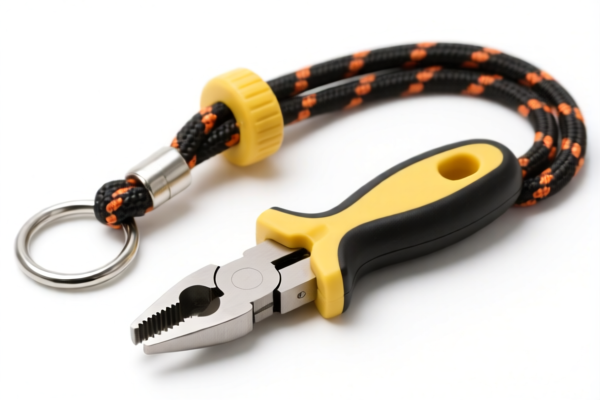
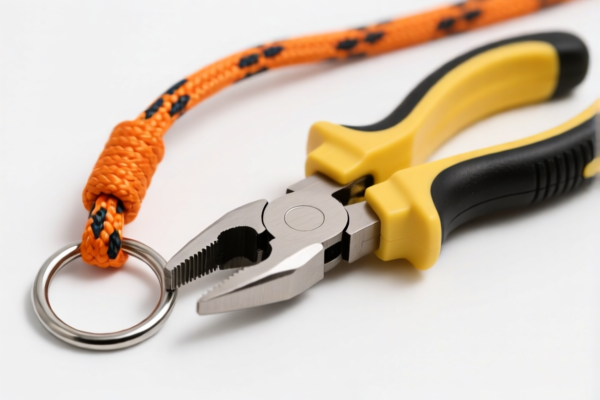
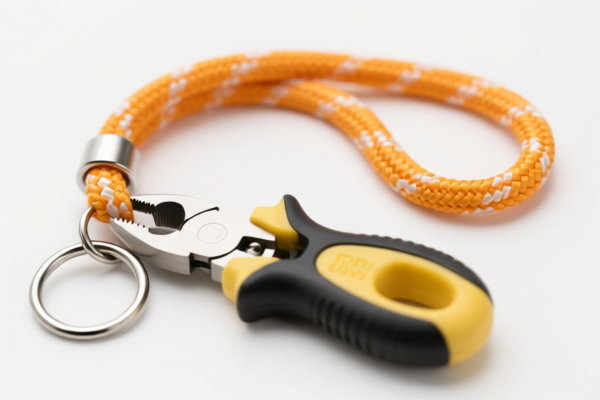
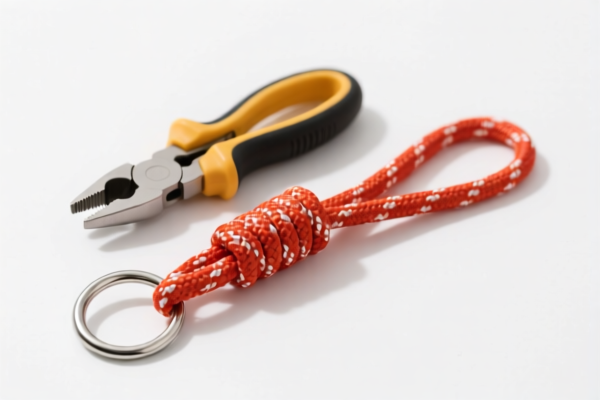
AI Analysis
🧶 Anti-Lost Rope / Chain (防丢绳/链)
🌐 HS Code Reference & Clearance Guide | 2026 Latest Tariff Analysis | Professional Customs Strategy
📌 Part 1: Product Definition & Classification Analysis
The term "Anti-Lost Rope" is ambiguous in international trade. It typically refers to items used to prevent the loss of valuables (keys, cards, bags). Depending on the material, structure, and perceived function, it can be classified into three distinct categories: Textile Ropes/Straps, Metal Chains, or Imitation Jewelry Accessories.
⚠️ Critical Distinction Point:
- If it is a fabric/cotton strap → It is classified as a Textile Rope/Strap (Chapter 56 or 58).
- If it is a metal link chain → It is classified as a Metal Chain/Accessory (Chapter 73).
- If it is a decorative strap perceived as an accessory → It may be classified as Imitation Jewelry (Chapter 71).
📦 Part 2: HS Code Classification Matrix (2026 Latest Tariff Rules)
| HS Code | Product Description | Material Assumption | Key Classification Logic |
|---|---|---|---|
5609.00.10.00 |
Articles of yarn or string, for clothing accessories, etc. | Cotton / Fabric | Shape matches "rope/string"; assumed cotton-based due to lack of specific material info. |
5607.90.90.00 |
Other ropes, cords, and cables (not braided or plaited) | Other Fibers | General "rope" category; "Other" subheading catches non-specific fiber types without material conflict. |
5609.00.40.00 |
Other articles of yarn or string (e.g., straps, lanyards) | Fibers/Textile | "Rope" fits the form; inferred as fiber-based; fits the "Other" fallback attribute. |
7315.89.50.00 |
Iron/Steel chains and parts thereof | Iron / Steel | Name "Anti-Lost Chain" implies metal; structure is "chain"; fits "Other chains" of iron/steel. |
7117.90.90.00 |
Imitation jewelry | Plastic / Metal Alloy | Inferred as a decorative accessory; fits "Imitation jewelry" under "Other" due to lack of specific precious material. |
🔍 Key Reminder:
- The material is the deciding factor. Since the input "Anti-Lost Rope" does not specify material, we rely on common sense inference and morphological consistency.
- Textile items (Rope/Strap) vs. Metal items (Chain) leads to drastically different tax rates (28%–89%).
💰 Part 3: 2026 Latest Tariff Rate Breakdown (Including Surtaxes & Policy Add-ons)
✅ Applicable Country: USA (US)
✅ Origin: China (CN)
✅ Effective Date: 2025/2026 Period (Post-Trade War Rates)
🎯 1. 5609.00.10.00 — Textile Rope/Strap (Cotton Assumed)
| Item | Detail |
|---|---|
| Base Tariff | 2.9% |
| Section 301 Surtax | +25.0% |
| 122 Section Tariff | +10.0% |
| Total Effective Rate | 37.9% |
| Calculation | CIF Value × 37.9% |
| Legal Basis | Base HTS → Section 301 (Footnote 9903.88.01) → 122 Section (IEEPA) |
📌 Explanation:
- This classification assumes a cotton-based textile strap.
- The 10% additional tariff (Section 122) is applied on top of the standard 301 tariffs for many textile/fiber products from China.
- Warning: Textile imports are highly scrutinized for origin labeling (Country of Origin).
🎯 2. 5607.90.90.00 — Other Ropes (Non-Specific Fiber)
| Item | Detail |
|---|---|
| Base Tariff | 6.3% |
| Section 301 Surtax | +25.0% |
| 122 Section Tariff | +10.0% |
| Total Effective Rate | 41.3% |
| Calculation | CIF Value × 41.3% |
| Legal Basis | Base HTS → Section 301 → 122 Section |
📌 Explanation:
- Used when the rope is made of a fiber other than cotton (e.g., nylon, polyester) but doesn't fit other specific rope codes.
- Higher base rate (6.3%) than cotton rope, leading to a higher total tax.
🎯 3. 5609.00.40.00 — Other Textile Articles (Straps/Lanyards)
| Item | Detail |
|---|---|
| Base Tariff | 3.9% |
| Section 301 Surtax | +25.0% |
| 122 Section Tariff | +10.0% |
| Total Effective Rate | 38.9% |
| Calculation | CIF Value × 38.9% |
| Legal Basis | Base HTS → Section 301 → 122 Section |
📌 Explanation:
- Often used for fabric lanyards or woven straps that are finished articles (not just raw rope).
- Moderate tax rate, but still subject to the punitive 122 Section tariff.
🎯 4. 7315.89.50.00 — Iron/Steel Chains (Metal Assumed)
| Item | Detail |
|---|---|
| Base Tariff | 3.9% |
| Section 301 Surtax | +25.0% |
| 122 Section Tariff | +10.0% |
| Steel/Aluminum/Copper Surcharge | +50.0% |
| Total Effective Rate | 88.9% |
| Calculation | CIF Value × 88.9% |
| Legal Basis | Base HTS → Section 301 → 122 Section → Section 232 (Steel/Aluminum Tariff) |
🚨 CRITICAL WARNING:
- If classified as Iron/Steel Chain, you face the Section 232 Tariff (50% surcharge) for steel products from China, ON TOP OF the 301 and 122 tariffs.
- Total Tax: 88.9%. This is an extremely high barrier.
- Strategy: Avoid this classification if possible. If the product is plastic-coated or alloy-based, argue for a different HS Code.
🎯 5. 7117.90.90.00 — Imitation Jewelry (Decorative Accessory)
| Item | Detail |
|---|---|
| Base Tariff | 11.0% |
| Section 301 Surtax | +7.5% |
| 122 Section Tariff | +10.0% |
| Total Effective Rate | 28.5% |
| Calculation | CIF Value × 28.5% |
| Legal Basis | Base HTS → Section 301 → 122 Section |
✅ Best Option for Cost Saving:
- If the "Anti-Lost Rope" is decorative, made of plastic or base metal, and used as a fashion accessory, this is the most tax-efficient classification.
- Lowest Total Rate (28.5%) among all options.
- Rationale: The Section 301 tariff for imitation jewelry is often lower (7.5%) compared to textiles (25%) or steel (25%+50%).
🛠️ Part 4: Customs Clearance Practical Advice (Real-World Pitfalls)
✅ 1. Documentation Checklist (Must-Haves)
| Document | Required | Purpose |
|---|---|---|
| ✅ Product Photos | ✔️ | Must show material (fabric vs. metal links) clearly. |
| ✅ Material Composition Sheet | ✔️ | Specify: "100% Cotton," "Polyester Webbing," "Zinc Alloy," or "Plastic." |
| ✅ Function Description | ✔️ | "Fashion accessory," "Bag charm," vs. "Industrial lifting rope." |
| ✅ Commercial Invoice | ✔️ | Use precise terms: "Textile Lanyard" or "Metal Chain Bracelet," NOT generic "Rope." |
| ✅ Country of Origin Certificate | ✔️ | Essential for proving China origin (triggers tariffs). |
✅ 2. Classification Strategy & Naming Tips
🔥 Golden Rule: "Name the Material, Declare the Form, Avoid 'Rope' Ambiguity!"
| Scenario | Recommended Name | Preferred HS Code | Why? |
|---|---|---|---|
| Fabric Keychain Strap | "Cotton Fabric Lanyard for Bags" | 5609.00.10.00 |
Clear textile item; moderate tax (37.9%). |
| Plastic/Resin Decorative Strap | "Imitation Jewelry Accessory Strap" | 7117.90.90.00 |
Lowest Tax (28.5%); leverages "Jewelry" category. |
| Metal Link Chain | "Zinc Alloy Decorative Chain" | Avoid 7315! Try 8308 (Clasps) or 7117 if artistic. |
7315 triggers 88.9% tax. Argue it's not a "structural chain." |
| Nylon Webbing | "Polyester Webbing Strap" | 5607.90.90.00 |
Standard for synthetic ropes; high tax (41.3%). |
✅ 3. Special Handling for Steel Chains (7315.89.50.00)
⚠️ High Risk Alert:
- If you import actual metal chains, the US imposes a 50% Section 232 tariff on steel products.
- Total Tax: 88.9%.
- Mitigation:
1. Material Change: Use plastic, nylon, or aluminum (if aluminum tariffs differ).
2. Reclassification: Argue the item is a fashion accessory (Imitation Jewelry,7117.90.90.00) rather than an industrial chain.
3. Kitting: Combine with other items to change the essential character (complex, requires professional advice).
🌍 Part 5: Market Comparison & Conclusion
| Market | Recommended HS Code | Est. Total Tax (China Origin) | Note |
|---|---|---|---|
| 🇺🇸 USA | 7117.90.90.00 |
28.5% | Lowest Risk/Cost. Use "Imitation Jewelry" if applicable. |
| 🇺🇸 USA | 5609.00.10.00 |
37.9% | Acceptable for standard cotton straps. |
| 🇺🇸 USA | 7315.89.50.00 |
88.9% | Avoid. Steel tariffs are prohibitive. |
| 🇪🇺 EU | Varies | 0–12% | EU does not have Section 301/122 tariffs. Check EAD codes. |
| 🇨🇳 China | Varies | 0–6% | Domestic import duties are low, but this guide focuses on US Import. |
📌 Final Conclusion:
- Do not use generic "Rope" or "Chain" in declarations.
- Best Practice: If the item is a fashion accessory (bag charm, key strap), classify under7117.90.90.00(Imitation Jewelry) to achieve the lowest tariff of 28.5%.
- High Risk: Avoid7315.89.50.00(Iron Chains) due to the 88.9% total tax burden from Section 232 + 301 + 122 tariffs.
📌 Part 6: Common Errors & Pitfalls (Lessons Learned)
❌ Error 1: Calling a metal chain a "Rope"
👉 Consequence: Customs may reclassify to Steel Products → 88.9% Tax + Penalties.
❌ Error 2: Calling a fabric strap "Imitation Jewelry" without proof
👉 Consequence: Customs rejects jewelry classification → Back to 37.9% Textile Rate.
❌ Error 3: Omitting "Section 122" Tariff in cost calculation
👉 Consequence: Unexpected 10% additional cost on textiles and jewelry from China.
✅ Correct Approach:
"Fashion Accessory, Cotton Lanyard, for Bag Decoration, Model XYZ, 100% Cotton"
OR
"Imitation Jewelry, Plastic Decorative Strap, Model ABC"
🎯 Part 7: Summary & Action Plan
🎯 Key Takeaway:
🔹 "Material is King, Form is Queen. Avoid Steel Chains at All Costs!"
🔹 "Textile = ~38%, Jewelry = ~28.5%, Steel Chain = ~89%."
🔹 "Declare accurately to save 60% in duties."
📌 Pro Tip:
If your product is plastic or resin, strongly advocate for 7117.90.90.00 (Imitation Jewelry). This saves you ~10% in taxes compared to textile rope classifications and avoids the prohibitive 88.9% steel tariff.
📣 Immediate Action:
📞 Contact Your Broker: Provide photos and material specs. Ask: "Can we classify this as Imitation Jewelry (
7117.90.90.00) to mitigate the 122 Section tariff impact?"
🚀 Optimize: Rebrand fabric/nylon items as "Fashion Lanyards" rather than "Ropes" to support the Jewelry/Accessory classification where possible.
✨ Professional Clearance Starts with Precise Classification!
💼 Every percentage point saved is pure profit.
Customer Reviews
About HS Code Classification
The Harmonized System (HS) is an internationally standardized nomenclature developed by the World Customs Organization (WCO) to classify traded products. Over 200 countries use the HS system as the basis for customs tariffs, trade statistics, and import/export regulations.
Each HS code follows a hierarchical structure:
- Chapter (2 digits) — Broad category of goods (e.g., Chapter 84: Machinery and Mechanical Appliances)
- Heading (4 digits) — More specific grouping within the chapter
- Subheading (6 digits) — Internationally standardized breakdown, used by all WCO member countries
- National subdivisions (8-10 digits) — Country-specific extensions for further classification, such as US HTSUS 10-digit codes
Correct HS code classification is essential for smooth customs clearance, accurate duty payment, and compliance with trade regulations. Misclassification can lead to customs delays, overpayment of duties, or penalties.
When importing from CN to US, the applicable tariff rates may include:
- Most-Favored-Nation (MFN) rate — The standard duty rate applied to WTO members
- General rate — Applied to countries without trade agreements
- Trade remedy duties — Additional tariffs such as Section 301 (anti-dumping), Section 232 (national security), or countervailing duties
The information provided on this page is for reference purposes only. For official classification, please consult with your local customs authority or a licensed customs broker.