Anti slip Coaster
CN → US| HS Code | Tariff Rate | Origin | Destination | Doc |
|---|---|---|---|---|
| 3924104000 | 13.4% | CN | US | Official Doc |
| 3924901050 | 13.3% | CN | US | Official Doc |
| 6912004810 | 19.8% | CN | US | Official Doc |
| 4420110010 | 13.2% | CN | US | Official Doc |
| 4420110090 | 13.2% | CN | US | Official Doc |
Product Images
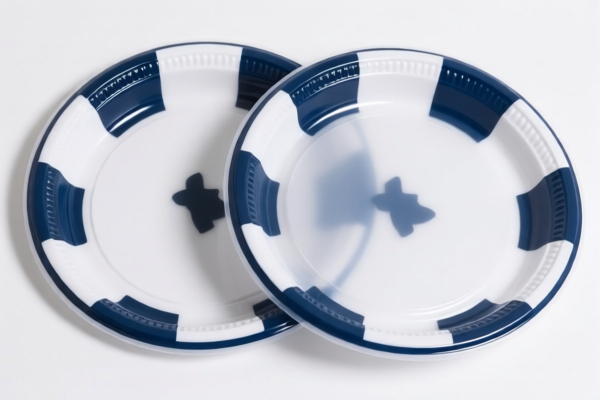
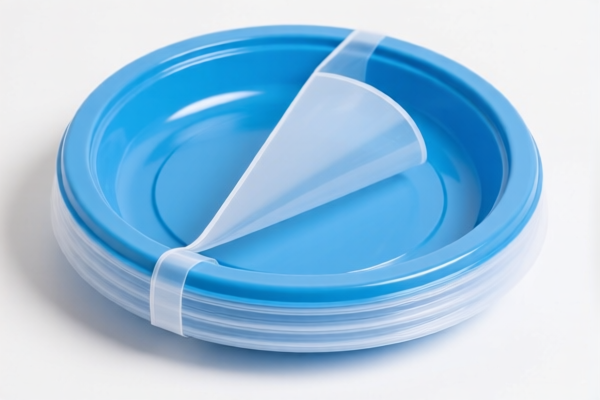


AI Analysis
🛑 Anti-Slip Coaster (Non-Slip Drink Coaster)
🌐 HS Code Reference & Customs Clearance Guide | 2026 Latest Tariff Analysis | Professional Logistics Strategy
📌 I. Product Definition & Classification: What Exactly is an "Anti-Slip Coaster"?
An Anti-Slip Coaster is a small protective pad placed under drinking vessels (cups, mugs, glasses) to prevent water rings, heat damage, and slipping on surfaces. In international trade, classification depends strictly on the base material and intended use, as different materials fall under distinct HS Code chapters (Plastics, Ceramics, Wood, etc.).
⚠️ Critical Distinction Points:
- Plastic coasters → Chapter 39 (Plastics)
- Ceramic coasters → Chapter 69 (Ceramic products)
- Wood/Bamboo coasters → Chapter 44 (Wood)Note: The "anti-slip" feature (rubber pads, silicone coating, textured surface) is considered a functional accessory and does not change the primary material classification.
📦 II. HS Code Classification Details (2026 Tariff Schedule)
Based on current US Customs & Border Protection (CBP) data and 2026 projections, here is the breakdown for Anti-Slip Coasters:
| HS Code | Material Composition | Product Summary | Tax Rate (Total) |
|---|---|---|---|
| 3924.10.40.00 | Plastic | Plastic furniture drink coasters, used for tableware/home goods | 13.4% |
| 3924.90.10.50 | Plastic | Plastic furniture drink coasters (specifically "table mats" category) | 13.3% |
| 6912.00.48.10 | Ceramic/Resin/Wood | Ceramic, wooden, or resin drink coasters for supporting cups | 19.8% |
| 4420.11.00.10 | Wood/Bamboo | Wood/Bamboo furniture drink coasters (cutlery/kitchen category) | 13.2% |
| 4420.11.00.90 | Wood/Bamboo | Wood/Bamboo furniture drink coasters (fallback category) | 13.2% |
🔍 Key Insight:
- Plastic options (3924 series) carry the lowest total tax (13.3% - 13.4%).
- Ceramic options (6912) face the highest total tax (19.8%) due to higher base duties.
- Wood/Bamboo (4420) sits in the middle, depending on specific sub-category.
💰 III. 2026 Latest Tariff Rate Breakdown (Detailed Policy Analysis)
✅ Applicable Market: USA (US)
✅ Origin: China (CN)
✅ Effective Date: Current rates apply with specific "Section 301" & "Section 122" implications.
🎯 1. Plastic Coasters (3924.10.40.00 & 3924.90.10.50)
| Item | Content |
|---|---|
| Base Tariff | 3.3% ~ 3.4% |
| Section 301 / Add-on | 0.0% (Note: Check specific 301 list updates; some plastic items may have 0% add-on) |
| Section 122 Tax | 10.0% (Specific punitive tariff for certain plastics/tableware) |
| Total Tax Rate | 13.3% - 13.4% |
| Calculation | CIF Value × 13.3% / 13.4% |
| De Minimis | ❌ No (High-value commercial shipments are not eligible) |
| Legal Path | HTSUS:3924.10.40.00 + Section 122:10% |
📌 Explanation:
- The 10% "Section 122" tax is a specific anti-dumping or punitive duty applied to plastic tableware originating from China.
- The base tariff is relatively low (~3.3%), but the 10% add-on is the dominant cost factor.
- Total cost impact: Significant for high-volume plastic shipments.
🎯 2. Ceramic/Resin Coasters (6912.00.48.10)
| Item | Content |
|---|---|
| Base Tariff | 9.8% |
| Section 301 / Add-on | 0.0% |
| Section 122 Tax | 10.0% |
| Total Tax Rate | 19.8% |
| Calculation | CIF Value × 19.8% |
| De Minimis | ❌ No |
| Legal Path | HTSUS:6912.00.48.10 + Section 122:10% |
📌 Explanation:
- Ceramic items have a higher base duty (9.8%) compared to plastics.
- Combined with the 10% Section 122, this results in the highest tax burden (19.8%) among coaster types.
- Risk: High sensitivity to price fluctuations due to base duty.
🎯 3. Wood/Bamboo Coasters (4420.11.00.10 & 4420.11.00.90)
| Item | Content |
|---|---|
| Base Tariff | 3.2% |
| Section 301 / Add-on | 0.0% |
| Section 122 Tax | 10.0% |
| Total Tax Rate | 13.2% |
| Calculation | CIF Value × 13.2% |
| De Minimis | ❌ No |
| Legal Path | HTSUS:4420.11.00.x0 + Section 122:10% |
📌 Explanation:
- Wood/Bamboo coasters enjoy the lowest base duty (3.2%) but still suffer the 10% Section 122 penalty.
- Total tax (13.2%) is slightly lower than plastic variants but higher than pure wood exemptions (if any existed, which is not the case here).
- Strategy: Verify if the wood is "processed" vs. "natural" to ensure correct sub-classification (00.10vs00.90).
🛠️ IV. Customs Clearance Practical Advice (Actionable Tips)
✅ 1. Documentation Checklist (Must-Have)
| Document | Requirement | Purpose |
|---|---|---|
| Product Specification Sheet | ✔️ | Must clearly state: Material (Plastic/Ceramic/Wood), Dimensions, Anti-slip mechanism (e.g., silicone base). |
| Material Declaration | ✔️ | Crucial for distinguishing between 3924 (Plastic), 6912 (Ceramic), and 4420 (Wood). |
| Photos of Product & Label | ✔️ | Show the anti-slip side (e.g., rubber pad) to prove functionality without misclassification. |
| Commercial Invoice | ✔️ | Must list "Anti-Slip Coaster" as the description, not generic "Table Mat". |
| Packing List | ✔️ | Separate plastic and ceramic items if shipping together (different HS codes = different duties). |
✅ 2. Classification Strategy (Golden Rules)
🔥 "Material First, Function Second!"
| Scenario | Correct HS Code | Wrong Approach | Consequence |
|---|---|---|---|
| Plastic base with rubber grip | 3924.10.40.00 (Plastic) |
Classify as "Rubber" or "Mixed" | Risk: Over-classification or penalty for incorrect material declaration. |
| Ceramic base with felt pad | 6912.00.48.10 (Ceramic) |
Classify as "Plastic" | Risk: 19.8% tax applied instead of potential lower rate (if applicable); audit risk. |
| Wood/Bamboo coaster | 4420.11.00.10 |
Classify as 3924 (Plastic) |
Risk: 13.2% vs 13.4% difference; but more importantly, material fraud risk. |
⚠️ Critical Warning:
The 10% Section 122 tax applies to ALL these coaster categories if they fall under the specific "Tableware" or "Plastics" list. Do not assume "Home Goods" means lower tax.
✅ 3. Special Handling Scenarios
| Situation | Recommendation |
|---|---|
| Mixed Shipments | Separate boxes by material. Do not mix Plastic and Ceramic in one carton without clear declaration. |
| Anti-Slip Feature | If the anti-slip material is 100% silicone/rubber and covers the whole bottom, it still follows the base material (e.g., Plastic coaster with silicone bottom = 3924). |
| Gift Sets | If coasters are part of a "Gift Set" with other items, the Principal Use Rule applies. If the coaster is the main item, classify as 3924/6912/4420. |
🌍 V. Global Market Comparison (2026 Outlook)
| Country/Region | Recommended HS Code | Total Duty | Certification | Notes |
|---|---|---|---|---|
| 🇺🇸 USA | 3924.10.40.00 (Plastic)6912.00.48.10 (Ceramic) |
13.3% - 19.8% | No specific certification | Section 122 (10%) is the key cost driver. |
| 🇨🇳 China | 3924.10.40.00 |
~3.4% | CCC | Export tax exemption |
| 🇪🇺 EU | 3924.10.40.00 |
0% - 4% | CE + RoHS | No Section 122 equivalent, but VAT applies. |
| 🇯🇵 Japan | 3924.10.40.00 |
0% - 3% | PSE | Low duty, but high quality standards. |
📌 Conclusion:
- The USA market is the most expensive due to the Section 122 10% punitive tariff.
- Plastic coasters offer the lowest total duty (13.3%).
- Ceramic coasters are the most expensive to import (19.8%).
📌 VI. Common Pitfalls & Avoidance Guide
❌ Mistake 1: Calling it "Table Mat" instead of "Coaster"
👉 Result: May trigger additional scrutiny or misclassification as 9507 (Other) or 4420. Stick to "Coaster".
❌ Mistake 2: Declaring "Mixed Material" for a Plastic coaster with rubber pads
👉 Result: Customs may reject and demand detailed material breakdown. Always declare by primary material.
❌ Mistake 3: Ignoring the 10% Section 122 Tax
👉 Result: Unexpected cost increase. Budget for 13.2% - 19.8% total duty, not just base rate.
❌ Mistake 4: Shipping Ceramic and Plastic together without separation
👉 Result: 19.8% applied to the entire shipment if declared as "Mixed" or if inspection finds ceramic. Separate by material!
✅ Best Practice:
"Plastic Anti-Slip Coaster, 100mm Diameter, Silicone Bottom, Model X-100, Origin: China"
HS Code:3924.10.40.00
Duty: 13.4% (Base 3.4% + Section 122 10%)
🎯 VII. Conclusion: Smart Logistics for Coaster Exporters
🎯 Key Takeaway:
"Material is King, Section 122 is the Taxman!"
- Plastic = Best ROI (13.3% total)
- Ceramic = Highest Cost (19.8% total)
- Wood = Mid-range (13.2% total)
📌 Action Items:
1. Verify Material: Is it truly plastic, ceramic, or wood?
2. Check Section 122: Confirm if the specific HS Code triggers the 10% add-on.
3. Separate Shipments: Never mix materials in one declaration.
4. Document Everything: Keep material specs ready for customs audit.
📣 Final Call to Action:
📞 Contact your Customs Broker to confirm the latest
Section 122list.
🚀 Optimize your product line: Focus on Plastic coasters to minimize the 10% punitive tariff impact.
💡 Precision in Classification = Profit in Pocket!
✨ Professional Customs Clearance Starts with the Right HS Code!
💼 Every 1% tax difference can make or break your margin!
Customer Reviews
About HS Code Classification
The Harmonized System (HS) is an internationally standardized nomenclature developed by the World Customs Organization (WCO) to classify traded products. Over 200 countries use the HS system as the basis for customs tariffs, trade statistics, and import/export regulations.
Each HS code follows a hierarchical structure:
- Chapter (2 digits) — Broad category of goods (e.g., Chapter 84: Machinery and Mechanical Appliances)
- Heading (4 digits) — More specific grouping within the chapter
- Subheading (6 digits) — Internationally standardized breakdown, used by all WCO member countries
- National subdivisions (8-10 digits) — Country-specific extensions for further classification, such as US HTSUS 10-digit codes
Correct HS code classification is essential for smooth customs clearance, accurate duty payment, and compliance with trade regulations. Misclassification can lead to customs delays, overpayment of duties, or penalties.
When importing from CN to US, the applicable tariff rates may include:
- Most-Favored-Nation (MFN) rate — The standard duty rate applied to WTO members
- General rate — Applied to countries without trade agreements
- Trade remedy duties — Additional tariffs such as Section 301 (anti-dumping), Section 232 (national security), or countervailing duties
The information provided on this page is for reference purposes only. For official classification, please consult with your local customs authority or a licensed customs broker.