Anti slip Floor Mat Sticker
CN → US| HS Code | Tariff Rate | Origin | Destination | Doc |
|---|---|---|---|---|
| 4016910000 | 37.7% | CN | US | Official Doc |
| 3919905060 | 40.8% | CN | US | Official Doc |
| 5907001500 | 43.0% | CN | US | Official Doc |
| 3919102055 | 40.8% | CN | US | Official Doc |
| 5907006000 | 35.0% | CN | US | Official Doc |
Product Images
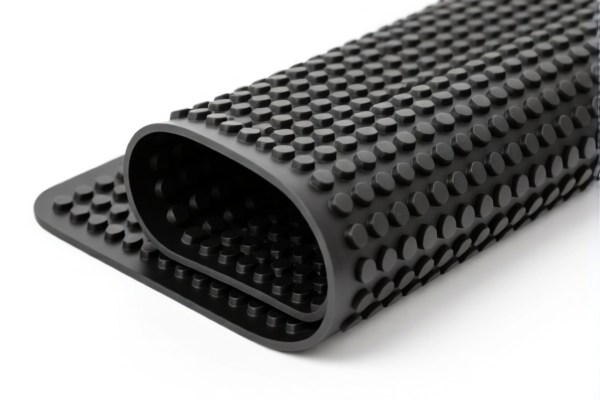
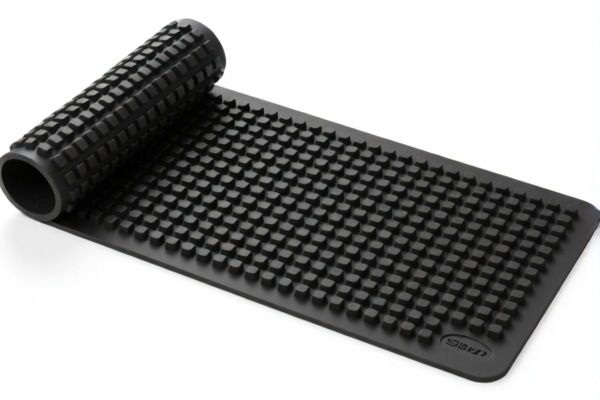
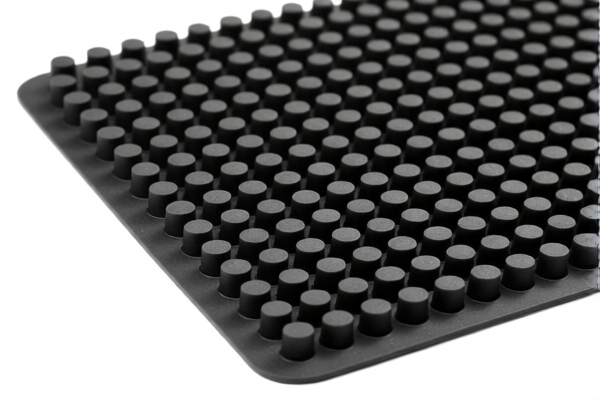
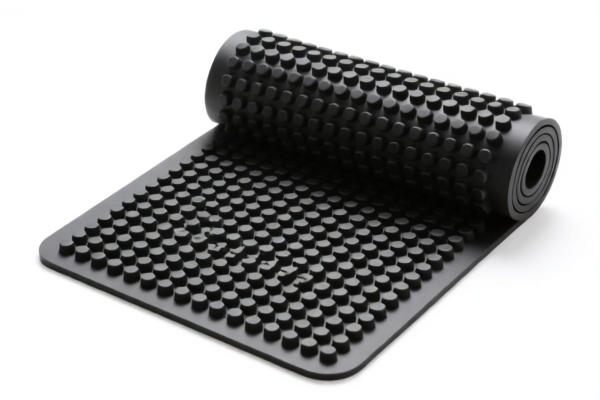
AI Analysis
🛡️ Anti-Slip Floor Mat Sticker: The Ultimate HS Code & Tax Strategy Guide (2026 Update)
🌐 HS Code Reference & Customs Clearance Guide | 2026 Latest Tariff Analysis | Professional Clearance Strategy
📌 1. Product Definition & Classification: Do You Really Understand "Anti-Slip Stickers"?
Anti-slip floor mat stickers are flat, self-adhesive products designed to provide traction and safety on various surfaces (floors, stairs, vehicles). In international trade, they are not a single unified category. Their classification depends entirely on material composition and structural form.
Key Classification Distinctions: - Plastic-Based (PVC/PE): Classified as plastic plates, sheets, or film. → HS Code: 3919.90.50.60 - Rubber/Elastomer-Based: Classified as other vulcanized rubber articles (mats/pads). → HS Codes: 4016.91.00.00 / 4016.99.60.50 - Textile/Synthetic Fiber-Based: Classified as impregnated, coated, or covered textile fabrics. → HS Codes: 5907.00.15.00 / 5907.00.60.00
⚠️ Critical Distinction Point:
- If the material is rigid/flexible plastic (PVC/PE), it falls under Chapter 39.
- If the material is rubber-like, it falls under Chapter 40.
- If the material is fabric/fiber with a coating, it falls under Chapter 59.
- Misclassification is the #1 cause of customs delays and tax overpayments.
📦 2. HS Code Classification Details (2026 Authoritative Tariff Matching)
| HS Code | Product Description | Applicable Scenario | Material Type |
|---|---|---|---|
3919.90.50.60 |
Self-adhesive plastic plates, sheets, film, tape, and other flat shapes | PVC/PE anti-slip stickers; plastic-based safety strips | Plastic (PVC/PE) |
4016.91.00.00 |
Other vulcanized rubber articles: Mats and mats | Rubber anti-slip mats; rubber-based floor grips | Rubber/Elastomer |
4016.99.60.50 |
Other vulcanized rubber articles: Other | General rubber anti-slip products not elsewhere specified | Rubber/Elastomer |
5907.00.15.00 |
Textile fabrics coated, covered, or impregnated with plastics | Textile-based anti-slip patches with plastic coating | Textile/Synthetic Fiber |
5907.00.60.00 |
Textile fabrics impregnated, coated, covered or stratified with rubber, plastics or other substances | Synthetic fabric-based anti-slip sheets | Synthetic Fiber/Rubber-Coated |
🔍 Key Reminder:
- "Self-adhesive" is a feature, not a classification basis. You must classify by material.
- If the product is PVC, use3919....
- If the product is Rubber, use4016....
- If the product is Fabric with coating, use5907....
💰 3. 2026 Latest Tariff Rate Breakdown (Including Surcharges & Policy Add-ons)
✅ Applicable Country: United States (US)
✅ Origin: China (CN)
✅ Effective Time: November 10, 2025 (including subsequent imports)
🎯 1. 3919.90.50.60 —— Plastic Anti-Slip Stickers (PVC/PE)
| Item | Content |
|---|---|
| Base Tariff | 5.8% |
| Section 301 Surcharge | +25.0% |
| Section 122 Tariff | +10.0% |
| Total Tax Rate | 40.8% |
| Tax Calculation | CIF Value × 40.8% |
| De Minimis Eligible? | ❌ No (deny_de_minimis) |
| Legal Basis Path | Base: 3919.90.50.60 → Sec301: 25% → Sec122: 10% |
📌 Explanation:
- Base 5.8%: Standard MFN rate for plastic tapes/stickers.
- Sec 301 25%: Trade war surcharge on Chinese plastic goods.
- Sec 122 10%: Additional surcharge on certain plastic articles from China.
- Total 40.8%: High tax burden. Do not use de minimis (Section 321) for clearance.
🎯 2. 4016.91.00.00 & 4016.99.60.50 —— Rubber Anti-Slip Mats
A. 4016.91.00.00 (Mats/Pads)
| Item | Content |
|---|---|
| Base Tariff | 2.7% |
| Section 301 Surcharge | +25.0% |
| Section 122 Tariff | +10.0% |
| Total Tax Rate | 37.7% |
| Tax Calculation | CIF Value × 37.7% |
| De Minimis Eligible? | ❌ No |
| Legal Basis Path | Base: 4016.91.00.00 → Sec301: 25% → Sec122: 10% |
B. 4016.99.60.50 (Other Rubber Articles)
| Item | Content |
|---|---|
| Base Tariff | 2.5% |
| Section 301 Surcharge | +25.0% |
| Section 122 Tariff | +10.0% |
| Total Tax Rate | 37.5% |
| Tax Calculation | CIF Value × 37.5% |
| De Minimis Eligible? | ❌ No |
| Legal Basis Path | Base: 4016.99.60.50 → Sec301: 25% → Sec122: 10% |
📌 Note:
- Rubber-based anti-slip products have slightly lower total tax (37.5–37.7%) compared to plastic (40.8%).
- Both are subject to Section 122 and Section 301.
- Ensure the material is truly vulcanized rubber to justify this classification.
🎯 3. 5907.00.15.00 & 5907.00.60.00 —— Textile/Fiber Anti-Slip Patches
A. 5907.00.15.00 (Textile Coated with Plastic)
| Item | Content |
|---|---|
| Base Tariff | 8.0% |
| Section 301 Surcharge | +25.0% |
| Section 122 Tariff | +10.0% |
| Total Tax Rate | 43.0% |
| Tax Calculation | CIF Value × 43.0% |
| De Minimis Eligible? | ❌ No |
| Legal Basis Path | Base: 5907.00.15.00 → Sec301: 25% → Sec122: 10% |
B. 5907.00.60.00 (Textile Coated/Impregnated with Other Substances)
| Item | Content |
|---|---|
| Base Tariff | 0.0% |
| Section 301 Surcharge | +25.0% |
| Section 122 Tariff | +10.0% |
| Total Tax Rate | 35.0% |
| Tax Calculation | CIF Value × 35.0% |
| De Minimis Eligible? | ❌ No |
| Legal Basis Path | Base: 5907.00.60.00 → Sec301: 25% → Sec122: 10% |
📌 Critical Insight:
-5907.00.60.00offers the lowest total tax rate (35.0%) among all options!
- However, it is only applicable if the product is textile-based with coating/impregnation.
- Do NOT force-classify plastic as textile. Customs will reject it and impose penalties.
🛠️ 4. Customs Clearance Practical Advice (Battle-Tested Pitfall Avoidance)
✅ 1. Document Checklist (Mandatory)
| Document | Required | Notes |
|---|---|---|
| ✅ Product Specification Sheet | ✔️ | Must specify exact material (e.g., "100% PVC", "Natural Rubber", "Polyester with PU coating") |
| ✅ Material Composition Report | ✔️ | Third-party lab test confirming % of material |
| ✅ Product Photos (with Label) | ✔️ | Clear view of texture, adhesive side, and any certification marks |
| ✅ Commercial Invoice | ✔️ | Must match HS Code description exactly (e.g., "PVC Anti-Slip Sticker" vs. "Rubber Mat") |
| ✅ Packing List | ✔️ | List quantities and weights per package |
| ✅ Certificate of Origin (CO) | ✔️ | To prove origin as China (triggering Sec 301/122) |
✅ 2. Declaration Tips (Key Mantra)
🔥 “Material First, Not Shape! Name Precise, Tax Low!”
| Scenario | Correct Declaration | Wrong Declaration |
|---|---|---|
| PVC Sticker | 3919.90.50.60 - "Plastic Self-Adhesive Flat Shape" |
"Anti-Slip Mat" → Ambiguous |
| Rubber Mat | 4016.91.00.00 - "Vulcanized Rubber Mat" |
"Floor Pad" → Vague |
| Fabric Patch | 5907.00.60.00 - "Coated Textile Fabric" |
"Sticker" → Incorrect Chapter |
📌 Warning:
- Using generic terms like "Anti-Slip Sticker" without material details will lead to customs audits.
- Always specify: "Self-adhesive, [Material Type], Flat Shape".
✅ 3. Special Cases
| Situation | Handling Advice |
|---|---|
| Composite Materials | If the product has multiple layers (e.g., fabric backing + rubber coating), classify based on essential character or use the most specific description (often Chapter 59 or 40). |
| Sample Orders | Even samples are subject to de minimis denial (deny_de_minimis) for these HS codes. Pay full duties upfront. |
| OEM/Private Label | Provide manufacturer authorization letter if required by buyer, but HS classification remains unchanged. |
🌍 5. Global Market Comparison (2026 Latest)
| Country/Region | Recommended HS Code | Total Tariff (China Origin) | Certification Requirements | Notes |
|---|---|---|---|---|
| 🇺🇸 USA | 3919.90.50.60 / 4016... / 5907... |
35.0% – 43.0% | None specific | Section 122 & 301 apply. De Minimis denied. |
| 🇨🇳 China | Same as above | 5% – 10% | CCC (if applicable) | No Section 301/122. |
| 🇪🇺 EU | 3919.90 / 4016.91 |
0% – 3% | REACH, RoHS | No Section 122/301. |
| 🇨🇦 Canada | 3919.90 / 4016.91 |
5% – 8% | None | Lower tariffs than US. |
📌 Conclusion:
- The US market is significantly more expensive due to Section 122 and Section 301 tariffs.
- EU and Canada offer lower duty burdens for similar products.
- For US imports, optimize material choice: If feasible, use textile-based (5907.00.60.00) to achieve 35.0% total tax, the lowest in the US.
📌 6. Common Errors & Pitfall Guide (Lessons Learned)
❌ Error 1: Classifying PVC stickers as "Textile" (5907...)
👉 Consequence: Customs rejects declaration. Penalty + 43% tax applied retroactively.
❌ Error 2: Using De Minimis (Section 321) for these items
👉 Consequence: Shipment held. deny_de_minimis applies to all listed HS codes. Full duty payment required.
❌ Error 3: Ignoring Section 122 (10% surcharge)
👉 Consequence: Underpayment. Customs issues a demand for additional 10% + interest.
❌ Error 4: Vague Product Name "Anti-Slip Sticker"
👉 Consequence: Customs requests additional info. Delay in clearance.
✅ Correct Approach:
"Self-Adhesive PVC Anti-Slip Sticker, 1mm Thick, Flat Shape, Model XYZ, 100% Polyvinyl Chloride"
🎯 7. Conclusion: Precision Classification, Lower Costs, Faster Clearance!
🎯 Remember the Mantra:
🔹 "Material Dictates HS Code!"
🔹 "Plastic = 40.8%, Rubber = 37.5%, Textile Coated = 35.0%"
🔹 "No De Minimis for Anti-Slip Stickers from China!"
📌 Pro Tip:
If your product is textile-based, prioritize 5907.00.60.00 to minimize US duties to 35.0%.
If it is plastic, you cannot avoid 40.8%. Plan your pricing accordingly.
📣 Immediate Action:
📞 Consult with a customs broker + Provide material composition report + Apply for HS Code Advance Ruling (if possible).
🚀 Ensure your commercial invoice matches the HS Code description precisely.
✨ Professional clearance starts with precise classification!
💼 Your profit margin depends on accurate tariff calculation!
Customer Reviews
About HS Code Classification
The Harmonized System (HS) is an internationally standardized nomenclature developed by the World Customs Organization (WCO) to classify traded products. Over 200 countries use the HS system as the basis for customs tariffs, trade statistics, and import/export regulations.
Each HS code follows a hierarchical structure:
- Chapter (2 digits) — Broad category of goods (e.g., Chapter 84: Machinery and Mechanical Appliances)
- Heading (4 digits) — More specific grouping within the chapter
- Subheading (6 digits) — Internationally standardized breakdown, used by all WCO member countries
- National subdivisions (8-10 digits) — Country-specific extensions for further classification, such as US HTSUS 10-digit codes
Correct HS code classification is essential for smooth customs clearance, accurate duty payment, and compliance with trade regulations. Misclassification can lead to customs delays, overpayment of duties, or penalties.
When importing from CN to US, the applicable tariff rates may include:
- Most-Favored-Nation (MFN) rate — The standard duty rate applied to WTO members
- General rate — Applied to countries without trade agreements
- Trade remedy duties — Additional tariffs such as Section 301 (anti-dumping), Section 232 (national security), or countervailing duties
The information provided on this page is for reference purposes only. For official classification, please consult with your local customs authority or a licensed customs broker.