Anti slip Mat
CN → US| HS Code | Tariff Rate | Origin | Destination | Doc |
|---|---|---|---|---|
| 4016910000 | 37.7% | CN | US | Official Doc |
| 4016100000 | 35.0% | CN | US | Official Doc |
| 5603941090 | 35.0% | CN | US | Official Doc |
| 5603941010 | 35.0% | CN | US | Official Doc |
| 3919102055 | 40.8% | CN | US | Official Doc |
Product Images
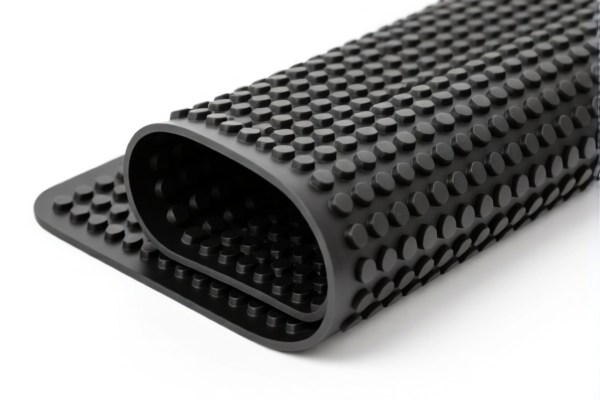
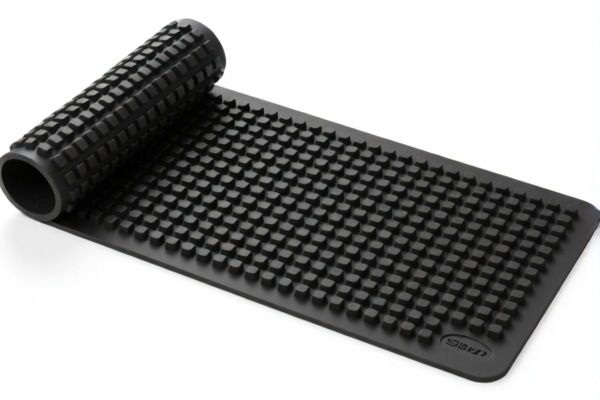
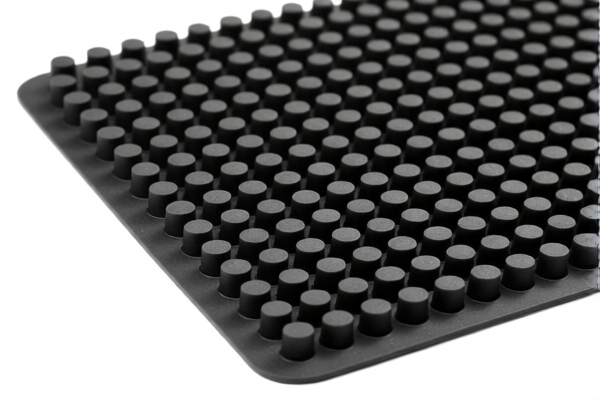
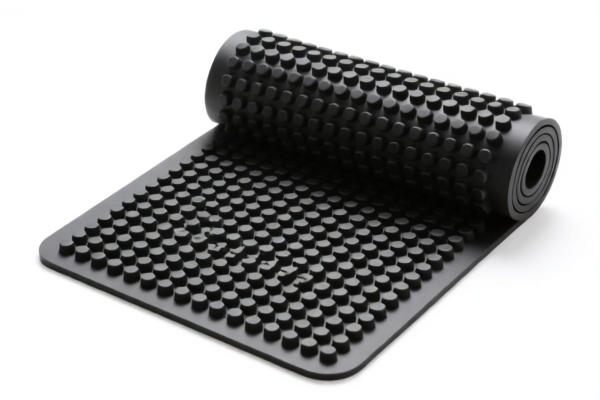
AI Analysis
🛑 Anti-Slip Mat (防滑垫)
🌐 HS Code & Tariff Guide 2026 | U.S. Import Compliance Deep Dive | Expert Clearance Strategy
📌 One Product, Multiple Classifications — Know the Difference Before You Ship!
✅ Target Market: United States (U.S.)
✅ Origin: China (CN)
✅ Effective Date: November 10, 2025 (and ongoing)
✅ Key Risk: Misclassification = 35%–45% tariff shock, delays, or rejection
📦 1. HS Code Breakdown: Why So Many Codes for One Product?
An anti-slip mat may look simple — but its material, structure, and function determine the exact HS code. Below are the 5 possible classifications based on material and form, each with distinct tax treatment.
| HS Code | Material & Form | Functional Purpose | Key Clue for Classification |
|---|---|---|---|
4016.91.00.00 |
Vulcanized rubber (硫化橡胶) | Used as a mat or pad | Rubber-based, flexible, non-woven-like texture |
4016.10.00.00 |
Rubber/plastic composite (橡胶/塑胶类) | Falls under "other vulcanized rubber products" | Not pure rubber, but still vulcanized in nature |
5603.94.10.90 |
Non-woven fabric (非织造布) | Underlay pad for carpets, anti-slip | Lightweight, felt-like, no stitching |
5603.94.10.10 |
Non-woven fabric (非织造布) | Carpet backing / matting | Same material, but used specifically as underlay |
3919.10.20.55 |
Plastic (塑料) | Flat adhesive patch for anti-slip | Thin, peelable, stick-on design |
⚠️ Critical Insight:
- Same product name ≠ same HS code
- Material is king — rubber vs. non-woven vs. plastic changes everything
- Form matters: Is it a full mat? A thin patch? A carpet underlay?
💰 2. 2026 U.S. Tariff Breakdown (With Full Legal Basis)
✅ All tariffs apply to goods from China (CN)
✅ Effective from Nov 10, 2025
✅ No de minimis exemption — even $100 shipments are taxed
🎯 1. 4016.91.00.00 — Anti-Slip Mat (Vulcanized Rubber, as Mat/Pad)
| Tax Component | Rate | Legal Basis | Explanation |
|---|---|---|---|
| Basic Duty | 2.7% | HTSUS §4016.91.00.00 | Standard tariff for rubber mats |
| Section 301 (USITC) | +25.0% | USITC Footnote 9903.88.01 | Tariff from "China Section 301" list |
| Section 122 (IEEPA) | +10.0% | IEEPA: 9903.01.24 | Emergency economic powers against China |
| Total Effective Rate | 37.7% | — | Highest among all |
🔍 Why 37.7%?
- Rubber mats are not considered "textile" or "plastic" → no lower-tier tariff
- Falls under "other vulcanized rubber products" → triggers full 301 + 122
- No exemption — even small mats are taxed at 37.7%
🎯 2. 4016.10.00.00 — Anti-Slip Mat (Rubber/Plastic Composite)
| Tax Component | Rate | Legal Basis | Explanation |
|---|---|---|---|
| Basic Duty | 0.0% | HTSUS §4016.10.00.00 | Zero base duty for this subheading |
| Section 301 (USITC) | +25.0% | USITC Footnote 9903.88.01 | Applies to all China-origin rubber/plastic goods |
| Section 122 (IEEPA) | +10.0% | IEEPA: 9903.01.24 | Applies to all Chinese-origin goods under IEEPA |
| Total Effective Rate | 35.0% | — | Slightly lower than rubber mat |
📌 Key Difference:
- No base duty → lower starting point
- Still subject to 25% + 10% due to China origin
- Same legal triggers, just lower base rate
🎯 3. 5603.94.10.90 — Anti-Slip Mat (Non-Woven Fabric, as Underlay)
| Tax Component | Rate | Legal Basis | Explanation |
|---|---|---|---|
| Basic Duty | 0.0% | HTSUS §5603.94.10.90 | Zero duty for non-woven underlays |
| Section 301 (USITC) | +25.0% | USITC Footnote 9903.88.01 | Applies to all non-woven goods from China |
| Section 122 (IEEPA) | +10.0% | IEEPA: 9903.01.24 | Same as above |
| Total Effective Rate | 35.0% | — | Same as rubber composite |
🔍 Why This Code?
- Non-woven fabric = not rubber, not plastic → not covered by rubber-specific rules
- Used as carpet underlay → fits under5603.94.10.90
- No base duty, but still hit by 25% + 10%
🎯 4. 5603.94.10.10 — Anti-Slip Mat (Non-Woven Fabric, as Carpet Backing)
| Tax Component | Rate | Legal Basis | Explanation |
|---|---|---|---|
| Basic Duty | 0.0% | HTSUS §5603.94.10.10 | Zero duty for carpet backing |
| Section 301 (USITC) | +25.0% | USITC Footnote 9903.88.01 | Applies to all China-origin textile-like goods |
| Section 122 (IEEPA) | +10.0% | IEEPA: 9903.01.24 | Applies to all Chinese imports under emergency powers |
| Total Effective Rate | 35.0% | — | Identical to 5603.94.10.90 |
📌 Note:
-5603.94.10.10is more specific — used for backing materials
- If your mat is designed to be sewn into carpet, this code applies
- Same tax as5603.94.10.90— just more precise
🎯 5. 3919.10.20.55 — Anti-Slip Sticker/Patch (Plastic, Flat, Adhesive)
| Tax Component | Rate | Legal Basis | Explanation |
|---|---|---|---|
| Basic Duty | 5.8% | HTSUS §3919.10.20.55 | Standard plastic patch duty |
| Section 301 (USITC) | +25.0% | USITC Footnote 9903.88.01 | Applies to all plastic goods from China |
| Section 122 (IEEPA) | +10.0% | IEEPA: 9903.01.24 | Applies to all Chinese imports |
| Total Effective Rate | 40.8% | — | Highest tariff of all |
🔥 Why So High?
- Plastic + adhesive + flat patch → not a "mat" but a component
- Falls under "other plastic articles" → higher base rate (5.8%)
- Still subject to 25% + 10%
- Total: 40.8% — most expensive option⚠️ Red Flag:
- If your product is a peel-and-stick anti-slip patch, do NOT use a mat code
- Misclassification risk: 40.8% → 35% → you’ll be hit with back taxes + penalties
🛠️ 3. Clearance Best Practices (Pro Tips to Avoid Disaster)
✅ 1. Essential Documents (MUST-HAVE)
| Document | Why It’s Critical |
|---|---|
| 📷 High-Res Product Photos | Show material, thickness, texture, adhesive layer |
| 📄 Technical Specification Sheet | List material, thickness, weight, function |
| 📊 Material Safety Data Sheet (MSDS) | Prove non-toxic, non-hazardous (for customs) |
| 📝 Commercial Invoice | Must state exact HS code and product description |
| 🏷️ Packing List | Show if mats are stacked, rolled, or individual |
| 📑 Certificate of Origin (CO) | Prove China origin → triggers 301/122 tariffs |
✅ 2.申报技巧(申报口诀)
🔥 “Material First, Form Second, Patch = 40.8%!”
| Scenario | Correct HS Code | Wrong Code | Risk |
|---|---|---|---|
| Rubber mat (flexible, thick) | 4016.91.00.00 |
5603.94.10.90 |
Tax: 37.7% → 35% → $200+ loss per container |
| Plastic patch (peelable) | 3919.10.20.55 |
4016.91.00.00 |
Tax: 40.8% → 37.7% → overpaid |
| Non-woven underlay | 5603.94.10.90 |
4016.10.00.00 |
Tax: 35% → 35% → same, but wrong code = audit risk |
| Composite mat (rubber + plastic) | 4016.10.00.00 |
5603.94.10.10 |
Tax: 35% → 35% → but could be flagged |
✅ 3. Special Cases & How to Handle Them
| Situation | Recommended Action |
|---|---|
| Mat with foam backing | Still 4016.91.00.00 if rubber-based |
| Mat with printed logo | No impact — still same code |
| Mat sold in bulk (100 pcs) | Still one HS code — don’t split |
| Mat used in baby cribs | No special code — still follow material |
| Mat with metal clips | Still 4016.91.00.00 if rubber core |
🌍 4. Global Tariff Comparison (2026)
| Country | Recommended HS Code | Tariff | Certification | Notes |
|---|---|---|---|---|
| 🇺🇸 USA | Depends on material | 35%–40.8% | None required | All China-origin goods taxed |
| 🇨🇳 China | 4016.91.00.00 |
5% | CCC | No extra tariffs |
| 🇪🇺 EU | 4016.91.00.00 |
0% (if CE) | CE | No 301/122 |
| 🇦🇺 Australia | 5603.94.10.90 |
5% | RCM | No 301/122 |
| 🇯🇵 Japan | 4016.10.00.00 |
0% | PSE | No extra tariffs |
📌 Takeaway:
- U.S. is the only market with 301 + 122 tariffs
- China-origin anti-slip mats are most expensive in the U.S.
🚨 5. Common Mistakes (Avoid These at All Costs!)
❌ Mistake 1: Calling a plastic patch a “mat”
👉 Result: Misclassified → 40.8% instead of 35% → overpaid
❌ Mistake 2: Using 4016.91.00.00 for non-rubber mats
👉 Result: Audit risk, penalties, or seizure
❌ Mistake 3: Not providing material proof
👉 Result: Customs may reclassify → higher tax + delay
❌ Mistake 4: Assuming “baby product” gets special treatment
👉 Result: No — all goods taxed by material, not use case
✅ 6. Pro Tips: How to Reduce Tariff Risk
- Use a pre-ruling (Advance Ruling) — get official HS code confirmation from U.S. Customs
- Change material slightly — e.g., use non-woven instead of rubber → 35% vs 37.7%
- Source from Vietnam/Mexico — IEEPA/301 exemptions apply → 0%–5%
- Label clearly: “Anti-Slip Mat, Non-Woven Fabric, 100% Recycled” — helps classification
- Use a professional customs broker — they know the footnotes, subheadings, and triggers
🎯 Final Verdict: Know Your Material, Know Your Code, Know Your Tax!
🔥 “Rubber = 37.7% | Plastic Patch = 40.8% | Non-Woven = 35%”
🔥 “Material decides tax. Don’t guess. Verify.”
📣 Action Step:
📞 Contact a U.S. Customs Broker NOW
📄 Submit product photos, specs, and material data
📌 Request an HS Code Pre-Ruling (Advance Ruling)
🚀 Avoid surprise tariffs, delays, and fines
✨ Your Anti-Slip Mat Can Be Tax-Optimized — But Only If You Classify It Right!
💼 Precision in HS Code = Profit in the P&L!
Customer Reviews
About HS Code Classification
The Harmonized System (HS) is an internationally standardized nomenclature developed by the World Customs Organization (WCO) to classify traded products. Over 200 countries use the HS system as the basis for customs tariffs, trade statistics, and import/export regulations.
Each HS code follows a hierarchical structure:
- Chapter (2 digits) — Broad category of goods (e.g., Chapter 84: Machinery and Mechanical Appliances)
- Heading (4 digits) — More specific grouping within the chapter
- Subheading (6 digits) — Internationally standardized breakdown, used by all WCO member countries
- National subdivisions (8-10 digits) — Country-specific extensions for further classification, such as US HTSUS 10-digit codes
Correct HS code classification is essential for smooth customs clearance, accurate duty payment, and compliance with trade regulations. Misclassification can lead to customs delays, overpayment of duties, or penalties.
When importing from CN to US, the applicable tariff rates may include:
- Most-Favored-Nation (MFN) rate — The standard duty rate applied to WTO members
- General rate — Applied to countries without trade agreements
- Trade remedy duties — Additional tariffs such as Section 301 (anti-dumping), Section 232 (national security), or countervailing duties
The information provided on this page is for reference purposes only. For official classification, please consult with your local customs authority or a licensed customs broker.