Anti slip Natural Grass Floor Mat
CN → US| HS Code | Tariff Rate | Origin | Destination | Doc |
|---|---|---|---|---|
| 0604200060 | 17.5% | CN | US | Official Doc |
| 0604200072 | 17.5% | CN | US | Official Doc |
Product Images
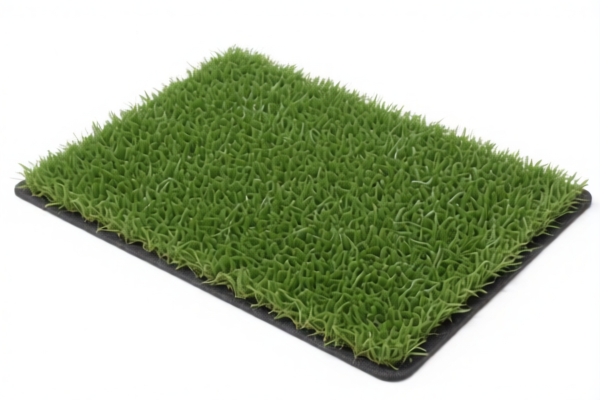
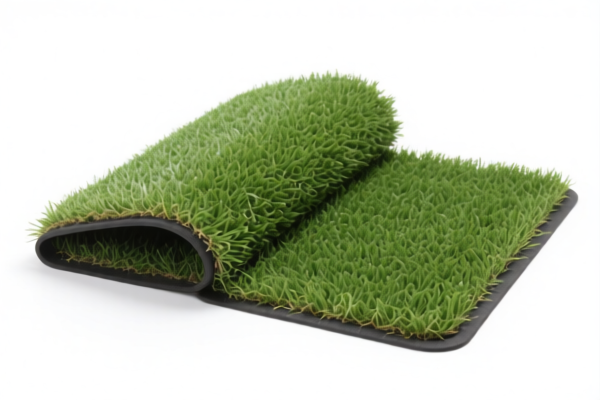
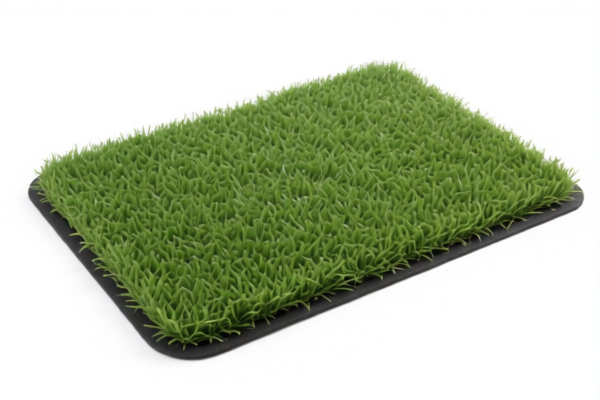
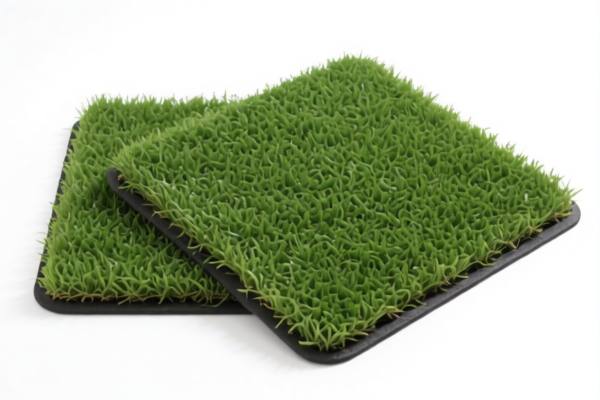
AI Analysis
🌿 Anti-slip Natural Grass Floor Mat
🌐 HS Code Reference & Customs Clearance Guide | 2026 Latest Tariff Analysis | Professional Entry Strategy
📌 I. Product Definition & Classification: Are You Putting Your "Grass" in the Right Basket?
"Anti-slip Natural Grass Floor Mat" sounds like a simple home decor item, but in international trade, natural versus artificial and functional versus ornamental creates a massive tariff gap.
This product is essentially fresh or prepared plant material used for decorative purposes. It is NOT a textile rug, a rubber mat, or artificial turf (which would fall under Chapter 57 or 39). Because it is made from natural grasses/mosses/lichens intended for ornamentation (bouquets or ornamental purposes), it falls under Chapter 06.
⚠️ Critical Distinction:
- If the mat is made of plastic, rubber, or synthetic fibers → It is a mat/rug (Chapter 57/39).
- If the mat is made of real, cut, dried, or preserved grass/moss → It is Foliage/Ornamental Plants (Chapter 06).
- The "anti-slip" feature is likely a backing (jute, rubber, or felt) attached to natural grass. The essential character is the natural grass, so it classifies under Chapter 06, not the backing material.
📦 II. HS Code Classification Details (Based on Provided Data)
Based on the provided dataset, the product falls into two specific sub-categories within 0604.20 (Foliage, branches, mosses, and lichens, of a kind suitable for bouquets or for ornamental purposes). The exact code depends on the primary natural component of the mat.
| HS Code | Product Description | Applicable Scenario | Tax Rate |
|---|---|---|---|
0604.20.00.60 |
Fresh Evergreen Christmas Trees: Other | If the mat is primarily composed of evergreen tree branches (e.g., pine, fir, spruce needles) used for decoration. | 7.5% |
0604.20.00.72 |
Fresh Mosses and Lichens | If the mat is primarily composed of mosses or lichens (e.g., sheet moss, reindeer lichen) often used in terrariums or floor decor. | 7.5% |
🔍 Key Insight:
- Both codes carry the same total tax rate of 7.5%.
- The difference lies in the botanical content.
- Does your mat look like a pine forest floor? →.60
- Does your mat look like a green carpet of moss? →.72
- If it is a mix, you must determine the principal material by weight or value. If it's a uniform blend, customs may accept either, but consistency with your supplier’s declaration is key.
💰 III. 2026 Latest Tariff Rate Breakdown
✅ Applicable Country: United States (US)
✅ Origin: China (CN)
✅ Effective Time: Current rates apply for imports from China.
🎯 1. 0604.20.00.60 – Fresh Evergreen Christmas Trees (Other)
| Item | Detail |
|---|---|
| Base Duty Rate | 0.0% (Free for most evergreens under general provisions) |
| Section 301 / Additional Duty | +7.5% |
| Total Duty Rate | 7.5% |
| Calculation Base | CIF Value (Cost + Insurance + Freight) |
| De Minimis Exemption | ❌ Not Applicable (Valued goods > $800 subject to duty) |
| Legal Basis | Chapter 06, Heading 0604, Subheading 0604.20, Statutory Number 60 |
🎯 2. 0604.20.00.72 – Fresh Mosses and Lichens
| Item | Detail |
|---|---|
| Base Duty Rate | 0.0% |
| Section 301 / Additional Duty | +7.5% |
| Total Duty Rate | 7.5% |
| Calculation Base | CIF Value (Cost + Insurance + Freight) |
| De Minimis Exemption | ❌ Not Applicable |
| Legal Basis | Chapter 06, Heading 0604, Subheading 0604.20, Statutory Number 72 |
📌 Interpretation:
- Unlike electronics or steel, natural ornamental plants often enjoy 0% base duty.
- The 7.5% total is an additional duty (likely under Section 301 or similar trade measures affecting Chinese goods).
- This is a moderate tariff compared to high-tech goods, but it still adds cost. Ensure your CIF price is correctly declared to avoid under/over-valuation penalties.
🛠️ IV. Customs Clearance Practical Advice (Avoiding Pitfalls)
✅ 1. Documentation Checklist (Must-Haves)
| Document | Required? | Notes |
|---|---|---|
| ✅ Commercial Invoice | ✔️ | Must clearly state "Natural Grass Mat" or "Moss Decor Mat". Do not just say "Mat" or "Rug". |
| ✅ Packing List | ✔️ | Detail the weight of natural material vs. backing. |
| ✅ Product Photos | ✔️ | Show close-ups of the grass/moss texture to prove it’s natural. |
| ✅ Plant Phytosanitary Certificate | ✔️ | CRITICAL! Fresh or dried plant material entering the US MAY require a phytosanitary certificate from the country of origin to prevent invasive species/biosecurity risks. |
| ✅ Material Composition Statement | ✔️ | Confirm: "Made of 90% natural moss, 10% jute backing." |
✅ 2. Declaration Tips (Key Rules)
🔥 “Declare Botanical, Not Fabric”
| Scenario | Correct Declaration | Incorrect Declaration |
|---|---|---|
| Mat with natural grass top & rubber bottom | 0604.20.00.60/72 | 3918.10 (Plastic flooring) → Wrong! |
| Mat with artificial plastic grass | 5703.90 (Carpet) | 0604.20 → Wrong! (No duty advantage if misclassified, but compliance risk) |
| Fresh vs. Dried | Specify "Fresh" or "Dried" in description | Just "Grass Mat" → Confusion at CBP |
📌 Note on "Fresh" vs. "Dried":
The provided HS codes start with "Fresh". If your mat is dried, bleached, or preserved, it still falls under 0604.20 ("...fresh, dried, dyed, bleached, impregnated or otherwise prepared"). So, 0604.20.00.60/72 is still correct even if dried. Just specify the state in the description.
✅ 3. Special Handling
| Situation | Action |
|---|---|
| Biosecurity Check | CBP may inspect for pests. Ensure the product is clean, soil-free, and treated if required. |
| Backing Material | If the backing is significant (e.g., >50% by value), consult a broker. However, for decorative mats, the ornamental value of the grass usually dominates. |
| Origin Marking | Clearly mark "Made in China" on the mat and packaging. |
🌍 V. Global Market Comparison (2026)
| Country | Recommended HS Code | Duty Rate | Notes |
|---|---|---|---|
| 🇺🇸 USA | 0604.20.00.60 / .72 |
7.5% | Additional duty applies. Phytosanitary cert may be needed. |
| 🇨🇳 China | 0604.20.00.60 / .72 |
5% - 10% | Standard MFN rate. Check latest PRC tariff book. |
| 🇪🇺 EU | 0604.20.00.00 |
0% - 4% | Generally low duty for ornamental plants. Check specific member state rules. |
| 🇬🇧 UK | 0604.20.00.00 |
0% - 4% | Post-Brexit tariff schedule similar to EU. |
📌 Conclusion:
- The US 7.5% is higher than many other markets due to trade tensions.
- Europe is often more favorable for natural plant products.
📌 VI. Common Mistakes & Pitfalls
❌ Mistake 1: Classifying as "Rug" (Chapter 57)
👉 Result: Wrong HS code, potential penalty, missed duty opportunity if 0604 is cheaper.
✅ Fix: Emphasize natural material in description.
❌ Mistake 2: Ignoring Phytosanitary Requirements
👉 Result: Shipment held or destroyed at US port for biosecurity risk.
✅ Fix: Get a Phytosanitary Certificate from the exporter’s national plant protection organization.
❌ Mistake 3: Vague Description ("Grass Mat")
👉 Result: CBP examiner may guess, leading to delays.
✅ Fix: Use "Natural Moss Floor Mat, Dried, Decorative" or "Evergreen Pine Needle Ornamental Mat".
🎯 VII. Conclusion: Clean, Green, and Compliant
🎯 Key Takeaway:
🔹 "Natural = Chapter 06, Not Chapter 57"
🔹 "Phytosanitary Cert is Your Best Friend"
🔹 "7.5% Total Duty for China Origin"
📌 Pro Tip:
If you are importing large volumes, consider whether bleaching or dyeing affects the description. While .60 and .72 cover prepared plants, being specific ("Bleached White Moss Mat") can help customs officers classify it faster.
📣 Immediate Action:
📞 Confirm with your supplier: "Is this product fresh, dried, or preserved?"
📄 Request: "Phytosanitary Certificate" and "Material Composition Statement"
🚀 Smooth clearance starts with accurate botanical classification!
✨ Professional Classification, Hassle-Free Entry!
💼 Your Green Products Deserve a Clean Entry!
Customer Reviews
About HS Code Classification
The Harmonized System (HS) is an internationally standardized nomenclature developed by the World Customs Organization (WCO) to classify traded products. Over 200 countries use the HS system as the basis for customs tariffs, trade statistics, and import/export regulations.
Each HS code follows a hierarchical structure:
- Chapter (2 digits) — Broad category of goods (e.g., Chapter 84: Machinery and Mechanical Appliances)
- Heading (4 digits) — More specific grouping within the chapter
- Subheading (6 digits) — Internationally standardized breakdown, used by all WCO member countries
- National subdivisions (8-10 digits) — Country-specific extensions for further classification, such as US HTSUS 10-digit codes
Correct HS code classification is essential for smooth customs clearance, accurate duty payment, and compliance with trade regulations. Misclassification can lead to customs delays, overpayment of duties, or penalties.
When importing from CN to US, the applicable tariff rates may include:
- Most-Favored-Nation (MFN) rate — The standard duty rate applied to WTO members
- General rate — Applied to countries without trade agreements
- Trade remedy duties — Additional tariffs such as Section 301 (anti-dumping), Section 232 (national security), or countervailing duties
The information provided on this page is for reference purposes only. For official classification, please consult with your local customs authority or a licensed customs broker.