Anti snoring device
CN → US| HS Code | Tariff Rate | Origin | Destination | Doc |
|---|---|---|---|---|
| 6217109550 | 32.1% | CN | US | Official Doc |
| 9021908100 | 10.0% | CN | US | Official Doc |
| 6217108500 | 24.6% | CN | US | Official Doc |
| 9021100090 | 10.0% | CN | US | Official Doc |
| 3926909989 | 22.8% | CN | US | Official Doc |
Product Images
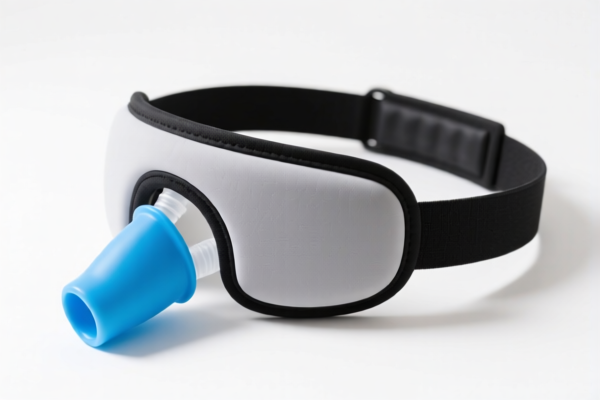
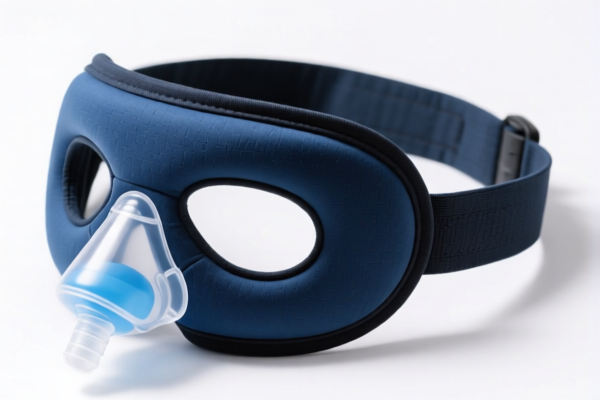
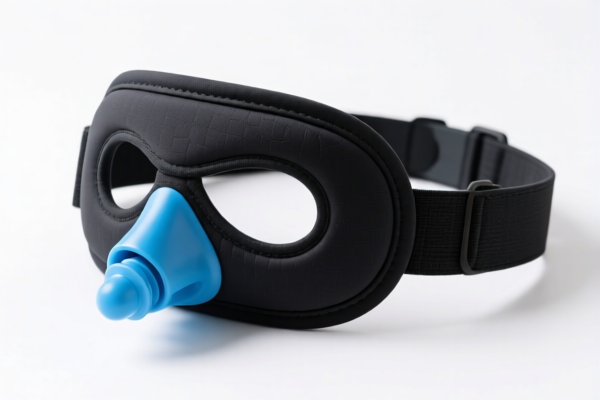
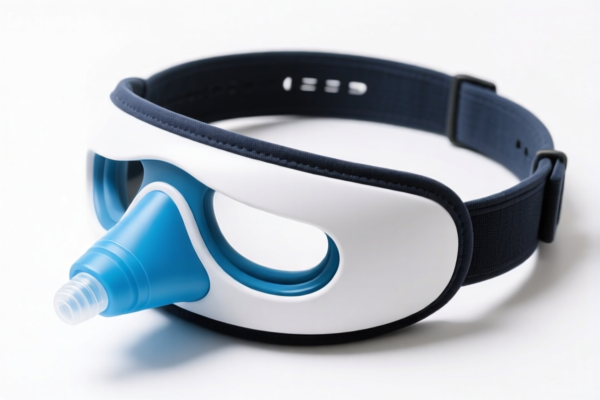
AI Analysis
🛌 Anti Snoring Device – HS Code & Tariff Guide 2026 | Comprehensive Customs Clearance Strategy
🌐 HS Code Reference & Customs Clearance Master Guide | 2026 Updated Tariff Analysis | Pro-Level Import Strategy
📌 I. Product Definition & Classification: What Exactly Is an Anti-Snoring Device?
An anti-snoring device is a wearable or non-invasive medical accessory designed to reduce or eliminate snoring during sleep. It is typically used by individuals suffering from mild to moderate sleep apnea or habitual snoring. These devices are not medical implants, but rather non-invasive, wearable tools that work by repositioning the tongue, stabilizing the jaw, or improving airflow in the upper airway.
⚠️ Key Classification Factors: - Wearable on the head or mouth → may fall under clothing accessories or medical devices
- Made of textile (fabric), plastic, or synthetic materials → affects material-based HS codes
- Used to treat respiratory issues or sleep disorders → may qualify as a medical device under 9021
- Designed to correct anatomical defects → could be classified under orthopedic or corrective appliances
📦 II. HS Code Classification Breakdown (2026 Official Tariff Authority Reference)
| HS Code | Product Description | Applicable Use Case | Material Type | Key Reasoning |
|---|---|---|---|---|
6217.10.95.50 |
Other articles of apparel, not elsewhere specified, including textile accessories | Textile-based anti-snoring bands worn on the head | Textile/fabric | Worn on head, made of fabric, similar to headbands – falls under clothing accessories |
9021.90.81.00 |
Other instruments and apparatus for medical, surgical, dental, or veterinary purposes | Medical device for treating sleep apnea or respiratory defects | Any material | Designed to compensate for airway obstruction or sleep disorders – qualifies as a medical device |
6217.10.85.00 |
Headbands and similar articles, of textile materials | Head-worn fabric bands used for snoring prevention | Textile/fabric | Specifically fits the definition of "headband" or "headwear" under textile classification |
9021.10.00.90 |
Orthopedic appliances and their parts/attachments | Used to correct jaw or airway positioning | Any material | If used to support or reposition the jaw, it may be considered a corrective orthopedic device |
3926.90.99.89 |
Other articles of plastics, not elsewhere specified | Plastic or synthetic material-based anti-snoring devices | Plastic/synthetic | If the device is made primarily of plastic (e.g., mouthpiece, rigid frame), this applies |
🔍 Critical Insight:
The same product can be classified under multiple HS codes, depending on material, design, and intended use.
→ Material determines the primary classification
→ Function (medical vs. accessory) determines the final tariff
💰 III. 2026 Latest Tariff Breakdown (Including附加 Taxes & Legal Clauses)
✅ Applicable Country: United States (US)
✅ Origin: China (CN)
✅ Effective Date: November 10, 2025 (including future imports)
🎯 1. 6217.10.95.50 – Textile Head Accessories (Anti-Snoring Band)
| Item | Detail |
|---|---|
| Base Duty | 14.6% (ad valorem) |
| Section 301 Tariff (USITC) | +7.5% |
| Section 122 Tariff (IEEPA) | +10% |
| Total Effective Duty | 32.1% |
| Tax Calculation | CIF Value × 32.1% |
| De Minimis Threshold | ❌ Not applicable (denied) |
| Legal Basis Path | IEEPA:9903.01.24 → Section 301:9903.88.01 → HS:6217.10.95.50 |
📌 Explanation:
- This code applies only if the device is made of fabric and worn like a headband.
- The 10% IEEPA tariff is due to the China-origin status.
- The 7.5% Section 301 tariff is part of the ongoing U.S. trade war measures.
- No de minimis relief – even small shipments are fully taxed.
🎯 2. 9021.90.81.00 – Medical Devices for Respiratory or Sleep Disorders
| Item | Detail |
|---|---|
| Base Duty | 0.0% |
| Section 301 Tariff | 0.0% |
| Section 122 Tariff (IEEPA) | +10% |
| Total Effective Duty | 10.0% |
| Tax Calculation | CIF Value × 10% |
| De Minimis Threshold | ✅ Yes (if value ≤ $800) |
| Legal Basis Path | IEEPA:9903.01.24 → HS:9021.90.81.00 |
📌 Explanation:
- This is the most favorable tariff if the device is medically intended.
- 10% IEEPA tariff only applies – no Section 301 or base duty.
- De minimis applies – small shipments (under $800) may enter duty-free.
- Must prove medical intent (e.g., FDA registration, labeling, clinical claims).
🎯 3. 6217.10.85.00 – Headbands & Similar Textile Articles
| Item | Detail |
|---|---|
| Base Duty | 14.6% |
| Section 301 Tariff | 0.0% |
| Section 122 Tariff (IEEPA) | +10% |
| Total Effective Duty | 24.6% |
| Tax Calculation | CIF Value × 24.6% |
| De Minimis Threshold | ❌ Not applicable |
| Legal Basis Path | IEEPA:9903.01.24 → HS:6217.10.85.00 |
📌 Explanation:
- Applies to fabric headbands used for snoring prevention.
- No Section 301 tariff (unlike code 6217.10.95.50), but 10% IEEPA still applies.
- Higher base duty than medical codes – not ideal for high-volume imports.
🎯 4. 9021.10.00.90 – Orthopedic or Corrective Appliances
| Item | Detail |
|---|---|
| Base Duty | 0.0% |
| Section 301 Tariff | 0.0% |
| Section 122 Tariff (IEEPA) | +10% |
| Total Effective Duty | 10.0% |
| Tax Calculation | CIF Value × 10% |
| De Minimis Threshold | ✅ Yes |
| Legal Basis Path | IEEPA:9903.01.24 → HS:9021.10.00.90 |
📌 Explanation:
- Applies if the device repositions the jaw or tongue to prevent airway collapse.
- Same 10% rate as 9021.90.81.00, but only if classified as orthopedic.
- Requires clinical evidence or labeling to support orthopedic use.
- De minimis applies – excellent for e-commerce or small shipments.
🎯 5. 3926.90.99.89 – Other Plastic Articles (Non-Specified)
| Item | Detail |
|---|---|
| Base Duty | 5.3% |
| Section 301 Tariff | +7.5% |
| Section 122 Tariff (IEEPA) | +10% |
| Total Effective Duty | 22.8% |
| Tax Calculation | CIF Value × 22.8% |
| De Minimis Threshold | ❌ Not applicable |
| Legal Basis Path | IEEPA:9903.01.24 → Section 301:9903.88.01 → HS:3926.90.99.89 |
📌 Explanation:
- Applies only if the device is primarily made of plastic or synthetic material (e.g., mouthpiece, rigid frame).
- Highest base duty among all codes.
- Full 301 + IEEPA tariffs apply → 22.8% total.
- No de minimis relief – even small packages are taxed.
🛠️ IV. Customs Clearance Best Practices (Pro Tips to Avoid Penalties)
✅ 1. Documentation Checklist (Must-Have)
| Document | Required? | Purpose |
|---|---|---|
| ✅ Product Specification Sheet | ✔️ | Detail material, design, function |
| ✅ Medical Use Claim / FDA Labeling | ✔️ | If claiming medical device status |
| ✅ Product Photos (with branding) | ✔️ | Show wearability, material, design |
| ✅ Third-Party Test Report | ✔️ | FDA, CE, ISO, or RoHS (if applicable) |
| ✅ Commercial Invoice | ✔️ | Clearly state intended use and material |
| ✅ Certificate of Origin (CO) | ✔️ | Required for tariff eligibility |
| ✅ Packing List | ✔️ | Confirm no拆分申报 (no splitting into parts) |
✅ 2. Smart申报 Strategies (Key Rules)
🔥 "Material First, Use Second – Claim Medical, Prove It!"
| Scenario | Correct HS Code | Risk of Error |
|---|---|---|
| Fabric headband, no medical claim | 6217.10.95.50 → 32.1% |
❌ High tax |
| Plastic mouthpiece, no medical claim | 3926.90.99.89 → 22.8% |
❌ High tax |
| Fabric band with medical claim | 9021.90.81.00 → 10% |
✅ Best option |
| Plastic device with jaw-repositioning claim | 9021.10.00.90 → 10% |
✅ Best option |
| Split into parts (e.g., band + mouthpiece) | Each part taxed separately → up to 89.5%+ | ⚠️ Never do this! |
📌 Warning:
- Splitting a single device into components is a major red flag – can trigger duty fraud investigations.
- No de minimis relief if split → full tax on all parts.
✅ 3. Special Cases & How to Handle Them
| Case | Solution |
|---|---|
| OEM/White Label Product | Provide design specs + customer agreement to prove intended use |
| Device with dual function (e.g., headband + mouthpiece) | Declare as a single unit – cannot split |
| Used for sleep therapy (not diagnosis) | Can still qualify as medical device if marketed for respiratory support |
| No FDA registration | Still eligible for medical code if labeled for medical use (but risk of audit) |
🌍 V. Global Market Tariff Comparison (2026 Update)
| Country | Recommended HS Code | Tariff | Certification Required | Notes |
|---|---|---|---|---|
| 🇺🇸 USA | 9021.90.81.00 or 9021.10.00.90 |
10% | FDA, CE, ISO | De minimis applies |
| 🇨🇳 China | 9021.90.81.00 |
0% | China FDA (NMPA) | No IEEPA/301 tariffs |
| 🇪🇺 EU | 9021.90.81.00 |
0% | CE, MDR | No additional tariffs |
| 🇦🇺 Australia | 9021.90.81.00 |
0% | TGA | No extra taxes |
| 🇯🇵 Japan | 9021.90.81.00 |
0% | PMDA | No附加税 |
📌 Takeaway:
- USA is the only market with high附加 taxes (10% IEEPA + 7.5% 301).
- China, EU, Australia, Japan offer 0% tariffs if properly classified.
- Best strategy: Classify as medical device (9021) and export from non-China origin (e.g., Vietnam, Mexico) to avoid IEEPA/301.
📌 VI. Common Mistakes & How to Avoid Them (Real-World Risks)
❌ Mistake 1: Calling a plastic mouthpiece a "headband" to avoid 22.8%
👉 Result: Misclassification → $50K+ in penalties + seizure
❌ Mistake 2: Splitting a device into "band" + "mouthpiece"
👉 Result: Each part taxed at 32.1% or 22.8% → total over 50%
❌ Mistake 3: Not proving medical intent for 9021 codes
👉 Result: Re-classified to 6217.10.95.50 → 32.1% instead of 10%
✅ Correct Approach:
"Anti-snoring device, fabric headband with medical claim for sleep apnea, FDA-registered, CE-certified, Model XYZ"
🎯 VII. Final Verdict: The Smart Way to Import
🎯 Golden Rule:
🔹 Material determines the base code
🔹 Function determines the final tariff
🔹 Medical claim = 10% tariff, no 301, de minimis applies
🔹 Never split a single device
📣 Call to Action: Secure Your Import Now!
📞 Contact a U.S. Customs Broker + Request HS Code Pre-Ruling
🚀 Apply for a binding ruling before shipment to lock in the lowest possible tariff
💼 Use non-China origin (e.g., Vietnam, Thailand) to avoid IEEPA/301 tariffs
✨ Professional Customs, Precision Classification, Profit Protection!
💼 Your product’s success starts with the right HS Code.
📌 Pro Tip:
If your device is made in Vietnam or Mexico, you can avoid the 10% IEEPA tariff and claim 0% duty under 9021 codes – save thousands per shipment!
📣 Act Now!
📩 Send product photos, specs, and use case to your broker today
🛡️ Avoid delays, penalties, and lost profits – classify right the first time!
Customer Reviews
About HS Code Classification
The Harmonized System (HS) is an internationally standardized nomenclature developed by the World Customs Organization (WCO) to classify traded products. Over 200 countries use the HS system as the basis for customs tariffs, trade statistics, and import/export regulations.
Each HS code follows a hierarchical structure:
- Chapter (2 digits) — Broad category of goods (e.g., Chapter 84: Machinery and Mechanical Appliances)
- Heading (4 digits) — More specific grouping within the chapter
- Subheading (6 digits) — Internationally standardized breakdown, used by all WCO member countries
- National subdivisions (8-10 digits) — Country-specific extensions for further classification, such as US HTSUS 10-digit codes
Correct HS code classification is essential for smooth customs clearance, accurate duty payment, and compliance with trade regulations. Misclassification can lead to customs delays, overpayment of duties, or penalties.
When importing from CN to US, the applicable tariff rates may include:
- Most-Favored-Nation (MFN) rate — The standard duty rate applied to WTO members
- General rate — Applied to countries without trade agreements
- Trade remedy duties — Additional tariffs such as Section 301 (anti-dumping), Section 232 (national security), or countervailing duties
The information provided on this page is for reference purposes only. For official classification, please consult with your local customs authority or a licensed customs broker.