Anti static Film Bag
CN → US| HS Code | Tariff Rate | Origin | Destination | Doc |
|---|---|---|---|---|
| 3923290000 | 38.0% | CN | US | Official Doc |
| 3920591000 | 41.0% | CN | US | Official Doc |
| 3921901950 | 40.3% | CN | US | Official Doc |
| 3920992000 | 39.2% | CN | US | Official Doc |
| 3921902900 | 39.4% | CN | US | Official Doc |
Product Images
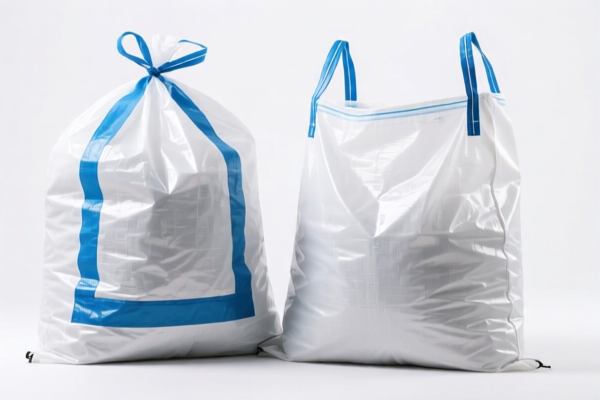
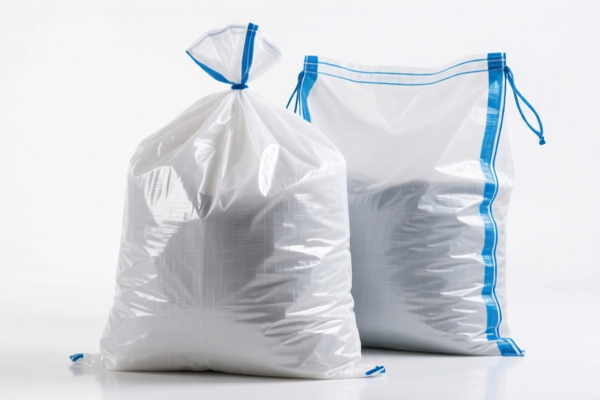
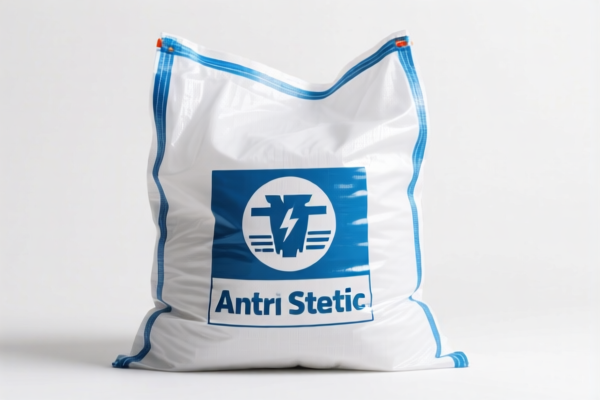
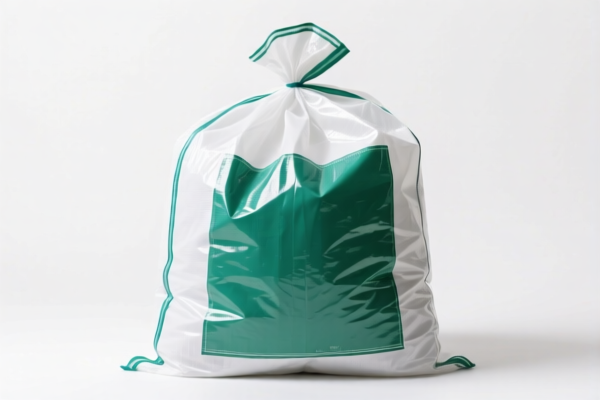
AI Analysis
🛍️ Anti-Static Film Bag (Electronic Packaging Solutions)
🌐 HS Code Reference & Customs Clearance Guide | 2026 Latest Tariff Analysis | Professional Clearance Strategy
📌 I. Product Definition & Classification: Do You Truly Understand "Anti-Static Film Bags"?
Anti-static film bags are essential packaging materials in the semiconductor, electronics, and precision instrument industries. Their primary function is to dissipate static electricity to protect sensitive components from Electrostatic Discharge (ESD). In international trade, they are classified based on their physical form (Bag vs. Sheet/Film) and material composition.
⚠️ Key Distinction Point:
- If the product is shaped as a Bag (sewn or heat-sealed edges) → It falls under Chapter 39.23 (Articles for the conveyance or packing of goods).
- If the product is a Sheet/Film (raw material, rolled, or cut but not formed into a bag structure for packing) → It falls under Chapter 39.20/39.21 (Plates, sheets, film, foil, and strip).
📦 II. HS Code Classification Details (2026 Latest Tariff Authoritative Comparison)
Based on the provided data, here are the five possible classifications for Anti-Static Film Bags, ranging from the most accurate form-based classification to broader "catch-all" categories.
| HS Code | Product Description | Applicable Scenario | Form Factor |
|---|---|---|---|
3923.29.00.00 |
Anti-Static Film Bag: Formed as a Bag, Plastic Material | ✅ Most Accurate for "Bags" Packaging for electronics, ESD-safe pouches |
🎒 Bag |
3920.59.10.00 |
Anti-Static Film: Formed as Sheet/Film, Plastic Material | Raw material state, or products classified as acrylic polymer sheets before final bag formation | 📄 Sheet |
3921.90.19.50 |
Anti-Static Film: Formed as Sheet/Film, Plastic Material | Catch-all logic: Other plastic articles not elsewhere specified; used if specific subheadings fail | 📄 Sheet |
3920.99.20.00 |
Anti-Static Film: Formed as Sheet/Film, Plastic Material | Other plastic plates, sheets, film, foil; general purpose plastic film classification | 📄 Sheet |
3921.90.29.00 |
Anti-Static Film: Formed as Sheet/Film, Plastic (Gum/Rubber-like) | Other plastic plates, sheets, film, foil; classified under "Gum" or similar plastic derivatives | 📄 Sheet |
🔍 Critical Reminder:
- Customs authorities often scrutinize the physical state at the time of import. If you import pre-formed bags,3923.29.00.00is the most technically correct.
- However, if the bags are made of specific chemical compositions (e.g., acrylics), customs might push for3920.59.10.00.
- The "Catch-all" codes (3921.90...) carry slightly lower base tariffs but higher scrutiny risk if the product clearly fits3923.
💰 III. 2026 Latest Tariff Rate Details (Including Additional Taxes, Policy Add-ons)
✅ Applicable Country: United States (US)
✅ Country of Origin: China (CN)
✅ Effective Time: Current regulations (Includes subsequent imports)
🎯 1. 3923.29.00.00 —— Anti-Static Film Bag (Form: Bag)
| Item | Content |
|---|---|
| Base Tariff | 3.0% (Ad Valorem) |
| Section 301 Additional Tax | +25.0% |
| Section 122 Tax | +10.0% |
| Total Tariff Rate | 38.0% |
| Tax Calculation | CIF Value × 38.0% |
| De Minimis Eligibility | ❌ Not Eligible (High tariff risk) |
| Legal Basis Path | HTSUS 3923.29.00 → USITC Footnote 301 → IEEPA Section 122 |
📌 Explanation:
- This is the preferred classification for pre-formed bags.
- Total 38% is high but potentially the lowest among the options if the product is truly a "bag".
- The "Section 122 Tax" applies to specific Chinese-origin plastic packaging items under certain trade enforcement actions.
🎯 2. 3920.59.10.00 —— Anti-Static Film (Form: Sheet, Acrylic Polymer)
| Item | Content |
|---|---|
| Base Tariff | 6.0% (Ad Valorem) |
| Section 301 Additional Tax | +25.0% |
| Section 122 Tax | +10.0% |
| Total Tariff Rate | 41.0% |
| Tax Calculation | CIF Value × 41.0% |
| De Minimis Eligibility | ❌ Not Eligible |
| Legal Basis Path | HTSUS 3920.59.10 → USITC Footnote 301 → IEEPA Section 122 |
📌 Note:
- Higher base tariff (6.0%) makes this the most expensive option.
- Only use if the product is strictly defined as "Acrylic Polymer Sheets" and not recognized as general plastic packaging bags.
🎯 3. 3921.90.19.50 —— Anti-Static Film (Form: Sheet, Catch-All)
| Item | Content |
|---|---|
| Base Tariff | 5.3% (Ad Valorem) |
| Section 301 Additional Tax | +25.0% |
| Section 122 Tax | +10.0% |
| Total Tariff Rate | 40.3% |
| Tax Calculation | CIF Value × 40.3% |
| De Minimis Eligibility | ❌ Not Eligible |
| Legal Basis Path | HTSUS 3921.90.19 → USITC Footnote 301 → IEEPA Section 122 |
📌 Note:
- "Catch-all" logic applies when the product doesn't fit specific chemical subheadings.
- Total rate is 40.3%, slightly cheaper than3920but more expensive than3923.
🎯 4. 3920.99.20.00 —— Anti-Static Film (Form: Sheet, Other Plastic)
| Item | Content |
|---|---|
| Base Tariff | 4.2% (Ad Valorem) |
| Section 301 Additional Tax | +25.0% |
| Section 122 Tax | +10.0% |
| Total Tariff Rate | 39.2% |
| Tax Calculation | CIF Value × 39.2% |
| De Minimis Eligibility | ❌ Not Eligible |
| Legal Basis Path | HTSUS 3920.99.20 → USITC Footnote 301 → IEEPA Section 122 |
📌 Note:
- General "Other Plastic" classification.
- Total rate is 39.2%. Better than3920.59but worse than3923.
🎯 5. 3921.90.29.00 —— Anti-Static Film (Form: Sheet, Other Plastic)
| Item | Content |
|---|---|
| Base Tariff | 4.4% (Ad Valorem) |
| Section 301 Additional Tax | +25.0% |
| Section 122 Tax | +10.0% |
| Total Tariff Rate | 39.4% |
| Tax Calculation | CIF Value × 39.4% |
| De Minimis Eligibility | ❌ Not Eligible |
| Legal Basis Path | HTSUS 3921.90.29 → USITC Footnote 301 → IEEPA Section 122 |
📌 Note:
- Another variant of "Other Plastic" classification.
- Total rate is 39.4%.
🛠️ IV. Customs Clearance Practical Advice (Avoid Pitfalls Guide)
✅ 1. Preparation Checklist (Non-Negotiable)
| Document | Required | Description |
|---|---|---|
| ✅ Product Specification Sheet | ✔️ | Must detail: Material (e.g., PE, PP, Acrylic), ESD Resistance Level (e.g., $10^9$ Ohms), Thickness, Bag Size |
| ✅ Photos (Front & Back) | ✔️ | Show seals, zippers, or static dissipative markings (blue/pink color codes) |
| ✅ Commercial Invoice | ✔️ | Clearly state: "Anti-Static Plastic Bags for Electronics Packaging" |
| ✅ Certificate of Origin (CO) | ✔️ | Essential for proving Chinese origin (triggers tariffs) |
| ✅ Packaging List | ✔️ | Specify if items are rolled (film) or pre-formed (bags) |
✅ 2. Declaration Strategy (Key Mantra)
🔥 "Form Matters: Bag is 3923, Sheet is 3920/21!"
| Scenario | Correct Declaration | Wrong Practice |
|---|---|---|
| Pre-formed Bags (sealed, usable) | 3923.29.00.00 |
Misdeclare as "Sheet" → Risk of penalty |
| Rolls of Film (to be bagged later) | 3920.99.20.00 or 3921.90.29.00 |
Misdeclare as "Bag" → Incorrect form |
| Acrylic Sheets | 3920.59.10.00 |
Misdeclare as generic plastic → Higher base rate |
| Generic Plastic Packaging | 3923.29.00.00 |
Use catch-all codes unnecessarily → Higher scrutiny |
📌 Why
3923.29.00.00is the Best Choice?
- Lowest Total Tariff (38.0%) among all options.
- Most Accurate: If the item is a "Bag," this is the legally correct chapter.
- Lower Base Rate: 3.0% vs 4.2%-6.0% for other codes.
✅ 3. Special Case Handling
| Situation | Handling Advice |
|---|---|
| Mixed Shipments (Rolls + Pre-made Bags) | Split Declaration: Declare rolls as sheets (3920/3921) and bags as bags (3923). Do not mix to avoid valuation errors. |
| OEM Custom Bags | Provide design specs. If non-standard, ensure description matches physical form. |
| ESD-Specific Compliance | Provide test reports showing surface resistance. Customs may request proof of "Anti-Static" feature to ensure correct chemical classification. |
| Small Samples | Still subject to full tariffs if value exceeds de minimis, but tariff rates remain the same. |
🌍 V. Global Market Clearance Comparison (2026 Latest)
| Country/Region | Recommended HS Code | Tariff Rate (China Origin) | Certification Required | Notes |
|---|---|---|---|---|
| 🇺🇸 USA | 3923.29.00.00 |
38.0% (Base 3% + 25% + 10%) | No special certs | Highest duty burden due to Section 301 & 122 |
| 🇨🇳 China | 3923.29.00.00 |
5.3% (MFN) | None | No additional penalties |
| 🇪🇺 EU | 3923.29.00 |
4.5% | REACH (if plasticizers involved) | No Section 301 equivalent |
| 🇬🇧 UK | 3923.29.00 |
4.5% | UKCA (if applicable) | Post-Brexit rules apply |
| 🇯🇵 Japan | 3923.29.00 |
3.8% | JIS Standards | Low tariff, high quality scrutiny |
📌 Conclusion:
- USA is the most expensive market due to the cumulative effect of Base Tariff, Section 301 (25%), and Section 122 (10%).
- Accurate classification is critical: Using3923.29.00.00saves you 3-4% compared to the next best options.
- Do not attempt to misclassify Bags as Sheets to avoid scrutiny; customs audits are frequent for packaging materials.
📌 VI. Common Errors & Pitfalls (Blood & Tears Lessons)
❌ Error 1: Declaring pre-formed bags as "Plastic Sheets" (3920)
👉 Consequence: Higher tariff (39.2%-41.0%) + Customs Rejection because the physical form doesn't match the code.
❌ Error 2: Ignoring the "Section 122" tax
👉 Consequence: Unexpected 10% surcharge on plastic packaging items from China. Budget accordingly!
❌ Error 3: Vague Description ("Plastic Bag")
👉 Consequence: Customs may assign a higher "General" tariff code. Always specify "Anti-Static" and "For Electronics".
❌ Error 4: Mixing Rolls and Bags in one HS Code line
👉 Consequence: Valuation disputes. Rolls and bags have different forms and potentially different classifications.
✅ Correct Practice:
"Anti-Static Plastic Bags for Electronics, Pre-formed, Blue, 10x10 inch, PE Material, ESD Safe, Model XYZ, China Origin"
🎯 VII. Conclusion: Professional Declaration, Cost Optimization!
🎯 Remember the Mantra:
🔹 "Bags are 3923, Sheets are 3920.
🔹 Total Tax: 38% for Bags, up to 41% for Sheets.
🔹 Don't misclassify, or you'll pay extra!"
📌 Pro Tip:
If your supplier provides rolls, and you form bags domestically, declare as Sheets (3920/3921). But if importing pre-made bags, strictly use 3923.29.00.00 for the lowest legal tariff (38%).
📣 Immediate Action:
📞 Contact your customs broker with product photos + spec sheet.
🚀 Apply for Advance Ruling if volume is high.
💼 Save 3-4% on every shipment by choosing the right HS Code!
✨ Professional Customs Clearance Starts with Accurate Classification!
💼 Every Penny Saved is Pure Profit!
Customer Reviews
About HS Code Classification
The Harmonized System (HS) is an internationally standardized nomenclature developed by the World Customs Organization (WCO) to classify traded products. Over 200 countries use the HS system as the basis for customs tariffs, trade statistics, and import/export regulations.
Each HS code follows a hierarchical structure:
- Chapter (2 digits) — Broad category of goods (e.g., Chapter 84: Machinery and Mechanical Appliances)
- Heading (4 digits) — More specific grouping within the chapter
- Subheading (6 digits) — Internationally standardized breakdown, used by all WCO member countries
- National subdivisions (8-10 digits) — Country-specific extensions for further classification, such as US HTSUS 10-digit codes
Correct HS code classification is essential for smooth customs clearance, accurate duty payment, and compliance with trade regulations. Misclassification can lead to customs delays, overpayment of duties, or penalties.
When importing from CN to US, the applicable tariff rates may include:
- Most-Favored-Nation (MFN) rate — The standard duty rate applied to WTO members
- General rate — Applied to countries without trade agreements
- Trade remedy duties — Additional tariffs such as Section 301 (anti-dumping), Section 232 (national security), or countervailing duties
The information provided on this page is for reference purposes only. For official classification, please consult with your local customs authority or a licensed customs broker.