Anti static Shoe Covers for Laboratory
CN → US| HS Code | Tariff Rate | Origin | Destination | Doc |
|---|---|---|---|---|
| 6402915020 | 47.5% | CN | US | Official Doc |
| 6402993390 | 55.0% | CN | US | Official Doc |
| 6217909085 | 32.1% | CN | US | Official Doc |
| 6217909095 | 32.1% | CN | US | Official Doc |
| 3926209010 | 40.0% | CN | US | Official Doc |
| 3926909910 | 22.8% | CN | US | Official Doc |
Product Images
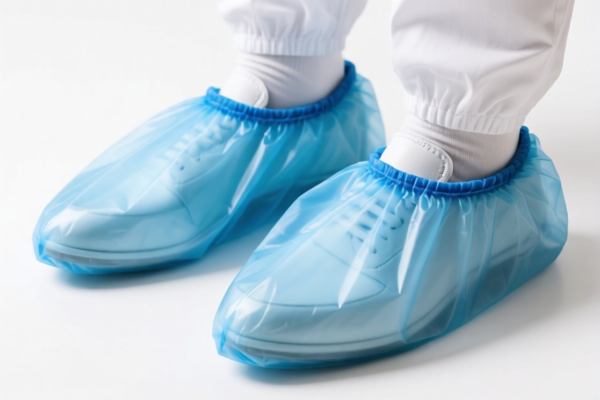
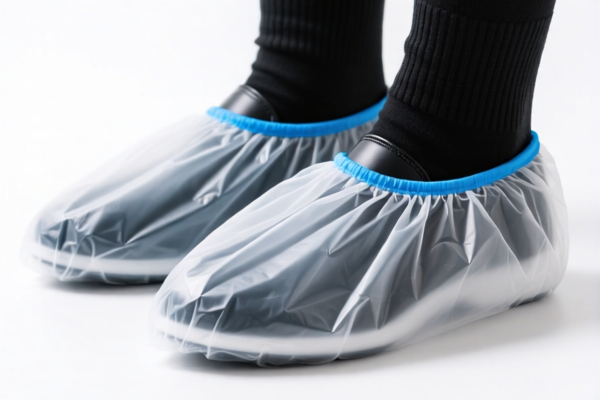
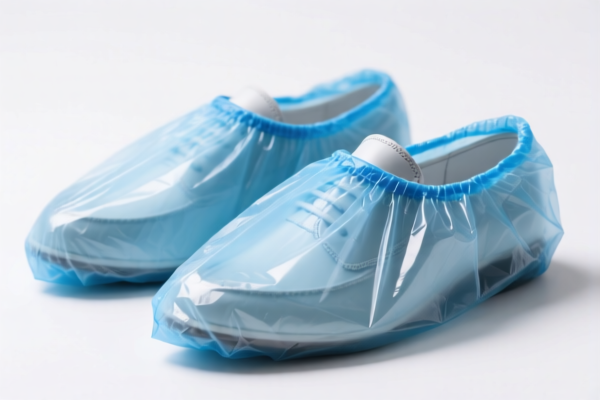
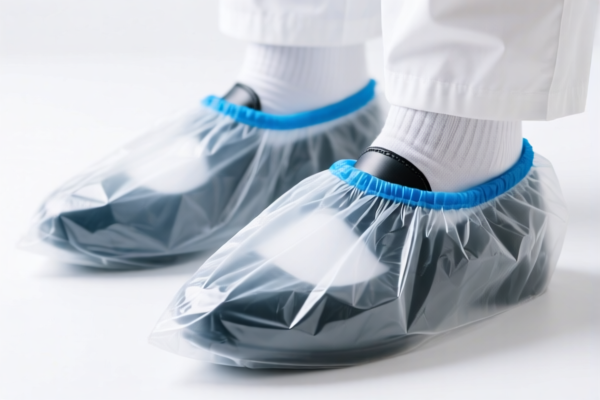
AI Analysis
👟 Anti-Static Shoe Covers (Laboratory & Industrial Protective Footwear)
🌐 HS Code Reference & Customs Clearance Guide | 2026 Latest Tariff Analysis | Professional Clearance Strategy
📌 I. Product Definition & Classification: Do You Know What "Shoe Covers" Really Are?
Anti-static shoe covers are disposable or reusable protective garments designed to be worn over shoes. They serve dual purposes: electrostatic discharge (ESD) control and contamination prevention (cleanrooms, labs, hospitals). In international trade, their classification depends heavily on material composition and design structure, leading to vastly different tax implications.
⚠️ Key Distinction Point:
- If made of textiles (fabrics, non-woven) → Classified under Chapter 61/62 (Articles of Apparel/Clothing Accessories).
- If made of rubber/plastics → Classified under Chapter 64 (Footwear).
- Crucial Note: These are not "footwear" in the traditional sense (they don’t have hard soles or structural integrity for walking alone), but customs may classify them based on their primary protective function and material.
📦 II. HS Code Classification Details (2026 Latest Tariff Authority Comparison)
| HS Code | Product Description | Applicable Scenario | Material | Tax Rate (China → US) |
|---|---|---|---|---|
6217.90.90.85 |
Parts of garments/clothing accessories; Parts: Other: Of man-made fibers | Disposable/Reusable non-woven shoe covers, fabric-based, ESD safe | Man-made Fibers (Polyester, PP, etc.) | 0.0% (Base 0% + Added 0%) |
6217.90.90.95 |
Parts of garments/clothing accessories; Parts: Other: Other | Shoe covers made of other textiles (e.g., cotton blends, though rare for ESD) | Other Textiles | 0.0% (Base 0% + Added 0%) |
3926.20.90.10 |
Other articles of plastics...: Articles of apparel and clothing accessories...: Other Aprons (Includes Plastic Shoe Covers) | Disposable plastic/polyethylene shoe covers | Plastics (PE, PVC) | 30.0% (Base 5% + Added 25%) |
6402.91.50.20 |
Footwear with outer soles/uppers of rubber/plastics: Other footwear: Covering the ankle: Other: Footwear designed to be worn over... as protection against water... For men | Reusable rubber/plastic overshoes (heavy-duty, waterproof) | Rubber/Plastic | 0.0% (Base 0% + Added 0%) |
6402.99.33.90 |
Footwear with outer soles/uppers of rubber/plastics: Other footwear: Other: Footwear designed to be worn over... as protection against water... | Reusable rubber/plastic overshoes (unisex/other) | Rubber/Plastic | 0.0% (Base 0% + Added 0%) |
🔍 Critical Reminder:
- Disposable Non-Woven Shoe Covers (most common in labs) → HS 6217.90.90.85 (0% tax).
- Disposable Plastic Shoe Covers (clear PE bags) → HS 3926.20.90.10 (30% tax!). Do not misdeclare!
- Reusable Rubber Overshoes (hard soles, waterproof) → HS 6402.99.33.90 (0% tax).
- Misclassification Risk: Declaring plastic shoe covers as "footwear" (Ch 64) or "textile" (Ch 62) incorrectly can lead to underpayment of duties or detention.
💰 III. 2026 Latest Tariff Rate Breakdown (Including Surtaxes & Policy Surcharges)
✅ Applicable Country: United States (US)
✅ Country of Origin: China (CN)
✅ Effective Date: November 10, 2025 (and subsequent imports)
🎯 1. 6217.90.90.85 —— Disposable/Reusable Textile Shoe Covers (Man-made Fibers)
| Item | Content |
|---|---|
| Base Tariff | 0% (ad valorem) |
| USITC Added Tariff | 0% |
| IEEPA Added Tariff | 0% |
| Total Tariff | 0.0% |
| Tax Calculation | CIF Value × 0% = $0 |
| De Minimis Eligibility | ✅ Yes (For shipments < $800, no duty, but subject to FDA/Customs entry) |
| Legal Basis Path | HTSUS:6217.90.90.85 → USITC:0% |
📌 Explanation:
- Textile-based shoe covers (non-woven polypropylene, polyester) are classified as "parts of clothing accessories."
- No additional tariffs apply under Section 301 or IEEPA for this specific textile HS code.
- This is the most cost-effective classification for standard lab shoe covers.
🎯 2. 3926.20.90.10 —— Disposable Plastic Shoe Covers (PE/PVC)
| Item | Content |
|---|---|
| Base Tariff | 5% (ad valorem) |
| USITC Added Tariff | +25% (Section 301) |
| IEEPA Added Tariff | +0% (Note: Plastic apparel accessories do NOT get IEEPA 10% surcharge in this specific subheading based on provided data, but USITC 25% applies) |
| Total Tariff | 30.0% |
| Tax Calculation | CIF Value × 30% |
| De Minimis Eligibility | ❌ No (Subject to strict inspection and duty payment) |
| Legal Basis Path | HTSUS:3926.20.90.10 → USITC:8524.11.10.00 (Note: Data links to Footnote 9903.88.01 for 25%) |
📌 Warning:
- Plastic shoe covers are often misdeclared as "textiles" to avoid taxes. This is high-risk.
- 30% duty is significant for low-margin disposable goods.
- Requires detailed product description: "Disposable Plastic Shoe Covers, PE Material, Clear, Non-Reusable."
🎯 3. 6402.99.33.90 —— Reusable Rubber/Plastic Overshoes
| Item | Content |
|---|---|
| Base Tariff | 0% (ad valorem) |
| USITC Added Tariff | 0% |
| IEEPA Added Tariff | 0% |
| Total Tariff | 0.0% |
| Tax Calculation | CIF Value × 0% = $0 |
| De Minimis Eligibility | ✅ Yes (If < $800, but subject to FDA/Customs entry) |
| Legal Basis Path | HTSUS:6402.99.33.90 → USITC:0% |
📌 Explanation:
- These are not disposable. They have rubber/plastic soles and uppers, designed for repeated use.
- Classified under Footwear (Chapter 64), not "accessories."
- Often used in industrial environments, chemical labs, or wet areas.
- Zero duty makes them highly competitive if durability is required.
🛠️ IV. Customs Clearance Practical Advice (Real-World Pitfall Guide)
✅ 1. Preparation Checklist (Must-Have Documents)
| Document | Mandatory? | Explanation |
|---|---|---|
| ✅ Product Specification Sheet | ✔️ | Must specify: Material (PP, PE, Rubber), Reusability, ESD Rating, Size |
| ✅ Product Photos (Clear View) | ✔️ | Show texture, transparency (if plastic), sole type, packaging |
| ✅ Commercial Invoice | ✔️ | Must clearly state: "Anti-Static Shoe Covers," HS Code, Material, Unit Price |
| ✅ Customs Entry Summary (Form 7501) | ✔️ | Required for formal entries (>$2,500) or if duty applies |
| ✅ FDA Registration (If Applicable) | ⚠️ | If labeled for "medical" or "food-grade" use, FDA clearance may be needed |
| ✅ Certificate of Origin (CO) | ✔️ | For proving Chinese origin to apply correct tariffs |
| ✅ Packaging List | ✔️ | Show quantity per box, total boxes, gross/net weight |
✅ 2. Declaration Tips (Key Mantras)
🔥 “Material is King, Reusability Defines Chapter, Description Must Match HS!”
| Scenario | Correct Declaration | Wrong Declaration |
|---|---|---|
| Disposable Non-Woven Shoe Covers | HS: 6217.90.90.85Name: "Disposable Anti-Static Shoe Covers, PP Non-Woven" |
HS: 3926... (Plastic) → 30% Duty! |
| Disposable Plastic Shoe Covers | HS: 3926.20.90.10Name: "Disposable PE Plastic Shoe Covers, Clear" |
HS: 6217... (Textile) → Customs Audit & Penalty |
| Reusable Rubber Overshoes | HS: 6402.99.33.90Name: "Reusable Rubber Anti-Slip Overshoes, Waterproof" |
HS: 3926... (Plastic Articles) → 0% vs 30% Confusion |
| Mix of Products | Split Invoice per HS Code | Blind Declaration → High Risk of Detention |
✅ 3. Special Cases Handling
| Scenario | Handling Advice |
|---|---|
| ESD Labeling | Ensure invoices mention "ESD Safe" if claimed, but do not change HS code based on function alone. |
| Bundled Sales (Shoes + Covers) | Do NOT bundle with shoes in one line item if HS differs. Split for accurate duty calculation. |
| Sample Shipments (< $800) | Even if de minimis exempt, ensure HS code is correct to avoid future audits. |
| Plastic Covers Labeled "Reusable" | If clearly not reusable (thin PE), do NOT use footwear HS (Ch 64). Use 3926.20.90.10. |
🌍 V. Global Market Clearance Comparison (2026 Latest)
| Country/Region | Recommended HS Code | Tariff (China) | Certification | Notes |
|---|---|---|---|---|
| 🇺🇸 USA | 6217.90.90.85 (Textile) |
0% | None (General) | Avoid Plastic HS (30%) |
| 🇨🇳 China | 6217.90.90.85 |
0-2% | None | Low domestic tax |
| 🇪🇺 EU | 6217.90.90.85 |
0-1.7% | CE (if medical) | Plastic may be 4-6% |
| 🇬🇧 UK | 6217.90.90.85 |
0-2% | UKCA | Post-Brexit rules |
| 🇯🇵 Japan | 6217.90.90.85 |
0-2.5% | None | Low tariffs for textiles |
📌 Conclusion:
- USA offers 0% duty for textile-based shoe covers but 30% for plastic.
- EU/Japan/UK generally have lower or zero tariffs for both, but plastic may incur higher VAT/duties.
- USA is the most critical market for HS Code accuracy due to high penalties and surtaxes.
📌 VI. Common Errors & Pitfalls (Blood-Tear Lessons)
❌ Error 1: Declaring plastic shoe covers as "textile" to avoid 30% duty.
👉 Consequence: Customs inspection reveals PE material → 30% duty + penalty + detention.
❌ Error 2: Using Footwear HS (Ch 64) for disposable non-woven covers.
👉 Consequence: Incorrect classification → Audit risk, potential underpayment if textile is cheaper.
❌ Error 3: Ignoring material composition on invoices.
👉 Consequence: If invoice says "Polypropylene" but HS is for Rubber → Customs rejects entry.
❌ Error 4: Not specifying "Disposable" vs "Reusable".
👉 Consequence: Ambiguity leads to Customs request for clarification → Delayed clearance.
✅ Correct Practice:
"Disposable Anti-Static Shoe Covers, 100% Polypropylene Non-Woven, White, Size M-L, Box of 100, Model XYZ, Made in China"
🎯 VII. Conclusion: Precision in Classification Saves Money!
🎯 Remember the Mantra:
🔹 "Textile = 0% (HS 6217), Plastic = 30% (HS 3926), Rubber = 0% (HS 6402)"
🔹 "Material Defines HS, Function Defines Use, Invoice Must Match HS!"
🔹 "Wrong HS on Plastic Covers = 30% Tax Hit, Don't Risk It!"
📌 Pro Tip:
If you are importing plastic shoe covers from China to the US, consider:
1. Switching to Non-Woven (Textile) Material → Drop duty from 30% to 0%.
2. Applying for HTS Code Exclusions (if applicable, though rare for plastics).
3. Using a Bonded Warehouse if duty deferral is needed.
📣 Immediate Action:
📞 Contact Your Customs Broker + Provide Material Spec + Verify HS Code
🚀 Ensure Your Shoe Covers Clear Customs Smoothly, Avoid 30% Surprises, Maximize Profit!
✨ Professional Clearance Starts with Accurate Classification!
💼 Every Cent Saved on Duty is Pure Profit!
Customer Reviews
About HS Code Classification
The Harmonized System (HS) is an internationally standardized nomenclature developed by the World Customs Organization (WCO) to classify traded products. Over 200 countries use the HS system as the basis for customs tariffs, trade statistics, and import/export regulations.
Each HS code follows a hierarchical structure:
- Chapter (2 digits) — Broad category of goods (e.g., Chapter 84: Machinery and Mechanical Appliances)
- Heading (4 digits) — More specific grouping within the chapter
- Subheading (6 digits) — Internationally standardized breakdown, used by all WCO member countries
- National subdivisions (8-10 digits) — Country-specific extensions for further classification, such as US HTSUS 10-digit codes
Correct HS code classification is essential for smooth customs clearance, accurate duty payment, and compliance with trade regulations. Misclassification can lead to customs delays, overpayment of duties, or penalties.
When importing from CN to US, the applicable tariff rates may include:
- Most-Favored-Nation (MFN) rate — The standard duty rate applied to WTO members
- General rate — Applied to countries without trade agreements
- Trade remedy duties — Additional tariffs such as Section 301 (anti-dumping), Section 232 (national security), or countervailing duties
The information provided on this page is for reference purposes only. For official classification, please consult with your local customs authority or a licensed customs broker.