Anti theft Warning Light
CN → US| HS Code | Tariff Rate | Origin | Destination | Doc |
|---|---|---|---|---|
| 8513102000 | 22.5% | CN | US | Official Doc |
| 8531200040 | 35.0% | CN | US | Official Doc |
| 8531100035 | 36.3% | CN | US | Official Doc |
| 9405614000 | 41.0% | CN | US | Official Doc |
| 9405696000 | 15.3% | CN | US | Official Doc |
Product Images
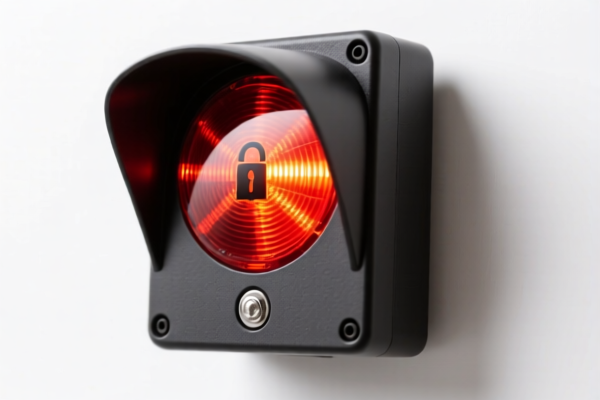
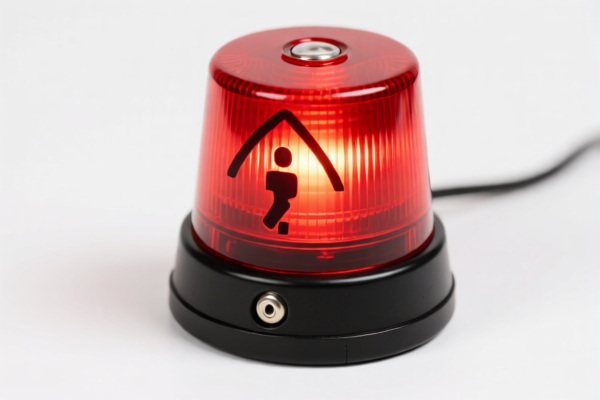
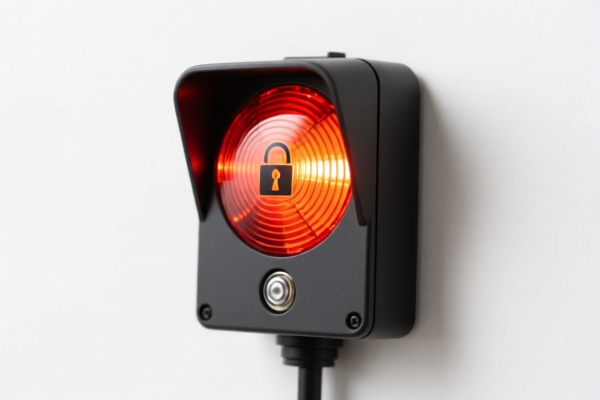
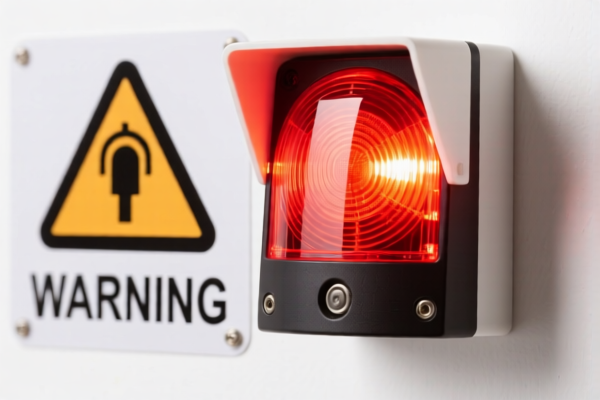
AI Analysis
🚨 Anti-Theft Warning Light (Electro-Acoustic or Visual Signaling Apparatus)
🌐 HS Code Reference & Customs Clearance Guide | 2026 Latest Tariff Analysis | Professional Clearance Strategy
📌 I. Product Definition & Classification: What Exactly Is an "Anti-Theft Warning Light"?
An Anti-Theft Warning Light is a device designed to deter theft by emitting visual signals (flashing lights) and/or acoustic signals (sirens/buzzers) when an intrusion is detected. In international trade, these devices are strictly categorized under Chapter 85 (Electrical machinery and equipment) because their primary function is an electrical signaling mechanism, not general illumination.
It is crucial to distinguish between the device itself and the lighting source: * The Signaling Unit: If the device is a complete anti-theft alarm unit with a flashing light element (e.g., a strobe light on a security system), it falls under Heading 85.31. * Pure Lighting: If it is merely a lamp used for decoration or general lighting (without specific anti-theft signaling logic), it might fall under Heading 94.05.
⚠️ Key Distinction Point:
- If the primary function is signaling/security (part of an alarm system) → Go to 8531.xxxx
- If the primary function is general illumination (decorative/security floodlight without alarm logic) → Go to 9405.xxxx
- Note: For specific "Anti-Theft" products, customs typically prioritize the signaling function under 85.31.
📦 II. HS Code Classification Details (2026 Latest Tariff Authority Comparison)
Based on the provided data, here are the applicable HS Codes for Anti-Theft Warning Lights, focusing on those with visual or electro-acoustic signaling functions:
| HS Code | Product Description | Applicable Scenario | Tax Rate (Total) |
|---|---|---|---|
8531.20.00.40 |
Visual signaling apparatus (Non-LCD/LED specific indicator panels) | General visual warning lights, strobe lights, non-display security signals | 35.0% |
8531.10.00.35 |
Electro-acoustic or visual signaling apparatus for burglar alarms | Specific devices integrated into or designated for anti-theft/burglar alarm systems | 36.3% |
🔍 Important Note:
- While8531.20.00.40covers generic visual signals,8531.10.00.35is the most accurate classification for devices explicitly marketed or used as part of an anti-theft/burglar alarm system.
- If the device is a pure lighting fixture (e.g., a standalone LED security floodlight) and not part of an alarm system, it may be classified under9405.61.40.00or9405.69.60.00, but for "Anti-Theft Warning" devices, 85.31 is the primary category.
💰 III. 2026 Latest Tariff Rate Details (Including Additional Taxes & Policies)
✅ Applicable Country: United States (US)
✅ Origin: China (CN)
✅ Effective Time: From November 10, 2025 (including subsequent imports)
🎯 1. 8531.10.00.35 — Signaling Apparatus for Burglar Alarms
| Item | Content |
|---|---|
| Base Tariff | 1.3% (ad valorem) |
| Section 301 Additional Tariff | +25.0% |
| Section 122 Tariff | +10.0% |
| Total Tariff | 36.3% |
| Tax Calculation | CIF Value × 36.3% |
| De Minimis Exemption | ❌ Not Applicable (High risk of penalty if misdeclared) |
| Legal Basis Path | Section 301: 8531.10.00.35 → Section 122: 10% → Base: 1.3% |
📌 Explanation:
- This code targets devices specifically for burglar alarms. If your anti-theft warning light is sold as a component of a security system (e.g., triggered by a motion sensor), this is the correct code.
- Total 36.3% is a significant cost factor. The 25% is due to Section 301 (trade war tariffs), and 10% is under Section 122 (often related to specific trade remedies or emergency powers).
🎯 2. 8531.20.00.40 — Other Visual Signaling Apparatus
| Item | Content |
|---|---|
| Base Tariff | 0.0% |
| Section 301 Additional Tariff | +25.0% |
| Section 122 Tariff | +10.0% |
| Total Tariff | 35.0% |
| Tax Calculation | CIF Value × 35.0% |
| De Minimis Exemption | ❌ Not Applicable |
| Legal Basis Path | Section 301: 8531.20.00.40 → Section 122: 10% → Base: 0.0% |
📌 Note:
- If the warning light is a standalone visual signal (e.g., a rotating beacon or strobe) not specifically tied to a "burglar alarm" system logic, it falls here.
- Base tax is lower (0%), but the total is still high (35%) due to additional tariffs.
⚠️ Why NOT Lighting Codes? (9405 Series)
Some might argue for 9405.61.40.00 (LED luminaires) or 9405.69.60.00 (Other lamps). However:
- 9405.61.40.00: 41.0% (Base 6% + 25% + 10%). Higher than 8531 codes.
- 9405.69.60.00: 15.3% (Base 5.3% + 0% + 10%). Lower, but misclassification risk.
Rule: If the product is primarily a signaling device for security, 85.31 is the correct legal category. Misclassifying as 94.05 to save taxes can lead to audits, fines, and retroactive payments.
🛠️ IV. Customs Clearance Practical Advice (Battle-Tested Pitfall Guide)
✅ 1. Documentation Checklist (No Exceptions)
| Document | Must Provide | Description |
|---|---|---|
| ✅ Product Specification Sheet | ✔️ | Must clearly state: "Anti-Theft Warning Light," "Signal Function," not just "LED Lamp." |
| ✅ Circuit Diagram/Functional Description | ✔️ | Prove it is a signaling apparatus (Chapter 85), not a general lamp (Chapter 94). |
| ✅ Product Photos (With Label) | ✔️ | Show model number, voltage, and any "Security/Anti-Theft" branding. |
| ✅ Certifications | ✔️ | FCC (for RF interference), UL/ETL (safety). Essential for US import. |
| ✅ Commercial Invoice | ✔️ | Must describe goods as "Electro-acoustic/Visual Signaling Apparatus for Burglar Alarms". Do NOT use generic terms like "Light." |
| ✅ Certificate of Origin (CO) | ✔️ | Required to prove origin for tariff calculation. |
✅ 2. Declaration Tips (Critical Rules)
🔥 “Function First, Label Second! Don’t Call a Security Device a Lamp!”
| Scenario | Correct Declaration | Wrong Action |
|---|---|---|
| Device triggers on intrusion | 8531.10.00.35 (Burglar Alarm Signal) |
Misdeclare as 9405.69.60.00 (Lamp) → Risk of fraud audit |
| Standalone strobe light (no alarm logic) | 8531.20.00.40 (Visual Signal) |
Misdeclare as 8531.10.00.35 → Over-declare taxes unnecessarily |
| LED Security Floodlight (no signal logic) | 9405.69.60.00 (Other Lamp) |
Misdeclare as 8531 → Unnecessary 35% tax vs 15.3% |
| Component Part of Alarm System | 8531.10.00.35 |
Declare as "Electronic Component" → Classification error |
✅ 3. Special Situations
| Situation | Handling Advice |
|---|---|
| OEM Security Lights | Provide client order + design specs. If it’s a standard warning light, use 8531.20.00.40. If branded as part of a specific alarm system, use 8531.10.00.35. |
| Combined Light+Siren | Still classified under 8531.10.00.35 if for alarms. Do not split into "light" and "siren" parts. |
| Battery-Powered Warning Light | If it has its own power source and is portable, it might be considered under 8513.10.20.00 (Portable Electric Lamps). However, if its function is security signaling, 8531 is preferred. Check with customs broker. |
| US-CPTPP/USMCA Countries | If shipped from Mexico or Canada, verify if origin rules allow for tariff elimination. |
🌍 V. Global Market Customs Comparison (2026 Latest)
| Country/Region | Recommended HS Code | Tariff (China Origin) | Certification | Notes |
|---|---|---|---|---|
| 🇺🇸 USA | 8531.10.00.35 |
36.3% | FCC + UL | Highest duty. Strict enforcement on Chapter 85 vs 94. |
| 🇨🇳 China | 8531.10.00.35 |
5.0% | CCC | No additional tariffs. |
| 🇪🇺 EU | 8531.10.00.00 |
0-2.5% | CE | Generally low duty. No Section 301/122 equivalents. |
| 🇬🇧 UK | 8531.10.00.00 |
0-2.5% | UKCA | Post-Brexit rules apply. |
| 🇦🇺 Australia | 8531.10.00.00 |
5-10% | RCM | No major additional tariffs. |
📌 Conclusion:
- USA is the most expensive market for anti-theft warning lights due to Section 301 (25%) and Section 122 (10%) tariffs.
- Accurate classification is critical: Using9405to avoid tariffs is high-risk. If the product is genuinely a signaling apparatus, pay the 36.3% and ensure compliance.
📌 VI. Common Mistakes & Pitfall Guide (Blood & Tears Lessons)
❌ Mistake 1: Calling it an "LED Security Light" on the invoice
👉 Result: Customs may classify it as 9405 (15.3%). If later discovered as a signaling device, you face back-taxes + penalties for under-declaration.
❌ Mistake 2: Splitting the shipment into "Light Body" and "Alarm Unit"
👉 Result: Each part is taxed separately, often at higher rates or causing valuation issues. Declare as a complete unit.
❌ Mistake 3: Ignoring FCC Certification
👉 Result: Seizure by CBP/FCC. Electronic signaling devices emit RF noise. Without FCC ID, the goods will be rejected at the border.
❌ Mistake 4: Using 8513.10.20.00 (Portable Lamp) for Security Lights
👉 Result: While possible for battery-powered units, if the primary function is security signaling, 8531 is the correct legal definition. Misclassification can lead to audits.
✅ Correct Declaration Example:
"VISUAL SIGNALING APPARATUS FOR BURGLAR ALARMS, ELECTRO-MECHANICAL, 12V DC, MODEL XYZ, FCC ID: ABC123, MADE IN CHINA"
🎯 VII. Conclusion: Professional Declaration Saves Money and Time
🎯 Remember the Mantra:
🔹 "Signal First, Lamp Second! 8531 is King for Security!"
🔹 "36.3% in USA, 15.3% if Lamp, but Don’t Get Caught Lying!"
🔹 "FCC Certificate is Non-Negotiable for Electronics!"
📌 Pro Tip:
If your anti-theft warning light is battery-powered and marketed as a portable safety device (not part of a fixed alarm system), consider if 8513.10.20.00 (22.5% total) is a valid alternative. This code has a lower total tariff (22.5%) than 8531 (36.3%).
- Action: Consult a customs broker to see if your specific product’s "portability" and "independent power source" qualify for 8513 under USCBP rulings. This can save 13.8% in duties!
📣 Immediate Action Required:
📞 Contact your Customs Broker with the product datasheet.
📄 Request an Advance Ruling if the classification between8531.10.00.35and8513.10.20.00is ambiguous.
🚀 Get FCC Certified before shipping to avoid border delays.
✨ Professional Customs Clearance Starts with Precise Classification!
💼 Your profit margin depends on getting this 1% right!
Customer Reviews
About HS Code Classification
The Harmonized System (HS) is an internationally standardized nomenclature developed by the World Customs Organization (WCO) to classify traded products. Over 200 countries use the HS system as the basis for customs tariffs, trade statistics, and import/export regulations.
Each HS code follows a hierarchical structure:
- Chapter (2 digits) — Broad category of goods (e.g., Chapter 84: Machinery and Mechanical Appliances)
- Heading (4 digits) — More specific grouping within the chapter
- Subheading (6 digits) — Internationally standardized breakdown, used by all WCO member countries
- National subdivisions (8-10 digits) — Country-specific extensions for further classification, such as US HTSUS 10-digit codes
Correct HS code classification is essential for smooth customs clearance, accurate duty payment, and compliance with trade regulations. Misclassification can lead to customs delays, overpayment of duties, or penalties.
When importing from CN to US, the applicable tariff rates may include:
- Most-Favored-Nation (MFN) rate — The standard duty rate applied to WTO members
- General rate — Applied to countries without trade agreements
- Trade remedy duties — Additional tariffs such as Section 301 (anti-dumping), Section 232 (national security), or countervailing duties
The information provided on this page is for reference purposes only. For official classification, please consult with your local customs authority or a licensed customs broker.