Antibacterial Fabric
CN → US| HS Code | Tariff Rate | Origin | Destination | Doc |
|---|---|---|---|---|
| 6307909891 | 24.5% | CN | US | Official Doc |
| 6307908940 | 17.0% | CN | US | Official Doc |
| 5903102010 | 35.0% | CN | US | Official Doc |
| 5903102090 | 35.0% | CN | US | Official Doc |
Product Images
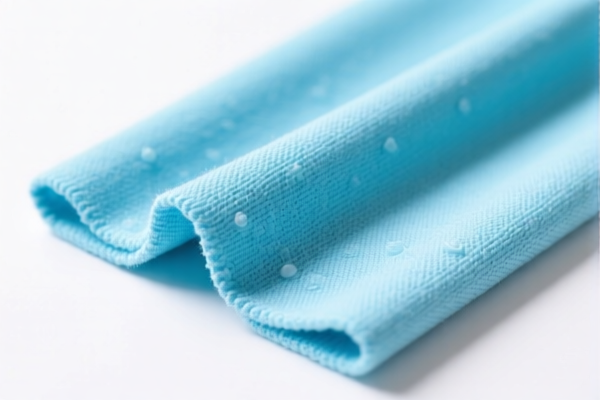
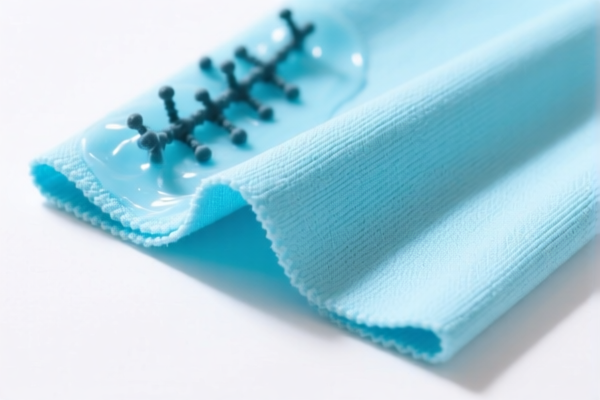
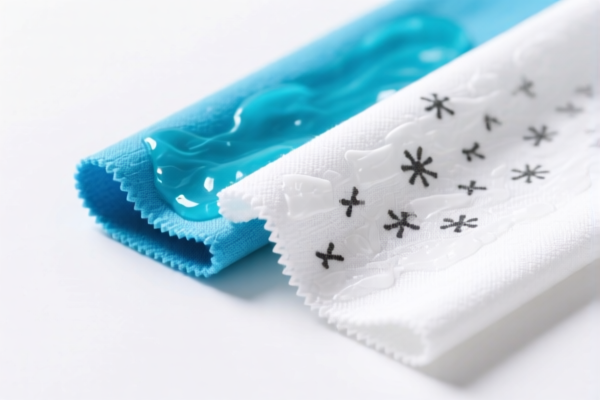
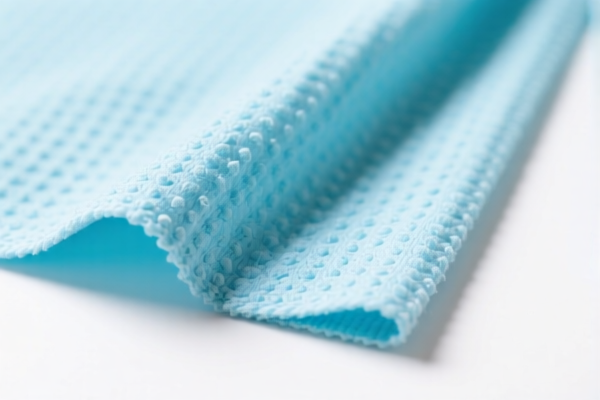
AI Analysis
🛡️ Antibacterial Fabric: HS Code Classification & Customs Clearance Strategy
🌐 HS Code Reference & Customs Guide | 2026 Latest Tariff Analysis | Professional Clearance Strategy
"Antibacterial Fabric" is a broad commercial term, not a precise legal description. In international trade, the customs classification depends entirely on what materials it is made of and how it is treated.
Based on the provided dataset, these fabrics fall under Heading 5903 (Textile fabrics impregnated, coated, covered or laminated with plastics) or Heading 6307 (Other made up articles). Below is the detailed breakdown.
⚠️ Critical Warning:
The term "Antibacterial" is often a marketing claim. Customs authorities look at the physical composition (e.g., PVC content) and the state of the fabric (raw material vs. finished article). Misclassification can lead to severe penalties due to the high additional tariffs on Chinese-origin goods.
📦 1. HS Code Classification Details (Based on Provided Data)
🧵 Category A: Textile Fabrics Impregnated with Plastics (PVC)
If the "antibacterial" property is achieved by impregnating, coating, covering, or laminating the fabric with Polyvinyl Chloride (PVC) plastics, it falls under Heading 5903. This is the most common scenario for industrial or protective antibacterial fabrics.
| HS Code | Product Description | Key Classification Criteria |
|---|---|---|
| 5903.10.20.10 | Fabrics of yarns sheathed with PVC (Not otherwise impregnated/coated) |
- Specifically for yarns that are sheathed with PVC. - No further impregnation/coating/lamination required. - Often used for specific industrial applications. |
| 5903.10.20.90 | Other textile fabrics impregnated/coated with PVC (Of man-made fibers, >70% plastic/rubber weight) |
- Covers fabrics where PVC is used as an impregnant, coating, or laminate. - Must be of man-made fibers. - Crucial Rule: The weight of rubber/plastics must be over 70%. - Includes most medical-grade or hygiene-themed PVC-coated fabrics. |
🔍 Key Distinction:
- If the fabric is essentially a PVC-sheathed yarn, use 5903.10.20.10.
- If it is a standard textile fabric coated/laminated with PVC (where plastic >70% by weight), use 5903.10.20.90.
- Do not use these codes if the antibacterial agent is a chemical finish without plastic impregnation (those might fall elsewhere, but are not in this dataset).
🏥 Category B: Other Made-Up Articles (Non-Textile or Specific Uses)
If the product is not a raw fabric but a finished article, or does not meet the PVC plastic weight criteria of Heading 5903, it may fall under Heading 6307.
| HS Code | Product Description | Key Classification Criteria |
|---|---|---|
| 6307.90.98.91 | Other made up articles (Other) |
- Generic catch-all for made-up textile articles not specified elsewhere. - Apply only if the product is a finished good (e.g., antibacterial aprons, covers) AND does not fit 5903 or 6307.90.89. |
| 6307.90.89.40 | Cotton towels of pile or tufted construction | - Specifically for Cotton Towels. - If your "antibacterial fabric" is sold as a cotton towel with antibacterial treatment, use this code. - Note: This code has 0% tax in the provided data. |
⚠️ Strategic Note:
If your product is an antibacterial cotton towel, 6307.90.89.40 is highly favorable due to 0% total tax. However, if it is a generic "fabric roll" coated with PVC, you must use 5903 codes, incurring high tariffs.
💰 2. Tariff Rate Breakdown (2026 Data)
All rates below assume Origin: China (CN) → Destination: United States (US) based on the provided tax details.
🎯 1. HS Code 5903.10.20.10
Description: Fabrics of yarns sheathed with PVC
- Base Tariff: 0.0%
- Additional Tariff (Section 301/IEEPA): 25.0%
- Total Tax: 25.0%
- Tax Detail: 基础关税: 0.0%, 加征关税: 25.0%
🎯 2. HS Code 5903.10.20.90
Description: Other PVC-impregnated/coated fabrics (>70% plastic)
- Base Tariff: 0.0%
- Additional Tariff (Section 301/IEEPA): 25.0%
- Total Tax: 25.0%
- Tax Detail: 基础关税: 0.0%, 加征关税: 25.0%
💡 Impact:
Both PVC-related antibacterial fabrics incur a 25% additional tariff. This is a significant cost driver. Ensure your invoice clearly describes the PVC content and fiber type (man-made) to support this classification.
🎯 3. HS Code 6307.90.98.91
Description: Other made up articles (Other)
- Base Tariff: 7.0%
- Additional Tariff (Section 301/IEEPA): 7.5%
- Total Tax: 14.5%
- Tax Detail: 基础关税: 7.0%, 加征关税: 7.5%
💡 Impact:
Lower than PVC fabrics, but still subject to additional tariffs. Suitable for general made-up articles that do not meet the high plastic-weight criteria of 5903.
🎯 4. HS Code 6307.90.89.40
Description: Cotton towels of pile or tufted construction
- Base Tariff: 0.0%
- Additional Tariff: 0.0%
- Total Tax: 0.0%
- Tax Detail: 基础关税: 0.0%, 加征关税: 0.0%
💡 Impact:
Tax-Free! If your product is explicitly an antibacterial cotton towel, this is the optimal HS Code. However, you cannot misuse this code for fabric rolls or non-cotton items.
🛠️ 3. Customs Clearance Practical Advice
✅ 1. Documentation Preparation
| Document | Requirement | Why? |
|---|---|---|
| Product Specification Sheet | Must detail: Material composition (e.g., Polyester/PVC), PVC weight percentage, and "Antibacterial" treatment method. | Customs needs to verify if PVC weight >70% for 5903.10.20.90. |
| Commercial Invoice | Clearly state: "Textile Fabric, Impregnated with PVC, Antibacterial Treatment" or "Antibacterial Cotton Towel". | Avoid vague terms like "Antibacterial Fabric" alone. Be specific. |
| Composition Certificate | Lab report proving fiber content and plastic weight. | Critical for defending the 25% vs. 0% tariff classification. |
| Photos | Clear images of the fabric texture, cross-section (if possible), and final product. | Helps customs verify if it's a "sheathed yarn" (5903.10.20.10) or coated fabric (5903.10.20.90). |
✅ 2. Declaration Tips (Avoid Pitfalls)
| Scenario | Correct Declaration | Incorrect Declaration | Risk |
|---|---|---|---|
| PVC-Coated Fabric Roll | "Textile fabric impregnated with PVC, man-made fiber, >70% plastic weight" | "Antibacterial Fabric" | Misclassification → Penalty + Retroactive Taxes |
| Antibacterial Cotton Towel | "Cotton towel, pile construction, antibacterial treated" | "Antibacterial Fabric Roll" | Loss of 0% tax benefit |
| Yarn-Sheathed Fabric | "Fabric made from yarns sheathed with PVC" | "PVC Coated Fabric" | Wrong sub-heading (10 vs. 90) → Potential audit |
✅ 3. Special Considerations for "Antibacterial" Claims
- Chemical Finish vs. Plastic Impregnation: If the antibacterial property comes from a chemical finish (e.g., silver ions) without PVC impregnation/coating/lamination, these HS codes may NOT apply. You must check other headings (e.g., 5911, 6001, etc.). The provided data only covers PVC-related or specific made-up articles.
- Weight Percentage: For 5903.10.20.90, the plastic content must be >70% by weight. If it's 60%, it does not qualify under this specific sub-heading and may need a different classification.
🌍 4. Global Market Comparison (2026)
| Market | Recommended HS Code | Tariff Rate | Key Requirement |
|---|---|---|---|
| 🇺🇸 USA | 5903.10.20.90 (PVC Fabric) |
25.0% | PVC weight >70%, Man-made fiber |
| 🇺🇸 USA | 6307.90.89.40 (Cotton Towel) |
0.0% | Must be 100% cotton pile/tufted |
| 🇪🇺 EU | Check 5903.10.30 | Varies | CE marking, REACH compliance for chemicals |
| 🇨🇳 China | Check 5903.10 | Import Tariff | Import License if applicable |
📌 Conclusion:
- USA is the primary market with high additional tariffs on PVC fabrics (25%).
- Cotton towels enjoy 0% tariff, making them the most cost-effective "antibacterial" product in this dataset.
- Non-PVC antibacterial fabrics are not covered in this specific data set and require separate classification.
📌 5. Common Errors & Avoidance Guide
❌ Error 1: Declaring all "antibacterial fabrics" as 6307.90.89.40 to get 0% tax.
👉 Consequence: If it's not a cotton towel, customs will reclassify it, apply 25% tax, and impose fines.
❌ Error 2: Ignoring the 70% plastic weight rule for 5903.10.20.90.
👉 Consequence: If plastic weight is 65%, the code is invalid. Use incorrect code → Audit risk.
❌ Error 3: Using vague descriptions like "Medical Fabric".
👉 Consequence: Customs may detain goods for further examination. Always specify material composition and treatment type.
✅ Best Practice:
"PVC-IMPREGNATED TEXTILE FABRIC, MAN-MADE FIBER, 80% PVC WEIGHT, ANTIMICROBIAL TREATMENT, ROLL OF 100 YARDS"
🎯 6. Final Recommendation
- Identify the Product Form:
- Is it a towel? → Use 6307.90.89.40 (0% tax).
- Is it a fabric roll coated with PVC? → Use 5903.10.20.90 (25% tax).
-
Is it yarn sheathed in PVC? → Use 5903.10.20.10 (25% tax).
-
Verify Plastic Content:
-
Ensure you have lab tests confirming >70% plastic weight if using 5903.10.20.90.
-
Consult a Customs Broker:
- Given the high tariffs (25%), proper documentation is critical to avoid delays.
✨ Pro Tip:
If your antibacterial fabric is not PVC-based, do not force it into these HS codes. Seek professional classification advice to find the correct heading (e.g., 5911 for technical textiles).
💼 Precision in Classification = Savings in Tariffs.
Customer Reviews
About HS Code Classification
The Harmonized System (HS) is an internationally standardized nomenclature developed by the World Customs Organization (WCO) to classify traded products. Over 200 countries use the HS system as the basis for customs tariffs, trade statistics, and import/export regulations.
Each HS code follows a hierarchical structure:
- Chapter (2 digits) — Broad category of goods (e.g., Chapter 84: Machinery and Mechanical Appliances)
- Heading (4 digits) — More specific grouping within the chapter
- Subheading (6 digits) — Internationally standardized breakdown, used by all WCO member countries
- National subdivisions (8-10 digits) — Country-specific extensions for further classification, such as US HTSUS 10-digit codes
Correct HS code classification is essential for smooth customs clearance, accurate duty payment, and compliance with trade regulations. Misclassification can lead to customs delays, overpayment of duties, or penalties.
When importing from CN to US, the applicable tariff rates may include:
- Most-Favored-Nation (MFN) rate — The standard duty rate applied to WTO members
- General rate — Applied to countries without trade agreements
- Trade remedy duties — Additional tariffs such as Section 301 (anti-dumping), Section 232 (national security), or countervailing duties
The information provided on this page is for reference purposes only. For official classification, please consult with your local customs authority or a licensed customs broker.