Antibacterial Plastic Toilet Seat
CN → US| HS Code | Tariff Rate | Origin | Destination | Doc |
|---|---|---|---|---|
| 3922900000 | 41.3% | CN | US | Official Doc |
| 3926305000 | 22.8% | CN | US | Official Doc |
| 3922200000 | 23.8% | CN | US | Official Doc |
| 3926909989 | 22.8% | CN | US | Official Doc |
| 6910900000 | 23.2% | CN | US | Official Doc |
Product Images
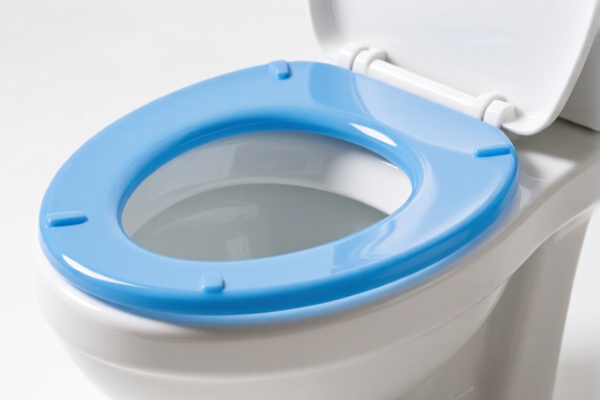
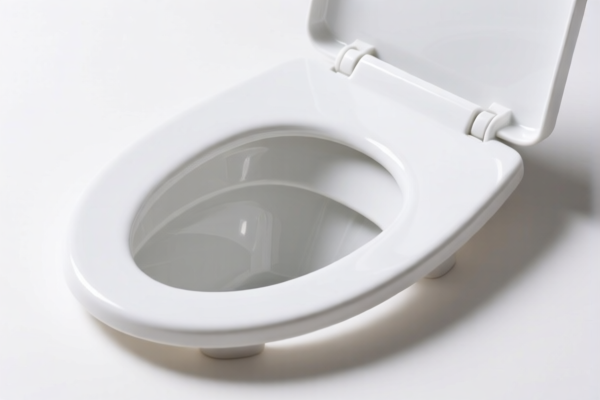
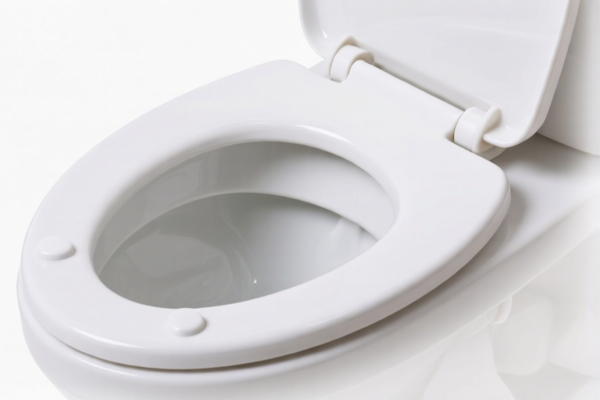
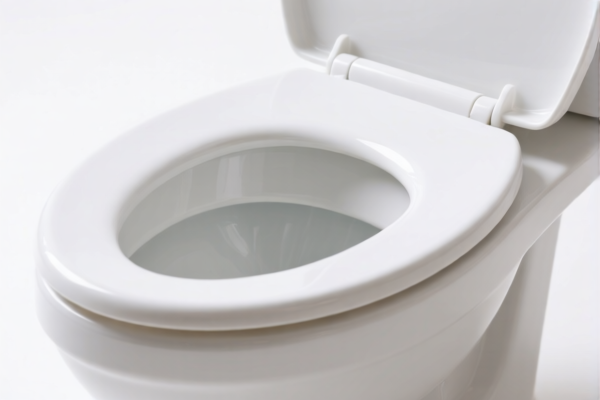
AI Analysis
🚽 Antibacterial Plastic Toilet Seat: HS Code Classification & U.S. Customs Clearance Guide (2026)
🌐 HS Code Reference & Customs Clearance Guide | Latest Tariff Analysis for 2026 | Professional Strategy for U.S. Imports
📌 Part 1: Product Definition & Classification – Do You Really Know "Antibacterial Plastic Toilet Seat"?
The Antibacterial Plastic Toilet Seat is a sanitary ware component widely used in residential, commercial, and healthcare settings. In international trade, its classification depends strictly on material composition, intended use, and physical form.
It is generally categorized into two main types:
1. Sanitary Ware Articles (Plastic Toilet Seats/Covers):
These are specific sanitary fixtures made of plastic, designed to fit onto ceramic toilets. They are considered finished goods for hygiene purposes.
2. General Plastic Articles (Miscellaneous Plastic Products):
If the item is viewed more as a generic plastic component rather than a specific sanitary fixture, or if it falls into "other plastic articles" due to specific material or structural nuances, it may be classified under general plastic product categories.
⚠️ Key Distinction Point:
- If the item is explicitly a toilet seat/cover made of plastic, it typically falls under Chapter 39 (Articles of Plastic) - Heading 3922 (Sanitary Ware, of Plastic).
- If it is considered a generic plastic accessory or does not strictly meet the "sanitary ware" definition in certain interpretations, it may fall under Heading 3926 (Other Articles of Plastic).
- Note on "Antibacterial": The antibacterial property itself does not change the HS code but may require additional certification for marketing claims. The classification remains based on the physical nature and use.
📦 Part 2: HS Code Classification Details (Based on Provided Data)
| HS Code | Product Description | Application Scenario | Tax Rate Breakdown |
|---|---|---|---|
3922.90.00.00 |
Antibacterial Plastic Toilet Seat, Plastic Material, Form: Toilet Seat. Matches "Plastic Sanitary Ware". | Standard Sanitary Ware classification. Best for generic plastic toilet seats/covers. | Base: 6.3% Section 301: 25.0% Section 122: 10% Total: 41.3% |
3926.30.50.00 |
Antibacterial Plastic Toilet Seat, Plastic Material, Use: Toilet Seat. Classified as "Other Articles of Plastic". | Alternative Classification. Used if strict "sanitary ware" definition is disputed or for specific "other category" items. | Base: 5.3% Section 301: 7.5% Section 122: 10% Total: 22.8% |
3922.20.00.00 |
Antibacterial Plastic Toilet Seat, Plastic Material, Use: Toilet Seat. Matches "Plastic Sanitary Ware (Seats & Covers)". | Specific Sanitary Ware. Most accurate if clearly defined as a toilet seat/cover under Chapter 3922. | Base: 6.3% Section 301: 7.5% Section 122: 10% Total: 23.8% |
3926.90.99.89 |
Antibacterial Plastic Toilet Seat, Plastic Material, Form: Finished Article. Matches "Plastic Articles" Bottom Category. | Catch-all Category. Used if it doesn't fit specific sanitary or other subheadings. | Base: 5.3% Section 301: 7.5% Section 122: 10% Total: 22.8% |
6910.90.00.00 |
Soft-Close Plastic Toilet Lid, Plastic Material, Use: Sanitary Fixture Accessory. Matches "Other" Bottom Category. | Accessories/Other. For items like soft-close lids or specific plastic components that are not the main seat. | Base: 5.7% Section 301: 7.5% Section 122: 10% Total: 23.2% |
🔍 Key Reminder:
-3922.90.00.00has the highest total tariff (41.3%) due to a higher Section 301 rate (25%).
-3926.30.50.00and3926.90.99.89offer the lowest total tariff (22.8%).
-3922.20.00.00is a balanced option at 23.8%.
-6910.90.00.00is relevant for accessories like soft-close lids, at 23.2%.
- Section 122 Tariff (10%) applies to all these categories, likely referring to specific U.S. trade measures.
- Section 301 Tariff varies significantly (7.5% vs. 25%), which is the main driver of cost difference.
💰 Part 3: 2026 Latest Tariff Rate Detailed Explanation (Including Additional Taxes, Policy Add-ons)
✅ Applicable Country: United States (US)
✅ Origin: China (CN) (Assumed based on typical trade context for these tariffs)
✅ Effective Time: 2025/2026 (Current U.S. Trade Policy)
🎯 1. 3922.90.00.00 – Plastic Sanitary Ware (Toilet Seat), General
| Item | Content |
|---|---|
| Base Tariff Rate | 6.3% (ad valorem) |
| Section 301 Additional Tariff | +25.0% (U.S. Trade Act Section 301) |
| Section 122 Additional Tariff | +10.0% (Specific U.S. Trade Measure) |
| Total Tariff Rate | 41.3% |
| Tax Calculation | CIF Value × 41.3% |
| De Minimis Exemption | ❌ Not Eligible (Typically, goods subject to Section 301/122 are excluded) |
| Legal Basis Path | USITC:3922.90.00.00 → Section 301: 25% → Section 122: 10% |
📌 Explanation:
- This classification carries the highest risk due to the 25% Section 301 tariff.
- It is typically used for general plastic sanitary ware that doesn't fit more specific subheadings.
🎯 2. 3926.30.50.00 – Other Plastic Articles, Toilet Seat
| Item | Content |
|---|---|
| Base Tariff Rate | 5.3% |
| Section 301 Additional Tariff | +7.5% |
| Section 122 Additional Tariff | +10.0% |
| Total Tariff Rate | 22.8% |
| Tax Calculation | CIF Value × 22.8% |
| De Minimis Exemption | ❌ Not Eligible |
| Legal Basis Path | USITC:3926.30.50.00 → Section 301: 7.5% → Section 122: 10% |
📌 Explanation:
- This is one of the most cost-effective classifications.
- It treats the toilet seat as a "general plastic article" rather than specific sanitary ware, avoiding the higher Section 301 rate.
- Note: Ensure the product description clearly supports this classification to avoid customs challenges.
🎯 3. 3922.20.00.00 – Plastic Sanitary Ware, Seats & Covers
| Item | Content |
|---|---|
| Base Tariff Rate | 6.3% |
| Section 301 Additional Tariff | +7.5% |
| Section 122 Additional Tariff | +10.0% |
| Total Tariff Rate | 23.8% |
| Tax Calculation | CIF Value × 23.8% |
| De Minimis Exemption | ❌ Not Eligible |
| Legal Basis Path | USITC:3922.20.00.00 → Section 301: 7.5% → Section 122: 10% |
📌 Explanation:
- A balanced option that correctly identifies the product as a plastic toilet seat/cover.
- Lower Section 301 rate (7.5%) compared to3922.90.00.00makes it significantly cheaper.
🎯 4. 3926.90.99.89 – Other Plastic Articles, Bottom Category
| Item | Content |
|---|---|
| Base Tariff Rate | 5.3% |
| Section 301 Additional Tariff | +7.5% |
| Section 122 Additional Tariff | +10.0% |
| Total Tariff Rate | 22.8% |
| Tax Calculation | CIF Value × 22.8% |
| De Minimis Exemption | ❌ Not Eligible |
| Legal Basis Path | USITC:3926.90.99.89 → Section 301: 7.5% → Section 122: 10% |
📌 Explanation:
- Similar cost structure to3926.30.50.00.
- Used as a "catch-all" for plastic articles not elsewhere specified.
- Risk: Customs may challenge this if the product is clearly identifiable as a toilet seat.
🎯 5. 6910.90.00.00 – Sanitary Fixtures of Porcelain/Ceramic, Other (Plastic Lid)
| Item | Content |
|---|---|
| Base Tariff Rate | 5.7% |
| Section 301 Additional Tariff | +7.5% |
| Section 122 Additional Tariff | +10.0% |
| Total Tariff Rate | 23.2% |
| Tax Calculation | CIF Value × 23.2% |
| De Minimis Exemption | ❌ Not Eligible |
| Legal Basis Path | USITC:6910.90.00.00 → Section 301: 7.5% → Section 122: 10% |
📌 Explanation:
- Specifically mentioned for soft-close plastic toilet lids or accessories.
- Note: Chapter 69 is usually for ceramic/porcelain, but this code may be used for plastic components of ceramic fixtures in some contexts. Verify with customs broker.
- Competitive rate at 23.2%.
🛠️ Part 4: Customs Clearance Practical Advice (Real-World Pitfall Avoidance Guide)
✅ 1. Required Documentation Checklist (No Exceptions)
| Document | Mandatory | Explanation |
|---|---|---|
| ✅ Product Specification Sheet | ✔️ | Must include material (Plastic), dimensions, weight, and specific use (Toilet Seat). |
| ✅ Product Photos | ✔️ | Clear images showing the item, including any branding, model number, and antibacterial claims. |
| ✅ Commercial Invoice | ✔️ | Must clearly state "Antibacterial Plastic Toilet Seat" and the correct HS Code. |
| ✅ Packing List | ✔️ | Detail the quantity and packaging. |
| ✅ Certificate of Origin (CO) | ✔️ | To confirm origin (China) and apply correct tariffs. |
| ✅ Antibacterial Certification | ✔️ | If making health claims, provide test reports (e.g., EPA, ISO) to support marketing. |
| ✅ Labeling | ✔️ | U.S. labeling requirements must be met (e.g., "Made in China"). |
✅ 2. Declaration Strategy (Key Tips)
🔥 “Clarify Material, Specify Use, Avoid Ambiguity!”
| Situation | Correct Declaration | Incorrect Practice |
|---|---|---|
| Standard Plastic Toilet Seat | Use 3922.20.00.00 (23.8%) or 3926.30.50.00 (22.8%) |
Use 3922.90.00.00 (41.3%) unnecessarily |
| Soft-Close Plastic Lid | Use 6910.90.00.00 (23.2%) |
Classify as general plastic article |
| Generic Plastic Component | Use 3926.90.99.89 (22.8%) |
Force into sanitary ware category |
| Mixed Shipment | Separate HS codes for different items | Combine into one HS code → Risk of audit |
📌 Critical Tip:
-3926.30.50.00and3926.90.99.89offer the lowest tariffs (22.8%).
- Ensure your product description and documentation support this classification.
-3922.90.00.00should be avoided unless specifically required by customs interpretation, as it carries a 41.3% tariff.
✅ 3. Special Cases & Handling
| Situation | Handling Advice |
|---|---|
| OEM/ODM Products | Provide customer agreements and design specs. Ensure labels match the declared HS code. |
| Antibacterial Claims | Have valid test reports ready. Customs may request proof of claims. |
| Multiple HS Codes in One Shipment | Declare each HS code separately with accurate quantities and values. |
| Disputes on Classification | Apply for an Advance Ruling from U.S. Customs (CBP) before shipment. |
🌍 Part 5: Global Market Comparison (2026 Latest)
| Country/Region | Recommended HS Code | Tariff | Certification | Notes |
|---|---|---|---|---|
| 🇺🇸 USA | 3926.30.50.00 / 3926.90.99.89 |
22.8% | N/A | Lowest tariff among options. Avoid 3922.90.00.00 (41.3%). |
| 🇨🇳 China | 3922.90.00.00 |
5% - 10% | N/A | Lower tariffs for exports to China. |
| 🇪🇺 EU | 3922.90.00 |
0% - 6% | CE, REACH | No Section 301/122 tariffs. |
| 🇦🇺 Australia | 3922.90.00 |
5% | N/A | Standard tariffs apply. |
| 🇯🇵 Japan | 3922.90.00 |
0% - 6% | PSE (if electrical) | Low tariffs for plastic sanitary ware. |
📌 Conclusion:
- The U.S. is the only market with significant additional tariffs (Section 301/122).
- Strategic Classification is crucial to minimize costs in the U.S. market.
-3926.30.50.00and3926.90.99.89are the most cost-effective for U.S. imports.
📌 Part 6: Common Mistakes & Pitfalls (Lessons Learned)
❌ Mistake 1: Using 3922.90.00.00 without justification
👉 Consequence: 41.3% tariff instead of 22.8% → Huge cost increase!
❌ Mistake 2: Misclassifying a plastic toilet seat as ceramic (6910.90.00.00)
👉 Consequence: Customs challenge, delay, potential penalty. Only use for plastic accessories/lids if explicitly allowed.
❌ Mistake 3: Ignoring Section 122 Tariff (10%)
👉 Consequence: Underpaying taxes → Back taxes + Interest.
❌ Mistake 4: Inadequate Product Description
👉 Consequence: Customs may assign a higher duty rate or hold the shipment.
✅ Correct Practice:
Declare as "Plastic Toilet Seat, Antibacterial, Model XYZ, Made in China" and use
3926.30.50.00or3926.90.99.89for optimal tariff rates.
🎯 Part 7: Conclusion – Precise Classification, Cost Savings, Smooth Clearance!
🎯 Remember the Key Points:
🔹 "Choose
3926for 22.8% tariff, avoid3922.90for 41.3%!"
🔹 "Document everything: Photos, Specs, Certifications."
🔹 "Apply for Advance Ruling if unsure."
📌 Pro Tip:
If your product is antibacterial, ensure you have valid test reports to support marketing claims and avoid regulatory issues.
For U.S. imports, 3926.30.50.00 and 3926.90.99.89 are your best friends for cost efficiency.
📣 Immediate Action:
📞 Consult a licensed customs broker.
📄 Prepare all documentation (Specs, Photos, CO).
🚀 Optimize your HS Code choice and save thousands in tariffs!
✨ Professional Customs Clearance Starts with Precise Classification!
💼 Every dollar saved in tariffs is pure profit!
Customer Reviews
About HS Code Classification
The Harmonized System (HS) is an internationally standardized nomenclature developed by the World Customs Organization (WCO) to classify traded products. Over 200 countries use the HS system as the basis for customs tariffs, trade statistics, and import/export regulations.
Each HS code follows a hierarchical structure:
- Chapter (2 digits) — Broad category of goods (e.g., Chapter 84: Machinery and Mechanical Appliances)
- Heading (4 digits) — More specific grouping within the chapter
- Subheading (6 digits) — Internationally standardized breakdown, used by all WCO member countries
- National subdivisions (8-10 digits) — Country-specific extensions for further classification, such as US HTSUS 10-digit codes
Correct HS code classification is essential for smooth customs clearance, accurate duty payment, and compliance with trade regulations. Misclassification can lead to customs delays, overpayment of duties, or penalties.
When importing from CN to US, the applicable tariff rates may include:
- Most-Favored-Nation (MFN) rate — The standard duty rate applied to WTO members
- General rate — Applied to countries without trade agreements
- Trade remedy duties — Additional tariffs such as Section 301 (anti-dumping), Section 232 (national security), or countervailing duties
The information provided on this page is for reference purposes only. For official classification, please consult with your local customs authority or a licensed customs broker.