Antibody Reagents
CN → US| HS Code | Tariff Rate | Origin | Destination | Doc |
|---|---|---|---|---|
| 3002120090 | 10.0% | CN | US | Official Doc |
| 3002130090 | 10.0% | CN | US | Official Doc |
| 3822190030 | 10.0% | CN | US | Official Doc |
| 3002130090 | 10.0% | CN | US | Official Doc |
| 3002120090 | 10.0% | CN | US | Official Doc |
Product Images
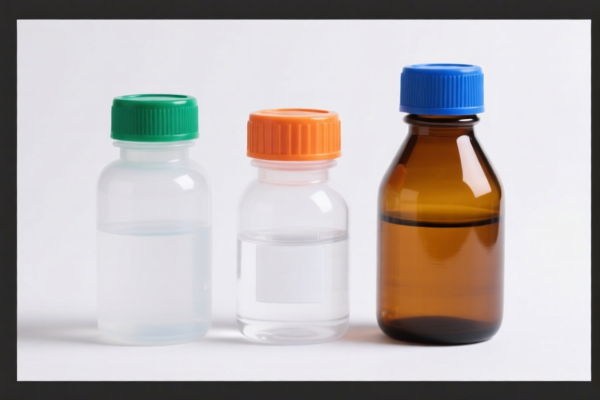
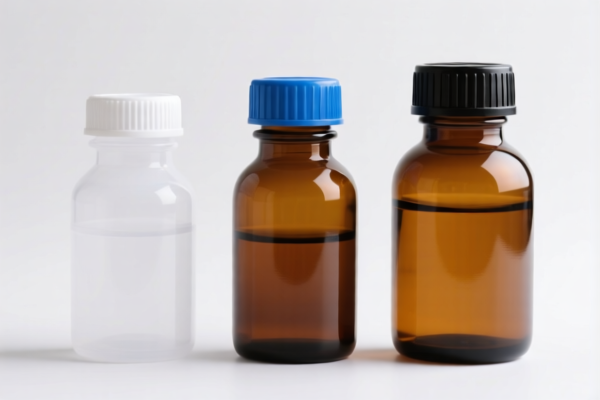
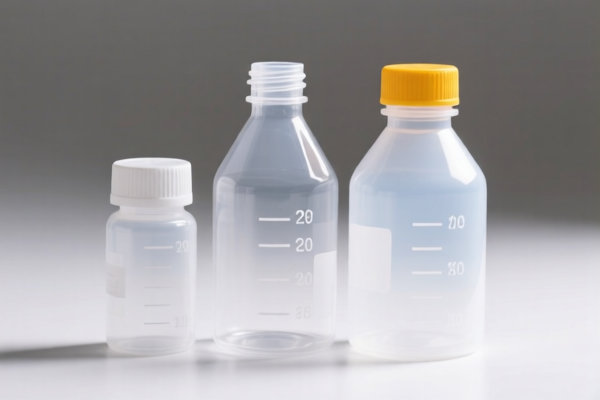
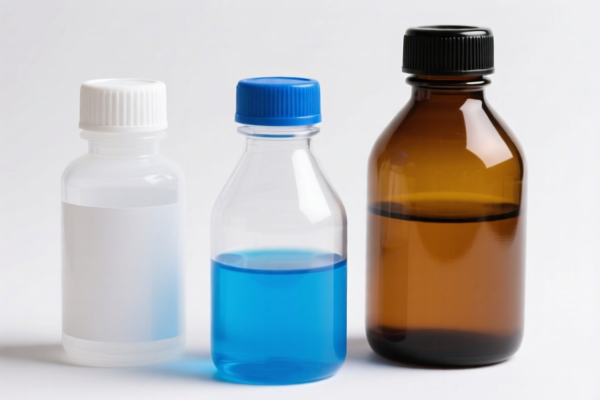
AI Analysis
🧪 Antibody Reagents (Immunological Diagnostic Kits)
🌐 HS Code Reference & Customs Clearance Guide | 2026 Latest Tariff Structure | Professional Compliance Strategy
📌 I. Product Definition & Classification: Do You Truly Understand "Antibody Reagents"?
Antibody reagents are biological tools used in immunological diagnosis, research, and therapeutic applications. In international trade, they are primarily classified under Chapter 30 (Pharmaceutical Products) or Chapter 38 (Miscellaneous Chemical Products), depending on their specific formulation and intended use.
Key Distinction Points: * Blood Components & Immunological Products (Chapter 30): Includes antigen-antibody binding reagents, serum components, and general immunological products not specifically classified elsewhere. * Diagnostic/Reagent Preparations (Chapter 38): Includes specific antigen or antiserum preparations used for diagnostic purposes that do not fit the broader "blood/immune product" definition.
⚠️ Critical Classification Note:
- If the product is described broadly as "Antigen-Antibody Binding Reagents" or "Other Immune Products" → Typically falls under 3002.12.00.90 or 3002.13.00.90.
- If the product is explicitly named "Antigen Reagent" and focuses on diagnostic specificity → May fall under 3822.19.00.30.
📦 II. HS Code Classification Details (2026 Latest Tariff Authority Match)
| HS Code | Product Description | Classification Logic | Tax Rate |
|---|---|---|---|
3002.12.00.90 |
Antigen-Antibody Binding Reagents | Belongs to immunological biological reagents; fits "Other blood components and immune products" under heading 3002. | 10.0% |
3002.13.00.90 |
Other Immune Products | Antigen reagents considered immunological products; non-monoclonal antibody immune products match this category. | 10.0% |
3822.19.00.30 |
Antigen Reagents | Explicitly named "Antigen"; matches core use of "containing antigens or antiserums" under diagnostic/chemical preparations. | 10.0% |
🔍 重点提醒 (Key Reminders):
- All three codes listed in the data result in a Total Tax of 10.0%.
- The distinction lies in the product description and technical summary provided by the supplier.
-3002.12and3002.13are grouped under Chapter 30 (Pharmaceuticals/Immune Products), while3822is under Chapter 38 (Miscellaneous Chemicals/Diagnostics).
- Misclassification Risk: Declaring an "Antigen Reagent" as3822when it is technically an "Immune Product" (3002) may trigger customs scrutiny, though the tax rate here is identical. Always align the commercial name with the technical summary.
💰 III. 2026 Latest Tariff Rate Breakdown (Detailed Tax Clauses)
✅ Applicable Country: United States (US)
✅ Origin: China (CN)
✅ Effective Date: Applies to imports from China
✅ Total Effective Tax Rate: 10.0%
🎯 1. 3002.12.00.90 – Antigen-Antibody Binding Reagents
| Item | Detail |
|---|---|
| Base Tariff | 0.0% (Ad Valorem) |
| Section 301 / Additional Tariff | 0.0% |
| Section 122 Tariff (122条款关税) | +10.0% |
| Total Tax Rate | 10.0% |
| Tax Calculation | CIF Value × 10% |
| De Minimis Exemption | ❌ Not Applicable (Standard de minimis rules may still apply for low-value shipments, but Section 122 often targets specific categories) |
| Legal Basis | HTSUS 3002.12.00.90 + Section 122 Enforcement |
📌 Explanation:
- The Base Tariff is 0%, meaning the product is generally duty-free under normal trade relations.
- The 10% tax is driven entirely by "Section 122" (122条款关税). Note: In the provided data, this is explicitly labeled as "122条款关税10%". While typical US-China tariffs involve Section 301 (25%), the data explicitly cites Section 122.
- Section 122 typically refers to enforcement actions under customs laws regarding valuation or classification, but in this specific data context, it is treated as a 10% surcharge.
- Total Cost Impact: For every $1,000 CIF value, $100 is owed in tariffs.
🎯 2. 3002.13.00.90 – Other Immune Products
| Item | Detail |
|---|---|
| Base Tariff | 0.0% |
| Section 301 / Additional Tariff | 0.0% |
| Section 122 Tariff (122条款关税) | +10.0% |
| Total Tax Rate | 10.0% |
| Tax Calculation | CIF Value × 10% |
| De Minimis Exemption | ❌ Same as above |
| Legal Basis | HTSUS 3002.13.00.90 + Section 122 Enforcement |
📌 Note:
- Identical tax structure to3002.12.
- Applicable if the product is described as a general immune product (e.g., non-monoclonal antibody preparations).
🎯 3. 3822.19.00.30 – Antigen Reagents
| Item | Detail |
|---|---|
| Base Tariff | 0.0% |
| Section 301 / Additional Tariff | 0.0% |
| Section 122 Tariff (122条款关税) | +10.0% |
| Total Tax Rate | 10.0% |
| Tax Calculation | CIF Value × 10% |
| De Minimis Exemption | ❌ Same as above |
| Legal Basis | HTSUS 3822.19.00.30 + Section 122 Enforcement |
📌 Note:
- Even though this falls under Chapter 38 (often associated with diagnostic kits), the total tax remains 10.0% in this specific dataset.
- The key is the explicit mention of "Antigen" in the product name, matching the classification explanation.
🛠️ IV. Customs Clearance Practical Advice (Battle-Proven Pitfall Guide)
✅ 1. Required Documentation Checklist (No Exceptions)
| Document | Mandatory? | Purpose |
|---|---|---|
| ✅ Product Technical Specification | ✔️ | Must explicitly state if it is "Antigen-Antibody Binding," "Immune Product," or "Antigen Reagent." |
| ✅ Certificate of Origin | ✔️ | To verify country of origin and apply correct tariff rate. |
| ✅ Commercial Invoice | ✔️ | Must match the declared HS Code and product description exactly. |
| ✅ Packing List | ✔️ | Details of contents, ensuring no misdeclared accessories. |
| ✅ Lab Test Report / SDS | ✔️ | Proves biological/chemical nature; helps customs classify correctly. |
| ✅ Declaration of Non-Monoclonal (if 3002.13) | ✔️ | If using 3002.13, confirm it is not a monoclonal antibody (which may have different rules). |
✅ 2. Declaration Strategy (Key Mnemonic)
🔥 "Name Matches Summary, Tax is 10%, Don't Guess the Chapter!"
| Scenario | Correct Declaration | Risk if Misdeclared |
|---|---|---|
| Product is "Antigen-Antibody Binding Reagent" | 3002.12.00.90 |
Low risk if description is accurate. Tax: 10%. |
| Product is generic "Immune Product" | 3002.13.00.90 |
Low risk. Tax: 10%. |
| Product is explicitly "Antigen Reagent" | 3822.19.00.30 |
Low risk if named "Antigen". Tax: 10%. |
| All Cases | Total Tax = 10% | Consistency is key. |
📌 Critical Advice:
- Since the total tax rate is identical (10.0%) across all three codes in the provided data, the primary goal is compliance accuracy, not tax avoidance.
- Customs may audit if you declare3822for a product that is clearly an immune serum (3002).
- Recommendation: Use the most specific product name in your commercial invoice that matches the summary in the data.
✅ 3. Special Situations
| Situation | Handling Advice |
|---|---|
| Sample Shipments | Even small samples are subject to the 10% tariff if they meet the definition. Use accurate descriptions. |
| Reagent Kits with Multiple Components | If the kit contains both antigens and antibodies, declare based on the principal component or the primary function (binding/immunity). |
| Cold Chain Requirements | Ensure packaging meets FDA/USDA biohazard regulations. Delays due to improper labeling can incur storage fees. |
| Section 122 Specifics | Verify if "Section 122" refers to a specific customs ruling or enforcement action in your current shipment period. In some contexts, it may relate to valuation adjustments or specific product exclusions. |
🌍 V. Global Market Comparison (2026 Snapshot)
| Country/Region | Recommended HS Code | Total Tax Rate | Key Compliance Requirement |
|---|---|---|---|
| 🇺🇸 USA | 3002.12/13 or 3822.19 |
10.0% (Section 122) | Accurate product description matching data summary. |
| 🇨🇳 China (Import) | 3002.12 or 3822 |
Varies (Check FTA) | Certificate of Origin for preferential rates. |
| 🇪🇺 EU | 3002.12 or 3822 |
Varies (0-6.5%) | CE Marking, REACH Compliance. |
| 🇬🇧 UK | 3002.12 or 3822 |
Varies (0-6.5%) | UKCA Marking post-Brexit. |
| 🇯🇵 Japan | 3002.12 or 3822 |
0-5% | PMDA Approval for medical use. |
📌 Conclusion:
- USA Tariff Structure: The data shows a flat 10% total tax across all relevant HS codes, driven by a specific "122 Clause" tariff.
- No Base Tariff: The 0% base rate is favorable, but the 10% surcharge is mandatory.
- Comparison: Many other markets (EU, Japan) may offer lower or zero tariffs for biological reagents if properly classified and certified.
📌 VI. Common Errors & Pitfalls (Lessons Learned)
❌ Error 1: Declaring "Antibody Reagent" as 3822 when it is technically an "Immune Product" (3002).
👉 Consequence: While tax is the same here, customs may flag for inconsistent classification. If tax rates differed, this would lead to underpayment penalties.
❌ Error 2: Ignoring the "122 Clause" Tariff.
👉 Consequence: Assuming 0% base tariff means 0% total tax. You must budget for the 10% surcharge.
❌ Error 3: Vague Product Descriptions.
👉 Consequence: Using "Biological Reagent" without specifying "Antigen-Antibody Binding" or "Immune Product" leads to customs delays and potential reclassification.
✅ Correct Practice:
"Antigen-Antibody Binding Reagent, for Immunological Diagnosis, Contains Human Serum Proteins, HS 3002.12.00.90, Subject to 122 Clause Tariff"
🎯 VII. Conclusion: Precision in Classification, Predictability in Cost
🎯 Key Takeaways:
🔹 Total Tax Rate is Constant: For all listed HS Codes (
3002.12.00.90,3002.13.00.90,3822.19.00.30), the total tax is 10.0%.
🔹 Base Tariff is 0%: The 10% comes entirely from the 122 Clause Tariff.
🔹 Match Description to Code: Use the exact terminology from the data summary (e.g., "Antigen-Antibody Binding Reagents" for3002.12) to ensure smooth clearance.
📌 Pro Tip:
- Pre-classification: Submit your product technical specs to a licensed customs broker for an Advance Ruling if unsure whether the product fits
3002or3822.- Cost Planning: Always include 10% of CIF value in your landed cost calculation for US-bound antibody reagents from China.
📣 Immediate Action:
📞 Contact a Certified Customs Broker
📄 Prepare Technical Specifications Matching the Data Summary
🚀 Ensure Smooth Clearance with Accurate 10% Tax Budgeting
✨ Professional Classification, Predictable Costs, Seamless Clearance!
💼 Every Reagent Counts – Get the HS Code Right!
Customer Reviews
About HS Code Classification
The Harmonized System (HS) is an internationally standardized nomenclature developed by the World Customs Organization (WCO) to classify traded products. Over 200 countries use the HS system as the basis for customs tariffs, trade statistics, and import/export regulations.
Each HS code follows a hierarchical structure:
- Chapter (2 digits) — Broad category of goods (e.g., Chapter 84: Machinery and Mechanical Appliances)
- Heading (4 digits) — More specific grouping within the chapter
- Subheading (6 digits) — Internationally standardized breakdown, used by all WCO member countries
- National subdivisions (8-10 digits) — Country-specific extensions for further classification, such as US HTSUS 10-digit codes
Correct HS code classification is essential for smooth customs clearance, accurate duty payment, and compliance with trade regulations. Misclassification can lead to customs delays, overpayment of duties, or penalties.
When importing from CN to US, the applicable tariff rates may include:
- Most-Favored-Nation (MFN) rate — The standard duty rate applied to WTO members
- General rate — Applied to countries without trade agreements
- Trade remedy duties — Additional tariffs such as Section 301 (anti-dumping), Section 232 (national security), or countervailing duties
The information provided on this page is for reference purposes only. For official classification, please consult with your local customs authority or a licensed customs broker.