Antifreeze Plastic Container
CN → US| HS Code | Tariff Rate | Origin | Destination | Doc |
|---|---|---|---|---|
| 3923900016 | 38.0% | CN | US | Official Doc |
| 3926904800 | 13.4% | CN | US | Official Doc |
| 3924104000 | 13.4% | CN | US | Official Doc |
| 3924905650 | 20.9% | CN | US | Official Doc |
| 3923900014 | 38.0% | CN | US | Official Doc |
| 3926901000 | 20.9% | CN | US | Official Doc |
Product Images
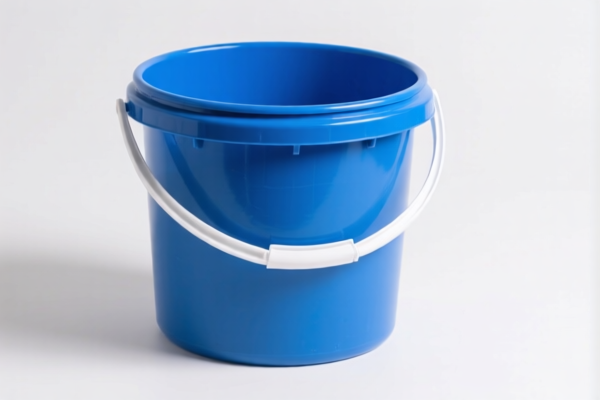
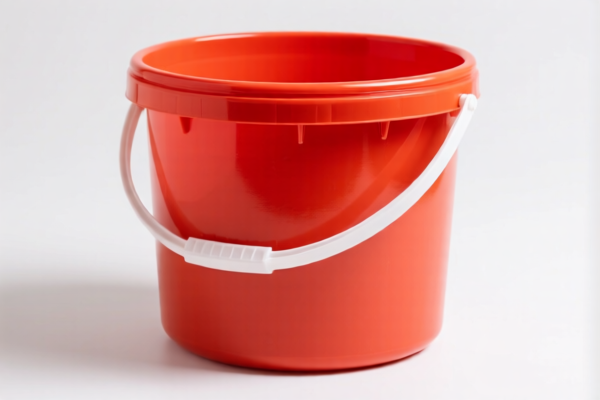
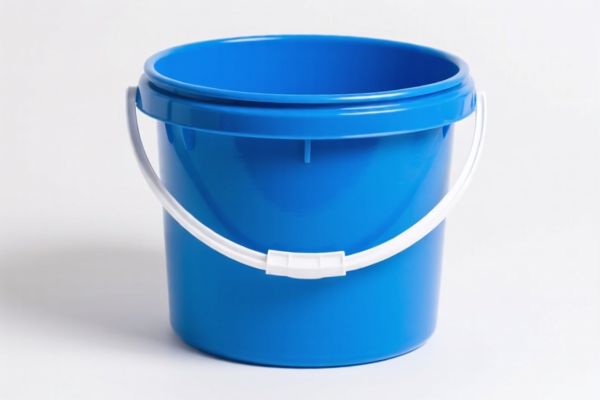
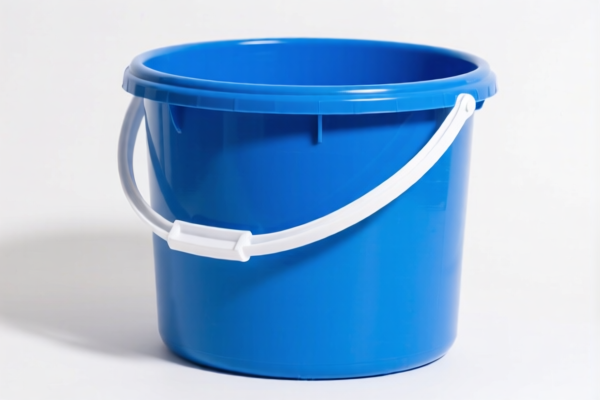
AI Analysis
🛢️ Antifreeze Plastic Container (塑料防冻容器)
🌐 HS Code Reference & Customs Clearance Guide | 2026 Latest Tariff Analysis | Professional Clearance Strategy
📌 I. Product Definition & Classification: What exactly is an "Antifreeze Plastic Container"?
An "Antifreeze Plastic Container" is a general term describing plastic vessels designed to store, transport, or protect antifreeze fluids (coolants) or serve as containers in freezing conditions. In international trade, particularly when importing into the United States, the classification hinges on two critical factors: 1. Primary Function: Is it strictly for packaging/transport (shipping goods) or for household/industrial use (storing fluid in a facility)? 2. Material & Form: Is it a rigid bucket/jerrycan or a flexible bladder?
⚠️ Key Distinction Point:
- If the container is used for shipping/transit packaging (e.g., carrying antifreeze from factory to warehouse) → Typically falls under Heading 3923 (Articles for the conveyance or packing of goods).
- If the container is a finished good for end-user storage (e.g., a household bucket for windshield washer fluid or industrial chemical storage) → Typically falls under Heading 3924 (Household articles) or 3926 (Other plastic articles).
📦 II. HS Code Classification Details (Based on Provided Data)
| HS Code | Product Description | Application Scenario | Tax Rate |
|---|---|---|---|
3923.90.00.16 |
Plastic container, drum shape, specifically for antifreeze or transport packaging | Industrial antifreeze drums, transport-grade packaging | 38.0% |
3926.90.48.00 |
Plastic container/drum, classified under Other plastic articles | General plastic buckets, non-specific chemical containers | 13.4% |
3924.10.40.00 |
Plastic material, household or container-type items, fitting plastic kitchenware/household goods | Household antifreeze storage, plastic jerrycans for retail | 13.4% |
3924.90.56.50 |
Plastic antifreeze bucket, falling under household/container supplies, other household articles | Specialized antifreeze storage for home/industrial use (non-packaging) | 20.9% |
3923.90.00.14 |
Plastic container, drum shape, for antifreeze storage, fitting packaging/transport use | Similar to .16, focused on transport/packing function | 38.0% |
3926.90.10.00 |
Plastic container, drum shape, fitting description of plastic buckets/oil drums | Standard industrial plastic drums (water, oil, antifreeze) | 20.9% |
🔍 Important Note:
- Transport vs. Storage: Containers intended for transporting goods (HS 3923) attract significantly higher tariffs due to "Section 301" and "122 Clause" surcharges compared to household/other plastic articles (HS 3924/3926). - Material: All items are Plastic (PE/PP/PET).
💰 III. 2026 Latest Tariff Rate Breakdown (Including Surcharges)
✅ Applicable Country: United States (US)
✅ Origin: China (CN)
✅ Effective Time: Current rates apply as per provided data.
🎯 1. 3923.90.00.16 & 3923.90.00.14 —— Transport/Packing Containers
These codes classify the item as a packaging article. This is the most expensive category due to high surcharges.
| Item | Content |
|---|---|
| Base Tariff | 3.0% |
| Section 301 Surcharge | +25.0% |
| "122 Clause" Surcharge | +10.0% |
| Total Tariff Rate | 38.0% |
| Tax Calculation | CIF Value × 38.0% |
| De Minimis Exemption | ❌ Not Eligible (High tariff goods are excluded from de minimis benefits) |
| Legal Basis | Base Tariff + Section 301 (25%) + Section 122/Other Surcharges (10%) |
📌 Explanation:
- The 25% is the standard Section 301 tariff on many Chinese plastic products. - The 10% is an additional surcharge (referred to as "122 Clause" in the data), likely related to specific trade enforcement measures. - Total 38% makes these imports extremely costly. Clearing agents must ensure the product is not misclassified as a lower-tax "household" item if it doesn't fit the definition.
🎯 2. 3926.90.48.00 —— Other Plastic Articles (General)
A broader category for plastic containers not specified elsewhere.
| Item | Content |
|---|---|
| Base Tariff | 3.4% |
| Section 301 Surcharge | 0.0% |
| "122 Clause" Surcharge | +10.0% |
| Total Tariff Rate | 13.4% |
| Tax Calculation | CIF Value × 13.4% |
| De Minimis Exemption | ❌ Likely Not Eligible (Depends on specific USITC rules for Section 301, but usually high-value goods are excluded) |
📌 Explanation:
- Interestingly, Section 301 (25%) does not apply to this specific subheading, reducing the burden significantly. - Only the 10% "122 Clause" surcharge applies. - This is a cost-effective classification if the container can be argued as a "general plastic article" rather than a "transport package."
🎯 3. 3924.10.40.00 —— Household Plastic Articles
For containers used in household or similar settings.
| Item | Content |
|---|---|
| Base Tariff | 3.4% |
| Section 301 Surcharge | 0.0% |
| "122 Clause" Surcharge | +10.0% |
| Total Tariff Rate | 13.4% |
| Tax Calculation | CIF Value × 13.4% |
| De Minimis Exemption | ❌ Not Eligible |
📌 Explanation:
- Same tax structure as3926.90.48.00. - Suitable if the antifreeze container is sold directly to consumers for household use (e.g., windshield fluid buckets).
🎯 4. 3924.90.56.50 & 3926.90.10.00 —— Intermediate Categories
| Item | Content |
|---|---|
| Base Tariff | 3.4% |
| Section 301 Surcharge | +7.5% |
| "122 Clause" Surcharge | +10.0% |
| Total Tariff Rate | 20.9% |
| Tax Calculation | CIF Value × 20.9% |
| De Minimis Exemption | ❌ Not Eligible |
📌 Explanation:
-3924.90.56.50(Other household articles) and3926.90.10.00(Plastic drums/buckets) have a 7.5% Section 301 surcharge. - This is a middle-ground tax rate. Use if the product is a "bucket" but not strictly "household" or "transport packaging."
🛠️ IV. Customs Clearance Practical Advice (Avoid Pitfalls)
✅ 1. Documentation Checklist (Must-Haves)
| Document | Required | Notes |
|---|---|---|
| ✅ Commercial Invoice | ✔️ | Clearly state "Plastic Container for Antifreeze Storage" |
| ✅ Product Specifications | ✔️ | Material (PE/PP), Volume, Wall Thickness |
| ✅ Intended Use Statement | ✔️ | Critical! State if it's for Packaging/Transport OR Household/Industrial Storage. This determines HS Code. |
| ✅ Photos | ✔️ | Show the container empty and filled (if possible) to prove it's a finished container, not a liner. |
| ✅ Origin Certificate | ✔️ | To prove origin (China) and apply correct surcharges. |
| ✅ MSDS (if containing residue) | ✔️ | If shipped with antifreeze, SDS is mandatory for hazardous material clearance. |
✅ 2. Classification Strategy (Key Tips)
🔥 Golden Rule: "Define Purpose, Not Just Material"
| Scenario | Recommended HS Code | Why? |
|---|---|---|
| Industrial Drums shipped from Factory to Warehouse | 3923.90.00.16 / .14 |
Strictly "packaging/transport." High tax (38%), but accurate. |
| Retail Buckets sold to Homeowners for Wiper Fluid | 3924.10.40.00 |
"Household article." Lower tax (13.4%). |
| Generic Plastic Drums for Chemical Storage | 3926.90.10.00 |
"Plastic drum." Moderate tax (20.9%). |
| Specialized Antifreeze Tanks | 3924.90.56.50 |
"Other household/specialty item." Moderate tax (20.9%). |
⚠️ Warning:
- Do not misclassify a transport drum as a household item to save tax. Customs may audit and impose penalties. - If the container is reusable and intended for transport, it leans towards3923. - If it is disposable or fixed-use, it may lean towards3924or3926.
✅ 3. Special Considerations
| Issue | Solution |
|---|---|
| "122 Clause" Surcharge | Applies to all items in the dataset. Cannot be avoided. Ensure correct HS code to avoid Section 301 overlap where possible. |
| Section 301 Exemption | Check if the specific HS code is excluded from Section 301. 3926.90.48.00 and 3924.10.40.00 show 0% Section 301, which is a significant advantage. |
| De Minimis (Section 321) | Due to high tariffs (13%-38%), these items are likely excluded from de minimis entry. Prepare full formal entry documents. |
| Material Composition | Ensure the plastic is clearly identified (e.g., HDPE, PP). Some plastic types may have different base rates. |
🌍 V. Global Market Comparison (2026)
| Country/Region | Recommended HS Code | Approx. Tariff | Notes |
|---|---|---|---|
| 🇺🇸 USA | See Table Above | 13.4% - 38.0% | High Surcharges apply. Careful classification is key. |
| 🇨🇳 China | 3923.90.00 / 3926.90.00 | 0% - 5% | Low import duties for Chinese buyers. |
| 🇪🇺 EU | 3923.90 / 3926.90 | 0% - 4% | No Section 301 equivalent. VAT applies. |
| 🇨🇦 Canada | 3923.90 / 3926.90 | 0% - 5% | FTA benefits may apply if origin is Canadian/Mexican. |
📌 Conclusion:
- The US market is the most challenging due to Section 301 and 122 Clause surcharges. - Classification Strategy can save up to 24.6% (from 38% to 13.4%) by correctly identifying the container as a "household/general plastic article" rather than a "transport package."
📌 VI. Common Errors & Pitfalls (Lessons Learned)
❌ Error 1: Calling it a "Packaging Material" when it's a "Retail Product"
👉 Result: Overpayment of tax (38% vs 13.4%).
✅ Fix: If sold to end-users, classify under 3924.
❌ Error 2: Calling it a "Household Item" when it's an "Industrial Transport Drum"
👉 Result: Customs rejection, fines, and retroactive tax + interest.
✅ Fix: Be honest about usage. If it's for shipping, use 3923.
❌ Error 3: Ignoring the "122 Clause" Surcharge
👉 Result: Budget shortfalls.
✅ Fix: Factor in 10% additional cost for all entries in this dataset.
🎯 VII. Conclusion: Smart Classification, Lower Costs
🎯 Remember:
🔹 "Transport Packaging = High Tax (38%)"
🔹 "Household/General Plastic = Lower Tax (13.4%)"
🔹 "Industrial Drum = Medium Tax (20.9%)"
📌 Action Item:
📞 Contact your customs broker with clear photos and a Statement of Intended Use.
🚀 Optimize for 13.4% if your product allows (i.e., it's a finished container for storage, not just a shipping package).
✨ Professional Clearance Starts with Precise Classification!
💼 Every Percentage Point Saved is Pure Profit!
Customer Reviews
About HS Code Classification
The Harmonized System (HS) is an internationally standardized nomenclature developed by the World Customs Organization (WCO) to classify traded products. Over 200 countries use the HS system as the basis for customs tariffs, trade statistics, and import/export regulations.
Each HS code follows a hierarchical structure:
- Chapter (2 digits) — Broad category of goods (e.g., Chapter 84: Machinery and Mechanical Appliances)
- Heading (4 digits) — More specific grouping within the chapter
- Subheading (6 digits) — Internationally standardized breakdown, used by all WCO member countries
- National subdivisions (8-10 digits) — Country-specific extensions for further classification, such as US HTSUS 10-digit codes
Correct HS code classification is essential for smooth customs clearance, accurate duty payment, and compliance with trade regulations. Misclassification can lead to customs delays, overpayment of duties, or penalties.
When importing from CN to US, the applicable tariff rates may include:
- Most-Favored-Nation (MFN) rate — The standard duty rate applied to WTO members
- General rate — Applied to countries without trade agreements
- Trade remedy duties — Additional tariffs such as Section 301 (anti-dumping), Section 232 (national security), or countervailing duties
The information provided on this page is for reference purposes only. For official classification, please consult with your local customs authority or a licensed customs broker.