Apron
CN → US| HS Code | Tariff Rate | Origin | Destination | Doc |
|---|---|---|---|---|
| 6211421088 | 25.6% | CN | US | Official Doc |
| 6211431088 | 33.5% | CN | US | Official Doc |
| 3926209010 | 40.0% | CN | US | Official Doc |
| 3926909989 | 22.8% | CN | US | Official Doc |
| 6114200055 | 28.3% | CN | US | Official Doc |
| 6114200060 | 28.3% | CN | US | Official Doc |
Product Images
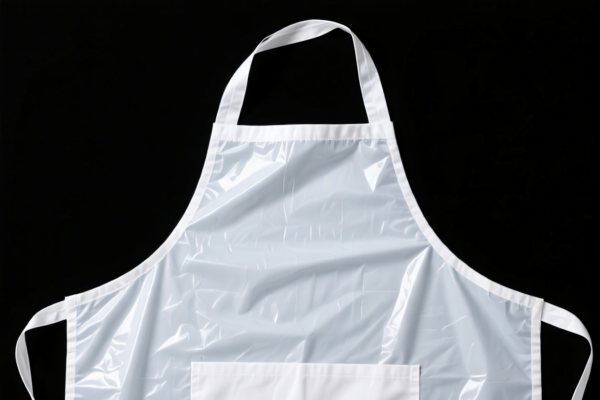


AI Analysis
👗👨🍳 Aprons: The Ultimate Guide to Classification & U.S. Customs Clearance (2026)
🌐 HS Code Reference & Clearance Strategy | Latest Tariff Breakdown | Professional Importer's Playbook
📌 I. Product Definition: Are You Sure It's Just an "Apron"?
An apron is a protective garment worn over the front of the body, primarily used in culinary, medical, industrial, and artistic settings. In international trade, its classification hinges strictly on material composition and intended use.
Key Classification Distinction:
- Plastic Aprons: Made from PVC, PE, or other plastic materials (Heading 39) → High risk of "Other" tariff rates.
- Textile Aprons: Made of cotton, wool, or synthetic fibers (Heading 61 or 62) → Often duty-free or low tax, EXCEPT for specific medical use.
- Medical/Contamination-Specific Aprons: Designed for hospitals, labs, or contaminated zones → Highly scrutinized; requires precise description.
⚠️ CRITICAL WARNING:
- If the apron is plastic and not for a specific medical use, it falls under3926.90.99.89with a 12.8% total tax.
- If the apron is textile (cotton/synthetic) AND designed for hospital/lab use, it can be 0% tax (6211.42.10.88or6211.43.10.88).
- General cotton aprons for non-medical use are often 0% (6114.20.00.55/60), but "Other Aprons" in plastics get hit hard!
📦 II. HS Code Classification Matrix (2026 U.S. Tariff Schedule)
Based on the official data, here is the precise mapping for Aprons and related garments:
| HS Code | Product Description | Material | Intended Use | Total Tax Rate |
|---|---|---|---|---|
| 3926.20.90.10 | Other Aprons | Plastics (PVC/PE/etc.) | General Use (Kitchen, Industrial) | 0.0% |
| 3926.90.99.89 | Other Articles of Plastics | Plastics (Other) | General "Other" Apparel/Accessories | 12.8% |
| 6211.42.10.88 | Other Garments (Women's/Girls) | Cotton | Medical/Lab/Contaminated Areas | 0.0% |
| 6211.43.10.88 | Other Garments (Women's/Girls) | Man-made Fibers | Medical/Lab/Contaminated Areas | 0.0% |
| 6114.20.00.55 | Other Garments (Knitted) | Cotton | Men's/Boys' (General) | 0.0% |
| 6114.20.00.60 | Other Garments (Knitted) | Cotton | Women's/Girls' (General) | 0.0% |
🔍 Deep Dive Analysis:
- Plastic Aprons: Only3926.20.90.10explicitly mentions "Other Aprons" with 0% tax.
- The Trap: If your plastic apron is not explicitly classified as "Other Aprons" under3926.20.90.10, it falls into the residual category3926.90.99.89, which carries a stingy 12.8% tax (5.3% Base + 7.5% Additional).
- Medical Textiles: The description "Apparel designed for use in hospitals, clinics, laboratories or contaminated areas" is the golden ticket for 0% tax, even for synthetic fibers (6211.43.10.88).
- General Cotton Garments: Standard men's/women's cotton aprons (if knitted) fall under6114.20...with 0% tax.
💰 III. 2026 Tariff Rate Breakdown (U.S. Market)
✅ Applicable Country: United States (US)
✅ Origin: China (CN)
✅ Tax Components: Base Tariff + Section 301/Additional Tariffs
🎯 Scenario A: Plastic Apron (The "General" Trap)
Most common error: Misclassifying plastic aprons.
| Item | Content |
|---|---|
| HS Code | 3926.90.99.89 |
| Base Tariff | 5.3% |
| Additional Tariff (Section 301/China) | +7.5% |
| Total Tax | 12.8% |
| Calculation | CIF Value × 12.8% |
| De Minimis Exemption? | ❌ No (Not eligible for $800 duty-free limit if aggregated or if not eligible for specific exclusions) |
| Legal Path | USITC:3926.90.99.89 → Footnote: Additional Tariffs |
📌 Explanation:
This rate applies to plastic apparel accessories that do not fit the specific "Apron" subheading3926.20.90.10or are classified as "Other." Do not assume all plastic aprons are 0%! Verify the exact subheading.
🎯 Scenario B: Medical/Contamination Apron (The "0% Gem")
Textile aprons specifically designed for hazardous environments.
| Item | Content |
|---|---|
| HS Code | 6211.42.10.88 (Cotton) OR 6211.43.10.88 (Synthetic) |
| Base Tariff | 0.0% |
| Additional Tariff | 0.0% |
| Total Tax | 0.0% |
| Key Condition | Must be explicitly "Apparel designed for use in hospitals, clinics, laboratories or contaminated areas". |
📌 Explanation:
These items are duty-free due to their specialized medical/safety function. Documentation is key to prove this specific use case.
🎯 Scenario C: General Cotton Apron (Men's/Women's)
Standard knitted cotton aprons.
| Item | Content |
|---|---|
| HS Code | 6114.20.00.55 (Men's) or 6114.20.00.60 (Women's) |
| Base Tariff | 0.0% |
| Additional Tariff | 0.0% |
| Total Tax | 0.0% |
| Material | 100% Cotton |
| Construction | Knitted or Crocheted |
🛠️ IV. Customs Clearance Operational Advice (Avoiding the 12.8% Pitfall)
✅ 1. Documentation Checklist (The "Golden Ticket" for 0% Tax)
| Document | Requirement | Why It Matters |
|---|---|---|
| Product Specification Sheet | Must state Material (Plastic vs. Cotton vs. Synthetic) | Determines if you are in Heading 39 (Plastic) or 61/62 (Textile). |
| Usage Declaration | "Designed for use in hospitals, clinics, laboratories..." | CRITICAL for 6211.42/43. If you say "General Kitchen Use" for a textile apron, you might lose the 0% rate or be reclassified. |
| Material Composition Label | Clear % of cotton/synthetic/plastic | Customs officers verify this against the HS Code. |
| Photos of Product | Show logo, pockets, straps, and material texture | Visual proof for "Plastic vs. Textile" classification. |
| Commercial Invoice | Must match HS Code and Description exactly | Discrepancies lead to audits and delays. |
✅ 2. Declaration Strategy: The "How-To"
🔥 Pro Tip: "Material First, Function Second, Specificity Third!"
| Scenario | Correct Description for Customs | Incorrect Description | Result |
|---|---|---|---|
| Plastic Apron | "Plastic Apron, PVC, For Industrial Use" | "Plastic Garment" or "Plastic Other" | 0% (if 3926.20.90.10) vs 12.8% (if 3926.90.99.89) |
| Medical Cotton Apron | "Cotton Apron, Medical Grade, For Lab Use" | "Cotton Apron" | 0% (Proven use) vs Potential Duty |
| General Cotton Apron | "Knitted Cotton Apron, Men's, General Wear" | "Apron for Cooking" | 0% (Standard textile) |
⚠️ Warning:
If you declare a plastic apron as "Other Garments" without specifying it as an "Apron" under 3926.20.90.10, it will automatically fall into 3926.90.99.89 (12.8% tax). Always use the word "Apron" in the description.
✅ 3. Special Handling for Medical/Contamination Gear
- Proof of Use: If claiming the
6211.42/430% rate for medical aprons, be prepared to show a Certificate of Compliance or a Letter of Use from the buyer stating the product is intended for healthcare/lab environments. - Labeling: The product itself should ideally bear a label indicating "Medical Grade" or "For Hospital Use" to avoid customs suspicion.
🌍 V. Global Market Comparison (2026)
| Region | Recommended HS Code | Tax Rate | Critical Requirement |
|---|---|---|---|
| 🇺🇸 USA | 3926.20.90.10 (Plastic) or 6211.42/43 (Medical) |
0% or 12.8% | Must specify "Apron" and "Medical Use" clearly. |
| 🇪🇺 EU | 3926.20 or 6211.42 |
Varies (0-12%) | CE Marking required for medical use. |
| 🇨🇳 China | 3926.20 or 6211.42 |
0-5% | Standard export declaration. |
| 🇬🇧 UK | 3926.20 or 6211.42 |
0-15% | Post-Brexit rules apply; check UK Tariff. |
📌 Conclusion:
The U.S. market is the most critical for Apron classification. The difference between 0% and 12.8% is entirely dependent on:
1. Material (Plastic vs. Textile)
2. Specific Subheading (Is it explicitly "Other Aprons" in plastic?)
3. Intended Use (Is it for Hospitals/Labs?)
📌 VI. Common Errors & "Blood & Tears" Lessons
❌ Error 1: Calling a plastic apron "Plastic Garment" instead of "Plastic Apron"
👉 Consequence: Classified as 3926.90.99.89 → 12.8% tax applied. Savings lost!
❌ Error 2: Declaring a cotton apron as "Medical" without proof, but it's for restaurant use
👉 Consequence: Customs audit, back taxes, and potential fraud investigation.
❌ Error 3: Mixing "Men's" and "Women's" categories in one shipment without clear packing lists
👉 Consequence: Delays while customs verifies gender-specific codes (6114.20.00.55 vs .60).
✅ Correct Action:
"Plastic Apron, PVC, Waterproof, For Industrial Kitchen Use (HS: 3926.20.90.10)"
"Cotton Medical Apron, For Hospital Use, Anti-Contamination (HS: 6211.42.10.88)"
🎯 VII. Final Verdict: Clear, Safe, and Profitable!
🎯 The Golden Rule:
🔹 "Plastic? Say 'Apron' or Pay 12.8%!"
🔹 "Medical? Prove It for 0%!"
🔹 "Cotton? Check Gender Codes for Accuracy!"
📌 Action Plan:
1. Verify Material: Plastic = Risk of 12.8% unless 3926.20.90.10. Textile = 0% if Medical or 6114.20.
2. Draft Invoice: Use the exact descriptions from the HS Code data (e.g., "Apparel designed for use in hospitals...").
3. Consult a Broker: If your product has mixed materials or ambiguous use cases, get a Binding Ruling before shipping.
📣 Take Control of Your Logistics:
📞 Contact your customs broker NOW to confirm your HS Code.
📄 Update your Product Labels to match the "Medical/Contamination" or "Apron" requirement.
🚀 Avoid the 12.8% Trap and maximize your profit margin on every Apron shipment!
✨ Precision Classification = Zero Risk = Maximum Savings!
💼 Don't let a missing word cost you 12.8% of your revenue!
Customer Reviews
About HS Code Classification
The Harmonized System (HS) is an internationally standardized nomenclature developed by the World Customs Organization (WCO) to classify traded products. Over 200 countries use the HS system as the basis for customs tariffs, trade statistics, and import/export regulations.
Each HS code follows a hierarchical structure:
- Chapter (2 digits) — Broad category of goods (e.g., Chapter 84: Machinery and Mechanical Appliances)
- Heading (4 digits) — More specific grouping within the chapter
- Subheading (6 digits) — Internationally standardized breakdown, used by all WCO member countries
- National subdivisions (8-10 digits) — Country-specific extensions for further classification, such as US HTSUS 10-digit codes
Correct HS code classification is essential for smooth customs clearance, accurate duty payment, and compliance with trade regulations. Misclassification can lead to customs delays, overpayment of duties, or penalties.
When importing from CN to US, the applicable tariff rates may include:
- Most-Favored-Nation (MFN) rate — The standard duty rate applied to WTO members
- General rate — Applied to countries without trade agreements
- Trade remedy duties — Additional tariffs such as Section 301 (anti-dumping), Section 232 (national security), or countervailing duties
The information provided on this page is for reference purposes only. For official classification, please consult with your local customs authority or a licensed customs broker.