Aquatic Plant Light
CN → US| HS Code | Tariff Rate | Origin | Destination | Doc |
|---|---|---|---|---|
| 9405428440 | 38.9% | CN | US | Official Doc |
| 9405428410 | 38.9% | CN | US | Official Doc |
Product Images
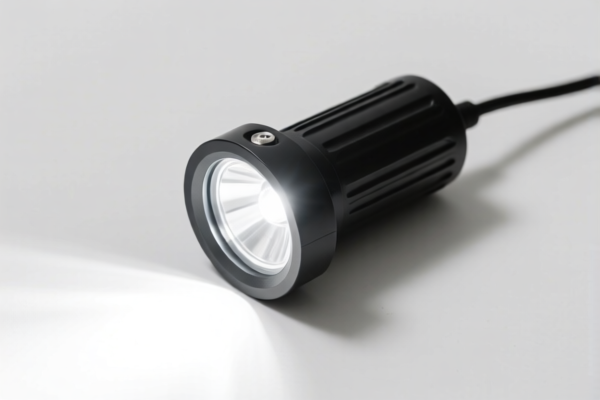
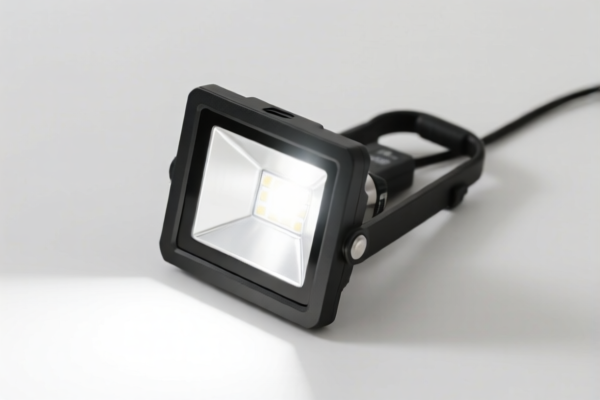
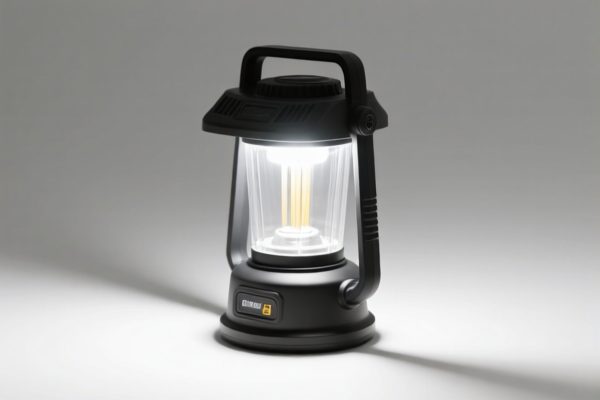
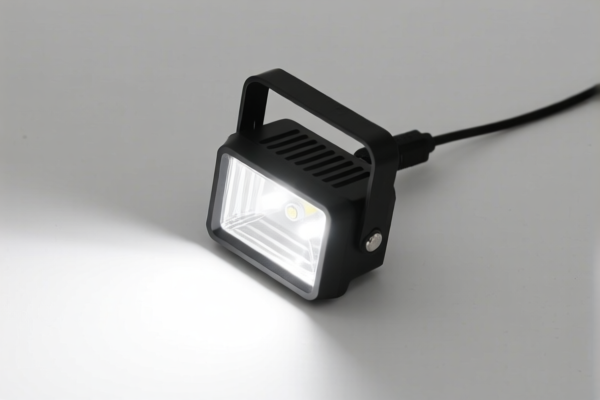
AI Analysis
🌿 Aquatic Plant Lights (LED Aquarium Lighting)
🌐 HS Code Reference & Customs Clearance Guide | 2026 Latest Tariff Analysis | Professional Clearance Strategy
📌 I. Product Definition & Classification: Do You Really Understand "Aquatic Plant Lights"?
Aquatic plant lights, commonly known as aquarium grow lights, are specialized lighting fixtures designed to provide the specific light spectrum (usually full-spectrum or focused on blue/red) required for photosynthesis in underwater plants and corals. In international trade, they are classified strictly based on their light source technology and integration.
Key Distinction: - Complete Luminaires (Finished Goods): Enclosed housings, built-in drivers/power supplies, waterproof casing, and mounting brackets. These are the most common forms imported for retail or aquarium stores. - Parts/Components: Loose LED strips, bare bulbs, or control boxes without the lamp housing.
⚠️ Critical Classification Point:
- If the product is a complete luminaire (has a housing, is ready to use) and uses LEDs, it falls under Chapter 94 (Furniture/Lighting).
- If it is merely an LED bulb or part without the fixture housing, it might fall under Chapter 85 (Electrical Machinery).
- Most "Aquatic Plant Lights" on the market are complete LED fixtures, thus categorized under HS Code 9405.
📦 II. HS Code Classification Details (2026 Latest Tariff Authority Cross-Reference)
Based on the provided data <DATA>, the following HS Codes apply to LED aquatic plant lights. Since modern aquatic plant lights are predominantly LED-based, the classification hinges on whether it is a "lighting set" or an "other luminaire."
| HS Code | Product Description | Applicable Scenario | Key Identification |
|---|---|---|---|
9405.42.84.10 |
Other electric luminaires... designed for use solely with LED light sources: Other Other lighting sets | Decorative aquarium light sets, multi-head LED strips sold as a kit, or packaged sets for aquascaping. | ✅ Kit/Set Format: Often sold as a complete "set" for aquarium use. |
9405.42.84.40 |
Other electric luminaires... designed for use solely with LED light sources: Other Other | Single unit LED aquarium lamps, linear bar lights, high-intensity LED panels for planted tanks. | ✅ Single Unit Format: Standard rectangular or square LED fixtures. |
🔍 Important Note:
- Both codes fall under 9405.42 (Other electric luminaires, designed for use solely with LED light sources).
- The distinction between.84.10(Lighting Sets) and.84.40(Other) often depends on how the product is packaged and marketed (e.g., is it a "set" of lights or a single "fixture"?).
- Misclassification Risk: Do not classify these under Chapter 85 (LED components) if they are complete fixtures with housings. Doing so may trigger customs scrutiny for incorrect classification.
💰 III. 2026 Latest Tariff Rate Detailed Analysis (Including Additional Duties)
✅ Applicable Country: United States (US)
✅ Country of Origin: China (CN)
✅ Effective Date: Current rates apply (Base 3.9% + Section 301 Tariff 25%)
🎯 1. 9405.42.84.10 — LED Lighting Sets (Aquarium Kits)
| Item | Content |
|---|---|
| Base Duty Rate | 3.9% (Ad Valorem) |
| Section 301 Additional Duty | +25.0% (Retaliatory tariff on Chinese goods) |
| Total Effective Tax Rate | 28.9% |
| Tax Calculation Basis | CIF Value × 28.9% |
| De Minimis Exemption Eligibility | ❌ Not Eligible (Section 301 tariffs generally do not apply to de minimis shipments under $800, but for formal imports, it applies. Note: For small parcels via postal/courier, rules may vary, but for B2B, it is strict.) |
| Legal Basis Path | HTSUS: 9405.42.84.10 → Section 301 List 3/4 applicable to Ch. 94 |
📌 Explanation:
- The 28.9% total rate is a combination of the standard Most Favored Nation (MFN) rate and the punitive tariff imposed under Section 301.
- This rate is fixed for Chinese-origin LED lighting fittings.
- Cost Impact: For a $10,000 shipment, duty payable is $2,890.
🎯 2. 9405.42.84.40 — Other LED Luminaires (Single Units)
| Item | Content |
|---|---|
| Base Duty Rate | 3.9% (Ad Valorem) |
| Section 301 Additional Duty | +25.0% (Retaliatory tariff on Chinese goods) |
| Total Effective Tax Rate | 28.9% |
| Tax Calculation Basis | CIF Value × 28.9% |
| De Minimis Exemption Eligibility | ❌ Not Eligible |
| Legal Basis Path | HTSUS: 9405.42.84.40 → Section 301 List 3/4 applicable to Ch. 94 |
📌 Explanation:
- Identical tax treatment to9405.42.84.10.
- Whether classified as a "set" or "other," the tariff burden for Chinese-origin goods remains 28.9%.
🛠️ IV. Customs Clearance Practical Suggestions (Battle-Tested Pitfall Avoidance Guide)
✅ 1. Preparation Checklist (Mandatory Documents)
| Document | Required | Description |
|---|---|---|
| ✅ Product Specification Sheet | ✔️ | Must explicitly state: "LED Aquarium Light," "Waterproof IP68," "Spectrum: Full Spectrum/Red-Blue," "Input Voltage: 110-240V." |
| ✅ Technical Diagrams | ✔️ | Show internal structure (driver, LED chips, housing). Proves it is a "luminaire" (Ch 94) and not just an LED component (Ch 85). |
| ✅ Product Photos | ✔️ | Clear images of the light fixture, including any branding, model number, and electrical labels. |
| ✅ Commercial Invoice | ✔️ | Must clearly describe the product as "LED Aquatic Plant Lighting Fixture," NOT generic "LED Bulb" or "Plastic Part." |
| ✅ Certificate of Origin (CO) | ✔️ | Essential for verifying Chinese origin to apply the correct 28.9% rate. If transshipped, rules of origin apply. |
✅ 2. Declaration Strategy (Key Mantras)
🔥 "Declare as Luminaire, Not Bulb; Specify LED, Not General Light."
| Scenario | Correct Declaration | Incorrect Action | Consequence |
|---|---|---|---|
| Standard LED Aquarium Bar | 9405.42.84.40 |
Declaring as 8539.50 (LED lamps) |
Risk of reclassification + penalties |
| Packaged Set with Mounts | 9405.42.84.10 |
Declaring parts separately | May trigger "Essential Character" review |
| Non-LED (e.g., Metal Halide) | Different HS Code (not in provided data) | Using LED codes | 100% Misclassification |
| Controller Only (No Light) | 8537.10 (Control Panels) |
Declaring as "Light Fixture" | Undervaluation/Under-declaration |
✅ 3. Special Handling Cases
| Situation | Handling Advice |
|---|---|
| IP Rating (Waterproof) | Highlight IP67/IP68 in specs. This confirms it is a "fixture" designed for harsh environments, supporting Ch 94 classification. |
| Smart Lighting (WiFi/Bluetooth) | Still 9405.42.xxxx. The control module is part of the luminaire. Do not split-declare the Wi-Fi chip separately unless it's a standalone hub. |
| OEM/White Label | Provide OEM agreement. Description should be generic: "LED Plant Growth Light, Model X." Avoid brand names that might complicate IP checks. |
| Transshipment via Vietnam/Malaysia | High Risk. If goods are merely repackaged in a third country, US Customs may still assess Chinese origin and apply 28.9%. Ensure substantial transformation occurs. |
🌍 V. Global Market Clearance Comparison (2026 Latest)
| Country/Region | Recommended HS Code | Duty Rate (China Origin) | Certification Requirements | Notes |
|---|---|---|---|---|
| 🇺🇸 USA | 9405.42.84.xxxx |
28.9% (3.9% + 25%) | UL/ETL (Safety), FCC (EMC) | Highest duty burden. |
| 🇨🇳 China | 9405.42.xxxx |
4% (Import Duty) + VAT 13% | CCC (if applicable) | Low entry barrier. |
| 🇪🇺 EU | 9405.42.00 |
4% | CE (LVD/EMC), RoHS, ErP | No Section 301 equivalent, but strict energy labeling. |
| 🇯🇵 Japan | 9405.42.000 |
2% | PSE (Marking/Testing) | Low duty, but high compliance cost. |
📌 Conclusion:
- The USA is the most expensive market due to the additive 25% tariff.
- For US importers, cost optimization must include precise classification to avoid overpayment, but compliance is key to avoid seizures.
- Consider sourcing from non-China origin (e.g., Vietnam, India) if possible to mitigate the 25% tariff, provided rules of origin are met.
📌 VI. Common Mistakes & Pitfall Guide (Blood-Tested Lessons)
❌ Mistake 1: Declaring "Aquarium Lights" as "LED Bulbs" (8539)
👉 Consequence: Customs may reject as incorrect classification. LED bulbs are components; aquarium lights are fixtures. Penalty risk.
❌ Mistake 2: Ignoring the "LED-Solely" Clause
👉 Consequence: If the light uses Metal Halide or Fluorescent tubes (older models), it falls under 9405.40 or 9405.30, which have different tariff rates (potentially higher or lower depending on current lists). Misclassification leads to back-taxes.
❌ Mistake 3: Undervaluing by Shipping Parts Separately
👉 Consequence: If you ship the driver and the LED strip separately to avoid "luminaire" classification, US Customs will likely combine them under "Genuine Articles" and assess duty on the whole value, plus penalties for evasion.
❌ Mistake 4: Using Vague Descriptions
👉 Consequence: "Light for Fish Tank" is too vague. Use "LED Aquatic Plant Growth Light Fixture, IP68 Rated, Model XYZ".
✅ Correct Declaration Example:
"LED Aquatic Plant Lighting Fixture, Designed Solely for LED Sources, IP68 Waterproof, Includes Driver and Mounting Brackets, Model PLANT-LED-100"
🎯 VII. Conclusion: Professional Clearance, Cost Efficiency, and Compliance
🎯 Remember the Mantra:
🔹 "LED Fixture = Ch 94; LED Bulb = Ch 85."
🔹 "China Origin = 28.9% Duty; Plan Ahead for Logistics Costs."
🔹 "Precise Description Saves Money and Time."
📌 Pro Tip:
If your aquatic plant lights are originating from Vietnam, Malaysia, or India, you may be eligible for lower or zero Section 301 tariffs.
Action Step: Conduct a Rules of Origin audit. If the LED chips and drivers are Chinese but assembly is elsewhere, consult a trade lawyer to ensure sufficient substantial transformation.
📣 Immediate Action:
📞 Contact a Licensed Customs Broker + Provide Technical Specs + Apply for Pre-Ruling (Adverse Action Request) if high value.
🚀 Ensure Smooth Clearance, Avoid Seizures, and Protect Your Margins!
✨ Professional Clearance Starts with Accurate Classification!
💼 Every Dollar of Duty Saved is Pure Profit!
Customer Reviews
About HS Code Classification
The Harmonized System (HS) is an internationally standardized nomenclature developed by the World Customs Organization (WCO) to classify traded products. Over 200 countries use the HS system as the basis for customs tariffs, trade statistics, and import/export regulations.
Each HS code follows a hierarchical structure:
- Chapter (2 digits) — Broad category of goods (e.g., Chapter 84: Machinery and Mechanical Appliances)
- Heading (4 digits) — More specific grouping within the chapter
- Subheading (6 digits) — Internationally standardized breakdown, used by all WCO member countries
- National subdivisions (8-10 digits) — Country-specific extensions for further classification, such as US HTSUS 10-digit codes
Correct HS code classification is essential for smooth customs clearance, accurate duty payment, and compliance with trade regulations. Misclassification can lead to customs delays, overpayment of duties, or penalties.
When importing from CN to US, the applicable tariff rates may include:
- Most-Favored-Nation (MFN) rate — The standard duty rate applied to WTO members
- General rate — Applied to countries without trade agreements
- Trade remedy duties — Additional tariffs such as Section 301 (anti-dumping), Section 232 (national security), or countervailing duties
The information provided on this page is for reference purposes only. For official classification, please consult with your local customs authority or a licensed customs broker.