Arch Support Insoles
CN → US| HS Code | Tariff Rate | Origin | Destination | Doc |
|---|---|---|---|---|
| 9021908100 | 10.0% | CN | US | Official Doc |
| 6406909000 | 17.5% | CN | US | Official Doc |
| 6406901580 | 32.4% | CN | US | Official Doc |
| 9021100090 | 10.0% | CN | US | Official Doc |
Product Images
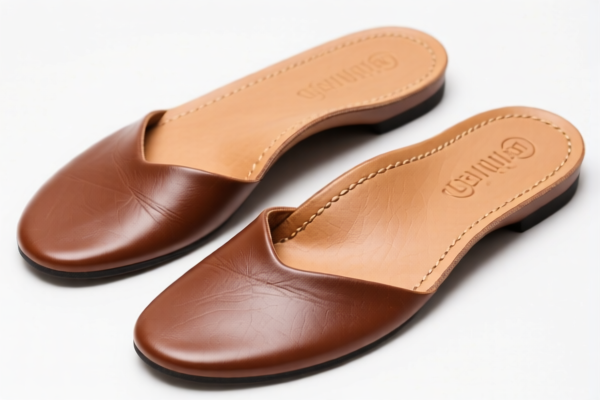


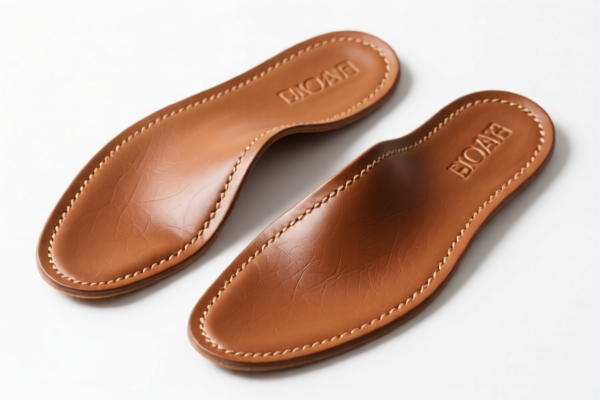
AI Analysis
🦶 Arch Support Insoles (Orthotic Inserts)
🌐 HS Code Reference & Customs Clearance Guide | 2026 Latest Tariff Analysis | Professional Transit Strategy
📌 I. Product Definition: What Are "Arch Support Insoles"?
Arch support insoles are specialized footbeds designed to provide mechanical support, cushioning, and alignment correction for the human foot. In international trade, their classification depends heavily on material composition and intended medical/orthopedic function. They fall into two broad categories: 1. Orthopedic Devices: If specifically designed to correct deformities or provide therapeutic support (e.g., for flat feet, plantar fasciitis). 2. Footwear Accessories: If primarily used for comfort, hygiene, or general fit enhancement within shoes.
⚠️ Critical Distinction:
- If marketed as a medical device for correcting posture or treating conditions → Tends toward Chapter 90.
- If marketed as a shoe part or general accessory → Tends toward Chapter 64.
📦 II. HS Code Classification Details (Based on Provided Data)
Based on the provided dataset, here are the four possible HS Code classifications, their logical reasoning, and associated tax implications.
| HS Code | Summary & Logical Classification | Material/Function Inference |
|---|---|---|
9021.90.81.00 |
Orthopedic Appliance Parts: Considered as auxiliary materials for orthotic devices. Falls under "Other parts/accessories" of orthopedic appliances. | Functional: Therapeutic/Corrective Category: Medical/Orthopedic Accessory |
9021.10.00.90 |
Orthopedic Devices: Fits the category of "Orthopedic appliances" (non-surgical). Specifically, auxiliary appliances for straightening or supporting body parts. | Functional: Structural Support Category: Non-Internal Fixation Device |
6406.90.90.00 |
Footwear Parts: Classified as a detachable insole (footpad) considered a part of footwear. Inferred as non-textile/non-rubber material "Other". | Functional: Shoe Component Material: General/Diverse Non-Textile |
6406.90.15.80 |
Footwear Parts: Classified as similar articles made of textile materials. Specifically "Other textile materials" for shoe parts. | Functional: Shoe Component Material: Textile/Fabric Based |
🔍 Key Insight:
- Medical vs. General Use: Codes9021.*imply medical/orthopedic utility, often attracting lower base tariffs but subject to specific "122 Clause" rules.
- Material Matters: For shoe parts (6406.*), the total tax rate varies significantly based on whether the insole is textile-based (32.4%) or other materials (17.5%).
💰 III. 2026 Latest Tariff Rate Breakdown (Detailed Tax Clauses)
✅ Applicable Country: USA (US)
✅ Origin: China (CN) (Implied by "122 Clause" and typical tariff structures)
✅ Note: All totals include Base Tariff, Additional Tariffs, and "122 Clause" Tariffs.
🎯 1. 9021.90.81.00 & 9021.10.00.90 — Orthopedic/Medical Classification
These two codes share the same tax structure in the provided data, suggesting a preferential treatment for medical-grade orthopedic supports.
| Item | Content |
|---|---|
| Total Tax Rate | 10.0% |
| Base Tariff | 0.0% |
| Additional Tariff | 0.0% |
| "122 Clause" Tariff | +10.0% |
| Tax Detail Breakdown | - Base: 0% - Additional: 0% - 122 Clause: 10% |
| Legal Basis | Chapter 90 (Medical/Orthopedic Appliances) |
📌 Interpretation:
- Base Tariff is 0%: Orthopedic appliances often enjoy zero base duty under US HTSUS.
- No Section 301/Retaliatory Tariff: The "Additional Tariff" is 0%, meaning these items are exempt from the typical 25% or 7.5% trade war tariffs applied to other goods.
- 122 Clause: The 10% comes from a specific clause (likely related to specific trade agreements or retaliatory measures targeting China on specific goods).
- Strategy: If your insoles have clear medical certification (FDA, CE Medical Device Class I/II), this is the most cost-effective classification.
🎯 2. 6406.90.90.00 — Non-Textile Footwear Parts
Classification as a general shoe part (non-textile, e.g., EVA, foam, plastic, rubber).
| Item | Content |
|---|---|
| Total Tax Rate | 17.5% |
| Base Tariff | 0.0% |
| Additional Tariff | +7.5% |
| "122 Clause" Tariff | +10.0% |
| Tax Detail Breakdown | - Base: 0% - Additional: 7.5% - 122 Clause: 10% |
| Legal Basis | Chapter 64 (Footwear Parts) |
📌 Interpretation:
- Base Tariff is 0%: Many shoe parts have low base duties.
- Additional Tariff (7.5%): This likely reflects Section 301 or a specific retaliatory tariff on footwear components.
- Total 17.5%: Moderate cost. Suitable for general consumer insoles without strong medical claims.
🎯 3. 6406.90.15.80 — Textile-Based Footwear Parts
Classification for insoles made primarily of textile/fabric materials.
| Item | Content |
|---|---|
| Total Tax Rate | 32.4% |
| Base Tariff | +14.9% |
| Additional Tariff | +7.5% |
| "122 Clause" Tariff | +10.0% |
| Tax Detail Breakdown | - Base: 14.9% - Additional: 7.5% - 122 Clause: 10% |
| Legal Basis | Chapter 64 (Footwear Parts) |
📌 Interpretation:
- High Base Tariff (14.9%): Textile-based footwear parts are heavily taxed at the base level.
- Additional + 122 Clause: Adds another 17.5% on top.
- Total 32.4%: Most expensive classification. Avoid this code unless the product is unmistakably textile and cannot be reclassified.
🛠️ IV. Customs Clearance Practical Advice (Proven Tips)
✅ 1. Document Preparation Checklist
| Document | Required? | Reason |
|---|---|---|
| Product Specification Sheet | ✔️ Yes | Must detail material composition (textile vs. foam vs. medical grade) and intended use. |
| Medical Device Certificate | ✔️ Yes (for 9021) |
If claiming 9021 codes, provide FDA clearance, CE Medical Device certification, or prescription requirement proof. |
| Material Declaration | ✔️ Yes | Explicitly state: "Made of EVA/Foam/Plastic" (for 6406.90.90) OR "Made of Textile Fabric" (for 6406.15). |
| Commercial Invoice | ✔️ Yes | Description must match HS Code logic. E.g., "Orthopedic Insoles for Medical Correction" vs. "Shoe Insoles for Comfort". |
| Packing List | ✔️ Yes | Ensure no mixed categories in one shipment if trying to optimize tax. |
✅ 2. Classification Strategy & Tax Optimization
🔥 "Medical Claim = Lower Tax"
| Scenario | Recommended HS Code | Tax Rate | Action |
|---|---|---|---|
| High-End Medical Insoles (Prescription, FDA/CE Certified, Corrective) |
9021.90.81.009021.10.00.90 |
10.0% | Priority Choice. Provide medical documentation to justify classification. |
| General Consumer Insoles (EVA, Foam, Plastic, Non-Textile) |
6406.90.90.00 |
17.5% | Safe choice for general retail. Ensure material is clearly non-textile. |
| Fabric/Sneaker Insoles (Textile, Cotton, Mesh) |
6406.90.15.80 |
32.4% | High Cost. Only use if product is obviously textile. Consider re-evaluating material if possible. |
✅ 3. Common Pitfalls & How to Avoid Them
| Mistake | Consequence | Solution |
|---|---|---|
| Misdeclaring Medical Insoles as Shoe Parts | You pay 17.5% or 32.4% instead of 10.0%. | Clarify Intent: Use terms like "Orthotic," "Therapeutic," "Corrective" in product description. |
| Misdeclaring Shoe Parts as Medical Devices | Customs may reject medical docs, delay clearance, or audit. | Match Product to Doc: Ensure insoles actually meet medical device standards (not just "comfortable"). |
| Ignoring Material Composition | Wrong 6406 code → Penalty + Back Taxes. |
Test Materials: If unsure if it's textile, get a lab report. Textile = High Base Duty. |
| Assuming All Insoles are Equal | One-size-fits-all declaration leads to random classification. | Differentiate: Separate medical-grade and general-use products in logistics. |
🌍 V. Global Market Comparison (Contextual)
| Market | Recommended Code | Est. Tariff | Notes |
|---|---|---|---|
| 🇺🇸 USA | 9021.10.00.90 / 9021.90.81.00 |
10.0% | Best for orthopedic claims. Avoid textile insoles (32.4%). |
| 🇨🇳 China | N/A (Import) | Varies | Generally low base duties for medical devices; check CE/FDA compliance for re-export. |
| 🇪🇺 EU | 9021.90.99 |
Varies | Often 0-2.5% base, plus VAT. Medical devices may be exempt from VAT in some countries. |
| 🇬🇧 UK | 9021.90.90 |
0% | Post-Brexit, many orthopedic devices have 0% duty. |
📌 Conclusion for US Market:
9021codes are significantly cheaper than6406codes. If your product has any medical validity, always aim for9021.
📌 VI. Conclusion: Optimize Your Clearance, Maximize Profit!
🎯 Key Takeaways:
1. Medical > General: If your insoles support arches for medical reasons, always classify under 9021 to pay only 10% tax.
2. Material is Key: If using 6406, EVA/Foam (17.5%) is far better than Textile (32.4%).
3. Documentation is Critical: For 9021, you must provide medical/device certifications. Without them, customs may downgrade to 6406.
✅ Pro Tip:
📞 Apply for an Advance Ruling (ISF/Pre-Clearance) with CBP.
💡 Describe Products Precisely:
- Bad: "Insoles"
- Good: "Orthopedic Arch Support Insoles, Medical Grade, EVA Foam, FDA Cleared, HS 9021.10.00.90"
✨ Professional Customs Clearance Starts with Precise Classification!
💼 Don't Let Wrong HS Codes Cost You 22.4% Extra in Taxes!
Customer Reviews
About HS Code Classification
The Harmonized System (HS) is an internationally standardized nomenclature developed by the World Customs Organization (WCO) to classify traded products. Over 200 countries use the HS system as the basis for customs tariffs, trade statistics, and import/export regulations.
Each HS code follows a hierarchical structure:
- Chapter (2 digits) — Broad category of goods (e.g., Chapter 84: Machinery and Mechanical Appliances)
- Heading (4 digits) — More specific grouping within the chapter
- Subheading (6 digits) — Internationally standardized breakdown, used by all WCO member countries
- National subdivisions (8-10 digits) — Country-specific extensions for further classification, such as US HTSUS 10-digit codes
Correct HS code classification is essential for smooth customs clearance, accurate duty payment, and compliance with trade regulations. Misclassification can lead to customs delays, overpayment of duties, or penalties.
When importing from CN to US, the applicable tariff rates may include:
- Most-Favored-Nation (MFN) rate — The standard duty rate applied to WTO members
- General rate — Applied to countries without trade agreements
- Trade remedy duties — Additional tariffs such as Section 301 (anti-dumping), Section 232 (national security), or countervailing duties
The information provided on this page is for reference purposes only. For official classification, please consult with your local customs authority or a licensed customs broker.