Arm Strength Trainer
CN → US| HS Code | Tariff Rate | Origin | Destination | Doc |
|---|---|---|---|---|
| 9506996080 | 21.5% | CN | US | Official Doc |
| 3926909989 | 22.8% | CN | US | Official Doc |
| 7326908688 | 87.9% | CN | US | Official Doc |
| 9506910030 | 22.1% | CN | US | Official Doc |
| 7326190080 | 87.9% | CN | US | Official Doc |
Product Images
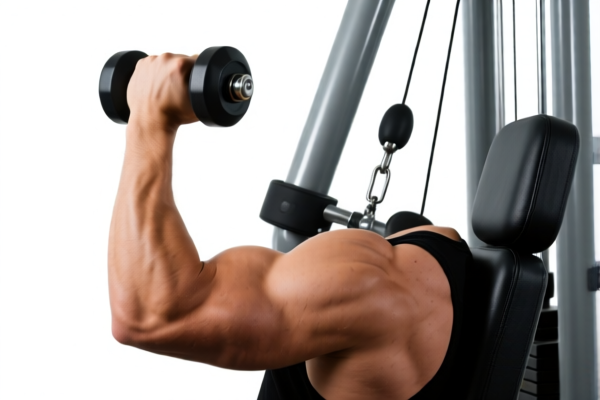
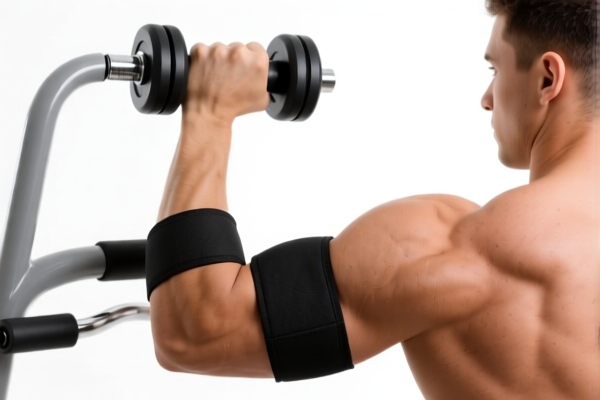
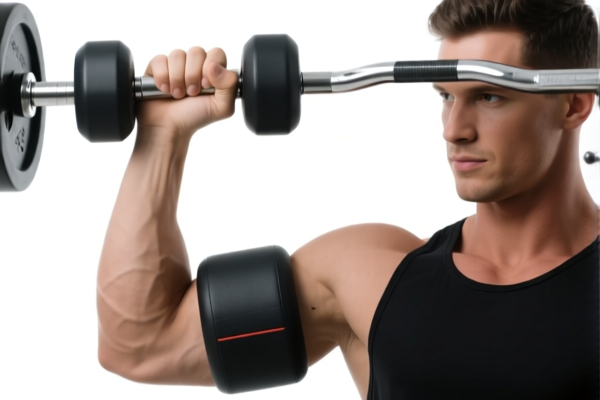
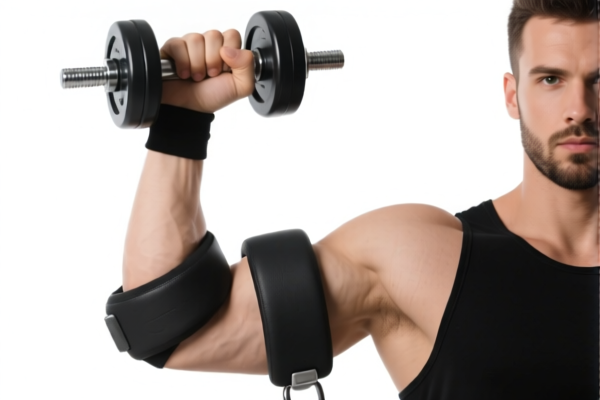
AI Analysis
🏋️♂️ Arm Strength Trainer (Resistance Training Equipment)
🌐 HS Code Reference & Customs Clearance Guide | 2026 Latest Tariff Analysis | Professional Entry Strategy
📌 Part 1: Product Definition & Classification: What is an "Arm Strength Trainer"?
An Arm Strength Trainer (often referred to as an arm resistance trainer) is a device designed for general physical exercise, specifically targeting arm muscles (biceps, triceps, forearms) through resistance. In international trade, it falls under Chapter 95 (Toys, Games, and Sports Equipment), but the exact HS Code depends heavily on the material composition and specific functional design.
⚠️ Key Classification Differentiator:
- Sports/Fitness Equipment (9506): If the primary purpose is defined as "general physical exercise" or "gymnastics," and it fits the category of other sporting articles.
- Plastic Products (3926): If constructed primarily of plastic/rubber and does not fit more specific subheadings.
- Iron/Steel Articles (7326): If constructed primarily of metal (steel/iron) frames, especially if considered "other articles of iron or steel."
📦 Part 2: HS Code Classification Details (2026 Latest Tariff Authority Match)
Based on the provided data, here are the five potential HS Codes with their matching logic:
| HS Code | Product Description & Logic | Material Focus | Primary Justification |
|---|---|---|---|
9506.99.60.80 |
Other articles for general physical exercise | Plastic/Metal (Mixed) | Purpose-Matched: Defined as "other sports equipment for physical exercise/gymnastics." No material conflict. |
3926.90.99.89 |
Other articles of plastic | Plastic/Rubber | Material-Inferred: Assumed plastic/rubber composition. Fits the "Other" (Other) catch-all category for plastic articles. |
7326.90.86.88 |
Other articles of iron or steel | Steel/Metal | Material-Inferred: Assumed main structure is metal (iron/steel). Fits "Other" non-specific category for metal articles. |
9506.91.00.30 |
Other articles for general physical exercise | Mixed (Focus on Purpose) | Purpose-Matched: Explicitly for "general physical exercise" (arm resistance). Fits "Other" sporting goods category. |
7326.19.00.80 |
Other articles of iron or steel (statuary, etc. excluded) | Steel/Metal | Material-Inferred: Assumed metal/plastic mix. Fits "Other" non-specific category for steel articles. |
🔍 Key Reminder:
- HS 9506 codes are generally preferred if the product is clearly marketed and designed as sports/fitness equipment.
- HS 3926 and 7326 codes are riskier unless the product is purely a plastic or metal component without clear "sporting equipment" designation in documentation.
- Metal vs. Plastic: The tax rate difference is huge (see below).
💰 Part 3: 2026 Latest Tariff Rate Breakdown (Including Surtaxes & Policy Add-ons)
✅ Applicable Country: United States (US)
✅ Origin: China (CN)
✅ Effective Time: 2025/2026 (Current Trade War Rates)
🎯 1. 9506.99.60.80 & 9506.91.00.30 — Sports/Exercise Equipment (Preferred)
| Item | Content |
|---|---|
| Base Tariff | 4.0% – 4.6% (ad valorem) |
| Section 301 Surtax | +7.5% (Standard 301 List) |
| Section 122 Surtax | +10% (Specific to certain categories) |
| Steel/Aluminum/Copper Surcharge | +50% (If deemed steel/aluminum product) |
| Total Tariff Rate | 21.5% – 22.1% (Standard Scenario) OR 72.5%+ (If 50% steel surcharge applies) |
| Tax Calculation | CIF Value × Total Rate |
| De Minimis Exemption | ❌ Not Applicable (High-value commercial goods) |
| Legal Basis Path | USITC:9506.99.60.80 → 301:7.5% → 122:10% |
📌 Explanation:
- The 21.5%–22.1% rate assumes the product is not subject to the 50% steel/aluminum surcharge.
- If CBP determines the trainer contains significant steel components, the +50% surcharge may apply, pushing the rate to ~72.5%.
- Recommendation: Argue for classification under 9506 to avoid the steel surcharge if the product is predominantly plastic or designed as a generic fitness tool.
🎯 2. 3926.90.99.89 — Plastic Articles
| Item | Content |
|---|---|
| Base Tariff | 5.3% |
| Section 301 Surtax | +7.5% |
| Section 122 Surtax | +10% |
| Total Tariff Rate | 22.8% |
| Tax Calculation | CIF Value × 22.8% |
| De Minimis Exemption | ❌ Not Applicable |
| Legal Basis Path | USITC:3926.90.99.89 → 301:7.5% → 122:10% |
📌 Note:
- No steel/aluminum surcharge applies here.
- Total: 22.8%. This is a stable rate if the product is confirmed as plastic/rubber.
🎯 3. 7326.90.86.88 & 7326.19.00.80 — Iron/Steel Articles (Highest Risk)
| Item | Content |
|---|---|
| Base Tariff | 2.9% |
| Section 301 Surtax | +25.0% (High tier for steel) |
| Section 122 Surtax | +10% |
| Steel/Aluminum/Copper Surcharge | +50% |
| Total Tariff Rate | 87.9% |
| Tax Calculation | CIF Value × 87.9% |
| De Minimis Exemption | ❌ Not Applicable |
| Legal Basis Path | USITC:7326.90.86.88 → 301:25% → 122:10% → Steel Surcharge: 50% |
📌 Warning:
- 87.9% is an extremely high effective tariff.
- This occurs because steel products face a +25% Section 301 surcharge PLUS the +50% steel/aluminum surcharge.
- Avoid this classification if possible by proving the product is a "Sporting Good" (9506) or "Plastic Article" (3926).
🛠️ Part 4: Customs Clearance Practical Advice (Pitfall Avoidance Guide)
✅ 1. Preparation Checklist (All Documents Required)
| Document | Required? | Notes |
|---|---|---|
| ✅ Product Specification Sheet | ✔️ | Must detail: Weight, Dimensions, Material Composition (e.g., "Plastic body, metal springs"), Intended Use ("For home gym, arm resistance"). |
| ✅ Product Photos | ✔️ | Clear images showing the entire unit, labels, and any resistance mechanisms. |
| ✅ Commercial Invoice | ✔️ | Must describe item as "Arm Strength Trainer for General Physical Exercise." Do not use vague terms like "Gym Part." |
| ✅ Material Breakdown | ✔️ | Explicitly state the percentage of plastic vs. metal. Crucial for avoiding 7326. |
| ✅ Packing List | ✔️ | List contents clearly. |
✅ 2. Declaration Strategy (Crucial Tips)
🔥 “Classify by Purpose, Avoid Steel Traps, Specify Materials!”
| Scenario | Recommended HS Code | Reasoning |
|---|---|---|
| Plastic/Mixed Trainer | 9506.99.60.80 or 3926.90.99.89 |
Lower tax (21.5–22.8%). Argue it's a "Sports Article." |
| Metal Frame Trainer | 9506.99.60.80 |
PREFERRED: Even if metal, if it's a sports device, 9506 may avoid the 50% steel surcharge. |
| Purely Metal Tool | 7326.90.86.88 |
AVOID: 87.9% tax. Only use if no other option and you accept the cost. |
✅ 3. Special Considerations
| Situation | Advice |
|---|---|
| OEM/White Label | Provide the original design specs to prove it's a standard fitness product, not a custom industrial tool. |
| Contains Steel Springs | Emphasize the plastic housing and fitness purpose. Argue the steel is a minor component (springs) within a sporting good. |
| Pre-Ruling | Highly Recommended: Apply for a Binding Ruling from CBP if the shipment value is high. This locks in the HS code and tax rate before shipping. |
🌍 Part 5: Global Market Comparison (2026)
| Country | Recommended HS Code | Est. Tariff | Key Requirement |
|---|---|---|---|
| 🇺🇸 USA | 9506.99.60.80 |
21.5% – 22.8% (Preferred) | Avoid 7326 (87.9%) |
| 🇨🇳 China | 9506.99.60.80 |
~10% – 15% | Standard Import Duty |
| 🇪🇺 EU | 9506.99 |
0% – 4.7% | CE Marking, RoHS |
| 🇬🇧 UK | 9506.99 |
0% – 4.5% | UKCA Marking |
📌 Conclusion:
- The US market is the most complex due to Section 301 and Steel Al tariffs.
- Classification as a Sporting Good (9506) is critical to avoid the 87.9% steel penalty.
- Documentation must prove "General Physical Exercise" use.
📌 Part 6: Common Mistakes & Pitfalls (Learn from Others' Errors)
❌ Mistake 1: Classifying an Arm Trainer as "Other Steel Articles" (7326)
👉 Result: 87.9% Tariff! Avoid this unless absolutely necessary.
👉 Fix: Argue for 9506 (Sports Equipment).
❌ Mistake 2: Vague Description "Gym Accessory"
👉 Result: CBP may reclassify to a higher-tariff code.
👉 Fix: Use specific terms: "Arm Resistance Trainer for General Physical Exercise."
❌ Mistake 3: Ignoring Material Composition
👉 Result: If steel content is high, CBP may apply the 50% surcharge.
👉 Fix: Provide material breakdown. Emphasize plastic/sports design.
✅ Correct Declaration Example:
"Arm Strength Trainer, Model XYZ, for General Physical Exercise, Plastic and Metal Construction, 5kg Resistance, Not for Industrial Use."
🎯 Part 7: Conclusion: Precision Classification Saves Money!
🎯 Key Takeaway:
🔹 Best Case:
9506.99.60.80/9506.91.00.30→ ~21.5–22.1% Tariff
🔹 Worst Case:7326.90.86.88/7326.19.00.80→ 87.9% Tariff🔹 "Sports Code Wins! Steel Code Kills Profit!"
📌 Pro Tip:
If your product has a steel frame, work with your supplier to ensure the plastic components are significant, or consider using aluminum (if not subject to the same surcharge logic) or composite materials.
Apply for a CBP Pre-Ruling to lock in the 9506 classification and avoid the 87.9% trap.
📣 Next Steps:
📞 Consult a Customs Broker immediately.
📄 Prepare Detailed Specs highlighting "General Physical Exercise" purpose.
🚀 Secure Your HS Code to protect your margins!
✨ Smart Classification = Higher Profits
💼 Don't let 66% tariff difference erase your earnings!
Customer Reviews
About HS Code Classification
The Harmonized System (HS) is an internationally standardized nomenclature developed by the World Customs Organization (WCO) to classify traded products. Over 200 countries use the HS system as the basis for customs tariffs, trade statistics, and import/export regulations.
Each HS code follows a hierarchical structure:
- Chapter (2 digits) — Broad category of goods (e.g., Chapter 84: Machinery and Mechanical Appliances)
- Heading (4 digits) — More specific grouping within the chapter
- Subheading (6 digits) — Internationally standardized breakdown, used by all WCO member countries
- National subdivisions (8-10 digits) — Country-specific extensions for further classification, such as US HTSUS 10-digit codes
Correct HS code classification is essential for smooth customs clearance, accurate duty payment, and compliance with trade regulations. Misclassification can lead to customs delays, overpayment of duties, or penalties.
When importing from CN to US, the applicable tariff rates may include:
- Most-Favored-Nation (MFN) rate — The standard duty rate applied to WTO members
- General rate — Applied to countries without trade agreements
- Trade remedy duties — Additional tariffs such as Section 301 (anti-dumping), Section 232 (national security), or countervailing duties
The information provided on this page is for reference purposes only. For official classification, please consult with your local customs authority or a licensed customs broker.