Armrest Chair Covers
CN → US| HS Code | Tariff Rate | Origin | Destination | Doc |
|---|---|---|---|---|
| 3926305000 | 22.8% | CN | US | Official Doc |
| 4016990500 | 20.9% | CN | US | Official Doc |
| 6307908995 | 17.0% | CN | US | Official Doc |
| 4016996050 | 37.5% | CN | US | Official Doc |
| 6307909891 | 24.5% | CN | US | Official Doc |
Product Images
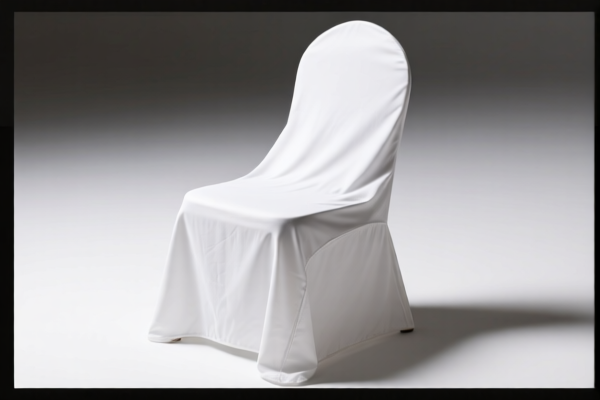
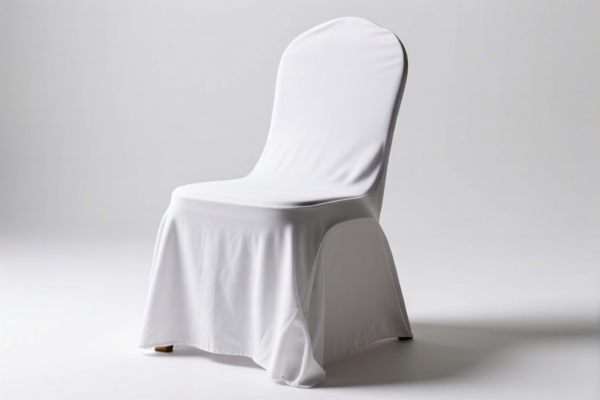
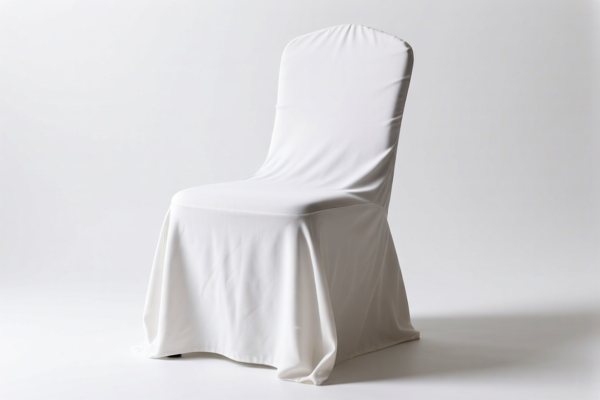

AI Analysis
🛋️ Armrest Chair Covers (Furniture Accessories & Upholstery)
🌐 HS Code Reference & Customs Clearance Guide | 2026 Latest Tariff Analysis | Professional Clearance Strategy
📌 I. Product Definition & Classification: Do You Really Know "Armrest Chair Covers"?
"Armrest Chair Covers" are accessories used to protect, decorate, or restore the armrests of chairs (furniture). In international trade, their classification depends strictly on two factors: Material Composition and Functional Form. They are generally categorized into:
1. Plastic Components (Hard/Shaped): Armrest covers made of rigid plastic, often used for industrial chairs, vehicle seats, or ergonomic equipment. 2. Rubber/Elastic Covers (Soft/Suspended): Armrest sleeves or covers made of vulcanized rubber or rubber-like elastic materials, designed to stretch over the armrest. 3. Textile/Fabric Covers (Soft/Sewn): Armrest slipcovers made of cotton, synthetic fibers, or blends, functioning similarly to blankets or cushion covers.
⚠️ Key Classification Distinction:
- If the product is a rigid plastic shell → It is a "Plastic Article" (Heading 39).
- If the product is a stretchy rubber sleeve → It is a "Rubber Article" (Heading 40).
- If the product is a sewn fabric cover → It is a "Textile Article" (Heading 63).
📦 II. HS Code Classification Details (2026 Latest Tariff Authority Comparison)
Based on the provided data, here are the four possible HS Codes depending on the material. Please match your product's actual material.
| HS Code | Product Description | Material Inference | Form/Usage Context | Total Tax Rate |
|---|---|---|---|---|
3926.30.50.00 |
Plastic Armrest Accessories | Plastic (Rigid/Hard) | Connection parts/accessories for armrests, vehicle seats, etc. | 22.8% |
4016.99.05.00 |
Rubber Armrest Sleeves | Vulcanized Rubber / Elastic Rubber | Armrest covers/sleeves; classified as "Other Household Articles" | 20.9% |
6307.90.89.95 |
Fabric Armrest Covers | Cotton or Fiber Textile | Similar to blankets/pillowcases; "Other Made-up Articles" | 17.0% |
4016.99.60.50 |
Heavy-Duty Rubber Covers | Rubber/Plastic Elastic Articles | Other vulcanized rubber articles; high elasticity. | 37.5% |
6307.90.98.91 |
Synthetic Fiber Covers | Cloth or Synthetic Fiber | "Other Textile Made-up Articles"; broad textile category. | 24.5% |
🔍 Important Reminder:
- Plastic vs. Rubber: If it snaps into place (rigid), use 3926. If it stretches over (elastic), use 4016 or 6307.
- Textile Sub-division: Fabric covers are split into two codes (6307.90.89.95for 17.0% and6307.90.98.91for 24.5%). This often depends on specific fiber content or manufacturing details not fully detailed here, but 17.0% is the optimal target for cotton/fiber blends.
- Warning on Code4016.99.60.50: This code carries a 37.5% tax rate, significantly higher than others. Ensure your product is indeed a specific type of vulcanized rubber article that doesn't fit the "Household Article" category of4016.99.05.00.
💰 III. 2026 Latest Tariff Rate Detailed Analysis (Including Surcharges & Policy Add-ons)
✅ Applicable Country: United States (US)
✅ Origin: China (CN)
✅ Effective Time: Includes imports from Nov 10, 2025 onwards (Section 301 & IEEPA)
🎯 1. 3926.30.50.00 —— Plastic Armrest Accessories (Plastic Material)
| Item | Content |
|---|---|
| Base Tariff | 5.3% |
| Section 301 Surcharge | 7.5% |
| Section 122 Tariff | 10% |
| Total Tax Rate | 22.8% |
| Calculation Method | CIF Value × 22.8% |
| De Minimis Eligibility | ❌ Not Eligible (High risk of audit) |
| Legal Basis Path | Base Tariff → Section 301 → Section 122 |
📌 Explanation:
- Base 5.3%: Standard HTSUS rate for plastic articles.
- Section 301 (7.5%): Additional tariff on Chinese plastic goods.
- Section 122 (10%): Specific add-on tariff applied to certain Chinese imports.
- Total 22.8%: A moderate-high rate. Ensure the product is clearly "plastic" and not misclassified as rubber to avoid penalties.
🎯 2. 4016.99.05.00 —— Rubber Armrest Sleeves (Rubber/Household)
| Item | Content |
|---|---|
| Base Tariff | 3.4% |
| Section 301 Surcharge | 7.5% |
| Section 122 Tariff | 10% |
| Total Tax Rate | 20.9% |
| Calculation Method | CIF Value × 20.9% |
| De Minimis Eligibility | ❌ Not Eligible |
| Legal Basis Path | Base Tariff → Section 301 → Section 122 |
📌 Explanation:
- This is the lowest tax rate among rubber categories.
- Key Condition: Must be reasonably inferred as "Vulcanized Rubber" or "Rubber-like Elastic Material" AND categorized as a "Household Article."
- If the product is a simple sleeve for home chairs, this is the preferred code.
🎯 3. 6307.90.89.95 —— Fabric Armrest Covers (Cotton/Fiber)
| Item | Content |
|---|---|
| Base Tariff | 7.0% |
| Section 301 Surcharge | 0.0% |
| Section 122 Tariff | 10% |
| Total Tax Rate | 17.0% |
| Calculation Method | CIF Value × 17.0% |
| De Minimis Eligibility | ❌ Not Eligible |
| Legal Basis Path | Base Tariff → Section 122 |
📌 Explanation:
- Best Rate Overall: At 17.0%, this is the most cost-effective option if the material is textile.
- Why 0% Section 301? Textile products often have different Section 301 schedules. Here, the data shows 0.0% surcharge.
- Condition: Material must be "Cotton or Fiber Textile" and form must resemble "Blankets/Slipcovers."
🎯 4. 4016.99.60.50 —— Heavy-Duty Rubber Articles (High Tax Risk)
| Item | Content |
|---|---|
| Base Tariff | 2.5% |
| Section 301 Surcharge | 25.0% |
| Section 122 Tariff | 10% |
| Total Tax Rate | 37.5% |
| Calculation Method | CIF Value × 37.5% |
| De Minimis Eligibility | ❌ Not Eligible |
| Legal Basis Path | Base Tariff → Section 301 (Higher Bracket) → Section 122 |
📌 Warning:
- Highest Tax Rate: 37.5% is prohibitively expensive for most consumer goods.
- Avoidance Strategy: Only use this code if the product is a specific industrial rubber part that strictly falls under this subheading and cannot be classified as a "Household Article" (4016.99.05.00).
- Misclassification Risk: If you misclassify a 20.9% product into this 37.5% bucket, you overpay. If you misclassify this into the 20.9% bucket, you face customs penalties.
🎯 5. 6307.90.98.91 —— Other Textile Made-up Articles (Synthetic)
| Item | Content |
|---|---|
| Base Tariff | 7.0% |
| Section 301 Surcharge | 7.5% |
| Section 122 Tariff | 10% |
| Total Tax Rate | 24.5% |
| Calculation Method | CIF Value × 24.5% |
| De Minimis Eligibility | ❌ Not Eligible |
| Legal Basis Path | Base Tariff → Section 301 → Section 122 |
📌 Explanation:
- This code applies to "Other Textile Made-up Articles" not specified elsewhere.
- It incurs the full 7.5% Section 301 surcharge, making it more expensive than the cotton/fiber category (6307.90.89.95).
- Use this only if the fabric composition or specific use case does not fit the "Blanket-like" description of the 17.0% code.
🛠️ IV. Customs Clearance Practical Advice (Pitfall Avoidance Guide)
✅ 1. Required Documentation Checklist (All Must Be Provided)
| Document | Required | Purpose |
|---|---|---|
| ✅ Product Photos | ✔️ | Show material texture (plastic/rubber/fabric), shape, and how it fits the armrest. |
| ✅ Material Certificate | ✔️ | Crucial for distinguishing between Plastic (39), Rubber (40), and Textile (63). |
| ✅ Commercial Invoice | ✔️ | Clearly state "Armrest Cover," specify material (e.g., "100% Cotton," "Vulcanized Rubber"). |
| ✅ Packing List | ✔️ | Confirm quantity and dimensions. |
| ✅ HS Code Pre-ruling | ✔️ | Highly recommended for ambiguous rubber vs. plastic cases. |
| ✅ Section 122 Declaration | ✔️ | Ensure compliance with Section 122 requirements (often requires specific manufacturer IDs). |
✅ 2. Declaration Tips (Key Mnemonics)
🔥 "Material First, Form Second, Section 122 is Key!"
| Scenario | Correct HS Code | Risk/Note |
|---|---|---|
| Hard Plastic Shell | 3926.30.50.00 (22.8%) |
Clear plastic classification. Low risk. |
| Stretchy Rubber Sleeve | 4016.99.05.00 (20.9%) |
Preferred for elastic rubber. Avoid 4016.99.60.50 (37.5%). |
| Fabric Slipcover (Cotton) | 6307.90.89.95 (17.0%) |
Lowest Tax. Must resemble "blanket" or "cushion cover." |
| Fabric Slipcover (Synthetic) | 6307.90.98.91 (24.5%) |
Higher tax due to Section 301. Justify why it's not the 17.0% code. |
Critical Rule:
- Do NOT mix materials in one HS Code. If the product has a plastic frame and fabric cover, consult a specialist. Usually, the essential character determines the code, but splitting shipments might be safer.
- Section 122 (10%) applies to ALL the above codes for Chinese origin. Do not forget to factor this into your cost calculation.
✅ 3. Special Cases Handling
| Case | Handling Advice |
|---|---|
| Mixed Material (Plastic + Fabric) | Risk of dispute. Recommend shipping as separate items or seeking a pre-ruling. |
| OEM Custom Shapes | Provide design diagrams to prove it is an "accessory" and not a "chair part" (which might fall under Heading 9403 with different taxes). |
| Small Quantity (De Minimis) | ❌ Not Applicable. All listed codes incur taxes >0%. De Minimis (Section 321) does not apply to goods subject to Section 301/122 surcharges from China. |
| Recycled Rubber | If "recycled," ensure it still meets vulcanized rubber standards for 4016. |
🌍 V. Global Market Clearance Comparison (2026 Latest)
| Country/Region | Recommended HS Code | Approx. Total Tax (China Origin) | Notes |
|---|---|---|---|
| 🇺🇸 USA | See Table Above | 17.0% – 37.5% | Section 122 (10%) is mandatory. No De Minimis. |
| 🇨🇳 China | Varies by Material | 5% – 10% | Lower base rates, no Section 301/122. |
| 🇪🇺 EU | 3926.30 / 4016.99 / 6307.90 | 2.0% – 6.5% | No Section 301/122. Standard MFN rates apply. |
| 🇬🇧 UK | Similar to EU | 2.0% – 6.5% | Post-Brexit, standard tariffs apply. |
📌 Conclusion:
- The USA market is the most expensive due to Section 301 and Section 122 tariffs.
- Textile Covers (6307.90.89.95) offer the best cost efficiency at 17.0% total tax.
- Rubber Covers must be carefully distinguished between "Household" (20.9%) and "Other" (37.5%).
📌 VI. Common Errors & Pitfalls (Lessons Learned)
❌ Error 1: Classifying a rubber cover as 4016.99.60.50 (37.5%) when it fits 4016.99.05.00 (20.9%).
👉 Consequence: Paying 16.6% extra tax unnecessarily.
✅ Fix: Prove it is a "Household Article" (soft, stretchy, for furniture).
❌ Error 2: Declaring a fabric cover as 6307.90.98.91 (24.5%) instead of 6307.90.89.95 (17.0%).
👉 Consequence: Paying 7.5% extra in Section 301 taxes.
✅ Fix: Ensure the product description emphasizes "Blanket-like," "Slipcover," or "Cotton Fiber" to qualify for the 0% Section 301 bracket if possible.
❌ Error 3: Assuming De Minimis ($800) applies.
👉 Consequence: Seizure, penalties, and back-taxes.
✅ Fix: Remember, Section 301 and Section 122 goods from China do not qualify for De Minimis exemption.
🎯 VII. Conclusion: Professional Classification Saves Money!
🎯 Remember the Key Takeaway:
🔹 "Material Dictates Code, Form Dictates Sub-Heading, Section 122 is Always On."
🔹 "Fabric Covers (17%) < Rubber Household (20.9%) < Plastic (22.8%) < Rubber Other (37.5%)."
🔹 "Avoid the 37.5% Trap by Correctly Classifying as Household Rubber!"
📌 Pro Tip:
If your armrest covers are originating from Vietnam, Thailand, or Malaysia, you may be exempt from Section 301 and Section 122 surcharges, potentially reducing taxes to 0%–5% base rates.
Recommend Advance Ruling (Pre-classification) from CBP if the product material is ambiguous.
📣 Immediate Action:
📞 Contact a Professional Customs Broker
📷 Provide High-Resolution Material Photos
📄 Apply for HS Code Pre-ruling
🚀 Ensure Smooth Clearance, Minimize Costs, and Maximize Profit!
✨ Professional Clearance Starts with Accurate Classification!
💼 Every Dollar Saved in Tariffs is Pure Profit!
Customer Reviews
About HS Code Classification
The Harmonized System (HS) is an internationally standardized nomenclature developed by the World Customs Organization (WCO) to classify traded products. Over 200 countries use the HS system as the basis for customs tariffs, trade statistics, and import/export regulations.
Each HS code follows a hierarchical structure:
- Chapter (2 digits) — Broad category of goods (e.g., Chapter 84: Machinery and Mechanical Appliances)
- Heading (4 digits) — More specific grouping within the chapter
- Subheading (6 digits) — Internationally standardized breakdown, used by all WCO member countries
- National subdivisions (8-10 digits) — Country-specific extensions for further classification, such as US HTSUS 10-digit codes
Correct HS code classification is essential for smooth customs clearance, accurate duty payment, and compliance with trade regulations. Misclassification can lead to customs delays, overpayment of duties, or penalties.
When importing from CN to US, the applicable tariff rates may include:
- Most-Favored-Nation (MFN) rate — The standard duty rate applied to WTO members
- General rate — Applied to countries without trade agreements
- Trade remedy duties — Additional tariffs such as Section 301 (anti-dumping), Section 232 (national security), or countervailing duties
The information provided on this page is for reference purposes only. For official classification, please consult with your local customs authority or a licensed customs broker.