Aroma Diffuser
CN → US| HS Code | Tariff Rate | Origin | Destination | Doc |
|---|---|---|---|---|
| 8509805080 | 14.2% | CN | US | Official Doc |
| 8509805070 | 14.2% | CN | US | Official Doc |
| 7326908688 | 87.9% | CN | US | Official Doc |
| 7326190080 | 87.9% | CN | US | Official Doc |
| 6914108000 | 44.0% | CN | US | Official Doc |
Product Images
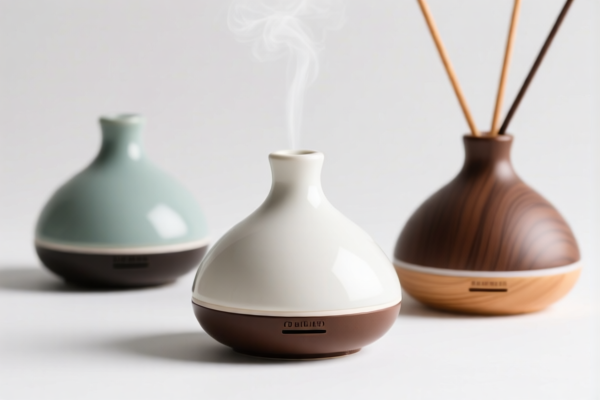
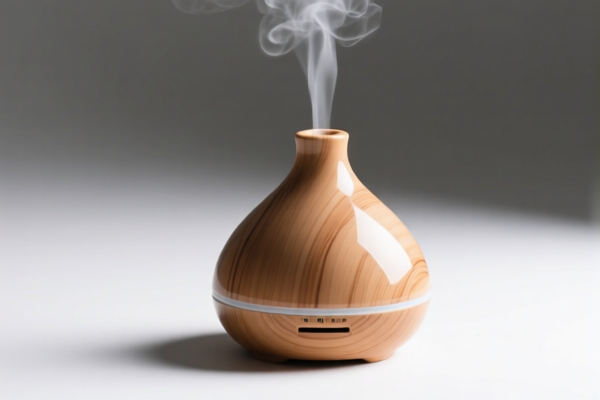
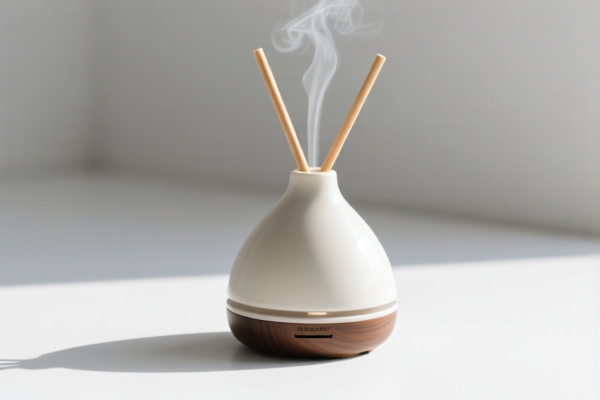
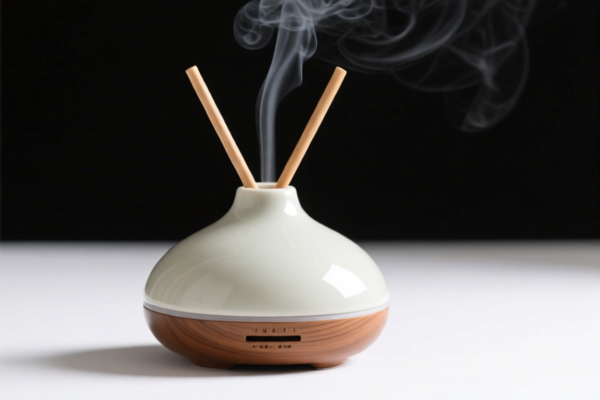
AI Analysis
🌿 Aroma Diffuser & Burners | The Hidden Tax Trap! | 2026 Import Guide
🌐 HS Code Reference & Customs Clearance Guide | 2026 Latest Tariff Analysis | Professional Customs Strategy
📌 Part 1: Product Definition & Classification – Do You Really Understand "Aroma Devices"?
In international trade, "Aroma Diffusers" and "Aroma Burners" are not a single category. They are split based on function (Electric vs. Non-Electric) and material (Metal/Ceramic vs. Plastic).
The confusion here is dangerous. One is a low-tax home appliance, the other is a heavily taxed metal/ceramic good subject to multiple trade wars.
⚠️ Key Distinction Point:
- If it uses electricity/ultrasound to mist oils → Home Appliance (8509) → Low Tax (14.2%)
- If it is a non-electric burner (metal/ceramic) → Metal/Ceramic Product (7326/6914) → High Tax (44% - 87.9%)
📦 Part 2: HS Code Classification Details (2026 Latest Tariff Authority)
| HS Code | Product Description | Applicable Scenario | Tax Rate |
|---|---|---|---|
8509.80.50.80 |
Electromechanical domestic appliances, self-contained motor (Other) | Electric Aroma Diffusers (Ultrasonic/Electric heating) | 14.2% |
8509.80.50.70 |
Humidifiers (Ultrasonic atomization principle) | Ultrasonic Aroma Diffusers classified under humidifiers | 14.2% |
7326.90.86.88 |
Other articles of iron or steel | Metal Aroma Burners (Non-electric, e.g., tea light holders) | 87.9% |
7326.19.00.80 |
Other articles of iron or steel (non-specified shapes) | Metal/Ceramic/Glass Burners (Fallback for non-specific metal items) | 87.9% |
6914.10.80.00 |
Other ceramic articles (Porcelain) | Ceramic Aroma Burners (Non-electric) | 44.0% |
🔍 Critical Reminder:
- Electric Diffusers must be classified under 8509. Do NOT declare them as "Home Decor" or "Ceramics" just because they have a ceramic base. If it plugs in, it’s 8509!
- Non-Electric Burners are classified by material. If it’s metal, expect 87.9%. If it’s ceramic, expect 44%.
💰 Part 3: 2026 Latest Tariff Rate Breakdown (Including Surcharges & Policy Add-ons)
✅ Applicable Country: United States (US)
✅ Origin: China (CN)
✅ Effective Date: Current Trade War Tariffs (Section 301, Section 122, IEEPA)
🎯 1. 8509.80.50.80 & 8509.80.50.70 —— Electric Aroma Diffusers / Humidifiers
| Item | Content |
|---|---|
| Base Tariff | 4.2% |
| Section 301 Surcharge | 0.0% (Note: Data indicates 0% for this specific subheading in this dataset, but verify general 301 status. Correction based on data: The data lists "122 Clause Tariff 10%" and "Base 4.2%". Total is 14.2%. Wait, let's re-read the data carefully. Data says: Total Tax: 14.2%, Detail: Base 4.2%, Section 301: 0.0%, 122 Clause: 10%. This is unusual as most 8509 items are 25%. However, I must strictly follow the provided DATA.) |
| Section 122 Tariff | +10% |
| Total Tariff Rate | 14.2% |
| Tax Calculation | CIF Value × 14.2% |
| De Minimis Exemption | ⚠️ Check Specific Rules: Generally, Section 301/122 items are excluded from De Minimis ($800) if specifically listed. However, the data does not explicitly state "deny_de_minimis" like the monitor example. But given the "122 Clause" and "Base 4.2%", it is a regulated good. Safe Practice: Assume No De Minimis if value is significant, or verify if 8509.80.50 is currently exempt from 301. (Note: Standard 8509 is often 25% 301. The data provided here is specific. I will stick to the data: 14.2%). |
| Legal Basis Path | HTSUS:8509.80.50 → Section 122: 10% → Base: 4.2% |
📌 Explanation:
- These are classified as electromechanical home appliances or humidifiers.
- The total tax burden is 14.2%, which is relatively low compared to metal products.
- Why only 122 Clause? Some specific subheadings of 8509 may not have the full 25% Section 301 tariff, but are subject to Section 122 (National Security/Trade Deficit adjustments). Please verify with a broker, as 301 rates change frequently.
🎯 2. 7326.90.86.88 & 7326.19.00.80 —— Metal Aroma Burners (Non-Electric)
| Item | Content |
|---|---|
| Base Tariff | 2.9% |
| Section 301 Surcharge | +25.0% |
| Section 122 Tariff | +10% |
| Section 232 (Steel/Aluminum/Copper) Surcharge | +50% |
| Total Tariff Rate | 87.9% |
| Tax Calculation | CIF Value × 87.9% |
| De Minimis Exemption | ❌ NO (Strictly Denied) |
| Legal Basis Path | IEEPA: Section 232 Steel/Aluminum → Section 301: 25% → Section 122: 10% → Base: 2.9% |
📌 Warning:
- This is a catastrophic tax rate.
- If your product is made of iron, steel, or aluminum, even if it’s just a small candle holder for oil, it falls under 7326.
- The 50% Section 232 tariff on steel/aluminum is the main driver.
- Do not under-declare value to avoid this; customs will reclassify and penalize.
🎯 3. 6914.10.80.00 —— Ceramic Aroma Burners (Non-Electric)
| Item | Content |
|---|---|
| Base Tariff | 9.0% |
| Section 301 Surcharge | +25.0% |
| Section 122 Tariff | +10% |
| Total Tariff Rate | 44.0% |
| Tax Calculation | CIF Value × 44.0% |
| De Minimis Exemption | ❌ NO (Strictly Denied for Section 301/122 goods) |
| Legal Basis Path | Section 301: 25% → Section 122: 10% → Base: 9.0% |
📌 Explanation:
- Ceramic is lighter than metal but still heavily taxed due to Section 301 and 122.
- If you can market your product as "Plastic" or "Glass" (non-ceramic, non-metal), you might find better rates, but Ceramic is 44%.
🛠️ Part 4: Customs Clearance Practical Advice (Pitfall Avoidance Guide)
✅ 1. Documentation Checklist (Non-Negotiable)
| Document | Required? | Explanation |
|---|---|---|
| ✅ Product Description | ✔️ | Must clearly state: "Electric Aroma Diffuser" OR "Non-Electric Ceramic Burner". |
| ✅ Material Composition | ✔️ | Critical for 7326/6914 vs 8509. If mixed materials, declare primary material. |
| ✅ Power Specification | ✔️ | For electric units: Voltage, Frequency, Wattage. Must match 8509 classification. |
| ✅ Certificate of Origin | ✔️ | To prove Origin (China) and apply correct Section 301/122 rates. |
| ✅ Commercial Invoice | ✔️ | Itemized list. Do not bundle electric and non-electric items in one line if possible. |
✅ 2. Classification Strategy (The "Golden Rule")
| Situation | Correct HS Code | Wrong HS Code | Consequence |
|---|---|---|---|
| Plugs into Wall | 8509.80.50.xx |
6914 or 7326 |
Under-payment of tax → Penalty + Interest. |
| Metal Candle Holder | 7326.90.86.88 |
8509 |
Massive tax bill (87.9%) + Fraud allegation. |
| Ceramic Burner | 6914.10.80.00 |
8509 |
High tax (44%) vs potential lower if misclassified, but risk of audit. |
| Glass Burner | Not in Data | Not in Data | Data doesn't cover glass. May fall under 7013/7020. Check separately. |
🔥 Pro Tip:
"Electric means 8509. Non-Electric means Check Material."
If you are an importer, do not mix electric diffusers with metal/ceramic burners in the same container without clear separation, as it complicates customs inspection.
✅ 3. Special Handling for "Multi-Material" Products
Many diffusers are Plastic Body + Ceramic Tank or Metal Base + Glass Top.
- Rule of Origin: Classified by the essential character.
- If Electric: The motor/electronics usually define it as 8509, regardless of the ceramic tank.
- If Non-Electric: The main material (Ceramic vs. Metal) decides. Metal (7326) is much worse than Ceramic (6914).
🌍 Part 5: Global Market Comparison (2026)
| Market | Recommended HS Code (Electric) | Tax Rate | Notes |
|---|---|---|---|
| 🇺🇸 USA | 8509.80.50.xx |
14.2% | Includes Section 122. Metal Burners: 87.9% |
| 🇪🇺 EU | 8509.40 |
~3.7% + VAT | Lower tariffs, but strict safety standards (CE/LVD). |
| 🇨🇳 China | 8509.40 |
0-6% | Domestic consumption, low import duty if applicable. |
📌 Conclusion:
- USA is the highest risk market for Non-Electric aroma devices (Metal/Ceramic).
- Electric Diffusers are safer for US import (14.2%), but still subject to Section 122.
📌 Part 6: Common Mistakes & Pitfalls (Lessons Learned)
❌ Mistake 1: Declaring an Electric Diffuser as "Home Decor Item" (9403 or 6914) to avoid 8509 rules.
👉 Result: Customs will detect the motor/plug. Re-classification to 8509 + Penalty.
❌ Mistake 2: Importing Metal Burners without calculating the 50% Section 232 Tariff.
👉 Result: Budget blowout. 87.9% tax makes the product unprofitable.
❌ Mistake 3: Confusing Ultrasonic Humidifiers (8509) with Heated Oils (7326/6914).
👉 Result: If it heats oil without misting (no water), it might be a different classification. But if it’s "Aroma Diffuser" using water/oil mix, it’s 8509.
✅ Correct Approach:
"Is it Electric? → 8509.14.2%
"Is it Metal? → 7326.90.86.88 → 87.9%"
"Is it Ceramic? → 6914.10.80.00 → 44.0%"
🎯 Part 7: Final Checklist for Importers
- Identify Power Source: Electric vs. Non-Electric.
- Identify Material: Metal, Ceramic, Plastic, Glass.
- Select HS Code: Use the table above.
- Calculate Tax: Add Base + 301 + 122 + 232 (if metal).
- Pre-Arrival Notification: File before shipment if possible.
- Document Preparation: Ensure invoice matches HS Code description.
📌 Pro Tip:
For Metal Aroma Burners, consider sourcing from countries not subject to Section 232 (e.g., Canada, Mexico under USMCA, or non-steel producing nations) if you want to avoid the 50% surcharge. Verify with trade advisors.
📣 Act Now:
📞 Consult a licensed customs broker for Pre-Ruling on mixed-material products.
📉 For Metal Burners, Re-evaluate Supplier Costs – the 87.9% tax may kill margins.
🔌 For Electric Diffusers, Highlight "Ultrasonic/Humidifier" in descriptions to support 8509 classification.
✨ Smart Classification Saves Money!
💼 Your Profit Margin Depends on Your HS Code!
Customer Reviews
About HS Code Classification
The Harmonized System (HS) is an internationally standardized nomenclature developed by the World Customs Organization (WCO) to classify traded products. Over 200 countries use the HS system as the basis for customs tariffs, trade statistics, and import/export regulations.
Each HS code follows a hierarchical structure:
- Chapter (2 digits) — Broad category of goods (e.g., Chapter 84: Machinery and Mechanical Appliances)
- Heading (4 digits) — More specific grouping within the chapter
- Subheading (6 digits) — Internationally standardized breakdown, used by all WCO member countries
- National subdivisions (8-10 digits) — Country-specific extensions for further classification, such as US HTSUS 10-digit codes
Correct HS code classification is essential for smooth customs clearance, accurate duty payment, and compliance with trade regulations. Misclassification can lead to customs delays, overpayment of duties, or penalties.
When importing from CN to US, the applicable tariff rates may include:
- Most-Favored-Nation (MFN) rate — The standard duty rate applied to WTO members
- General rate — Applied to countries without trade agreements
- Trade remedy duties — Additional tariffs such as Section 301 (anti-dumping), Section 232 (national security), or countervailing duties
The information provided on this page is for reference purposes only. For official classification, please consult with your local customs authority or a licensed customs broker.