Aromatherapy Diffuser Stand
CN → US| HS Code | Tariff Rate | Origin | Destination | Doc |
|---|---|---|---|---|
| 7326908630 | 87.9% | CN | US | Official Doc |
| 7616995150 | 37.5% | CN | US | Official Doc |
| 3926305000 | 22.8% | CN | US | Official Doc |
| 7326908688 | 87.9% | CN | US | Official Doc |
| 3926909989 | 22.8% | CN | US | Official Doc |
Product Images
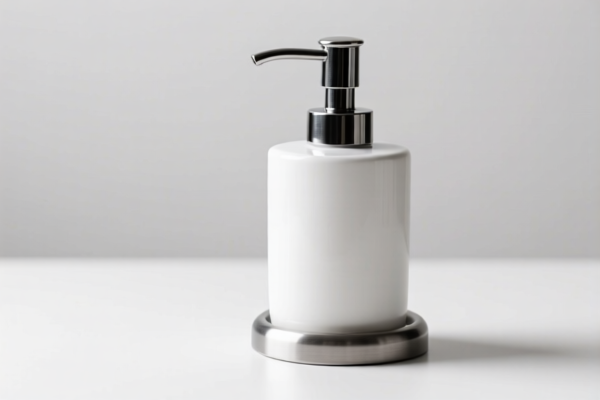
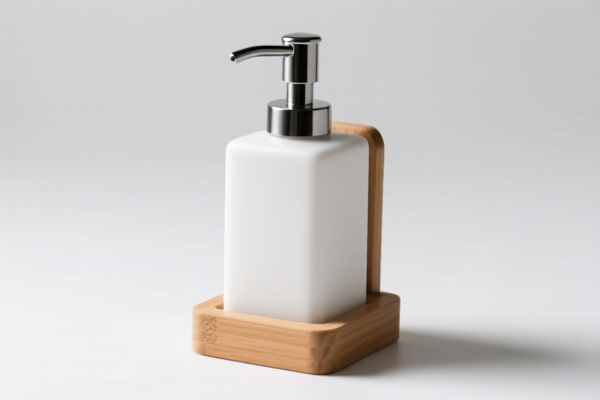
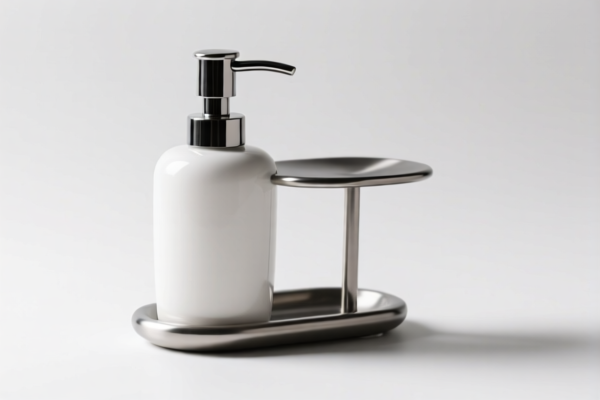
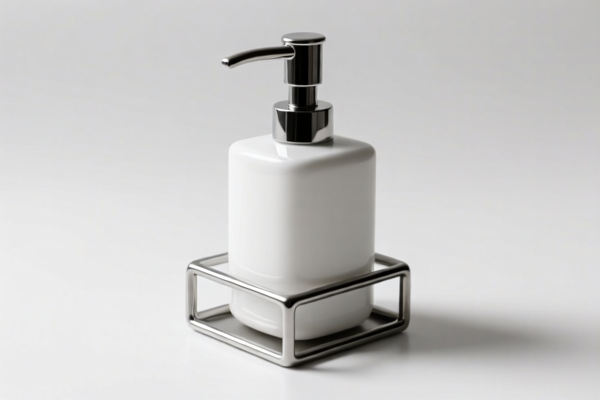
AI Analysis
🕯️ Aromatherapy Diffuser Stand (香薰机支架)
🌐 HS Code Reference & Customs Clearance Guide | 2026 Latest Tariff Analysis | Professional Clearance Strategy
📌 I. Product Definition and Classification: What exactly is an "Aromatherapy Diffuser Stand"?
An Aromatherapy Diffuser Stand is a support structure designed to hold or stabilize an aromatherapy diffuser. In international trade, its classification depends heavily on two factors: 1. Material: Whether it is made of iron/steel, aluminum, or plastic. 2. Function/State: Whether it is a general support structure or considered a specific accessory/part of the diffuser.
⚠️ Key Distinction Point: - If the stand is a general support structure made of base metals → Likely falls under Chapter 73 (Iron/Steel) or Chapter 76 (Aluminum). - If the stand is considered a part/accessory of the diffuser → Classification shifts based on material (Plastics in Ch 39, Metals in Ch 73/76). - Note: The classification determines the Total Tax Rate, which varies significantly from 22.8% to 87.9% due to US Section 301 and Section 232 tariffs.
📦 II. HS Code Classification Details (2026 Latest Tariff Authority Cross-Reference)
| HS Code | Product Description & Material Inference | Total Tax Rate | Tax Detail Breakdown |
|---|---|---|---|
7326.90.86.30 |
Aromatherapy Diffuser Stand: Form is "Support Structure". Material inferred as Steel Products. | 87.9% | Base: 2.9% + Sec 301: 25.0% + Sec 232 (Steel): 50.0% |
7616.99.51.50 |
Aromatherapy Diffuser Stand: Form is "Accessory/Part". Material inferred as Aluminum. | 37.5% | Base: 2.5% + Sec 301: 25.0% + Sec 232 (Aluminum): 10.0% |
3926.30.50.00 |
Aromatherapy Diffuser Stand: Form is "Connector/Part". Material inferred as Plastic. | 22.8% | Base: 5.3% + Sec 301: 7.5% + (Note: No 232 tariff on plastic) |
7326.90.86.88 |
Aromatherapy Diffuser Stand: Form is "Accessory/Part". Material inferred as Iron or Steel. | 87.9% | Base: 2.9% + Sec 301: 25.0% + Sec 232 (Steel): 50.0% |
3926.90.99.89 |
Aromatherapy Diffuser Stand: Form is "Accessory/Part". Material inferred as Plastic. | 22.8% | Base: 5.3% + Sec 301: 7.5% + (Note: No 232 tariff on plastic) |
🔍 Key Observation: - Steel Products (
7326.90.86.30,7326.90.86.88) carry the highest tariff burden (87.9%) due to the叠加 (stacking) of Base Tariff (2.9%), Section 301 (25%), and Section 232 (50%). - Aluminum Products (7616.99.51.50) have a moderate burden (37.5%) due to Section 232 being 10%. - Plastic Products (3926.30.50.00,3926.90.99.89) have the lowest burden (22.8%) as they are not subject to Section 232 tariffs.
💰 III. 2026 Latest Tariff Rate Details (Including Surcharges & Policy Add-ons)
✅ Applicable Country: United States (US)
✅ Origin: China (CN)
✅ Effective Time: Current Section 301 and Section 232 tariffs apply.
🎯 1. 7326.90.86.30 & 7326.90.86.88 —— Steel/Iron Stands
Total Tax Rate: 87.9%
| Item | Content |
|---|---|
| Base Tariff | 2.9% (ad valorem) |
| Section 301 Tariff | +25.0% (USITC Footnote 9903.01.24 / 9903.88.01) |
| Section 232 Tariff (Steel/Aluminum/Copper) | +50.0% (Presidential Proclamation 9704 / 9883) |
| Total Effective Rate | 87.9% |
| Calculation | CIF Value × 87.9% |
| De Minimis Exemption | ❌ Not Applicable (High tariffs exclude de minimis benefits) |
| Legal Basis Path | USITC:7326.90.86.xx → FOOTNOTE:9903.88.01 → PP:9704 |
📌 Explanation: - Section 232 (50%): Applies to steel products. This is the dominant cost driver. - Section 301 (25%): Applies to Chinese-origin steel goods. - Combined Impact: The total rate is nearly 90%, making steel stands extremely expensive to import into the US.
🎯 2. 7616.99.51.50 —— Aluminum Stand
Total Tax Rate: 37.5%
| Item | Content |
|---|---|
| Base Tariff | 2.5% |
| Section 301 Tariff | +25.0% |
| Section 232 Tariff (Aluminum) | +10.0% |
| Total Effective Rate | 37.5% |
| Calculation | CIF Value × 37.5% |
| Legal Basis Path | USITC:7616.99.51.50 → FOOTNOTE:9903.88.01 → PP:9883 |
📌 Explanation: - Aluminum is subject to a lower Section 232 rate (10%) compared to steel (50%). - Still, the total rate (37.5%) is significant due to Section 301.
🎯 3. 3926.30.50.00 & 3926.90.99.89 —— Plastic Stands
Total Tax Rate: 22.8%
| Item | Content |
|---|---|
| Base Tariff | 5.3% |
| Section 301 Tariff | +7.5% (Note: Some plastic categories may have lower Sec 301 rates, here specified as 7.5% in source data) |
| Section 232 Tariff | 0% (Plastic is not covered by Section 232) |
| Total Effective Rate | 22.8% |
| Legal Basis Path | USITC:3926.xx.xx → FOOTNOTE:9903.88.01 |
📌 Explanation: - Plastic stands avoid the heavy Section 232 tariffs entirely. - This is the most cost-effective classification for US imports from China.
🛠️ IV. Customs Clearance Practical Advice (Battle-Tested Pitfall Avoidance)
✅ 1. Material Declaration is Critical
| Scenario | Correct Declaration | Incorrect Declaration |
|---|---|---|
| Steel Stand | Clearly state "Steel Aromatherapy Stand" | Vague "Metal Stand" → May trigger audit |
| Aluminum Stand | Clearly state "Aluminum Aromatherery Stand" | "Metal Stand" → Risk of misclassification |
| Plastic Stand | Clearly state "Plastic Aromatherapy Stand" | "Resin Stand" → If actually plastic, ensure correct HS |
🔥 Pro Tip:
"Material determines Tax! Steel is Expensive, Plastic is Cheap!"
If your product is made of a composite material, ensure the principal material or the structural component is clearly defined to justify the HS Code.
✅ 2. Functional Description
- For Steel/Aluminum: Emphasize if it is a "Support Structure" (
7326.90.86.30) vs. "Accessory/Part" (7326.90.86.88). Although the tax rate is the same (87.9%), the description must match the product's physical form. - For Plastic: Distinguish between "Connectors/Parts" (
3926.30.50.00) and other "Parts" (3926.90.99.89). Both have the same rate (22.8%) but different sub-categories.
✅ 3. Special Circumstances
| Situation | Handling Advice |
|---|---|
| Composite Materials | If the stand has metal parts but is mostly plastic, consult a customs broker. Misclassification can lead to penalties. |
| Kit Imports | If the diffuser and stand are imported together, they may be classified as a complete unit (likely under the diffuser's HS code). Do not split unless necessary. |
| OEM Customization | Provide design drawings to prove material composition. Customs may inspect samples. |
🌍 V. Global Market Comparison (2026 Latest)
| Country/Region | Recommended HS Code | Estimated Total Tax (China Origin) | Certification Requirements | Notes |
|---|---|---|---|---|
| 🇺🇸 USA | 3926.90.99.89 (Plastic) |
22.8% | FCC (if electronic), but stand needs no cert | Best Option for cost |
| 🇺🇸 USA | 7326.90.86.88 (Steel) |
87.9% | No specific cert | Avoid if possible due to high tax |
| 🇺🇸 USA | 7616.99.51.50 (Aluminum) |
37.5% | No specific cert | Moderate cost |
| 🇨🇳 China | Varies | 5-10% | None | Low export tax |
| 🇪🇺 EU | Varies | 0-6% | CE, RoHS | No Section 301/232 equivalent |
| 🇬🇧 UK | Varies | 0-6% | UKCA, RoHS | Post-Brexit rules apply |
📌 Conclusion: - US Market: Plastic stands are significantly more profitable than steel stands due to Section 232 and Section 301 tariffs. - Strategic Choice: If design allows, use Plastic or Aluminum instead of Steel for US-bound aromatherapy stands to save ~65% in taxes.
📌 VI. Common Errors & Pitfall Guide (Lessons Learned)
❌ Error 1: Declaring a Steel Stand as "Plastic"
👉 Consequence: Customs inspection reveals steel → Penalties + Back Taxes + Seizure.
❌ Error 2: Ignoring Section 232 Tariffs for Steel/Aluminum
👉 Consequence: Underestimating landed cost by 50% for steel.
❌ Error 3: Vague Description "Metal Stand"
👉 Consequence: Customs may classify under the highest possible tariff rate or request additional documentation, causing delays.
❌ Error 4: Splitting a Complete Kit Incorrectly
👉 Consequence: If the stand is essential to the diffuser's function, it might be taxed as part of the diffuser, not as a standalone accessory.
✅ Correct Action:
"Aromatherapy Diffuser Stand, Made of Plastic, Used for Support, Model XYZ"
(If Plastic: HS3926.90.99.89, Tax 22.8%)
🎯 VII. Conclusion: Professional Declaration, Cost Optimization
🎯 Remember the Mantra:
🔹 "Plastic is King, Steel is Expensive, Aluminum is Middle!"
🔹 "Check Material, Check Tariff, Don't Let Steel Drain Your Profit!"
📌 Pro Tip:
If your stand is made of Steel, consider: 1. Switching to Plastic or Aluminum materials if design permits. 2. Re-routing through a third country (if compliant with Rules of Origin). 3. Applying for HAR301 Exclusions (if available and applicable).
📣 Immediate Action:
📞 Consult a Customs Broker + Provide Material Specs + Request HS Code Pre-Ruling
🚀 Optimize your supply chain, clear customs smoothly, and maximize your margins!
✨ Professional Clearance, Starting with Accurate Classification!
💼 Every cent of tax savings counts!
Customer Reviews
About HS Code Classification
The Harmonized System (HS) is an internationally standardized nomenclature developed by the World Customs Organization (WCO) to classify traded products. Over 200 countries use the HS system as the basis for customs tariffs, trade statistics, and import/export regulations.
Each HS code follows a hierarchical structure:
- Chapter (2 digits) — Broad category of goods (e.g., Chapter 84: Machinery and Mechanical Appliances)
- Heading (4 digits) — More specific grouping within the chapter
- Subheading (6 digits) — Internationally standardized breakdown, used by all WCO member countries
- National subdivisions (8-10 digits) — Country-specific extensions for further classification, such as US HTSUS 10-digit codes
Correct HS code classification is essential for smooth customs clearance, accurate duty payment, and compliance with trade regulations. Misclassification can lead to customs delays, overpayment of duties, or penalties.
When importing from CN to US, the applicable tariff rates may include:
- Most-Favored-Nation (MFN) rate — The standard duty rate applied to WTO members
- General rate — Applied to countries without trade agreements
- Trade remedy duties — Additional tariffs such as Section 301 (anti-dumping), Section 232 (national security), or countervailing duties
The information provided on this page is for reference purposes only. For official classification, please consult with your local customs authority or a licensed customs broker.