Aromatic Antibacterial Granules
CN → US| HS Code | Tariff Rate | Origin | Destination | Doc |
|---|---|---|---|---|
| 2942003500 | 41.5% | CN | US | Official Doc |
| 3824992900 | 41.5% | CN | US | Official Doc |
| 3824992100 | 35.0% | CN | US | Official Doc |
| 2942000500 | 41.5% | CN | US | Official Doc |
| 3808921500 | 41.5% | CN | US | Official Doc |
Product Images
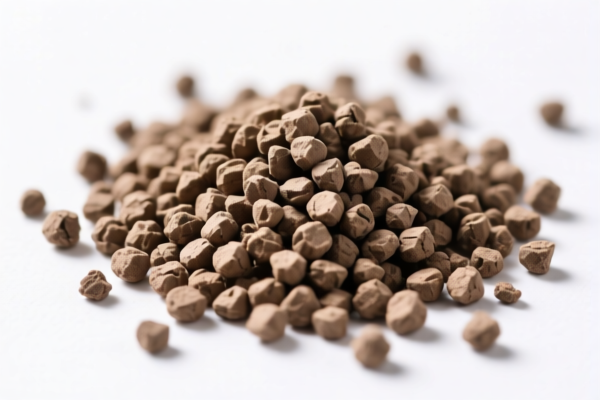
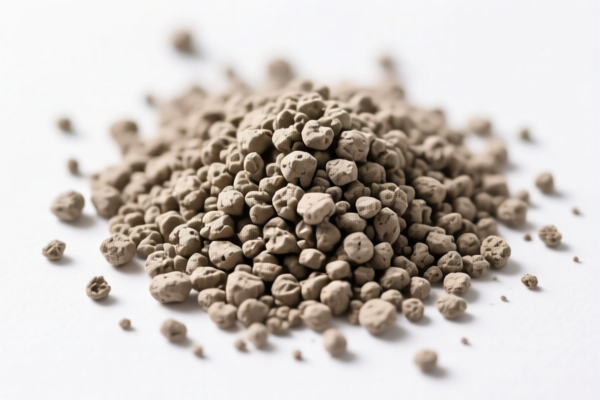
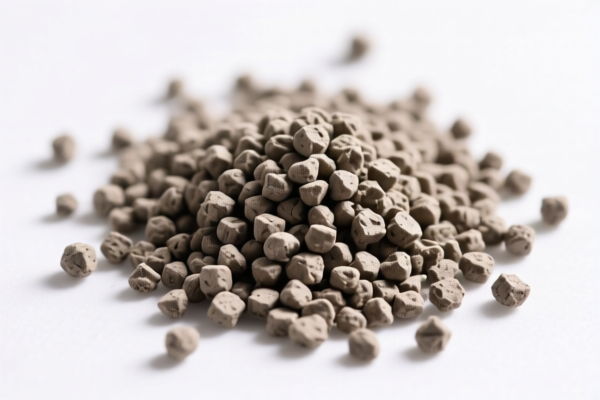

AI Analysis
🌿 Aromatic Antibacterial Granules (Aromatics-based Sanitizers)
🌐 HS Code Reference & Customs Clearance Guide | 2026 Tariff Analysis | Strategic Compliance Strategy
📌 Part I: Product Definition & Classification: Do You Truly Understand "Aromatic Antibacterial Granules"?
Aromatic Antibacterial Granules represent a specialized class of chemical agents used for disinfection, preservation, or pest control. In international trade, their classification hinges critically on two factors:
1. Chemical Nature: Are they purely aromatic organic compounds (chemical entities) or mixtures containing them?
2. Functional Classification: Are they intended as pharmaceuticals, simple pesticides, or general industrial chemical preparations?
⚠️ Key Distinction Points:
- If the product is a pure aromatic compound used for medicinal or pharmaceutical purposes → Classified under Chapter 29 (Organic Chemicals).
- If the product is a mixture/preparation containing aromatic substances but used for non-medical disinfection/pest control → Classified under Chapter 38 (Miscellaneous Chemical Products).
- Critical Threshold: In Chapter 38, the concentration of aromatic substances (often >5% or >10% depending on specific subheadings) triggers different tax treatments.
📦 Part II: HS Code Classification Details (2026 Latest Tariff Authority Cross-Reference)
The data provided indicates a split between Chapter 29 (Pure Organic Chemicals) and Chapter 38 (Preparations). Below is the authoritative mapping based on the provided dataset.
| HS Code | Product Description | Applicability Scenario | Tax Category |
|---|---|---|---|
2942.00.35.00 |
Aromatic Antibacterial Granules, matching aromatic material & granular form | Pure aromatic organic chemical in granular form | 📌 High Tax Bracket |
2942.00.05.00 |
Aromatic Antibacterial Granules, Aromatic material & Medicinal Use | Pharmaceutical-grade aromatic antibacterial agents | 📌 High Tax Bracket |
3824.99.29.00 |
Aromatic Antibacterial Granules, Chemical preparations containing aromatic substances | General industrial/commercial chemical preparations with aromatic content | 📌 High Tax Bracket |
3824.99.21.00 |
Aromatic Antibacterial Granules, Chemical products containing >5% aromatic substances | Specific subheading for preparations with higher aromatic concentration (0% Base) | ⭐ Lower Base Tax Bracket |
3808.92.15.00 |
Aromatic Antibacterial Granules, Disinfectant preparations containing aromatic materials | Pesticides/Disinfectants where aromatic material is the active or key ingredient | 📌 High Tax Bracket |
🔍 Critical Analysis:
- Chapter 29 (2942.xx): Applies to pure aromatic organic chemicals. If your product is a defined chemical entity (e.g., a specific benzene derivative used for antibacterial action), it falls here.
- Chapter 38 (3824.xx / 3808.xx): Applies to mixtures/preparations.
-3824.99.21.00is unique in the dataset for having a 0.0% Base Tariff, likely due to specific trade agreements or category definitions for high-aromatic content preparations, though it still attracts heavy surcharges.
-3808.92.15.00specifically targets disinfectants/pesticides. If the granules are sold primarily for killing bacteria in agriculture or household cleaning, this is the most likely functional fit.
💰 Part III: 2026 Latest Tariff Rate Detailed Breakdown (Including Surcharges & Policy Add-ons)
✅ Applicable Country: United States (US)
✅ Origin: China (CN)
✅ Effective Date: From Nov 10, 2025 (inclusive) onwards
The dataset provides two distinct tax structures. Let's break them down.
🎯 1. High Tax Bracket Structure (Applicable to 2942.00.35.00, 2942.00.05.00, 3824.99.29.00, 3808.92.15.00)
| Item | Content |
|---|---|
| Base Tariff Rate | 6.5% (Ad Valorem) |
| Section 301 Surcharge | +25.0% (Retaliatory Trade Tariff) |
| IEEPA Clause 122 Surcharge | +10.0% (Emergency Economic Powers Act - China Specific) |
| Total Effective Tax Rate | 41.5% |
| Tax Calculation | CIF Value × 41.5% |
| De Minimis Exemption Eligible? | ❌ No (Denied for these codes under current IEEPA/301 rules) |
| Legal Authority Path | HTSUS: 2942.00/3824.99/3808.92 → USITC Footnote 301: 25% → IEEPA: 122 Clause: 10% |
📌 Explanation:
- This is the standard punitive rate for most chemical imports from China into the US.
- 301 Tariff (25%): Applied due to the "List 4C" or similar trade war designations for chemical products.
- IEEPA 122 (10%): A specific emergency surcharge targeting critical supply chains or strategic goods from China.
- Total 41.5% is extremely high. Profit margins must absorb this, or costs must be passed to consumers.
🎯 2. Lower Base Tax Bracket Structure (Applicable to 3824.99.21.00)
| Item | Content |
|---|---|
| Base Tariff Rate | 0.0% |
| Section 301 Surcharge | +25.0% |
| IEEPA Clause 122 Surcharge | +10.0% |
| Total Effective Tax Rate | 35.0% |
| Tax Calculation | CIF Value × 35.0% |
| De Minimis Exemption Eligible? | ❌ No (Surcharges typically override de minimis) |
| Legal Authority Path | HTSUS: 3824.99.21 → USITC Footnote 301: 25% → IEEPA: 122 Clause: 10% |
📌 Strategic Advantage:
- While the base duty is 0%, the total landed cost tax is still 35%.
- This is 6.5% cheaper than the other four codes.
- Condition: You must prove the product fits the description of "Chemical Products containing >5% aromatic substances" under subheading3824.99.21. This requires precise chemical composition documentation.
🛠️ Part IV: Customs Clearance Operational Advice (Practical Pitfall Avoidance Guide)
✅ 1. Required Documentation Checklist (Non-negotiable)
| Document | Mandatory? | Explanation |
|---|---|---|
| ✅ Certificate of Analysis (CoA) | ✔️ | Must detail chemical composition, specifically the percentage of aromatic substances. Critical for choosing between 3824.99.21 (0% base) vs others. |
| ✅ Product Specification Sheet | ✔️ | Detail the form (Granules), function (Antibacterial/Sanitizer), and ingredients. |
| ✅ Formula/Ingredients List | ✔️ | Breakdown by weight %. If aromatic content is >5%, you may qualify for 3824.99.21.00. |
| ✅ Safety Data Sheet (SDS) | ✔️ | Required for chemical handling. Must match HS Code classification. |
| ✅ Commercial Invoice | ✔️ | Clearly state: "Aromatic Antibacterial Granules – Chemical Preparation" or "Organic Chemical". Avoid vague terms like "Cleaning Powder". |
| ✅ Origin Certificate | ✔️ | Proof of Chinese origin triggers the 301/IEEPA surcharges. |
| ✅ EPA Registration (if applicable) | ✔️ | If classified as a pesticide/disinfectant (3808), EPA registration may be required before customs release. |
✅ 2. Classification Strategy & Declaration Tips
🔥 “Accuracy Saves 6.5%: Prove the Aromatic Content!”
| Scenario | Correct HS Code | Risk of Misclassification |
|---|---|---|
| Product is a pure aromatic chemical (e.g., specific benzene derivative) | 2942.00.35.00 or 2942.00.05.00 |
Low risk if pure. High tax (41.5%). |
| Product is a mixture with <5% aromatic substances | 3824.99.29.00 (likely) |
Must use higher base rate code. Tax 41.5%. |
| Product is a mixture with >5% aromatic substances | 3824.99.21.00 |
✅ Optimal Choice. Tax 35%. Requires proof. |
| Product is a registered disinfectant/pesticide | 3808.92.15.00 |
If it has EPA registration, this is legally required regardless of aromatic content. Tax 41.5%. |
| Product is a pharmaceutical | 2942.00.05.00 |
If intended for human/animal medical use. Tax 41.5%. |
📌 Crucial Warning:
- Do NOT arbitrarily choose3824.99.21.00to save tax. If customs audits your chemical report and finds <5% aromatic content, you will face penalties, back taxes, and seizure.
- If the product is a registered disinfectant,3808.92.15.00may be mandatory by US EPA regulations, overriding the tax-saving potential of Chapter 38.99.
✅ 3. Special Circumstances Handling
| Situation | Handling Advice |
|---|---|
| OEM/Private Label | Provide contract manufacturing agreement. Ensure the formula matches the declared HS Code. |
| High Aromatic Content (>5%) | Submit CoA showing aromatic % >5%. Argue for 3824.99.21.00 to save 6.5%. |
| EPA Registered Product | If registered as a pesticide/disinfectant, you must use 3808 series. Cannot avoid 41.5% rate. |
| Pharmaceutical Use | If for medical treatment, use 2942.00.05.00. Requires FDA compliance documentation. |
| Granular Form Only | Physical form does not change Chapter 29/38 classification. It only affects internal subheadings. |
🌍 Part V: Global Market Comparison (2026 Latest)
| Country/Region | Recommended HS Code | Base Tax | Surcharges | Total Est. Tax | Remarks |
|---|---|---|---|---|---|
| 🇺🇸 USA | 3824.99.21.00 (Optimal) |
0% | +25% (301) +10% (IEEPA) | 35% | Best tax efficiency if composition allows. |
| 🇨🇳 China | 3824.99.21.00 |
~5-10% | None | ~10-15% | Import into China is cheaper; export from China incurs US tariffs. |
| 🇪🇺 EU | 3808.92 or 3824.99 |
0-6.5% | None (generally) | 0-6.5% | No 301/IEEPA surcharges. Much more favorable for global distribution. |
| 🇦🇺 Australia | 3808.92 |
5% | None | 5% | Low duty, but requires strict chemical safety (NICNAS/AIHS) registration. |
📌 Conclusion:
- The US market is the most expensive due to the 35-41.5% total duty.
- EU/Australia offer significant duty advantages (0-6.5%), but have stricter chemical safety registrations (REACH in EU).
- Strategy: If targeting the US, optimize for3824.99.21.00to save 6.5%. If targeting EU, prepare for REACH compliance to enjoy 0% duty.
📌 Part VI: Common Mistakes & Pitfall Guide (Lessons Learned)
❌ Mistake 1: Declaring "Chemical Mixture" without specifying aromatic content.
👉 Consequence: Customs defaults to the highest base rate code (2942 or 3824.99.29) → 41.5% tax.
✅ Fix: Provide CoA proving >5% aromatic content to claim 3824.99.21.00 (35% tax).
❌ Mistake 2: Ignoring EPA Registration if product is a disinfectant.
👉 Consequence: Seizure by CBP for missing EPA import notice.
✅ Fix: Verify if EPA registration is required. If yes, use 3808.92.15.00 and provide EPA notice number.
❌ Mistake 3: Confusing "Antibacterial" (Biological) with "Antiseptic/Disinfectant" (Chemical).
👉 Consequence: Misclassification under Chapter 30 (Pharmaceuticals) vs Chapter 38.
✅ Fix: If for environmental/surface cleaning, use Chapter 38 (3808/3824). If for human medical use, use Chapter 30/29.
❌ Mistake 4: Assuming De Minimis (Section 321) applies.
👉 Consequence: Denial. IEEPA and 301 surcharges typically invalidate de minimis exemptions for Chinese origin.
✅ Fix: Plan for full duty payment (35-41.5%) even for small shipments.
🎯 Part VII: Conclusion: Professional Classification Saves Money!
🎯 Remember the Mantra:
🔹 "Check Aromatic %: >5% is Golden (0% Base), <5% is Costly (6.5% Base)."
🔹 "Disinfectant? Check EPA First. Medical? Check FDA."
🔹 "US Tariff is Brutal: 35% vs 41.5% is 6.5% of CIF. On $100k, that's $6,500 saved!"
📌 Pro Tip:
If your product is highly aromatic (>5%) and NOT a registered pesticide/pharmaceutical, always aim for 3824.99.21.00. It is the most tax-efficient code in your dataset. Prepare your Certificate of Analysis meticulously to support this claim.
📣 Immediate Action:
📞 Contact your customs broker + Provide CoA + Request Advance Ruling if shipment value is high.
🚀 Maximize margin, minimize duty risk!
✨ Professional Clearance Starts with Precise Classification!
💼 Every cent of duty is a cent of profit lost!
Customer Reviews
About HS Code Classification
The Harmonized System (HS) is an internationally standardized nomenclature developed by the World Customs Organization (WCO) to classify traded products. Over 200 countries use the HS system as the basis for customs tariffs, trade statistics, and import/export regulations.
Each HS code follows a hierarchical structure:
- Chapter (2 digits) — Broad category of goods (e.g., Chapter 84: Machinery and Mechanical Appliances)
- Heading (4 digits) — More specific grouping within the chapter
- Subheading (6 digits) — Internationally standardized breakdown, used by all WCO member countries
- National subdivisions (8-10 digits) — Country-specific extensions for further classification, such as US HTSUS 10-digit codes
Correct HS code classification is essential for smooth customs clearance, accurate duty payment, and compliance with trade regulations. Misclassification can lead to customs delays, overpayment of duties, or penalties.
When importing from CN to US, the applicable tariff rates may include:
- Most-Favored-Nation (MFN) rate — The standard duty rate applied to WTO members
- General rate — Applied to countries without trade agreements
- Trade remedy duties — Additional tariffs such as Section 301 (anti-dumping), Section 232 (national security), or countervailing duties
The information provided on this page is for reference purposes only. For official classification, please consult with your local customs authority or a licensed customs broker.