Aromatic Antibacterial Powder
CN → US| HS Code | Tariff Rate | Origin | Destination | Doc |
|---|---|---|---|---|
| 3808941000 | 41.5% | CN | US | Official Doc |
| 3307490000 | 41.0% | CN | US | Official Doc |
| 3307900000 | 40.4% | CN | US | Official Doc |
| 3808591000 | 16.5% | CN | US | Official Doc |
Product Images
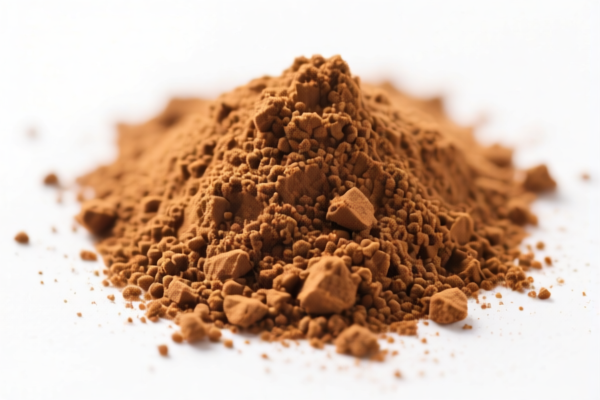
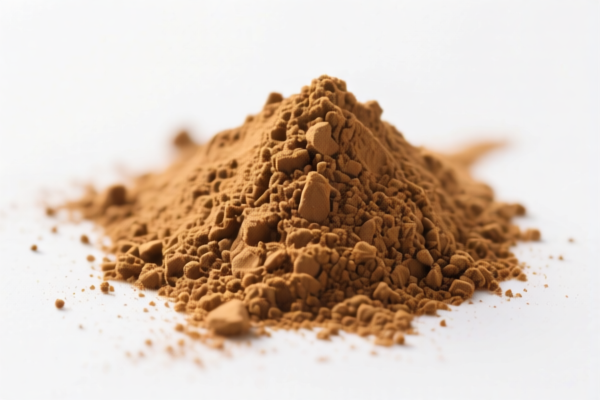
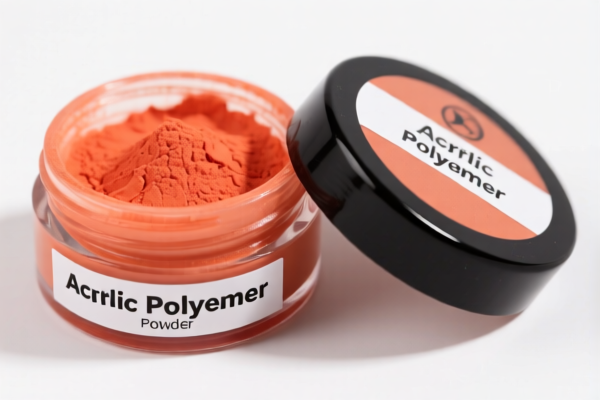
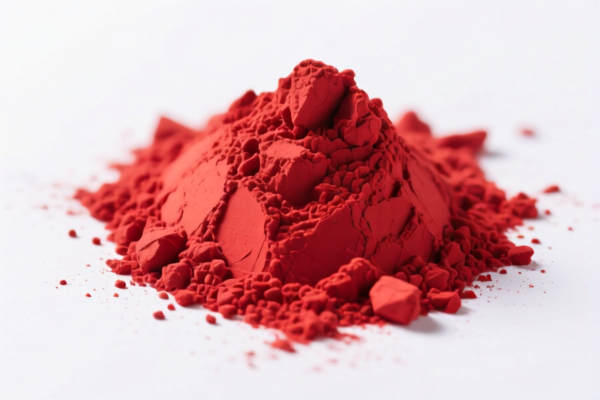
AI Analysis
🌸 Aromatic Antibacterial Powder (Aromatherapy & Hygiene Products)
🌐 HS Code Reference & Customs Clearance Guide | 2026 Latest Tariff Analysis | Professional Entry Strategy
📌 I. Product Definition & Classification: What is "Aromatic Antibacterial Powder"?
Aromatic Antibacterial Powder refers to solid dosage forms containing active antibacterial agents (such as triclosan, zinc salts, or natural essential oils) infused with fragrances. These products are primarily used for: 1. Deodorization & Scenting: Masking odors in rooms, shoes, or clothing. 2. Disinfection/Sanitization: Killing bacteria on surfaces, skin, or fabrics. 3. Personal Care: Foot powders, bath salts, or body sprays (powder form).
⚠️ Critical Distinction:
- If the primary function is scent/fragrance (with incidental antibacterial effect) → Falls under Chapter 33 (Perfumes/Cosmetics).
- If the primary function is disinfection/killing bacteria (with scent as an additive) → Falls under Chapter 38 (Chemical Products/Disinfectants).
- The physical form (Powder vs. Spray) and intended use determine the specific HS Code.
📦 II. HS Code Classification Details (2026 Latest Tariff Authority)
Based on the provided data, here are the four possible classifications depending on the specific formulation and declared primary use:
| HS Code | Product Description | Primary Use Case | Key Feature |
|---|---|---|---|
3808.94.10.00 |
Disinfectants/Antibacterial Agents | Industrial/Commercial Sanitization | Contains aromatic components, but classified as a disinfectant formulation. |
3307.49.00.00 |
Room Fragrances/Deodorizers | Home/Office Odor Control | Classified as a fragrance/deodorizer; liquid/spray form mentioned in data but applicable to powder scenting agents. |
3307.90.00.00 |
Other Perfumes/Cosmetic Preparations | Personal Care/Miscellaneous Hygiene | Catch-all for aromatic/cosmetic powders not elsewhere specified (e.g., foot powder, bath salts). |
3808.59.10.00 |
Other Disinfectants | Specialized Antibacterial Use | Exempt from additional trade war tariffs; classified as a disinfectant but may have different duty structures. |
🔍 Key Insight:
- The difference between 3808 (Chemical/Disinfectant) and 3307 (Fragrance/Cosmetic) hinges on whether the antibacterial function is the primary purpose or if it is merely a fragrance product with minor antibacterial properties.
- Customs Authorities will scrutinize the Statement of Composition and Intended Use.
💰 III. 2026 Latest Tariff Rate Breakdown (Including Surcharges & Policy Add-ons)
✅ Applicable Country: United States (US)
✅ Country of Origin: China (CN)
✅ Effective Date: From November 10, 2025 (and subsequent imports)
🎯 1. 3808.94.10.00 —— Disinfectants (Aromatic)
| Item | Details |
|---|---|
| Base Tariff | 6.5% (ad valorem) |
| Section 301 Tariff | +25.0% (USITC Footnote) |
| IEEPA Tariff | +10.0% (China-specific surcharge) |
| Total Tax Rate | 41.5% |
| Calculation Base | CIF Value × 41.5% |
| De Minimis Exemption? | ❌ No (Not eligible for $800 de minimis if classified as chemical/disinfectant) |
| Legal Path | IEEPA:9903.01.25 → USITC:3808.94.10.00 |
📌 Explanation:
- This classification treats the product primarily as a disinfectant.
- It is subject to both the 25% Section 301 tariff and the 10% IEEPA surcharge.
- Total cost impact is high.
🎯 2. 3307.49.00.00 —— Room Fragrances/Deodorizers
| Item | Details |
|---|---|
| Base Tariff | 6.0% (ad valorem) |
| Section 301 Tariff | +25.0% (USITC Footnote) |
| IEEPA Tariff | +10.0% (China-specific surcharge) |
| Total Tax Rate | 41.0% |
| Calculation Base | CIF Value × 41.0% |
| De Minimis Exemption? | ❌ No (Fragrances often face stricter scrutiny) |
| Legal Path | IEEPA:9903.01.24 → USITC:3307.49.00.00 |
📌 Explanation:
- If declared as a room scent/deodorizer, it falls under Chapter 33.
- Slightly lower base tariff (6.0% vs 6.5%), but still hits the full 35% in add-ons.
- Total: 41.0%.
🎯 3. 3307.90.00.00 —— Other Perfumes/Cosmetic Preparations
| Item | Details |
|---|---|
| Base Tariff | 5.4% (ad valorem) |
| Section 301 Tariff | +25.0% (USITC Footnote) |
| IEEPA Tariff | +10.0% (China-specific surcharge) |
| Total Tax Rate | 40.4% |
| Calculation Base | CIF Value × 40.4% |
| De Minimis Exemption? | ❌ No |
| Legal Path | IEEPA:9901.25 → USITC:3307.90.00.00 |
📌 Explanation:
- This is the lowest total tariff among the surcharge-affected codes.
- Suitable for foot powders, bath salts, or general hygiene powders where the antibacterial aspect is secondary to the cosmetic/aromatic nature.
- Total: 40.4%.
🎯 4. 3808.59.10.00 —— Other Disinfectants (No 301/IEEPA?)
| Item | Details |
|---|---|
| Base Tariff | 6.5% (ad valorem) |
| Section 301 Tariff | 0.0% (Exempt or Non-Listed) |
| IEEPA Tariff | +10.0% (China-specific surcharge) |
| Total Tax Rate | 16.5% |
| Calculation Base | CIF Value × 16.5% |
| De Minimis Exemption? | ⚠️ Check Specific List (Some disinfectants may be exempt from 301 but not IEEPA) |
| Legal Path | IEEPA:9901.25 → USITC:3808.59.10.00 |
📌 Explanation:
- This is the most cost-effective option if the product qualifies under this specific subheading.
- It suggests that not all disinfectants are subject to the 25% Section 301 tariff, though they are still subject to the 10% IEEPA surcharge.
- Total: 16.5% (Massive savings compared to 40%+).
- ⚠️ Caution: This classification is highly specific. You must prove it is a "disinfectant" under this specific chemical category to avoid misdeclaration penalties.
🛠️ IV. Customs Clearance Practical Advice (Avoid Pitfalls)
✅ 1. Required Documentation (Mandatory)
| Document | Must Provide? | Notes |
|---|---|---|
| ✅ Product Specification Sheet | ✔️ | Must list active ingredients, concentration, and primary function (Scent vs. Kill). |
| ✅ Ingredient Statement | ✔️ | List all components, especially antibacterial agents (e.g., "Contains 0.5% Triclosan"). |
| ✅ Product Photos | ✔️ | Show packaging, label claims ("Antibacterial" vs. "Fresh Scent"). |
| ✅ Safety Data Sheet (SDS) | ✔️ | Required for chemical/disinfectant classification. |
| ✅ Commercial Invoice | ✔️ | Clearly state "Aromatic Antibacterial Powder" and intended use. |
| ✅ Usage Description | ✔️ | Explain if it's for shoes, rooms, skin, or surfaces. |
✅ 2. Declaration Strategy (Key Mantra)
🔥 "Function Dictates Code, Scent vs. Kill is Key!"
| Scenario | Recommended HS Code | Why? |
|---|---|---|
| Primary Claim: "Kills 99.9% Bacteria" | 3808.94.10.00 or 3808.59.10.00 |
Primary function is disinfection. |
| Primary Claim: "Freshens Room/Shoes" | 3307.49.00.00 |
Primary function is deodorization. |
| Personal Care (Foot/Bath) | 3307.90.00.00 |
Cosmetic/Perfume category. |
| Optimize for Lowest Duty | 3808.59.10.00 |
If legally defensible, saves ~25% vs. other codes. |
⚠️ Warning:
- Do not misdeclare a disinfectant as a fragrance to avoid tariffs.
- If the product contains regulated antibacterial agents, Customs may require EPA Registration (in the US) for3808codes.
- For3307codes, ensure no medical claims are made on packaging (e.g., "cures infections"), as this could trigger FDA scrutiny.
✅ 3. Special Considerations
| Situation | Advice |
|---|---|
| Liquid vs. Powder | The data mentions "spray/liquid" for some codes, but if you ship powder, ensure the HS Code allows solid forms. 3307 and 3808 generally cover various forms, but specificity helps. |
| EPA Registration | If classifying under 3808 (Disinfectant), you MUST have an EPA registration number for the US market. Without it, goods may be seized. |
| FDA/FTC | If classifying under 3307 (Cosmetic/Fragrance), ensure labels comply with cosmetic labeling laws. Avoid drug claims. |
| Pre-Ruling | Apply for an Advance Ruling from CBP if unsure about 3808.59.10.00 eligibility. This locks in the 16.5% rate legally. |
🌍 V. Global Market Comparison (2026 Update)
| Country/Region | Recommended HS Code | Estimated Duty | Notes |
|---|---|---|---|
| 🇺🇸 USA | 3808.59.10.00 |
16.5% | Best rate if disinfectant; verify EPA rules. |
| 🇺🇸 USA | 3307.90.00.00 |
40.4% | Alternative if cosmetic claim is stronger. |
| 🇨🇳 China | 3307.90.00.00 |
~5-10% | Lower base duties; no US trade war tariffs. |
| 🇪🇺 EU | 3307.49.00.00 |
~6.5% | Standard cosmetic/fragrance rate. |
| 🇬🇧 UK | 3307.90.00.00 |
~6.5% | Post-Brexit tariff alignment with EU. |
📌 Conclusion:
- The US market is the most challenging due to high add-on tariffs.
- Strategy: If possible, structure the product and marketing to fit3307.90.00.00(40.4%) or ideally3808.59.10.00(16.5%) for maximum savings.
- Never underestimate the 10% IEEPA surcharge, which applies to almost all Chinese-origin goods.
📌 VI. Common Errors & Pitfalls (Blood & Tears Lessons)
❌ Error 1: Declaring a strong disinfectant as "Perfume" to avoid tariffs.
👉 Consequence: CBP audit, seizure, and back-taxes at 41.5% + penalties.
❌ Error 2: Missing EPA Registration for a disinfectant (3808 code).
👉 Consequence: Goods refused entry or destroyed.
❌ Error 3: Using "Antibacterial" claims on cosmetic packaging (3307 code).
👉 Consequence: FDA warning letter for unapproved drug claims.
❌ Error 4: Not accounting for the 10% IEEPA tariff in cost calculations.
👉 Consequence: Profit margin wiped out by unexpected 10% duty.
✅ Correct Approach:
"Aromatic Antibacterial Foot Powder, Contains Zinc Oxide & Tea Tree Oil, For Personal Hygiene Use Only, Model XYZ, EPA Reg. No. [If Disinfectant]."
🎯 VII. Conclusion: Smart Classification, Smarter Profits!
🎯 Remember the Golden Rules:
🔹 "Is it killing or smelling? Disinfectant (3808) or Fragrance (3307)?"
🔹 "Check3808.59.10.00for 16.5% savings, but only if legally defensible!"
🔹 "Never skip EPA/FDA compliance for chemical/cosmetic claims."
📌 Pro Tip:
If your product is primarily a foot powder with a fresh scent, lean towards 3307.90.00.00.
If it's a surface spray/powder for sanitizing, aim for 3808.59.10.00 and ensure EPA compliance.
📣 Immediate Action:
📞 Consult a Customs Broker to apply for an Advance Ruling.
📄 Review your Labeling to ensure claims match the HS Code.
📦 Calculate Landed Cost including the 10% IEEPA surcharge!
✨ Professional Customs Clearance Starts with Precise Classification!
💼 Your Margins Are Protected by Accurate Tariff Strategy!
Customer Reviews
About HS Code Classification
The Harmonized System (HS) is an internationally standardized nomenclature developed by the World Customs Organization (WCO) to classify traded products. Over 200 countries use the HS system as the basis for customs tariffs, trade statistics, and import/export regulations.
Each HS code follows a hierarchical structure:
- Chapter (2 digits) — Broad category of goods (e.g., Chapter 84: Machinery and Mechanical Appliances)
- Heading (4 digits) — More specific grouping within the chapter
- Subheading (6 digits) — Internationally standardized breakdown, used by all WCO member countries
- National subdivisions (8-10 digits) — Country-specific extensions for further classification, such as US HTSUS 10-digit codes
Correct HS code classification is essential for smooth customs clearance, accurate duty payment, and compliance with trade regulations. Misclassification can lead to customs delays, overpayment of duties, or penalties.
When importing from CN to US, the applicable tariff rates may include:
- Most-Favored-Nation (MFN) rate — The standard duty rate applied to WTO members
- General rate — Applied to countries without trade agreements
- Trade remedy duties — Additional tariffs such as Section 301 (anti-dumping), Section 232 (national security), or countervailing duties
The information provided on this page is for reference purposes only. For official classification, please consult with your local customs authority or a licensed customs broker.