Aromatic Herbicide Tablets
CN → US| HS Code | Tariff Rate | Origin | Destination | Doc |
|---|---|---|---|---|
| 2942003500 | 41.5% | CN | US | Official Doc |
| 3808931500 | 41.5% | CN | US | Official Doc |
| 3808935040 | 40.0% | CN | US | Official Doc |
| 2942000500 | 41.5% | CN | US | Official Doc |
| 3808931500 | 41.5% | CN | US | Official Doc |
Product Images
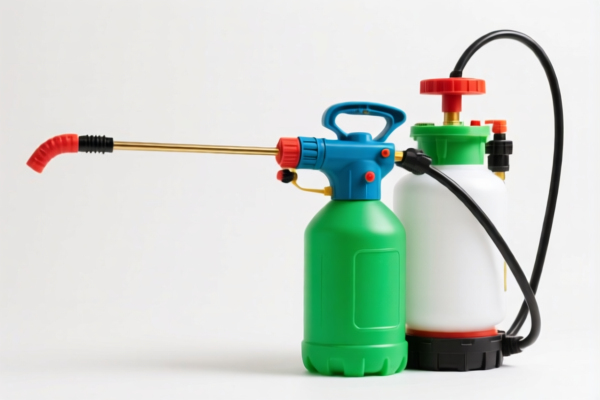
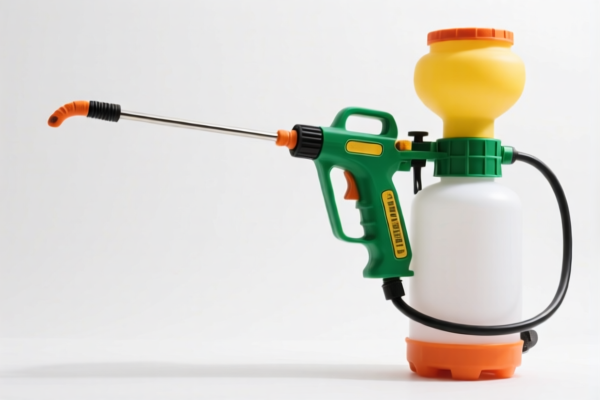
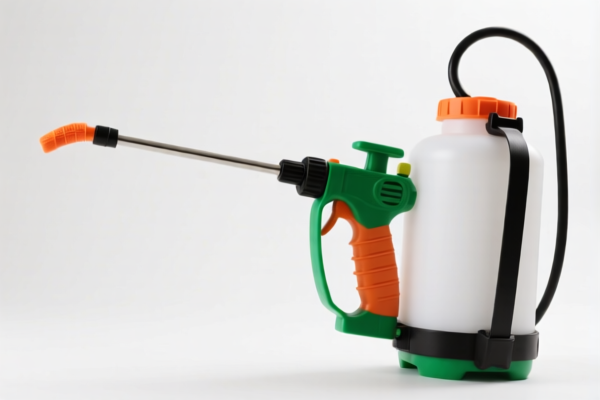

AI Analysis
🌿 Aromatic Herbicide Tablets (Dispersed Packaging / Bulk Form)
🌐 HS Code Reference & Customs Clearance Guide | 2026 Latest Tariff Analysis | Professional Clearance Strategy
📌 1. Product Definition & Classification: What Exactly Are "Aromatic Herbicide Tablets"?
In international trade, Aromatic Herbicides are chemical substances containing aromatic rings, used for weed control. Although the user input specifies "Tablets," the provided data in <DATA> indicates the classification is based on dispersed packaging or bulk forms containing aromatic active ingredients. This implies the classification focuses on the chemical nature (aromatic) and the form (bulk/discontinued packaging) rather than a specific dosage form like a compressed tablet for household use.
These products fall into two main categories based on HS Code structure: * Pure Chemical Compounds (Chapter 29): Isolated aromatic compounds with herbicidal activity. * Prepared Pesticides (Chapter 38): Mixtures, formulations, or products containing aromatic herbicide components, regardless of whether they are bulk, liquid, or dispersed solids.
⚠️ Key Distinction:
- If the product is a pure, isolated aromatic chemical intended for further industrial use → Classify under Chapter 29 (2942.00).
- If the product is a mixture, formulation, or contains aromatic components as part of a pest control preparation → Classify under Chapter 38 (3808.93).
📦 2. HS Code Classification Details (2026 Latest Tariff Authority Comparison)
| HS Code | Product Description | Applicable Scenario | Key Characteristic |
|---|---|---|---|
2942.00.35.00 |
Aromatic herbicides, bulk packaging | Pure aromatic chemical, bulk form | Matches aromatic material + herbicidal use |
3808.93.15.00 |
Aromatic herbicides, bulk packaging or containing aromatic components | Prepared pesticide formulation | Matches formulation form + aromatic ingredient |
3808.93.50.40 |
Aromatic herbicides, bulk packaging, non-specific ingredients | Non-specific pesticide category | Matches general herbicide scope |
2942.00.05.00 |
Aromatic herbicides, bulk packaging | Pure aromatic chemical, chemical/medicinal use | Matches aromatic material + chemical purpose |
3808.93.15.00 |
Herbicides containing aromatic components | Core material feature + herbicidal use | Matches core material characteristic |
🔍 Important Reminder:
- The term "Tablets" in the input may be misleading if the actual goods are bulk powder or dispersed packaging. Customs will inspect the physical form and chemical composition. - Chapter 38 is generally preferred for commercial pesticide formulations, even if they contain pure aromatic compounds. - Chapter 29 applies only if the substance is chemically defined and not a mixture.
💰 3. 2026 Latest Tariff Rate Details (Including Surtaxes & Policy Additions)
✅ Applicable Country: United States (US)
✅ Country of Origin: China (CN)
✅ Effective Date: From November 10, 2025 (including subsequent imports)
🎯 1. 2942.00.35.00 & 2942.00.05.00 —— Pure Aromatic Herbicides (Chapter 29)
| Item | Content |
|---|---|
| Base Tariff Rate | 6.5% (ad valorem) |
| Section 301 Surtax | +25.0% (USITC Footnote under Trade Act of 1974) |
| Section 122 Tariff | +10.0% (Specific surcharge for certain Chinese imports) |
| Total Tariff Rate | 41.5% |
| Tax Calculation | CIF Value × 41.5% |
| De Minimis Exemption | ❌ Not Available (deny_de_minimis) |
| Legal Basis Path | Base: 6.5% → Surtax: 25.0% → 122 Clause: 10% |
📌 Explanation:
- "Base Tariff 6.5%" is the standard Most Favored Nation (MFN) rate for aromatic organic compounds. - "Section 301 Surtax 25%" is the major penalty tariff imposed on Chinese goods under trade disputes. - "Section 122 Tariff 10%" is an additional surcharge applying to specific categories. - Total 41.5% is extremely high. Must be factored into cost calculations immediately.
🎯 2. 3808.93.15.00 & 3808.93.50.40 —— Prepared Pesticides / Aromatic Component Mixtures (Chapter 38)
A. For 3808.93.15.00:
| Item | Content |
|---|---|
| Base Tariff Rate | 6.5% |
| Section 301 Surtax | +25.0% |
| Section 122 Tariff | +10.0% |
| Total Tariff Rate | 41.5% |
| Tax Calculation | CIF Value × 41.5% |
| De Minimis Exemption | ❌ Not Available |
| Legal Basis Path | Base: 6.5% → Surtax: 25.0% → 122 Clause: 10% |
B. For 3808.93.50.40:
| Item | Content |
|---|---|
| Base Tariff Rate | 5.0% |
| Section 301 Surtax | +25.0% |
| Section 122 Tariff | +10.0% |
| Total Tariff Rate | 40.0% |
| Tax Calculation | CIF Value × 40.0% |
| De Minimis Exemption | ❌ Not Available |
| Legal Basis Path | Base: 5.0% → Surtax: 25.0% → 122 Clause: 10% |
📌 Note:
- Both chapters carry heavy surtaxes. -3808.93.50.40has a slightly lower base rate (5.0%) resulting in a total of 40.0%, while most other codes are at 41.5%. - Even with a 1.5% difference, strategic classification (if legally justifiable) can save costs.
🛠️ 4. Customs Clearance Practical Advice (Pitfall Avoidance Guide)
✅ 1. Preparation Checklist (Mandatory)
| Document | Must Provide | Description |
|---|---|---|
| ✅ Product Specification Sheet | ✔️ | Detailed chemical composition, CAS numbers, concentration of aromatic herbicide |
| ✅ Safety Data Sheet (SDS) | ✔️ | Required for hazardous chemical clearance, especially for herbicides |
| ✅ Formulation Details | ✔️ | Clarify if it is a pure chemical (Ch 29) or a mixture/formulation (Ch 38) |
| ✅ Packaging Declaration | ✔️ | Explicitly state "Bulk" or "Dispersed Packaging" to match HS Code descriptions |
| ✅ Commercial Invoice | ✔️ | Clearly describe as "Aromatic Herbicide - Bulk/Powder" not just "Tablets" if inaccurate |
| ✅ Origin Certificate (CO) | ✔️ | Proof of Chinese origin to apply correct surtaxes |
| ✅ EPA Registration Number | ✔️ | Required for pesticide imports into the US |
✅ 2. Declaration Tips (Key Mnemonics)
🔥 "Pure Chemical Ch29, Mixture Ch38, Bulk Form Matches, Don't Lie About Tabs!"
| Scenario | Correct Declaration | Error to Avoid |
|---|---|---|
| Pure aromatic compound, bulk powder | 2942.00.35.00 or 2942.00.05.00 |
Calling it "Pesticide Formulation" → Wrong Chapter |
| Mixture containing aromatic herbicide | 3808.93.15.00 |
Calling it "Pure Chemical" → Audit Risk |
| Non-specific aromatic herbicide mix | 3808.93.50.40 |
Using specific codes without justification |
| Actual compressed tablets for retail | Check for other codes | If it's a final consumer product, bulk codes may be rejected |
⚠️ Critical Warning:
- If the product is indeed tablets (compressed solids), but you declare as "Bulk/Dispersed," customs may detain the goods for misdeclaration. - Ensure the physical form matches the HS Code description. If it's tablets, but the HS Code requires "bulk," you may need to justify why it's not a "prepared pesticide" in the usual sense or choose a different code if available. However, based on<DATA>, the focus is on bulk/dispersed.
✅ 3. Special Case Handling
| Scenario | Handling Advice |
|---|---|
| OEM/White Label | Provide contract showing ownership of formula to prove "Aromatic Component" status |
| High Concentration | Pure active ingredients may fall under Ch 29; dilutions fall under Ch 38 |
| Mixed with Inert Ingredients | Must declare total aromatic content % to justify Ch 38 classification |
| Hazmat Classification | Herbicides are often hazardous; ensure IMDG/IATA compliance if shipping by air/ocean |
🌍 5. Global Market Clearance Comparison (2026 Latest)
| Country/Region | Recommended HS Code | Tariff Rate (China Origin) | Certification Requirements | Notes |
|---|---|---|---|---|
| 🇺🇸 USA | 3808.93.15.00 / 2942.00.35.00 |
41.5% (or 40.0%) | EPA Registration + SDS | High surtaxes apply; no de minimis |
| 🇨🇳 China | 3808.93.15.00 / 2942.00.35.00 |
Varies (Import Duty) | Pesticide Registration | Lower base rates, no US surtaxes |
| 🇪🇺 EU | 3808.93.15.00 / 2942.00.35.00 |
Varies (Typically 6.5%) | REACH + Biocidal Products Reg | No Section 301/122 tariffs |
| 🇦🇺 Australia | 3808.93.15.00 |
Varies | APVMA Registration | No major US-style surtaxes |
| 🇯🇵 Japan | 3808.93.15.00 |
Varies | JIS Standards | Strict pesticide residue limits |
📌 Conclusion:
- USA is the most challenging market due to 41.5% total tariff. - EU/Asia markets do not apply Section 301 or 122 tariffs, significantly reducing costs. - EPA Registration is mandatory for US clearance; without it, goods will be seized.
📌 6. Common Errors & Pitfall Guide (Lessons Learned)
❌ Error 1: Declaring "Tablets" when goods are "Bulk Powder"
👉 Consequence: Customs mismatch → Inspection delay, fines, or forced re-export.
❌ Error 2: Ignoring Section 122 Tariff (10%)
👉 Consequence: Underpayment of duties → Back taxes + penalties upon audit.
❌ Error 3: Failing to distinguish between Ch 29 and Ch 38
👉 Consequence: Wrong HS Code → Rejection of entry or additional assessment.
❌ Error 4: No EPA Registration Number on Invoice
👉 Consequence: CBP refusal of entry → Goods held indefinitely.
✅ Correct Practice:
"Aromatic Herbicide, Bulk Powder, CAS No. XXXXX, EPA Reg. No. YYYYY, 100% Aromatic Active, for Agricultural Use Only"
🎯 7. Conclusion: Professional Declaration, Cost Efficiency!
🎯 Remember the Mnemonic:
🔹 "Pure Ch29, Mix Ch38, Surtax 25+10, Total Over 40%!"
🔹 "Bulk Form, Bulk Code, Don't Mix Tablet with Bulk!"
🔹 "EPA First, HS Second, Tariff Last!"
📌 Pro Tip:
If your product is truly tablets for consumer use, the codes in <DATA> (which specify "bulk/dispersed") may not be applicable. You must find a code for "preparations of pesticides" in tablet form. However, based strictly on <DATA>, these codes assume bulk/discontinued packaging.
Recommendation:
📞 Contact a licensed customs broker + Provide SDS + Apply for EPA Registration + Confirm Physical Form
🚀 Ensure your "Tablets" are not actually "Bulk" to avoid misdeclaration.
✨ Professional Clearance Starts with Accurate Classification!
💼 Every cent saved on correct HS Codes is pure profit!
Customer Reviews
About HS Code Classification
The Harmonized System (HS) is an internationally standardized nomenclature developed by the World Customs Organization (WCO) to classify traded products. Over 200 countries use the HS system as the basis for customs tariffs, trade statistics, and import/export regulations.
Each HS code follows a hierarchical structure:
- Chapter (2 digits) — Broad category of goods (e.g., Chapter 84: Machinery and Mechanical Appliances)
- Heading (4 digits) — More specific grouping within the chapter
- Subheading (6 digits) — Internationally standardized breakdown, used by all WCO member countries
- National subdivisions (8-10 digits) — Country-specific extensions for further classification, such as US HTSUS 10-digit codes
Correct HS code classification is essential for smooth customs clearance, accurate duty payment, and compliance with trade regulations. Misclassification can lead to customs delays, overpayment of duties, or penalties.
When importing from CN to US, the applicable tariff rates may include:
- Most-Favored-Nation (MFN) rate — The standard duty rate applied to WTO members
- General rate — Applied to countries without trade agreements
- Trade remedy duties — Additional tariffs such as Section 301 (anti-dumping), Section 232 (national security), or countervailing duties
The information provided on this page is for reference purposes only. For official classification, please consult with your local customs authority or a licensed customs broker.