Aromatic Resin Film
CN → US| HS Code | Tariff Rate | Origin | Destination | Doc |
|---|---|---|---|---|
| 3907992000 | 35.0% | CN | US | Official Doc |
| 3909390000 | 41.5% | CN | US | Official Doc |
| 3909400000 | 41.5% | CN | US | Official Doc |
| 3911904500 | 40.8% | CN | US | Official Doc |
| 3907995050 | 41.5% | CN | US | Official Doc |
Product Images
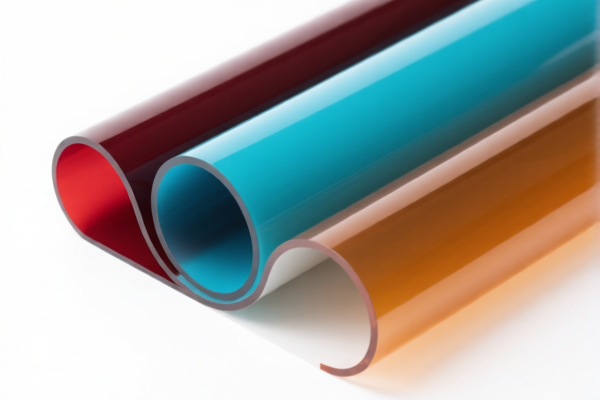
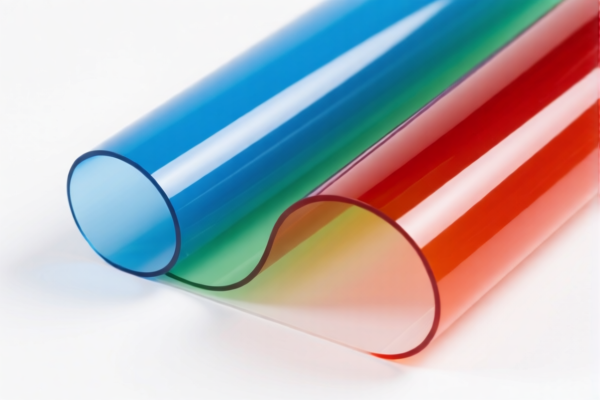
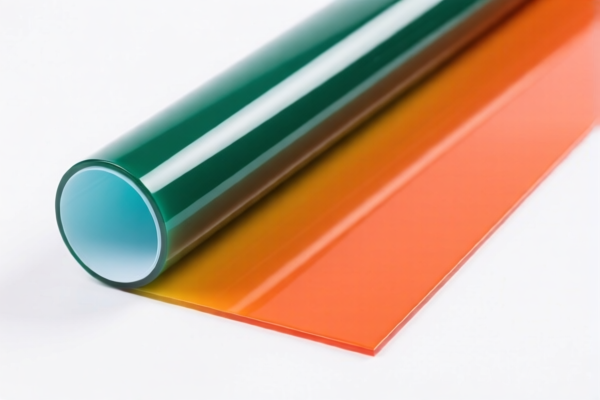
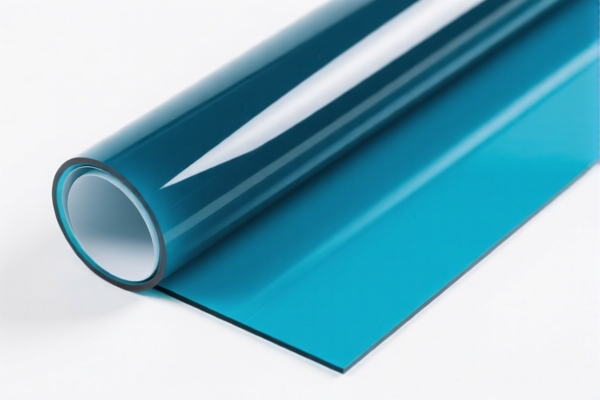
AI Analysis
🧪 Aromatic Resin Film (聚芳香族树脂膜)
🌐 HS Code Reference & Customs Clearance Guide | 2026 Latest Tariff Analysis | Professional Strategy for US-China Trade
📌 I. Product Definition & Classification: What is "Aromatic Resin Film"?
Aromatic Resin Film refers to plastic films manufactured from aromatic resins, typically characterized by high thermal stability, chemical resistance, and mechanical strength. In international trade, the classification depends heavily on the chemical composition (polyester vs. amino resin) and the physical form (primary shapes/films).
⚠️ Key Classification Distinction:
- If the resin is an Aromatic Polyester (e.g., Polyethylene Terephthalate - PET, or similar polyesters with aromatic units): It falls under Chapter 39, Heading 3907. - If the resin is an Amino Resin or generic Polymer/Aromatic Monomer Unit: It may fall under Heading 3909 (Amino-resins) or Heading 3911 (Bona-fide resins not elsewhere specified). - Crucial Note: Even if it is a "film," customs often classify resins by their chemical nature first. If it is not specifically listed as "films" in a dedicated heading (like 3920 for other plastics), it is classified as the resin itself in primary form or "other" plastics. The provided data suggests classification under resin headings (3907, 3909, 3911) rather than film headings.
📦 II. HS Code Classification Details (2026 Latest Tariff Authority)
Based on the provided data, here are the 5 potential HS Codes for Aromatic Resin Film, assuming it is treated as a resin in primary form or "other" plastic material:
| HS Code | Product Description & Summary | Total Tax Rate (China Origin) | Tax Breakdown Details |
|---|---|---|---|
3907.99.20.00 |
Aromatic Polyesters Belongs to polyester class / Aromatic polyesters, fits "primary forms" classification. |
35.0% | Base: 0.0% Section 301 (Additional): 25.0% Section 122: 10% |
3909.39.00.00 |
Other Amino Resins Belongs to amino/polyurethane resin范畴, fits "other amino resins" attribute. |
41.5% | Base: 6.5% Section 301 (Additional): 25.0% Section 122: 10% |
3909.40.00.00 |
Other Amino Resins Resin category, no form or use conflict. |
41.5% | Base: 6.5% Section 301 (Additional): 25.0% Section 122: 10% |
3911.90.45.00 |
Other Resins Contains aromatic monomer units, fits core material requirements. |
40.8% | Base: 5.8% Section 301 (Additional): 25.0% Section 122: 10% |
3907.99.50.50 |
Other Polyesters Belongs to "other polyesters," no form/use conflict. |
41.5% | Base: 6.5% Section 301 (Additional): 25.0% Section 122: 10% |
🔍 Key Insight:
- The lowest tariff (35.0%) is found under3907.99.20.00if the aromatic resin is chemically defined as an Aromatic Polyester. - The highest tariff (41.5%) applies to amino resins (3909.39.00.00/3909.40.00.00) and other polyesters (3907.99.50.50). - Section 301 (25%) and Section 122 (10%) are mandatory add-ons for Chinese-origin goods, significantly increasing the cost.
💰 III. 2026 Latest Tariff Rate Details (Including Surcharges & Policy Add-ons)
✅ Applicable Country: USA (US)
✅ Country of Origin: China (CN)
✅ Effective Date: Current (2025-2026)
🎯 1. 3907.99.20.00 – Aromatic Polyesters (Lowest Rate: 35.0%)
| Item | Content |
|---|---|
| Base Tariff | 0.0% (Ad Valorem) |
| USITC Additional Tariff (Sec. 301) | +25.0% |
| IEEPA Additional Tariff (Sec. 122) | +10.0% (For China/HK products, effective from Nov 10, 2025) |
| Total Rate | 35.0% |
| Calculation | CIF Value × 35.0% |
| De Minimis Exemption? | ❌ No (deny_de_minimis applies to high-tariff items) |
| Legal Path | IEEPA:9903.01.25 → USITC:3907.99.20.00 → FOOTNOTE:9903.88.01 |
📌 Explanation:
- This is the most favorable rate if your product is chemically an aromatic polyester. - Even with a 0% base tariff, the 35% total is substantial. - Section 122 (10%) is a recent addition targeting specific Chinese imports, applied alongside Section 301.
🎯 2. 3909.39.00.00 & 3909.40.00.00 – Amino Resins (Rate: 41.5%)
| Item | Content |
|---|---|
| Base Tariff | 6.5% |
| USITC Additional Tariff (Sec. 301) | +25.0% |
| IEEPA Additional Tariff (Sec. 122) | +10.0% |
| Total Rate | 41.5% |
| Calculation | CIF Value × 41.5% |
| De Minimis Exemption? | ❌ No |
| Legal Path | IEEPA:9903.01.25 → USITC:3909.xx.xx.xx → FOOTNOTE:9903.88.01 |
📌 Note:
- Higher base rate (6.5%) makes this category more expensive. - Applies if the resin is classified as an amino resin or if the "aromatic" nature is not primary enough for Chapter 3907.
🎯 3. 3911.90.45.00 – Other Resins (Rate: 40.8%)
| Item | Content |
|---|---|
| Base Tariff | 5.8% |
| USITC Additional Tariff (Sec. 301) | +25.0% |
| IEEPA Additional Tariff (Sec. 122) | +10.0% |
| Total Rate | 40.8% |
| Calculation | CIF Value × 40.8% |
| De Minimis Exemption? | ❌ No |
📌 Note:
- A "catch-all" category for resins containing aromatic monomer units. - Rate is slightly lower than amino resins due to a lower base (5.8% vs 6.5%), but still high.
🎯 4. 3907.99.50.50 – Other Polyesters (Rate: 41.5%)
| Item | Content |
|---|---|
| Base Tariff | 6.5% |
| USITC Additional Tariff (Sec. 301) | +25.0% |
| IEEPA Additional Tariff (Sec. 122) | +10.0% |
| Total Rate | 41.5% |
| Calculation | CIF Value × 41.5% |
| De Minimis Exemption? | ❌ No |
📌 Note:
- Used if the polyester does not fit the specific "aromatic polyester" subheading (3907.99.20.00).
🛠️ IV. Customs Clearance Practical Advice (Real-World Pitfall Guide)
✅ 1. Preparation Checklist (Essential)
| Document | Required | Purpose |
|---|---|---|
| ✅ Chemical Composition Report | ✔️ | Critical to prove "Aromatic Polyester" vs. "Amino Resin" vs. "Other". |
| ✅ Material Safety Data Sheet (MSDS) | ✔️ | Confirms chemical nature and handling. |
| ✅ Product Photographs | ✔️ | Show film structure, packaging, and labels. |
| ✅ Commercial Invoice | ✔️ | Clearly state "Aromatic Resin Film, Polymeric Material, Not Elsewhere Specified". |
| ✅ Certificate of Origin (CO) | ✔️ | Prove China origin (triggers Section 301/122). |
| ✅ Third-Party Lab Test | ✔️ | Verify monomer units (e.g., Terephthalic acid, Bisphenol A) to support HS Code. |
✅ 2. Declaration Tips (Key Mantras)
🔥 "Chemistry is King, Form is Secondary, Name it Right, Taxes Light!"
| Scenario | Correct Declaration | Wrong Practice |
|---|---|---|
| Product is PET Film (Aromatic Polyester) | 3907.99.20.00 (35%) |
Misdeclare as "Amino Resin" → 41.5% |
| Product is Epoxy/Amino Resin Film | 3909.39.00.00 (41.5%) |
Misdeclare as "Polyester" → Risk of penalty |
| Product is General Plastic Film | 3911.90.45.00 (40.8%) |
Ambiguous name → Delayed clearance |
| Packaging includes Solvents/Adhesives | Declare as Resin Film only | Over-declaring → Higher duty base |
📌 Critical Advice:
- Do NOT declare as "Plastic Film" (Chapter 3920) unless it is explicitly listed. The data provided forces classification under Resin headings (3907, 3909, 3911). - Specify the Monomer: Use terms like "Polyethylene Terephthalate (PET)" or "Bisphenol-A Based" to guide customs toward the correct subheading.
✅ 3. Special Circumstances
| Situation | Handling Advice |
|---|---|
| Mixed Composition | If the film contains fillers or additives >5%, consult a customs broker. May still qualify under resin heading if resin is core. |
| Sample Shipments | No De Minimis Exemption applies due to high tariff rates. Declare fully. |
| USMCA Origin | If produced in USA, Mexico, or Canada, Section 301/122 do not apply. Check local rules of origin for preferential 0% or low rates. |
| Pre-Ruling | Highly Recommended: Apply for an Advance Ruling from CBP to confirm the HS Code (3907.99.20.00 vs. others). |
🌍 V. Global Market Comparison (2026 Latest)
| Country/Region | Recommended HS Code | Tariff (China Origin) | Certification | Notes |
|---|---|---|---|---|
| 🇺🇸 USA | 3907.99.20.00 |
35.0% (Best Case) | No specific | High tariffs due to Sec 301 & 122. |
| 🇨🇳 China | 3907.99.20.00 |
0%~6.5% | CCC (if applicable) | Lower base rates. |
| 🇪🇺 EU | 3907.99.00 |
~5.3% | REACH, RoHS | No Section 301/122. |
| 🇯🇵 Japan | 3907.99.00 |
3.5%~6.0% | PSE (if electrical) | Moderate rates. |
| 🇬🇧 UK | 3907.99.00 |
~5.0% | UKCA | Post-Brexit changes. |
📌 Conclusion:
- USA is the most expensive market due to 35%~41.5% total duties. - Diversify Supply Chain: Consider sourcing from Vietnam, Thailand, or Mexico to avoid Section 301/122 tariffs. - Optimize HS Code: Fight for3907.99.20.00(35%) over3909(41.5%) via chemical documentation.
📌 VI. Common Mistakes & Pitfalls (Lessons Learned)
❌ Mistake 1: Declaring as "Plastic Sheet" (3920)
👉 Result: Customs reclassifies to Resin (3907/3909) → Back taxes + Penalties.
👉 Lesson: If it's not a specific plastic film type, default to resin classification.
❌ Mistake 2: Ignoring Section 122 (10%)
👉 Result: Underpayment by 10% → Audit & Fines.
👉 Lesson: Always add 10% for China-origin goods under recent rules.
❌ Mistake 3: Using "Aromatic Resin" without chemical proof
👉 Result: Customs assigns "Other Resins" (3911) or Amino Resins (3909) → Higher Rate (40.8%~41.5%).
👉 Lesson: Provide lab reports to justify "Aromatic Polyester" (35%).
✅ Correct Approach:
"Aromatic Polyester Film, Primary Form, Contains Terephthalic Acid Units, Model XYZ, MSDS Attached."
🎯 VII. Conclusion: Precision Classification Saves Money!
🎯 Remember the Mantra:
🔹 "Polyester 35%, Amino 41.5%, Base 0-6.5%, Add 35% Total."
🔹 "Chemical Proof is Key, Avoid 41.5%, Aim for 35%."
📌 Pro Tip:
If your Aromatic Resin Film is produced in Vietnam, Mexico, or Thailand, you may avoid Section 301/122 tariffs entirely.
✅ Action Plan:
1. Request Chemical Analysis from manufacturer.
2. Apply for CBP Advance Ruling for 3907.99.20.00.
3. Consider Supply Chain Shift to non-China origins if volume is high.
📣 Immediate Action:
📞 Contact a Customs Broker + Provide MSDS + Chemical Composition
🚀 Optimize your HS Code, Reduce Duty by 6.5%, Save Thousands!
✨ Professional Clearance Starts with Accurate Classification!
💼 Every Percent Counts in Global Trade!
Customer Reviews
About HS Code Classification
The Harmonized System (HS) is an internationally standardized nomenclature developed by the World Customs Organization (WCO) to classify traded products. Over 200 countries use the HS system as the basis for customs tariffs, trade statistics, and import/export regulations.
Each HS code follows a hierarchical structure:
- Chapter (2 digits) — Broad category of goods (e.g., Chapter 84: Machinery and Mechanical Appliances)
- Heading (4 digits) — More specific grouping within the chapter
- Subheading (6 digits) — Internationally standardized breakdown, used by all WCO member countries
- National subdivisions (8-10 digits) — Country-specific extensions for further classification, such as US HTSUS 10-digit codes
Correct HS code classification is essential for smooth customs clearance, accurate duty payment, and compliance with trade regulations. Misclassification can lead to customs delays, overpayment of duties, or penalties.
When importing from CN to US, the applicable tariff rates may include:
- Most-Favored-Nation (MFN) rate — The standard duty rate applied to WTO members
- General rate — Applied to countries without trade agreements
- Trade remedy duties — Additional tariffs such as Section 301 (anti-dumping), Section 232 (national security), or countervailing duties
The information provided on this page is for reference purposes only. For official classification, please consult with your local customs authority or a licensed customs broker.