Art Display Album
CN → US| HS Code | Tariff Rate | Origin | Destination | Doc |
|---|---|---|---|---|
| 4820102060 | 35.0% | CN | US | Official Doc |
| 4823904000 | 35.0% | CN | US | Official Doc |
| 3926904800 | 13.4% | CN | US | Official Doc |
| 4820500000 | 35.0% | CN | US | Official Doc |
| 3926400090 | 15.3% | CN | US | Official Doc |
Product Images

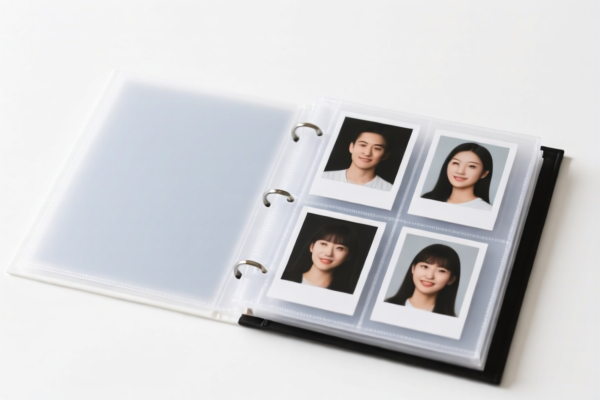
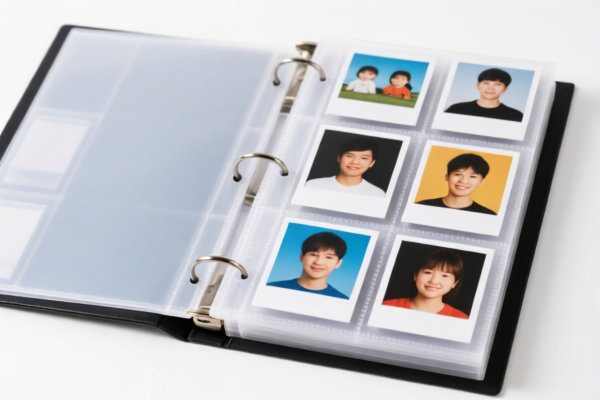
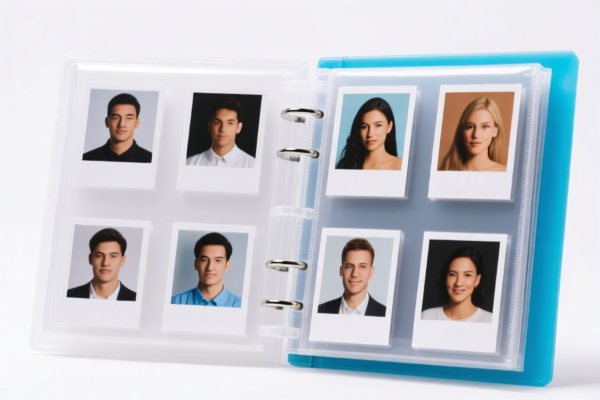
AI Analysis
🖼️ Art Display Album (Art Album / Photo Album)
🌐 HS Code Reference & Customs Clearance Guide | 2026 Latest Tariff Analysis | Professional Entry Strategy
📌 1. Product Definition: What Exactly is an "Art Display Album"?
An Art Display Album is a versatile container designed to showcase, preserve, and organize visual media (photographs, artworks, slides, sketches). In international trade, the Harmonized System (HS) classification depends entirely on the material composition and the primary functional attribute of the product.
There is no single "Art Album" HS Code. Misclassification is the most common cause of customs delays for this product category.
⚠️ Key Distinction Points:
- Paper/Cardboard Body: If the cover, pages, and binding are primarily paper-based, it falls under Chapter 48.
- Plastic Body: If the cover, pockets, or structure are primarily plastic, it falls under Chapter 39.
- Decorative/Non-Functional: If it is rigid, plastic, and used primarily for static display rather than page insertion, it may be classified as a Plastic Ornament.
📦 2. HS Code Classification Matrix (2026 Latest Tariff Data)
Based on the provided data, here are the 5 possible classifications for an Art Display Album, ranging from paper-based to plastic-based, with corresponding tax implications.
| HS Code | Product Description & Material Inference | Application Scenario | Primary Material |
|---|---|---|---|
4820.10.20.60 |
Notebooks & Similar Articles, Collated Binders, notebooks, letter pads, memorandum pads, diaries, address books, composition books and the like. |
Standard paper-based albums, bound sketchbooks, or traditional photo albums with paper covers. | 📄 Paper/Cardboard |
4823.90.40.00 |
Other Paper, Paperboard, Cellulose Wadding and Webs of Cellulosic Fibers, Cut to Size or Shape Inferred as paper products based on album form; consistent with slide base functions. |
Albums where the primary function is treated as a specific paper product (e.g., slide mounts, specific paper-based display boards). | 📄 Paper/Cardboard |
3926.90.48.00 |
Other Articles of Plastics and Articles of Other Materials of Heading 3901 to 3914 Matches album use and form; inferred material is plastic or similar. |
Plastic cover albums, plastic pocket albums, or albums with significant plastic components (sleeves, binders). | 🧴 Plastic |
4820.50.00.00 |
Notebooks, Account Books, Order Books, Receipt Books, Letter Pads, Memorandum Pads, Diaries, Address Books and the Like Sample Books / Collection Books. |
Premium paper albums, sample books for artists, or collection albums where the "paper sample" aspect is dominant. | 📄 Paper/Cardboard |
3926.40.00.90 |
Other Articles of Plastics Matches ornament display; inferred material is plastic/synthetic. |
Rigid plastic displays, acrylic art holders, or plastic frames that function as "albums" but are essentially decorative/static displays. | 🧴 Plastic/Synthetic |
🔍 Critical Insight:
- Paper Albums (4820,4823) are heavily targeted by Section 301 Tariffs (25%) and 122 Clause Tariffs (10%).
- Plastic Albums (3926) generally face lower base tariffs but still carry the 122 Clause Tariff (10%).
- Do not mix materials in one declaration unless explicitly allowed. If an album has a plastic cover and paper pages, customs may classify it based on the essential character (often the cover).
💰 3. 2026 Tariff Rate Breakdown (Detailed Tax Analysis)
✅ Applicable Country: United States (US)
✅ Origin: China (CN)
✅ Effective Date: 2025/2026 (Current Policy)
🎯 Category A: Paper-Based Albums
(HS Codes: 4820.10.20.60, 4823.90.40.00, 4820.50.00.00)
These items are subject to the highest combined tariffs due to trade policy measures.
| Item | Content |
|---|---|
| Base Tariff | 0.0% (Most paper products have low base MFN rates) |
| Section 301 Tariff | +25.0% (Additional duties on Chinese imports) |
| Section 122 Tariff | +10.0% (Specific provision for certain consumer goods) |
| Total Effective Rate | 35.0% |
| Tax Calculation | CIF Value × 35% |
| De Minimis Exemption | ❌ Not Eligible |
| Legal Path | USITC:4820.xxxx → FOOTNOTE:Section301 → IEEPA:122Clause |
📌 Explanation:
- Despite a 0% base rate, the addition of 25% (Section 301) and 10% (122 Clause) results in a steep 35% effective duty.
- This applies to all three paper-based HS codes in the provided data.
- Risk: High. Paper albums are common gift items, making them a frequent target for customs scrutiny.
🎯 Category B: Plastic-Based Albums
(HS Codes: 3926.90.48.00, 3926.40.00.90)
Plastic-based albums enjoy lower base tariffs but still incur the 122 Clause tariff.
1. 3926.90.48.00 (Plastic Articles, Other)
| Item | Content |
|---|---|
| Base Tariff | 3.4% |
| Section 301 Tariff | 0.0% (Some plastic items are excluded from 25% or have different treatment) |
| Section 122 Tariff | +10.0% |
| Total Effective Rate | 13.4% |
| Tax Calculation | CIF Value × 13.4% |
2. 3926.40.00.90 (Plastic Ornaments/Decorations)
| Item | Content |
|---|---|
| Base Tariff | 5.3% |
| Section 301 Tariff | 0.0% |
| Section 122 Tariff | +10.0% |
| Total Effective Rate | 15.3% |
| Tax Calculation | CIF Value × 15.3% |
📌 Explanation:
- Significant Savings: Switching from paper (4820) to plastic (3926) can reduce taxes from 35% to 13.4%-15.3%.
- Caveat: This is only valid if the product is primarily plastic. Misdeclaring a paper album as plastic to save tax is customs fraud.
- 122 Clause Applies: Even plastic items are not exempt from the 10% surcharge.
🛠️ 4. Customs Clearance Practical Advice (Actionable Strategy)
✅ 1. Material Verification is Key
| Scenario | Recommended HS Code | Tax Rate | Action |
|---|---|---|---|
| Paper Cover + Paper Pages | 4820.10.20.60 or 4820.50.00.00 |
35% | Accept high tax or redesign. |
| Plastic Cover + Plastic Sleeves | 3926.90.48.00 |
13.4% | Optimal Choice for cost savings. |
| Rigid Plastic Display Case | 3926.40.00.90 |
15.3% | If it doesn't hold removable pages, use this. |
| Mixed Material (e.g., Paper Cover, Plastic Binders) | Depends on "Essential Character" | 13.4% - 35% | CRITICAL: If plastic components define the product's use, argue for 3926. |
🚀 Cost-Saving Tip:
If your product is not strictly required to be paper (e.g., for archival reasons), consider switching to high-quality PVC or PET plastic albums. This alone can save ~20-22% in duties.
✅ 2. Declaration Best Practices
| Item | Best Practice | Avoid |
|---|---|---|
| Product Name | "Plastic Photo Album, Clear PVC, 30 Pockets" | "Art Album" (Too vague) |
| Description | "Household accessory for display; Made of PVC" | "Gift Item" (Triggers scrutiny) |
| Material Breakdown | Specify: "Cover: 70% Plastic, Pages: 30% Plastic" | "Mixed Materials" (No breakdown) |
| Function | "For storing and displaying photographs" | "For storing art" (May imply paper) |
✅ 3. Documentation Checklist
- [ ] Product Samples: Provide both paper and plastic versions if claiming plastic classification.
- [ ] Material Test Report: Third-party lab report confirming plastic composition (if claiming
3926). - [ ] Photos: Clear images showing the plastic binders, pockets, or cover.
- [ ] Commercial Invoice: Must state material composition explicitly (e.g., "100% Polypropylene").
- [ ] Packing List: Ensure no paper items are included in the same shipment if declaring as plastic (or declare separately).
🌍 5. Global Market Comparison (2026)
| Market | Recommended HS Code | Est. Tax Rate | Notes |
|---|---|---|---|
| 🇺🇸 USA | 3926.90.48.00 |
13.4% | Best for plastic albums. Paper albums face 35%. |
| 🇨🇳 China | 4820.10.20.00 |
8-12% | Lower tariffs for paper; plastic may vary. |
| 🇪🇺 EU | 4820.10.00 |
6.5% | No 25% Section 301 equivalent, but 122 Clause doesn't apply. |
| 🇬🇧 UK | 4820.10.00 |
6.5% | Post-Brexit rates similar to EU pre-tariff levels. |
| 🇯🇵 Japan | 4820.10.00 |
5% | Low base tariff; no major anti-dumping duties on albums. |
📌 Conclusion:
- The US market is the most punitive for paper-based albums due to Section 301 tariffs.
- Plastic-based albums are significantly more competitive in the US market (13.4% vs 35%).
- For other markets (EU, UK, JP), the difference is less critical, but accuracy still matters for VAT/Duty calculations.
📌 6. Common Errors & Pitfalls (Blood & Tears Lessons)
❌ Error 1: Declaring a Paper Album as 3926.90.48.00 to save tax.
👉 Consequence: Customs audit → Seizure of goods → Penalty + Back Taxes + 122 Clause fines.
❌ Error 2: Using vague descriptions like "Gift Set" for a mix of paper and plastic.
👉 Consequence: Customs assigns highest tariff (35%) or rejects entry.
❌ Error 3: Ignoring the 122 Clause.
👉 Consequence: Even if base tariff is 0%, you still owe 10%. Many importers forget this surcharge.
✅ Correct Approach:
"Plastic Photo Album, Clear PVC, 50 Pages, for Retail Display"
HS Code:3926.90.48.00
Duty: 13.4% (3.4% Base + 10% 122 Clause)
🎯 7. Final Recommendation
🎯 Strategic Advice for Importers:
1. If you can switch materials: Change from Paper to Plastic to reduce US duty from 35% → 13.4%.
2. If you must use paper: Budget for the 35% effective tariff. Consider Duty Drawback programs if the products are re-exported.
3. Always Verify Material: If your album has a paper cover but plastic binders, consult a customs broker to argue for Essential Character as plastic.
4. Pre-Arbitration: For large volumes, apply for a Binding Tariff Information (BTI) ruling in the US to lock in the 13.4% rate for plastic albums.
📣 Immediate Action:
📞 Contact a Customs Broker with physical samples.
🚀 Re-evaluate Packaging: Can you switch to plastic to save 22% in duties?
📝 Update Invoices: Ensure "Plastic" or "Paper" is explicitly stated in the description.
✨ Professional Clearance Starts with Precision!
💼 Your Cost, Optimized. Your Risk, Minimized.
Customer Reviews
About HS Code Classification
The Harmonized System (HS) is an internationally standardized nomenclature developed by the World Customs Organization (WCO) to classify traded products. Over 200 countries use the HS system as the basis for customs tariffs, trade statistics, and import/export regulations.
Each HS code follows a hierarchical structure:
- Chapter (2 digits) — Broad category of goods (e.g., Chapter 84: Machinery and Mechanical Appliances)
- Heading (4 digits) — More specific grouping within the chapter
- Subheading (6 digits) — Internationally standardized breakdown, used by all WCO member countries
- National subdivisions (8-10 digits) — Country-specific extensions for further classification, such as US HTSUS 10-digit codes
Correct HS code classification is essential for smooth customs clearance, accurate duty payment, and compliance with trade regulations. Misclassification can lead to customs delays, overpayment of duties, or penalties.
When importing from CN to US, the applicable tariff rates may include:
- Most-Favored-Nation (MFN) rate — The standard duty rate applied to WTO members
- General rate — Applied to countries without trade agreements
- Trade remedy duties — Additional tariffs such as Section 301 (anti-dumping), Section 232 (national security), or countervailing duties
The information provided on this page is for reference purposes only. For official classification, please consult with your local customs authority or a licensed customs broker.