Artificial Fiber Duck Fabric (For Furniture)
CN → US| HS Code | Tariff Rate | Origin | Destination | Doc |
|---|---|---|---|---|
| 5515190035 | 47.0% | CN | US | Official Doc |
| 5407922090 | 49.9% | CN | US | Official Doc |
| 5407912090 | 49.9% | CN | US | Official Doc |
| 6304930000 | 49.9% | CN | US | Official Doc |
| 5515999035 | 43.5% | CN | US | Official Doc |
Product Images
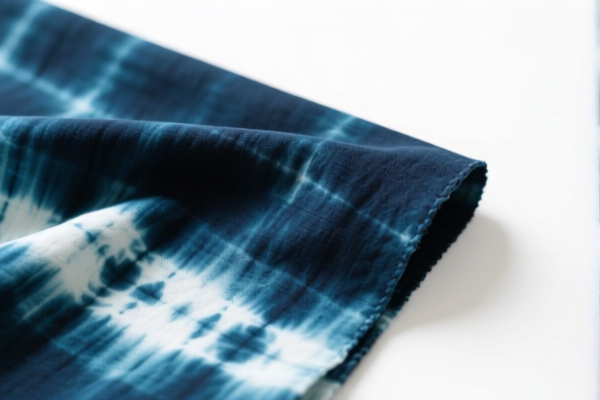
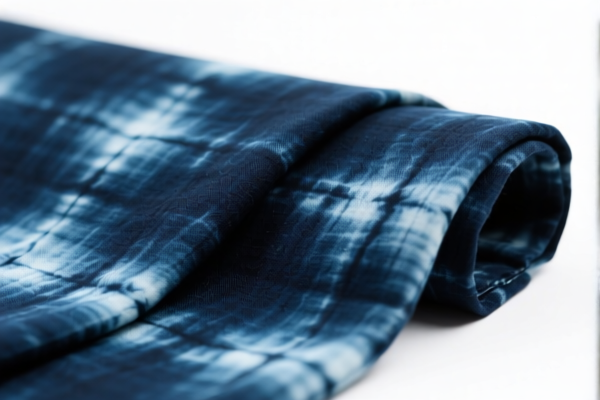
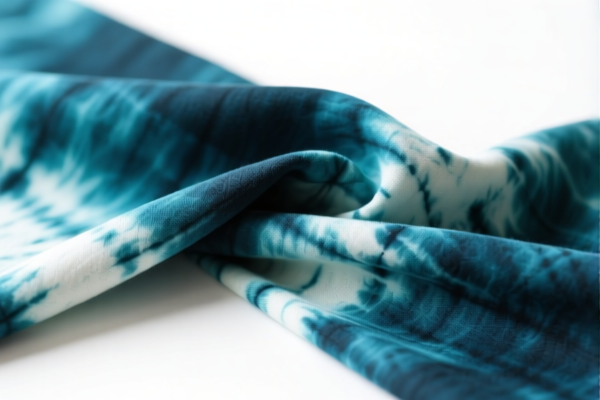
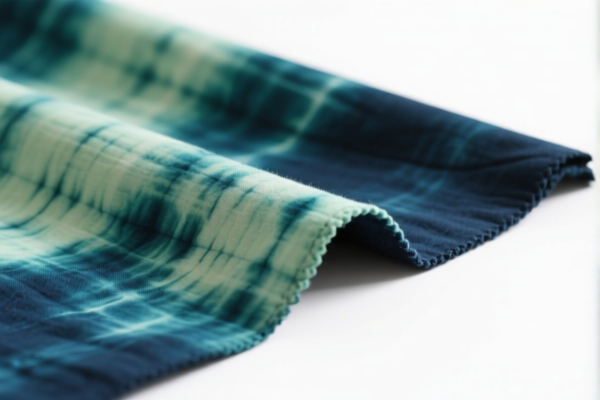
AI Analysis
🛋️ Artificial Fiber Duck Fabric (For Furniture Decoration)
🌐 HS Code Reference & Clearance Guide | 2026 Latest Tariff Analysis | Professional Compliance Strategy
📌 I. Product Definition & Classification: Do You Really Know "Artificial Fiber Duck Fabric"?
"Artificial Fiber Duck Fabric" in the context of furniture decoration refers to woven textiles made from synthetic or man-made fibers, designed for upholstery, covers, and interior furnishings. In international trade, the classification depends heavily on the exact fiber composition (Synthetic vs. Man-Made) and the specific fabric structure.
Key Distinctions: * Synthetic Fibers (Polyester, Nylon, etc.): Often classified under Chapter 54 or 55 depending on filament vs. staple fiber. * Man-Made Fibers (Rayon, Viscose, etc.): Classified under Chapter 55. * Finished Goods vs. Raw Fabric: If the fabric is cut/sewn into a finished furniture cover, it may fall under Chapter 63. If it remains as raw fabric rolls, it stays in Chapters 54/55.
⚠️ Critical Classification Point:
- If it is a woven fabric made of synthetic fibers (e.g., polyester duck canvas) → Likely 5515.99.90.35 or 5407 series.
- If it is a woven fabric made of man-made fibers (e.g., viscose duck) → Likely 5515.19.00.35 or 5407 series.
- If it is a finished non-knitted article (e.g., pre-sewn cushion cover) → Likely 6304.93.00.00.
📦 II. HS Code Classification Details (2026 Latest Tariff Authority Cross-Reference)
Based on the provided data, here are the four possible HS Codes for "Artificial Fiber Duck Fabric for Furniture," categorized by material and form:
| HS Code | Product Description | Application Scenario | Material/Form Match |
|---|---|---|---|
5515.19.00.35 |
Artificial Fiber Duck Canvas, for Furniture Decoration | Woven fabric made of man-made fibers (e.g., rayon/visose) | ✅ Match: Man-made fiber, woven form |
5407.92.20.90 |
Synthetic Fiber Fabric, for Furniture Decoration | Woven fabric made of synthetic fibers, other category | ✅ Match: Synthetic fiber, woven form |
5407.91.20.90 |
Artificial Fiber Fabric, for Furniture Decoration | Woven fabric made of artificial/man-made fibers, other category | ✅ Match: Man-made fiber, woven form |
6304.93.00.00 |
Non-knitted or Crocheted Furniture Furnishings | Finished non-knitted articles (e.g., covers, slipcovers) made of synthetic fibers | ✅ Match: Synthetic fiber, non-knitted finished good |
5515.99.90.35 |
Synthetic Fiber Woven Fabric, for Canvas Use | Woven fabric made of synthetic fibers, specifically for duck/canvas applications | ✅ Match: Synthetic fiber, woven canvas form |
🔍 Key Reminder:
- If you are shipping rolls of fabric, choose from 5515 or 5407 series.
- If you are shipping pre-sewn furniture covers, choose 6304.93.00.00.
- Misclassifying a finished cover as raw fabric can lead to underpayment of duties, as Chapter 63 often carries different duty structures than Chapter 55/54.
💰 III. 2026 Latest Tariff Rate Breakdown (Including Additional Taxes & Policy Surcharges)
✅ Applicable Country: United States (US)
✅ Origin: China (CN)
✅ Effective Date: 2025/2026 Tariff Regime
🎯 1. 5515.19.00.35 – Artificial Fiber Duck Canvas (Man-Made Fiber)
| Item | Content |
|---|---|
| Base Duty | 12.0% |
| Section 301 Additional Duty | +25.0% |
| Section 122 Tariff | +10.0% |
| Total Tax Rate | 47.0% |
| Tax Calculation | CIF Value × 47.0% |
| De Minimis Eligibility | ❌ Not Applicable (High duty rate excludes de minimis exemption) |
| Legal Basis Path | Base Duty 12% + 301 (25%) + Section 122 (10%) |
📌 Explanation:
- Base 12%: Standard MFN duty for artificial fiber woven fabrics.
- 25% Section 301: Retaliatory tariff on Chinese manufactured goods.
- 10% Section 122: Additional tariff under Section 122 (National Security/Emergency powers).
- Total 47%: This is a high-cost category. Accurate documentation of fiber content (man-made vs. synthetic) is crucial to avoid penalties.
🎯 2. 5407.92.20.90 & 5407.91.20.90 – Synthetic/Artificial Fiber Woven Fabrics
| Item | Content |
|---|---|
| Base Duty | 14.9% |
| Section 301 Additional Duty | +25.0% |
| Section 122 Tariff | +10.0% |
| Total Tax Rate | 49.9% |
| Tax Calculation | CIF Value × 49.9% |
| De Minimis Eligibility | ❌ Not Applicable |
| Legal Basis Path | Base Duty 14.9% + 301 (25%) + Section 122 (10%) |
📌 Note:
- Both5407.92(Synthetic) and5407.91(Artificial) carry the highest tax burden at 49.9%.
- These codes are for "other" woven fabrics in the 5407 chapter. Ensure your product does not fit better into the more specific5515or5515.99categories to potentially save 1-6%.
🎯 3. 6304.93.00.00 – Non-knitted Furniture Furnishings (Finished Goods)
| Item | Content |
|---|---|
| Base Duty | 14.9% |
| Section 301 Additional Duty | +25.0% |
| Section 122 Tariff | +10.0% |
| Total Tax Rate | 49.9% |
| Tax Calculation | CIF Value × 49.9% |
| De Minimis Eligibility | ❌ Not Applicable |
| Legal Basis Path | Base Duty 14.9% + 301 (25%) + Section 122 (10%) |
📌 Caution:
- This code is for finished articles (like pillows, slipcovers).
- If you ship raw fabric but declare it as "furniture furnishings," customs may reject it for mismatched description.
- If you ship finished covers, this is the correct code, but the 49.9% rate applies.
🎯 4. 5515.99.90.35 – Synthetic Fiber Woven Fabric (Canvas/Duck Specific)
| Item | Content |
|---|---|
| Base Duty | 8.5% |
| Section 301 Additional Duty | +25.0% |
| Section 122 Tariff | +10.0% |
| Total Tax Rate | 43.5% |
| Tax Calculation | CIF Value × 43.5% |
| De Minimis Eligibility | ❌ Not Applicable |
| Legal Basis Path | Base Duty 8.5% + 301 (25%) + Section 122 (10%) |
📌 Optimization Insight:
- This code has the lowest total rate at 43.5%.
- If your product is synthetic (e.g., polyester) and explicitly used as duck/canvas, this is the most cost-effective classification.
- Ensure your technical sheet explicitly states "Synthetic Fiber" and "Duck/Canvas Weave" to qualify for this lower base duty.
🛠️ IV. Customs Clearance Operational Advice (Practical Pitfall Avoidance Guide)
✅ 1. Required Documentation Checklist (Non-Negotiable)
| Document | Must Provide | Explanation |
|---|---|---|
| ✅ Product Specification Sheet | ✔️ | Must detail fiber content (e.g., 100% Polyester), weave type, GSM, and width. |
| ✅ Fiber Content Test Report | ✔️ | Third-party lab report confirming "Artificial" vs. "Synthetic" is critical for correct HS code. |
| ✅ Product Photos (Rolls/Finished) | ✔️ | Show texture, label, and any branding. Distinguish between raw fabric and finished goods. |
| ✅ Commercial Invoice | ✔️ | Clearly state: "Artificial Fiber Woven Fabric for Furniture Use" or "Furniture Slipcovers". |
| ✅ Packing List | ✔️ | Specify weight (Gross/Net) and dimensions. Critical for CIF calculation. |
| ✅ Certificate of Origin (CO) | ✔️ | Required for duty calculation; verify if any preferential treatment applies (unlikely for China-US). |
✅ 2. Declaration Tips (Key Mantras)
🔥 “Fiber Type Defines Duty, Form Defines Code, Accuracy Saves 6%!”
| Scenario | Correct Declaration | Wrong Approach |
|---|---|---|
| Raw Fabric Rolls (Synthetic) | 5515.99.90.35 (43.5%) |
Misdeclare as 5407 (49.9%) → Loss of 6.4% |
| Raw Fabric Rolls (Man-Made) | 5515.19.00.35 (47.0%) |
Misdeclare as 5515.99 (43.5%) → Audit Risk |
| Finished Covers (Synthetic) | 6304.93.00.00 (49.9%) |
Declare as fabric → Mismatched Description |
| Mixed Fiber Fabric | Test report required to determine dominant fiber | Guessing "Artificial" → Penalty |
✅ 3. Special Situation Handling
| Situation | Handling Advice |
|---|---|
| OEM Custom Fabric | Provide OEM contract + design specs. Declare exact fiber content to avoid "Misclassification". |
| Blended Fibers | If >50% synthetic, use Synthetic code. If >50% artificial, use Artificial code. Test reports are mandatory. |
| Duty Minimization Strategy | If eligible, push for 5515.99.90.35 (43.5%) for synthetic duck fabric. It is the lowest risk/low cost option. |
| Finished vs. Raw | If the fabric is cut to size but not sewn, it may still be considered "fabric." If sewn, it is "furnishing." Be precise. |
🌍 V. Global Market Comparison (2026 Latest)
| Country/Region | Recommended HS Code | Total Tax Rate (China Origin) | Key Requirements | Remarks |
|---|---|---|---|---|
| 🇺🇸 USA | 5515.99.90.35 |
43.5% (Lowest) | Fiber Report, Labeling | 301 + 122 tariffs apply. |
| 🇨🇳 China | 5515.99.90.35 |
8.5% | CCC (if applicable) | Low base duty, no 301/122. |
| 🇪🇺 EU | 5515.99.90.35 |
6.5% | CE/RoHS (if finished) | No additional Section 301. |
| 🇬🇧 UK | 5515.99.90.35 |
6.5% | UKCA/RoHS | Post-Brexit tariffs apply. |
| 🇯🇵 Japan | 5515.99.90.35 |
7.7% | JIS Standards | Low additional taxes. |
📌 Conclusion:
- The US market is significantly more expensive due to Section 301 (25%) and Section 122 (10%) tariffs.
- Choosing the right HS code can save up to 6.4% of the CIF value (49.9% vs 43.5%).
- China-origin goods face no additional tariffs in EU/UK/Japan, making them competitive there.
📌 VI. Common Errors & Pitfall Guide (Blood Lessons)
❌ Error 1: Declaring Synthetic fabric as Artificial
👉 Consequence: Wrong HS code (5407 vs 5515) → Overpayment of 6.4% or Audit.
❌ Error 2: Declaring Finished Covers as Raw Fabric
👉 Consequence: Customs flags discrepancy between "Fabric" and "Sewn Items" → Delay/Return.
❌ Error 3: Ignoring Section 122 Tariff
👉 Consequence: Unexpected 10% charge at border if not pre-calculated → Cash flow issue.
❌ Error 4: Vague Description "Textile for Furniture"
👉 Consequence: Customs assigns highest default rate → 49.9% applied automatically.
✅ Correct Practice:
"Polyester Woven Duck Fabric, 100% Synthetic, for Furniture Upholstery, Unfinished, 60" Width, Roll Packing"
🎯 VII. Conclusion: Precision Classification, Cost Savings, Smooth Clearance!
🎯 Remember Mantras:
🔹 "Synthetic Duck = 5515.99 = 43.5% (Best Rate)"
🔹 "Artificial/Synthetic Other = 5407 = 49.9% (High Rate)"
🔹 "Finished Cover = 6304 = 49.9% (Check if Raw Fabric Fits)"
🔹 "Tariffs = Base (8.5-14.9%) + 301 (25%) + 122 (10%)"
📌 Pro Tip:
If your product is Polyester (Synthetic) and structured as Duck Canvas, aggressively pursue
5515.99.90.35for the 43.5% rate.
Provide a third-party fiber test report to support this classification and avoid disputes.
📣 Immediate Action:
📞 Contact a licensed customs broker + Provide Fiber Test Report + Apply for Advance Ruling if volume is high.
🚀 Maximize your profit margin by optimizing your HS code from 49.9% to 43.5%!
✨ Professional Clearance Starts with Accurate Classification!
💼 Every percentage point saved is pure profit!
Customer Reviews
About HS Code Classification
The Harmonized System (HS) is an internationally standardized nomenclature developed by the World Customs Organization (WCO) to classify traded products. Over 200 countries use the HS system as the basis for customs tariffs, trade statistics, and import/export regulations.
Each HS code follows a hierarchical structure:
- Chapter (2 digits) — Broad category of goods (e.g., Chapter 84: Machinery and Mechanical Appliances)
- Heading (4 digits) — More specific grouping within the chapter
- Subheading (6 digits) — Internationally standardized breakdown, used by all WCO member countries
- National subdivisions (8-10 digits) — Country-specific extensions for further classification, such as US HTSUS 10-digit codes
Correct HS code classification is essential for smooth customs clearance, accurate duty payment, and compliance with trade regulations. Misclassification can lead to customs delays, overpayment of duties, or penalties.
When importing from CN to US, the applicable tariff rates may include:
- Most-Favored-Nation (MFN) rate — The standard duty rate applied to WTO members
- General rate — Applied to countries without trade agreements
- Trade remedy duties — Additional tariffs such as Section 301 (anti-dumping), Section 232 (national security), or countervailing duties
The information provided on this page is for reference purposes only. For official classification, please consult with your local customs authority or a licensed customs broker.