Artificial Fiber Fashion Travel Bag
CN → US| HS Code | Tariff Rate | Origin | Destination | Doc |
|---|---|---|---|---|
| 6305390000 | 25.9% | CN | US | Official Doc |
| 6305900000 | 23.7% | CN | US | Official Doc |
| 4202923131 | 52.6% | CN | US | Official Doc |
| 4202923120 | 52.6% | CN | US | Official Doc |
Product Images
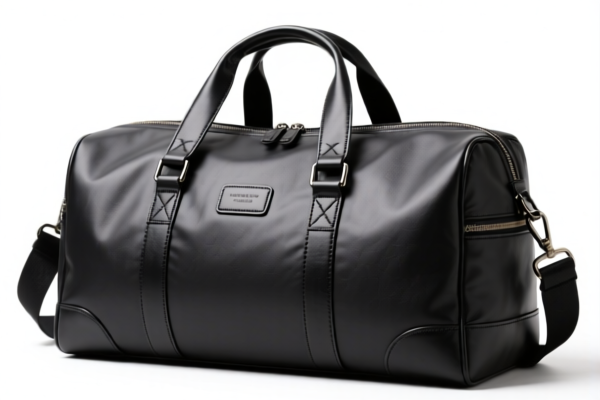
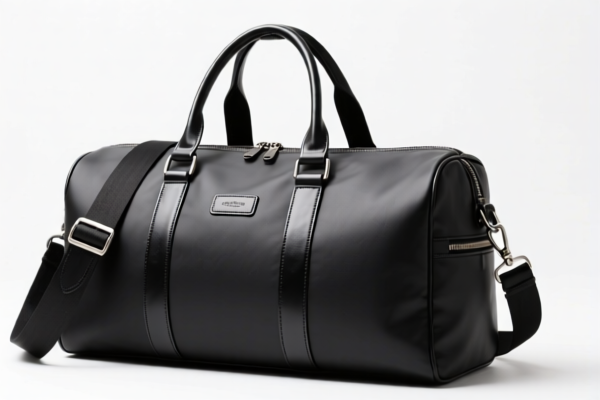
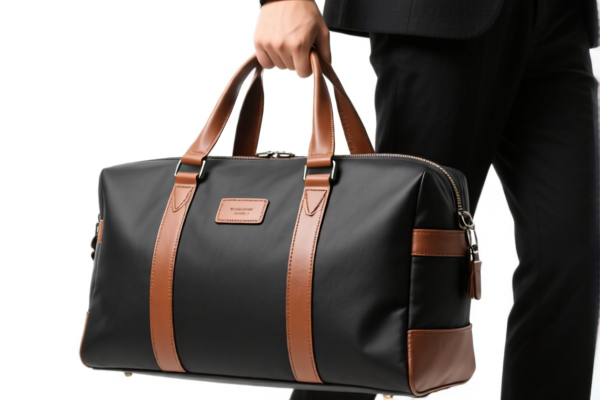
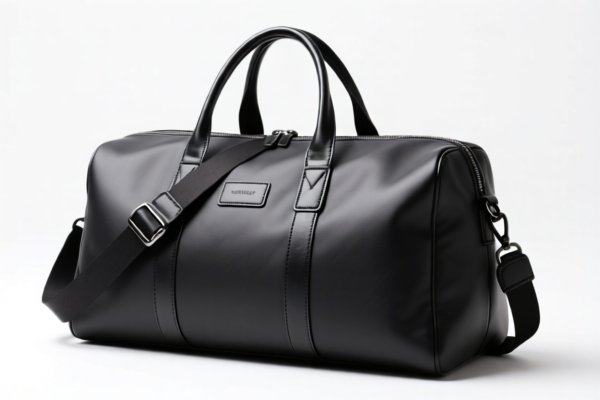
AI Analysis
👜 Artificial Fiber Fashion Travel Bag (人造纤维时尚旅行包)
🌐 HS Code Reference & Customs Clearance Guide | 2026 Latest Tariff Analysis | Professional Entry Strategy
📌 I. Product Definition & Classification: Do You Truly Understand "Travel Bags"?
An Artificial Fiber Fashion Travel Bag is a versatile accessory designed for carrying personal items during travel, sports, or daily use. In international trade, its classification hinges on two critical factors:
1. Material: Artificial fibers (synthetic/textile materials like nylon, polyester, rayon).
2. Function/Shape: Is it a general-purpose bag (Chapter 63) or a specific type of container (Chapter 42)?
⚠️ Key Classification Distinction:
- If the bag is made of textile materials (artificial fibers) and does not have a hard outer shell or leather trim → It likely falls under Chapter 63 (Other made-up textile articles).
- If the bag is classified as a travel/sport bag with specific structural features often associated with durable goods, it may fall under Chapter 42 (Articles of leather or of composition leather).📌 Critical Point:
- "Textile vs. Leather/Composition": Chapter 42 usually covers bags made of leather or "composition leather" (material resembling leather but made from fibers/flesh). However, pure artificial textile bags are often grouped under Chapter 63 unless specified otherwise as "travel bags" in specific subheadings.
- "Travel Bag" Definition: If labeled specifically as a "travel bag" made of artificial fiber, customs may scrutinize if it fits the precise description of 4202 (Trunks, suitcases, vanity cases...) or 6305 (Sacks and bags, for packaging).
📦 II. HS Code Classification Details (2026 Latest Tariff Authority Cross-Reference)
Based on the provided data, here are the four possible HS Codes with their descriptions and tax implications:
| HS Code | Product Description | Application Scenario | Material/Feature | Total Tax Rate |
|---|---|---|---|---|
6305.39.00.00 |
Artificial fiber travel bag, material is artificial textile, form is bag-like, belongs to other sub-items. | General textile bags, packaging sacks made of artificial fiber. | Artificial textile | 25.9% |
6305.90.00.00 |
Artificial fiber travel bag, form is bag, material is artificial fiber, fits other textile material classification. | Miscellaneous artificial fiber bags not specified elsewhere. | Artificial fiber | 23.7% |
4202.92.31.31 |
Artificial fiber travel bag, material is artificial fiber, use is travel-type bag, fully meets classification description. | Fashion travel bags, structured bags for travel. | Artificial fiber | 52.6% |
4202.92.31.20 |
Artificial fiber travel bag, material is artificial fiber, use is travel, sports & similar bags, meets classification requirements. | Travel, sports, and similar bags made of artificial fiber. | Artificial fiber | 52.6% |
🔍 Key Reminder:
- Chapter 63 Codes (6305.x.x): Lower tax burden. Apply if the bag is primarily a "sack/bag for packaging" or simple textile bag without specific "travel/sport" structural features.
- Chapter 42 Codes (4202.92.31.x): Higher tax burden. Apply if the bag is explicitly classified as a "travel bag" or "sports bag" with defined structural characteristics, even if made of artificial fibers.
- The Gap: The tax difference is ~29% (23.7% vs. 52.6%). Proper classification is critical to avoid overpayment or customs penalties.
💰 III. 2026 Latest Tariff Rate Breakdown (Including Surtaxes, Policy Surcharges)
✅ Applicable Country: United States (US)
✅ Origin: China (CN)
✅ Effective Date: 2025 Nov 10 onwards (including subsequent imports)
🎯 1. 6305.39.00.00 —— Artificial Fiber Bag (Textile, Other)
| Item | Content |
|---|---|
| Base Duty | 8.4% |
| Section 301 Surcharge | 7.5% |
| Section 122 Surcharge | 10% |
| Total Tax Rate | 25.9% |
| Tax Calculation | CIF Value × 25.9% |
| De Minimis Eligibility | ❌ No (High tax rate triggers scrutiny) |
| Legal Path | Base Tariff → Section 301 → Section 122 |
📌 Explanation:
- 8.4% Base: Standard MFN tariff for textile bags.
- 7.5% Section 301: Retaliatory tariff on Chinese textiles/goods.
- 10% Section 122: Additional tariff on certain textile/apparel imports.
- Total 25.9%: Moderate to high, but significantly lower than Chapter 42.
🎯 2. 6305.90.00.00 —— Other Artificial Fiber Bags
| Item | Content |
|---|---|
| Base Duty | 6.2% |
| Section 301 Surcharge | 7.5% |
| Section 122 Surcharge | 10% |
| Total Tax Rate | 23.7% |
| Tax Calculation | CIF Value × 23.7% |
| De Minimis Eligibility | ❌ No |
| Legal Path | Base Tariff → Section 301 → Section 122 |
📌 Note:
- Slightly lower base rate (6.2%) than6305.39.
- Still subject to all surcharges.
- Best option if the bag is a simple, non-structured "bag" not specifically marketed as a "travel/sports bag."
🎯 3. 4202.92.31.31 & 4202.92.31.20 —— Travel/Sports Bags (Artificial Fiber)
| Item | Content |
|---|---|
| Base Duty | 17.6% |
| Section 301 Surcharge | 25.0% |
| Section 122 Surcharge | 10% |
| Total Tax Rate | 52.6% |
| Tax Calculation | CIF Value × 52.6% |
| De Minimis Eligibility | ❌ No |
| Legal Path | Base Tariff → Section 301 → Section 122 |
📌 Warning:
- High Tax Burden: 52.6% is extremely high.
- Why? Chapter 42 items are often viewed as "finished consumer goods" with higher value-added, attracting higher base duties and Section 301 tariffs.
- Misclassification Risk: Declaring a simple textile bag as a "travel bag" under Chapter 42 to save tax? No, the opposite! Declaring a complex travel bag as Chapter 63 to save tax is risky if customs determines it fits Chapter 42 definition.
🛠️ IV. Customs Clearance Practical Advice (Real-World Pitfall Avoidance Guide)
✅ 1. Preparation Checklist (All Required)
| Document | Must Provide | Explanation |
|---|---|---|
| ✅ Product Specifications | ✔️ | Material composition (e.g., 100% Polyester), dimensions, weight. |
| ✅ Product Photos | ✔️ | Clear shots of the bag, logo, zippers, handles. Shows if it's a "bag" or "structured travel bag." |
| ✅ Commercial Invoice | ✔️ | Description must be precise: "Artificial Fiber Bag" vs. "Fashion Travel Bag." |
| ✅ Packing List | ✔️ | Quantity, packaging type. |
| ✅ Certificate of Origin | ✔️ | To determine eligibility for any potential exemptions (though unlikely for China-US). |
| ✅ Prior Ruling (Optional but Recommended) | ✔️ | Apply for an Advance Ruling from CBP to confirm HS Code. |
✅ 2. Declaration Strategy (Key Mantras)
🔥 "Structure Determines Chapter, Material Determines Subheading!"
| Scenario | Correct Declaration | Error Consequence |
|---|---|---|
| Simple Textile Bag (Soft, no structure, used for packaging/general carry) | 6305.39.00.00 or 6305.90.00.00 |
Misdeclaring as Chapter 63 when it's clearly a travel bag → Underpayment Penalty |
| Structured Travel Bag (Hard frame, specific travel design, labeled "Travel Bag") | 4202.92.31.20 or 4202.92.31.31 |
Misdeclaring as Chapter 63 to save tax → Customs Audit, Back Taxes + Interest |
| Mixed Material (Leather trim + Artificial Fiber body) | Likely 4202 |
Misdeclaring as pure textile → Reclassification & Fine |
| "Fashion Bag" Ambiguity | Choose based on primary function | Vague description → Delays, Request for Information |
✅ 3. Special Cases Handling
| Situation | Handling Advice |
|---|---|
| OEM/White Label Bags | Provide manufacturer's declaration of material. If it's a "travel bag" by design, expect Chapter 42. |
| Bag with Multiple Compartments | Complexity may push it toward Chapter 42 (Travel/Sports bags). |
| Sample vs. Commercial | Samples may have different classification, but commercial shipments must be precise. |
| Section 122 Exemptions | Check if any temporary exemptions apply (rare for textile/travel bags from China). |
🌍 V. Global Main Market Clearance Comparison (2026 Latest)
| Country/Region | Recommended HS Code | Tariff (China Origin) | Certification | Notes |
|---|---|---|---|---|
| 🇺🇸 USA | 6305.39.00.00 / 4202.92.31.x |
23.7% – 52.6% | None specific | High surtaxes apply. Chapter 42 is expensive. |
| 🇨🇳 China | 6305 / 4202 |
~5-10% | CCC (if applicable) | Lower import duties. |
| 🇪🇺 EU | 6305 / 4202 |
~0-12% | CE (if safety gear) | No Section 301/122 equivalents. |
| 🇬🇧 UK | 6305 / 4202 |
~0-12% | UKCA | Post-Brexit rules apply. |
| 🇯🇵 Japan | 6305 / 4202 |
~0-10% | PSE (if electrical) | No additional surtaxes. |
📌 Conclusion:
- USA is the most complex and costly market due to Section 301 and 122 tariffs.
- Chapter 63 (6305) is significantly cheaper than Chapter 42 (4202).
- Strategy: If the bag is not strictly a "travel bag" by definition, consider classifying under6305to save ~29%. However, ensure the product description supports this (e.g., "Textile Bag for Packaging" vs. "Fashion Travel Bag").
📌 VI. Common Errors & Pitfall Avoidance (Lessons from the Frontline)
❌ Error 1: Using vague terms like "Fashion Bag" without specifying function.
👉 Consequence: Customs cannot determine if it's Chapter 63 or 42 → Delay.
❌ Error 2: Declaring a structured travel bag as 6305.90.00.00 to save tax.
👉 Consequence: Customs audits, demands proof of function → Back Taxes + Penalties.
❌ Error 3: Ignoring Section 122 Tariff (10%).
👉 Consequence: Underpayment → Interest on unpaid duties.
❌ Error 4: Not distinguishing between "Artificial Fiber" and "Synthetic Fiber" in documentation.
👉 Consequence: Minor issue, but consistency is key for customs records.
✅ Correct Approach:
"Artificial Fiber Travel Bag, Model XYZ, 100% Polyester, Dimensions: 50x30x20cm, Intended for Travel Use"
- If Travel Use is primary →4202(52.6%).
- If General Use/Packaging →6305(23.7%-25.9%).
- Recommendation: Consult a customs broker for an Advance Ruling if the bag's function is ambiguous.
🎯 VII. Conclusion: Precise Classification Saves Costs!
🎯 Remember the Mantra:
🔹 "Chapter 63: Soft & Simple, 25% Tax. Chapter 42: Structured & Travel, 52% Tax!"
🔹 "Function Dictates Chapter, Material Dictates Subheading!"
📌 Tips:
- If your bag is not primarily for travel/sports, argue for Chapter 63 classification.
- Document the product's general use (e.g., "for carrying groceries" vs. "for international travel").
- Apply for an Advance Ruling if the bag is borderline.
📣 Immediate Action:
📞 Contact a Customs Broker + Provide Product Photos + Define Primary Function
🚀 Optimize Your HS Code, Reduce Tariff Burden, and Ensure Smooth Clearance!
✨ Professional Clearance Starts with Accurate Classification!
💼 Every Percent Saved is Pure Profit!
Customer Reviews
About HS Code Classification
The Harmonized System (HS) is an internationally standardized nomenclature developed by the World Customs Organization (WCO) to classify traded products. Over 200 countries use the HS system as the basis for customs tariffs, trade statistics, and import/export regulations.
Each HS code follows a hierarchical structure:
- Chapter (2 digits) — Broad category of goods (e.g., Chapter 84: Machinery and Mechanical Appliances)
- Heading (4 digits) — More specific grouping within the chapter
- Subheading (6 digits) — Internationally standardized breakdown, used by all WCO member countries
- National subdivisions (8-10 digits) — Country-specific extensions for further classification, such as US HTSUS 10-digit codes
Correct HS code classification is essential for smooth customs clearance, accurate duty payment, and compliance with trade regulations. Misclassification can lead to customs delays, overpayment of duties, or penalties.
When importing from CN to US, the applicable tariff rates may include:
- Most-Favored-Nation (MFN) rate — The standard duty rate applied to WTO members
- General rate — Applied to countries without trade agreements
- Trade remedy duties — Additional tariffs such as Section 301 (anti-dumping), Section 232 (national security), or countervailing duties
The information provided on this page is for reference purposes only. For official classification, please consult with your local customs authority or a licensed customs broker.