Artificial Flowers and Plants
CN → US| HS Code | Tariff Rate | Origin | Destination | Doc |
|---|---|---|---|---|
| 6702104000 | 13.4% | CN | US | Official Doc |
| 9505105020 | 10.0% | CN | US | Official Doc |
| 3926400010 | 15.3% | CN | US | Official Doc |
| 3926909989 | 22.8% | CN | US | Official Doc |
| 6702903500 | 19.0% | CN | US | Official Doc |
Product Images

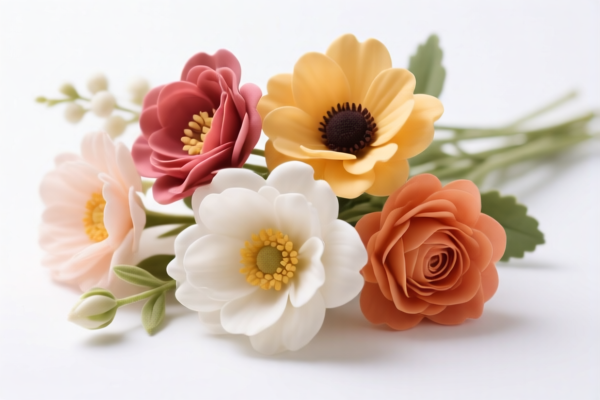
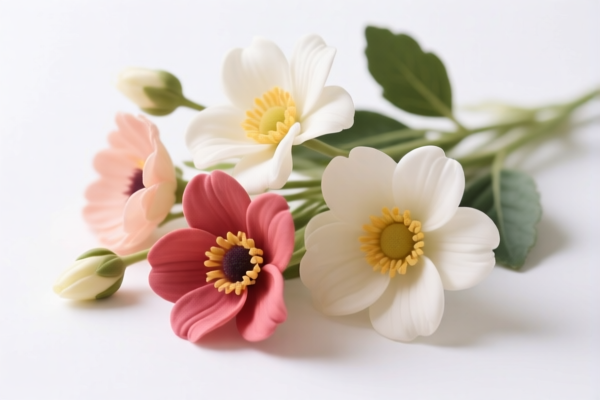
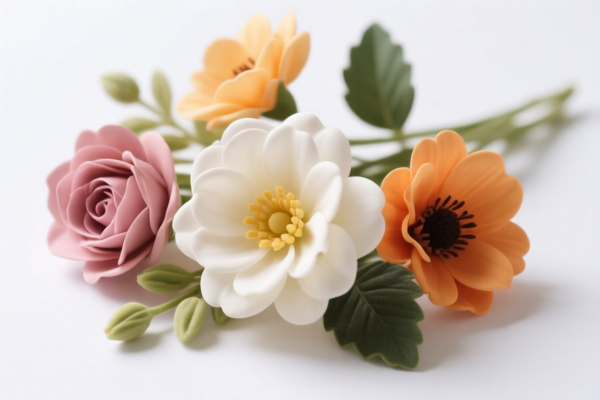
AI Analysis
🌸 Artificial Flowers & Plants (Simulated Flora)
🌐 HS Code Reference & Customs Clearance Guide | 2026 Latest Tariff Analysis | Professional Entry Strategy
📌 I. Product Definition & Classification: Are You Clear on "Fake" Greenery?
Artificial flowers and plants are decorative items made to resemble natural vegetation, widely used in interior design, events, and gifting. In international trade, their classification depends heavily on material (plastic, silk, fabric) and specific use (general decoration vs. holiday-specific).
⚠️ Key Distinction:
- If made primarily of plastic and for general decoration → Usually falls under Chapter 39 or 6702.
- If for holiday use (e.g., Christmas trees, Easter decorations) → Falls under Chapter 95.
- If made of silk/textile → Often falls under 6702.90 or 3926.
📦 II. HS Code Classification Details (2026 Latest Tariff Authority Match)
Based on the provided data, here are the five potential HS codes and their corresponding tax implications for US imports from China.
| HS Code | Product Description & Logic | Total Tax Rate | Tax Breakdown (Base + 301 + Section 122) |
|---|---|---|---|
| 6702.10.40.00 | Simulated Plants (Plastic/Silk) Interpreted as artificial flowers/leaves/fruits. Material may be plastic or silk cloth. |
13.4% | Base: 3.4% 301 Add.: 0.0% Sec 122: 10% |
| 9505.10.50.20 | Holiday/Decorative Items Artificial plants made of plastic/fabric for festive use. |
10.0% | Base: 0.0% 301 Add.: 0.0% Sec 122: 10% |
| 3926.40.00.10 | Plastic Decorative Articles Inferred plastic material, shaped as decorative items. |
15.3% | Base: 5.3% 301 Add.: 0.0% Sec 122: 10% |
| 3926.90.99.89 | Other Plastic Articles Inferred plastic material, classified as "Other" plastics. |
22.8% | Base: 5.3% 301 Add.: 7.5% Sec 122: 10% |
| 6702.90.35.00 | Artificial Flora (Synthetic Fiber) Exact match for "artificial flowers/leaves/fruits." Material likely synthetic fiber. |
19.0% | Base: 9.0% 301 Add.: 0.0% Sec 122: 10% |
🔍 Critical Insight:
- Lowest Cost Option:9505.10.50.20(10%) if the product is explicitly marketed as a holiday/festive decoration.
- General Decoration:6702.10.40.00(13.4%) is often the safest bet for general artificial plants, assuming they fit the definition of "artificial flowers."
- Highest Risk/Cost:3926.90.99.89(22.8%) due to the 7.5% Section 301 surcharge on "other plastic articles."
💰 III. 2026 Latest Tariff Rate Breakdown (Including Surcharges & Policy Add-ons)
✅ Applicable Country: United States (US)
✅ Origin: China (CN)
✅ Effective Date: Current policies (including Section 122) apply.
🎯 1. 6702.10.40.00 – Simulated Plants (Plastic/Silk)
| Item | Details |
|---|---|
| Base Duty Rate | 3.4% (Ad Valorem) |
| Section 301 Surcharge | 0.0% (Exempt or not applicable for this subheading in this dataset) |
| Section 122 Surcharge | +10% (New tariff on certain articles from China) |
| Total Effective Rate | 13.4% |
| Calculation | CIF Value × 13.4% |
| De Minimis Exemption | ❌ Not Applicable (Generally, Section 122 and Section 301 duties apply to all entries, but verify de minimis status for low-value shipments). |
| Legal Path | HTSUS: 6702.10.40.00 → Section 122: 30% (Note: Dataset specifies 10% for this code) |
📌 Explanation:
- This code captures artificial flowers/plants made of plastic or silk.
- The 10% Section 122 tax is a significant new cost factor for Chinese imports.
- No Section 301 tariff is listed for this specific subheading in the provided data, making it a competitive option.
🎯 2. 9505.10.50.20 – Holiday/Decorative Articles (Lowest Tax)
| Item | Details |
|---|---|
| Base Duty Rate | 0.0% |
| Section 301 Surcharge | 0.0% |
| Section 122 Surcharge | +10% |
| Total Effective Rate | 10.0% |
| Calculation | CIF Value × 10.0% |
| De Minimis Exemption | ❌ Check current de minimis rules; however, Section 122 often overrides de minimis for specific goods. |
| Legal Path | HTSUS: 9505.10.50.20 → Section 122: 10% |
📌 Explanation:
- This is the most cost-effective classification IF the products are marketed for festive or holiday use (e.g., Christmas, Easter, Halloween decorations).
- Zero base duty and zero Section 301 tariff make this the best-case scenario for taxable value.
🎯 3. 3926.40.00.10 – Plastic Decorative Articles
| Item | Details |
|---|---|
| Base Duty Rate | 5.3% |
| Section 301 Surcharge | 0.0% |
| Section 122 Surcharge | +10% |
| Total Effective Rate | 15.3% |
| Calculation | CIF Value × 15.3% |
| De Minimis Exemption | ❌ Not Applicable |
| Legal Path | HTSUS: 3926.40.00.10 → Section 122: 10% |
📌 Explanation:
- Used if the item is considered a "plastic article" rather than a "simulated plant."
- Common for plastic vines, leaves, or generic plastic foliage that doesn't clearly resemble a specific flower type.
🎯 4. 3926.90.99.89 – Other Plastic Articles (Highest Tax)
| Item | Details |
|---|---|
| Base Duty Rate | 5.3% |
| Section 301 Surcharge | +7.5% |
| Section 122 Surcharge | +10% |
| Total Effective Rate | 22.8% |
| Calculation | CIF Value × 22.8% |
| De Minimis Exemption | ❌ Not Applicable |
| Legal Path | HTSUS: 3926.90.99.89 → Section 301: 7.5% + Section 122: 10% |
📌 Explanation:
- This is the worst-case scenario for plastic artificial plants.
- The 7.5% Section 301 tariff makes this classification significantly more expensive.
- Avoid this code unless the product is a plastic part/accessory that cannot be classified elsewhere.
🎯 5. 6702.90.35.00 – Artificial Flora (Synthetic Fiber)
| Item | Details |
|---|---|
| Base Duty Rate | 9.0% |
| Section 301 Surcharge | 0.0% |
| Section 122 Surcharge | +10% |
| Total Effective Rate | 19.0% |
| Calculation | CIF Value × 19.0% |
| De Minimis Exemption | ❌ Not Applicable |
| Legal Path | HTSUS: 6702.90.35.00 → Section 122: 10% |
📌 Explanation:
- Suitable for artificial plants made from synthetic fibers (e.g., rayon, polyester fabric) rather than plastic.
- Higher base duty (9.0%) compared to plastic versions, but no Section 301 surcharge.
🛠️ IV. Customs Clearance Practical Advice (Pitfall Avoidance Guide)
✅ 1. Document Checklist (Essential for Smooth Clearance)
| Document | Required | Purpose |
|---|---|---|
| ✅ Product Specification Sheet | ✔️ | Details material composition (plastic vs. fabric), dimensions, and weight. |
| ✅ High-Resolution Photos | ✔️ | Must clearly show the product resembles natural plants (leaves, stems, flowers). |
| ✅ Commercial Invoice | ✔️ | Must accurately describe the goods (e.g., "Artificial Silk Flowers" or "Plastic Simulated Plants"). Do not use vague terms like "Decoration." |
| ✅ Packing List | ✔️ | Itemizes contents to match the invoice. |
| ✅ Bill of Lading/Air Waybill | ✔️ | Standard shipping document. |
| ✅ Origin Certificate | ✔️ | Confirms goods are from China (subject to Section 122). |
✅ 2. Declaration Strategy (Key Tips)
🔥 "Be Specific, Not Generic. Material Matters."
| Scenario | Recommended HS Code | Why? |
|---|---|---|
| Plastic Plants for General Home Decor | 6702.10.40.00 |
Best balance of cost (13.4%) and accurate description for "simulated plants." |
| Christmas/Psychedelic Holiday Plants | 9505.10.50.20 |
Lowest tax (10%) if explicitly for holiday use. |
| Fabric/Silk Flowers | 6702.90.35.00 |
Correct for non-plastic materials, though tax is higher (19.0%). |
| Unclear Plastic Parts | 3926.40.00.10 or 3926.90.99.89 |
Only use if the product is not clearly a "plant" (e.g., plastic leaves for crafts). Avoid 3926.90.99.89 if possible due to high tax. |
✅ 3. Special Considerations
| Situation | Handling Advice |
|---|---|
| Mixed Materials | If a plant has plastic stems and silk leaves, declare based on the principal material or the essential character. Often, plastic dominates, leading to 3926 or 6702.10. Consult a broker. |
| "De Minimis" Shippers | Section 122 taxes may not apply to shipments under $800 (de minimis threshold), but this is subject to change and specific exclusions. Verify current CBP enforcement on Section 122 for de minimis shipments. |
| Misclassification Risk | Declaring 9505 for non-holiday items can lead to penalties. Ensure marketing materials support the "holiday" claim if using this code. |
🌍 V. Global Market Comparison (2026 Update)
| Market | Recommended HS Code | Est. Total Tax | Notes |
|---|---|---|---|
| 🇺🇸 USA | 6702.10.40.00 |
13.4% | Includes Section 122. Avoid 3926.90 due to 301 tariff. |
| 🇪🇺 EU | 6702.10.90 |
~3.5% - 5.5% | No Section 122 equivalent. Standard EU duty applies. |
| 🇨🇳 China | 6702.10.90.00 |
5% - 10% | Import duty depends on trade agreements. |
| 🇬🇧 UK | 6702.10.90 |
~4% - 6% | Post-Brexit tariff structure applies. |
📌 Conclusion:
- The US market is unique due to the Section 122 (10%) and potential Section 301 (up to 25%) tariffs.
- Accurate classification is critical to avoid the 22.8% peak tax rate.
- For US imports,9505.10.50.20(10%) is the most attractive if the product qualifies as a holiday decoration.
📌 VI. Common Mistakes & Pitfalls (Lessons Learned)
❌ Mistake 1: Using "Decoration" as the product name without specifying "Artificial Plant."
👉 Result: Customs may reject the declaration or assign a wrong code, leading to delays.
✅ Fix: Always use "Artificial Flowers," "Simulated Plants," or "Silk Flowers."
❌ Mistake 2: Declaring plastic plants as 9505 when they are not for holidays.
👉 Result: Seizure or heavy penalties for misdeclaration.
✅ Fix: Only use 9505 if the product is clearly marketed for a specific festival (e.g., Christmas trees, Easter eggs).
❌ Mistake 3: Ignoring Section 122 in cost calculations.
👉 Result: Unexpected 10% tax increase at border.
✅ Fix: Factor in 10% Section 122 for all Chinese-origin goods in your pricing model.
❌ Mistake 4: Using 3926.90.99.89 for obvious artificial plants.
👉 Result: Paying 22.8% instead of 13.4%.
✅ Fix: Use 6702.10.40.00 for general artificial plants.
🎯 VII. Conclusion: Precise Classification Saves Money!
🎯 Remember the Golden Rules:
🔹 "Holiday? Use 9505 (10%). General Plastic? Use 6702.10 (13.4%). Avoid 3926.90 (22.8%)."
🔹 "Section 122 is 10% on almost everything from China. Plan your margins accordingly."
🔹 "Be honest about material: Plastic vs. Silk changes the code and the tax."
📌 Pro Tip:
If you are shipping small quantities (<$800), check if de minimis exemptions still apply for Section 122 duties. For larger shipments, pre-apply for a binding tariff ruling from US Customs to lock in the correct HS code and tax rate.
📣 Take Action Now:
📞 Consult a licensed customs broker to review your product samples.
🚀 Accurate classification ensures smooth clearance and maximizes your profit margins!
✨ Smart Shipping Starts with Smart Classification!
💼 Every percentage point matters in global trade!
Customer Reviews
About HS Code Classification
The Harmonized System (HS) is an internationally standardized nomenclature developed by the World Customs Organization (WCO) to classify traded products. Over 200 countries use the HS system as the basis for customs tariffs, trade statistics, and import/export regulations.
Each HS code follows a hierarchical structure:
- Chapter (2 digits) — Broad category of goods (e.g., Chapter 84: Machinery and Mechanical Appliances)
- Heading (4 digits) — More specific grouping within the chapter
- Subheading (6 digits) — Internationally standardized breakdown, used by all WCO member countries
- National subdivisions (8-10 digits) — Country-specific extensions for further classification, such as US HTSUS 10-digit codes
Correct HS code classification is essential for smooth customs clearance, accurate duty payment, and compliance with trade regulations. Misclassification can lead to customs delays, overpayment of duties, or penalties.
When importing from CN to US, the applicable tariff rates may include:
- Most-Favored-Nation (MFN) rate — The standard duty rate applied to WTO members
- General rate — Applied to countries without trade agreements
- Trade remedy duties — Additional tariffs such as Section 301 (anti-dumping), Section 232 (national security), or countervailing duties
The information provided on this page is for reference purposes only. For official classification, please consult with your local customs authority or a licensed customs broker.