Artificial Fur Carpet
CN → US| HS Code | Tariff Rate | Origin | Destination | Doc |
|---|---|---|---|---|
| 5703392090 | 41.0% | CN | US | Official Doc |
| 5702322000 | 42.0% | CN | US | Official Doc |
| 5705002030 | 38.3% | CN | US | Official Doc |
| 5703310030 | 41.0% | CN | US | Official Doc |
| 5705002090 | 38.3% | CN | US | Official Doc |
Product Images
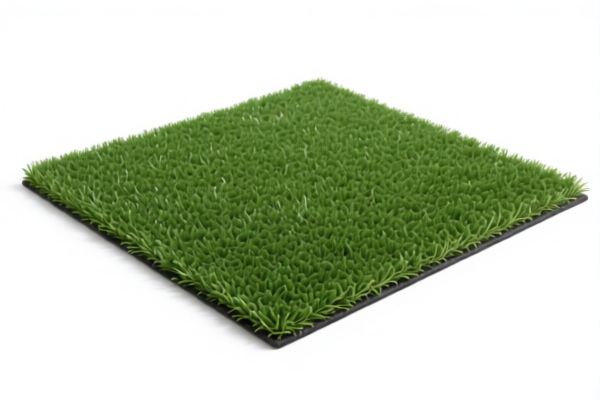
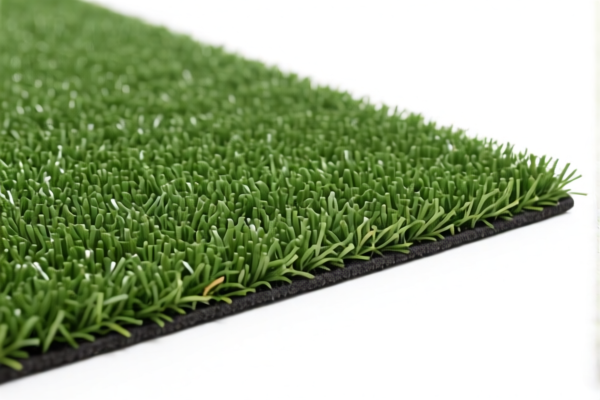
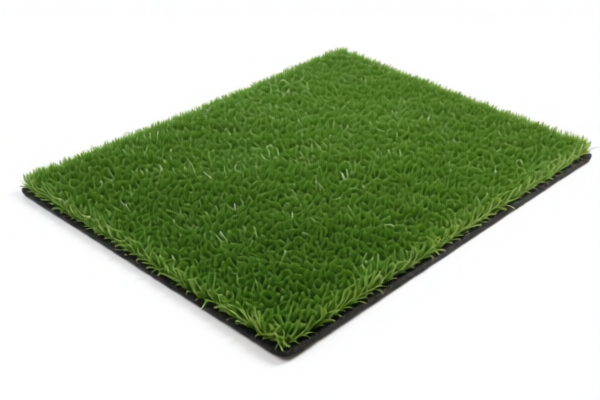
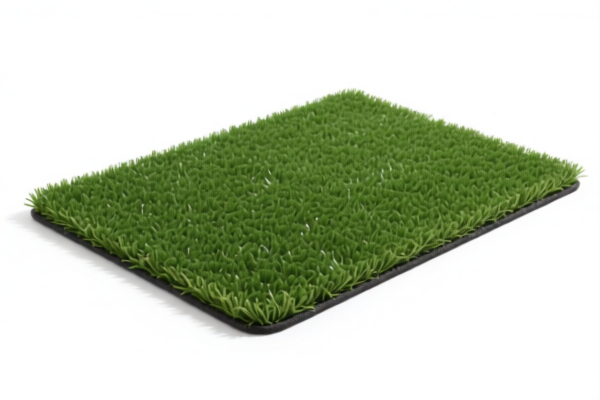
AI Analysis
🧶 Artificial Fur Carpet: HS Code Classification & US Customs Clearance Guide (2026)
🌐 HS Code Reference & Customs Clearance Strategy | 2026 Latest Tariff Analysis | Professional Compliance Guide
📌 I. Product Definition & Classification: What Exactly is an "Artificial Fur Carpet"?
Artificial Fur Carpets are textile floor coverings made from synthetic fibers (such as polyester, acrylic, or nylon) designed to mimic the texture and appearance of animal fur. In international trade, they are primarily classified under Chapter 57 (Carpeting and other textile floor coverings).
Classification depends on three key factors: 1. Material Composition: Is it woven, tufted, or made of other textile materials? 2. Manufacturing Process: Is it a woven rug (Ch 57.02), a tufted rug (Ch 57.03), or another type (Ch 57.05)? 3. End Use: General flooring vs. specialized mats.
⚠️ Key Distinction:
- Tufted Carpets (most common for "fur" texture) → HS 5703
- Woven Carpets → HS 5702
- Other Textile Floor Coverings (e.g., needle-punch, non-woven) → HS 5705
📦 II. HS Code Classification Matrix (2026 Latest Tariff Reference)
Based on the provided data, here are the five most relevant HS Codes for Artificial Fur Carpets, sorted by total tax burden:
| HS Code | Product Description & Classification Logic | Key Characteristics |
|---|---|---|
| 5702.10.90.30 | Woven Carpets of Synthetic Fibers | - Material: Synthetic/Fictional Fiber - Structure: Woven - Lowest Base Duty |
| 5705.00.20.30 | Other Textile Floor Coverings | - Material: Artificial Fiber - Structure: Not woven/tufted (e.g., felt, non-woven) - Lowest Total Tax |
| 5705.00.20.90 | Other Textile Floor Coverings (Generic) | - Material: Artificial Fiber - Structure: Generic "Other" - Standard Alternative |
| 5703.39.20.90 | Tufted Carpets of Synthetic Fibers | - Material: Artificial Fiber - Structure: Tufted (common for fur rugs) - Customizable Applications |
| 5703.31.00.30 | Tufted Carpets of Synthetic Fibers (Specific) | - Material: Artificial Fiber - Structure: Tufted - Specific Textile Classification |
| 5702.32.20.00 | Woven Carpets of Man-Made Fibers | - Material: Man-Made Fiber - Structure: Woven - Traditional Woven Fur |
🔍 Critical Insight:
- Tufted (5703) is the most common method for "fur" carpets because the pile is created by inserting yarn into a backing, mimicking fur density.
- Woven (5702) carpets have a tighter structure and are often thinner.
- Other (5705) includes non-woven or needle-punch artificial fur mats (e.g., pet pads, simple floor mats).
💰 III. 2026 US Tariff Rate Breakdown (Detailed Analysis)
✅ Applicable Market: United States (US)
✅ Country of Origin: China (CN)
✅ Effective Date: Post-November 10, 2025 (Includes all subsequent imports)
🎯 1. 5702.10.90.30 – Woven Carpets of Synthetic Fibers
| Item | Details |
|---|---|
| Base Duty | 0.0% |
| Section 301 Duty (Add-on) | +25.0% |
| Section 122 Duty (IEEPA) | +10.0% |
| Total Tariff Rate | 35.0% |
| De Minimis Exemption? | ❌ No (Subject to strict scrutiny) |
| Legal Reference Path | USITC:5702.10.90.30 → Section 301: Footnote 9903.88.01 → IEEPA:9903.01.25 |
📌 Explanation:
- This is the lowest total tariff option due to the 0% base duty.
- However, classification must be strictly woven. If the carpet is tufted, this code will be rejected.
🎯 2. 5705.00.20.30 & 5705.00.20.90 – Other Textile Floor Coverings
| Item | Details |
|---|---|
| Base Duty | 3.3% |
| Section 301 Duty (Add-on) | +25.0% |
| Section 122 Duty (IEEPA) | +10.0% |
| Total Tariff Rate | 38.3% |
| De Minimis Exemption? | ❌ No |
| Legal Reference Path | USITC:5705.00.20.30/90 → Section 301: Footnote 9903.88.01 → IEEPA:9903.01.24 |
📌 Explanation:
- These codes apply if the carpet is not woven or tufted (e.g., non-woven felt-like artificial fur).
- Slightly higher tax than 5702.10 due to the 3.3% base duty.
🎯 3. 5703.39.20.90 & 5703.31.00.30 – Tufted Carpets (Synthetic Fibers)
| Item | Details |
|---|---|
| Base Duty | 6.0% |
| Section 301 Duty (Add-on) | +25.0% |
| Section 122 Duty (IEEPA) | +10.0% |
| Total Tariff Rate | 41.0% |
| De Minimis Exemption? | ❌ No |
| Legal Reference Path | USITC:5703.39.20.90 → Section 301: Footnote 9903.88.01 → IEEPA:9903.01.25 |
📌 Explanation:
- Most Common for Fur Carpets: Tufting is the standard manufacturing process for plush/fur-like carpets.
- Higher base duty (6%) results in a higher total tax.
- Customization Note: Code5703.39.20.90is specifically highlighted for custom artificial fiber carpets.
🎯 4. 5702.32.20.00 – Woven Carpets of Man-Made Fibers
| Item | Details |
|---|---|
| Base Duty | 7.0% |
| Section 301 Duty (Add-on) | +25.0% |
| Section 122 Duty (IEEPA) | +10.0% |
| Total Tariff Rate | 42.0% |
| De Minimis Exemption? | ❌ No |
| Legal Reference Path | USITC:5702.32.20.00 → Section 301: Footnote 9903.88.01 → IEEPA:9903.01.24 |
📌 Explanation:
- Highest base duty (7%) among the options.
- Applies to woven carpets made from man-made fibers (not just synthetic).
- Use only if the carpet is definitively woven and made of man-made (not synthetic) fibers.
🛠️ IV. Customs Clearance Practical Advice (Avoiding Pitfalls)
✅ 1. Documentation Checklist (Must-Have)
| Document | Required? | Purpose |
|---|---|---|
| ✅ Product Specification Sheet | Yes | Details material (e.g., 100% Polyester), pile height, backing type. |
| ✅ Manufacturing Process Description | Yes | Crucial: State if Woven, Tufted, or Non-Woven. This determines HS Code. |
| ✅ High-Resolution Photos | Yes | Show cross-section (to prove tufting/weaving) and surface texture (fur-like). |
| ✅ Commercial Invoice | Yes | Must clearly state: "Artificial Fur Carpet, Synthetic Fibers, [Woven/Tufted]". |
| ✅ Packing List | Yes | Weight, dimensions, number of rolls/pieces. |
| ✅ Origin Certificate | Optional | If claiming preferential treatment (not applicable for China-US currently). |
✅ 2. Classification Strategy & Naming Conventions
🔥 Golden Rule:
"Define the Process, Not Just the Look!"
Customs officers look at the manufacturing method, not just the aesthetic "fur" look.
| Scenario | Recommended HS Code | Naming for Declaration |
|---|---|---|
| Standard Plush/Fur Rug (Yarn inserted into backing) | 5703.39.20.90 | "Tufted Artificial Fiber Carpet, Custom Made, Polyester Pile" |
| Woven Patterned Fur-Textured Rug | 5702.10.90.30 | "Woven Synthetic Fiber Carpet, Flat Weave, Fur-Appearance" |
| Non-Woven Felt Mat (No yarn insertion) | 5705.00.20.30 | "Non-Woven Textile Floor Covering, Artificial Fur Texture" |
| Man-Made Fiber Woven Rug | 5702.32.20.00 | "Woven Man-Made Fiber Carpet, Decorative" |
⚠️ Warning:
- Do not use generic terms like "Fur Rug" without specifying the material and structure.
- Misdeclaring a Tufted carpet as Woven (or vice versa) can lead to classifications errors, penalties, and delays.
✅ 3. Cost Optimization Tips
| Strategy | Action | Impact |
|---|---|---|
| Check Material Composition | Ensure fibers are classified as "Synthetic" (e.g., Polyester) vs. "Man-Made" | Synthetic often has lower base duty in some subcategories. |
| Verify Manufacturing Process | Confirm if tufting is truly used. If it’s woven, 5702.10.90.30 saves 6% base duty. | Potential savings of 6% on CIF value on base duty. |
| Pre-Ruling Application | Submit an Advance Ruling Request to US CBP with product samples. | Eliminates uncertainty and prevents post-clearance audits. |
🌍 V. Global Market Comparison (2026)
| Country/Region | Recommended HS Code | Total Tariff (China Origin) | Key Requirement |
|---|---|---|---|
| 🇺🇸 USA | 5703.39.20.90 (Tufted) | 41.0% | 301 + 122 Duties Apply |
| 🇨🇳 China | 5703.39.20.90 | ~6-10% | Standard Import Duty |
| 🇪🇺 EU | 5703.39.20.90 | ~5-7% | CE Marking not required for carpets, but safety standards apply |
| 🇬🇧 UK | 5703.39.20.90 | ~5-7% | Post-Brexit rules apply |
| 🇨🇦 Canada | 5703.39.20.90 | ~5-12% | CBSA Classification Required |
📌 Conclusion:
- USA remains the highest-cost market due to Section 301 and IEEPA tariffs.
- EU/UK/Canada tariffs are significantly lower, but non-tariff barriers (certifications, labeling) may apply.
📌 VI. Common Errors & Pitfalls (Learn from Mistakes)
❌ Error 1: Declaring a Tufted carpet as Woven to get 0% base duty.
👉 Consequence: Customs inspection reveals yarn loops → Reclassification to 5703 → Back taxes + Penalties.
❌ Error 2: Using "Artificial Fur" as the only product name.
👉 Consequence: Customs cannot determine material or structure → Delay in Clearance → Storage Fees.
❌ Error 3: Ignoring the Backing Material.
👉 Consequence: If the backing is rubber, some countries may classify it differently. Always disclose full composition.
❌ Error 4: Assuming De Minimis exemption applies.
👉 Consequence: Section 321 (De Minimis) does NOT apply to goods subject to Section 301/122 duties from China. All shipments are taxable.
✅ Correct Practice:
"TUFTED ARTIFICIAL FIBER CARPET, 100% POLYESTER PILE, JUTE BACKING, CUSTOM MADE, MODEL XYZ, NO FUR CONTENT"
🎯 VII. Conclusion: Precision Drives Profit
🎯 Remember:
🔹 "Tufted = 5703, Woven = 5702, Other = 5705"
🔹 "Base Duty 0% vs 7% matters, but Total Tax is what kills profits!"
🔹 "35% vs 42%: A 7% difference on $100k is $7,000 savings!"
📌 Pro Tip:
If your artificial fur carpet is custom-made and uses synthetic fibers, 5703.39.20.90 is the safest and most common classification. However, if you can switch to woven production, 5702.10.90.30 offers a 6% base duty savings.
📣 Next Steps:
📞 Contact a licensed customs broker to submit an Advance Ruling with product images and a manufacturing diagram.
🚀 Optimize your HS Code to minimize tariff exposure and ensure smooth US customs clearance.
✨ Professional Classification Saves Money. Accurate Data Prevents Delays.
💼 Every percentage point of tariff counts in the low-margin carpet industry.
Customer Reviews
About HS Code Classification
The Harmonized System (HS) is an internationally standardized nomenclature developed by the World Customs Organization (WCO) to classify traded products. Over 200 countries use the HS system as the basis for customs tariffs, trade statistics, and import/export regulations.
Each HS code follows a hierarchical structure:
- Chapter (2 digits) — Broad category of goods (e.g., Chapter 84: Machinery and Mechanical Appliances)
- Heading (4 digits) — More specific grouping within the chapter
- Subheading (6 digits) — Internationally standardized breakdown, used by all WCO member countries
- National subdivisions (8-10 digits) — Country-specific extensions for further classification, such as US HTSUS 10-digit codes
Correct HS code classification is essential for smooth customs clearance, accurate duty payment, and compliance with trade regulations. Misclassification can lead to customs delays, overpayment of duties, or penalties.
When importing from CN to US, the applicable tariff rates may include:
- Most-Favored-Nation (MFN) rate — The standard duty rate applied to WTO members
- General rate — Applied to countries without trade agreements
- Trade remedy duties — Additional tariffs such as Section 301 (anti-dumping), Section 232 (national security), or countervailing duties
The information provided on this page is for reference purposes only. For official classification, please consult with your local customs authority or a licensed customs broker.