Artificial Leather Gift Box
CN → US| HS Code | Tariff Rate | Origin | Destination | Doc |
|---|---|---|---|---|
| 4823908620 | 35.0% | CN | US | Official Doc |
| 3926903300 | 16.5% | CN | US | Official Doc |
| 4823908680 | 35.0% | CN | US | Official Doc |
| 3926909989 | 22.8% | CN | US | Official Doc |
| 4202999000 | 55.0% | CN | US | Official Doc |
Product Images
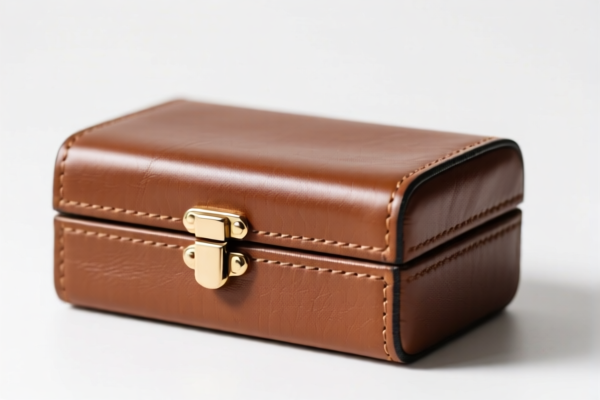
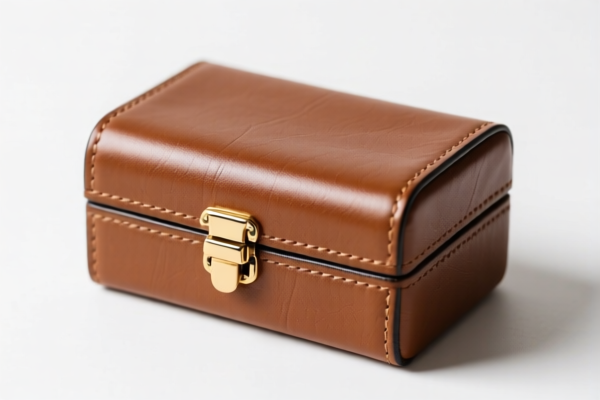
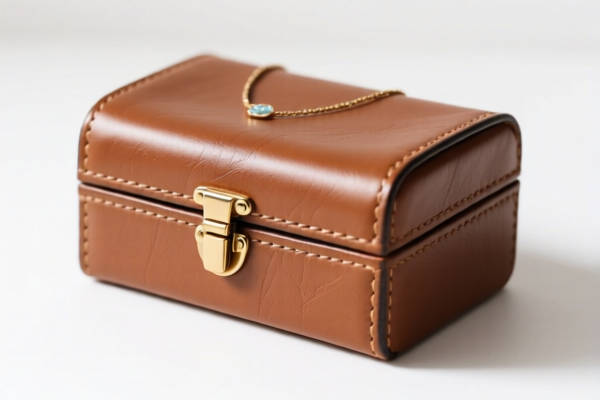
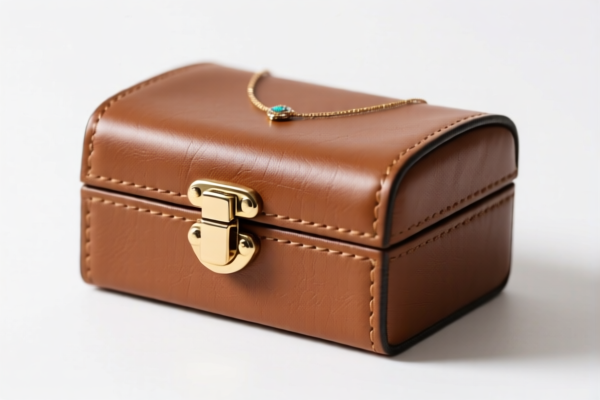
AI Analysis
🎁 Artificial Leather Gift Box: HS Code Classification & Customs Clearance Guide (2026)
🌐 HS Code Reference & Customs Strategy | Latest Tariff Analysis | Professional Entry Strategy
📌 I. Product Definition: What Exactly is an "Artificial Leather Gift Box"?
An Artificial Leather Gift Box is a packaging container used for storing and presenting gifts. In international trade, its classification depends heavily on the material composition and manufacturing process. The term "Artificial Leather" (人造革) is a key differentiator, as it can fall under multiple categories depending on whether it is viewed as a paper-based product coated with synthetic material or a plastic/synthetic resin product.
⚠️ Key Classification Dilemma: - If the core structural material is paper/cardboard coated with synthetic leather → Likely Chapter 48 (Paper/Paperboard). - If the core material is plastic/synthetic resin molded or covered → Likely Chapter 39 (Plastics) or Chapter 42 (Articles of Leather/Travel Goods).
📦 II. Detailed HS Code Classification Analysis (Based on Provided Data)
| HS Code | Product Description | Classification Logic | Estimated Total Tax Rate* |
|---|---|---|---|
4823.90.86.20 |
Paper-based Gift Box: Artificial leather considered a coating on paperboard. | Summarized as "Paper Products" (纸制品). Shape: Gift Box. Material inferred as paper-based. | 35.0% |
3926.90.33.00 |
Plastic/Composite Gift Box: Artificial leather classified as plastic/synthetic leather. | Summarized as "Plastic Products" (塑料制品). Shape: Other article/container. Material: Synthetic leather/plastic category. | 16.5% |
4823.90.86.80 |
Other Paper Articles: Residual category for paper goods. | Summarized as "Other Paper Products" (其他纸制品). Fallback classification if no specific material conflict exists. | 35.0% |
3926.90.99.89 |
Other Plastic Articles: Non-specific plastic gift box. | Summarized as "Other Plastic Products" (其他塑料制品). Material: Plastic/resin. Shape: Gift box not specifically excluded. | 22.8% |
4202.99.90.00 |
Travel/Storage Goods: Artificial leather classified as synthetic leather (Chapter 42). | Summarized as "Containers" (容器类). Material: Artificial leather (Synthetic leather). Shape: Gift box. No conflict with Chapter 42 definition. | 55.0% |
🔍 Critical Note: - Tax Disparity: The tax rate varies significantly from 16.5% to 55.0% depending on the HS Code chosen. - Risk Warning: Misclassification can lead to severe penalties, delays, or retroactive tax payments.
💰 III. 2026 Latest Tariff Rate Breakdown (Including Additional Taxes)
✅ Applicable Country: USA (US)
✅ Origin: China (CN)
✅ Effective Date: Post-2025 policies (including Section 301 and IEEPA)
🎯 1. Paper-Based Classification (4823.90.86.20 / 4823.90.86.80)
| Item | Detail |
|---|---|
| Base Duty | 0.0% |
| Section 301 Additional Duty | +25.0% |
| 122 Provision Duty (IEEPA) | +10.0% |
| Total Tax Rate | 35.0% |
| De Minimis Exemption | ❌ Not Eligible (High duty threshold prevents entry under $800) |
| Legal Basis | USITC Footnotes related to Paper Goods & China-origin restrictions |
📌 Explanation: - These codes fall under Chapter 48 (Paper). - Although the base duty is 0%, the Section 301 tariff (25%) applies to Chinese paper products. - The IEEPA 10% surcharge adds further cost. - Total Burden: 35%. This is high but lower than the leather classification.
🎯 2. Plastic-Based Classification (3926.90.33.00)
| Item | Detail |
|---|---|
| Base Duty | 6.5% |
| Section 301 Additional Duty | 0.0% |
| 122 Provision Duty (IEEPA) | +10.0% |
| Total Tax Rate | 16.5% |
| De Minimis Exemption | ❌ Not Eligible (Though lower, additional taxes often disqualify de minimis) |
| Legal Basis | USITC Footnotes for Plastic Articles |
📌 Explanation: - This code falls under Chapter 39 (Plastics). - Base duty is 6.5%, but Section 301 does NOT apply (0%). - The IEEPA 10% surcharge still applies. - Total Burden: 16.5%. This is the most tax-efficient option if the product can be legitimately classified here.
🎯 3. Plastic-Based Classification (3926.90.99.89)
| Item | Detail |
|---|---|
| Base Duty | 5.3% |
| Section 301 Additional Duty | +7.5% |
| 122 Provision Duty (IEEPA) | +10.0% |
| Total Tax Rate | 22.8% |
| De Minimis Exemption | ❌ Not Eligible |
| Legal Basis | USITC Footnotes for Other Plastic Articles |
📌 Explanation: - Another Chapter 39 code, but for "other" plastic articles. - Subject to a Section 301 rate of 7.5% (not 25%). - Total Burden: 22.8%. Higher than
3926.90.33.00due to the 301 surcharge.
🎯 4. Synthetic Leather Classification (4202.99.90.00)
| Item | Detail |
|---|---|
| Base Duty | 20.0% |
| Section 301 Additional Duty | +25.0% |
| 122 Provision Duty (IEEPA) | +10.0% |
| Total Tax Rate | 55.0% |
| De Minimis Exemption | ❌ Not Eligible |
| Legal Basis | USITC Footnotes for Travel Goods/Leather Articles |
📌 Explanation: - This code falls under Chapter 42 (Articles of Leather). - Base duty is high (20%). - Subject to Section 301 (25%) and IEEPA (10%). - Total Burden: 55%. This is the most expensive option and should be avoided if possible.
🛠️ IV. Customs Clearance Practical Advice (Risk Avoidance Guide)
✅ 1. Preparation Checklist (Mandatory)
| Document | Required? | Purpose |
|---|---|---|
| Product Specs | ✔️ | Define material layers (e.g., "Paper core + PVC coating" vs. "Solid plastic"). |
| Material Declaration | ✔️ | Explicitly state % of paper vs. plastic/synthetic material. |
| Product Photos | ✔️ | Show cross-section or label to identify material structure. |
| Commercial Invoice | ✔️ | Accurate description: "Artificial Leather Gift Box, Paper Core, PVC Surface". |
| Packing List | ✔️ | Weight and dimensions for duty calculation. |
| Origin Certificate | ✔️ | Confirm China origin to apply correct additional taxes. |
✅ 2. Classification Strategy & Tips
🔥 "Material is King: Paper saves 18.5%, Leather costs 55%!"
| Scenario | Recommended HS Code | Reason |
|---|---|---|
| Paper Core + Synthetic Coating | 4823.90.86.20 |
Treated as paper product. Tax: 35%. |
| Solid Plastic/Synthetic Molded | 3926.90.33.00 |
Treated as plastic article. Tax: 16.5%. Best Option |
| Mixed Materials (Ambiguous) | 3926.90.99.89 |
Fallback plastic category. Tax: 22.8%. |
| High-End Synthetic Leather (Chapter 42) | 4202.99.90.00 |
Classified as leather goods. Tax: 55%. Avoid if possible |
📌 Key Tip: - If the box is primarily paper with a thin leather-like coating, classify under Chapter 48. - If the box is primarily plastic with a leather-like finish, classify under Chapter 39. - Do not classify as Chapter 42 unless it is genuinely made of leather or substantial synthetic leather articles (like handbags).
✅ 3. Special Cases
| Situation | Handling Advice |
|---|---|
| Sample Shipment (<$800) | Check if de minimis applies. Warning: High duty rates (25%+ Section 301) may disqualify de minimis entry. Consult broker. |
| Composite Packaging | If gift box + electronics, declare separately. Do not lump into one HS Code. |
| Custom Printed Design | Ensure no trademark infringement. Provide authorization letters if using branded logos. |
🌍 V. Global Market Comparison (2026)
| Country/Region | Recommended HS Code | Tax Rate (China Origin) | Certification Required |
|---|---|---|---|
| 🇺🇸 USA | 3926.90.33.00 |
16.5% (Lowest) | None generally, but accurate classification critical |
| 🇪🇺 EU | 4823.90 or 3926 |
~6-12% | CE (if applicable), REACH (chemicals in PVC) |
| 🇨🇳 China | 4823.90.86.20 |
~13-15% | CCC (if electronic components included) |
📌 Conclusion: - USA is the most complex market due to Section 301 and IEEPA tariffs. - Choosing the right HS Code can save you up to 38.5% in taxes (55% vs. 16.5%). - Plastic-based classification (
3926.90.33.00) is optimal for cost savings, provided the product fits the definition.
📌 VI. Common Mistakes & Pitfalls
❌ Mistake 1: Classifying a paper-based box as "Leather Goods" (4202.99.90.00)
👉 Consequence: 55% tax instead of 35% or 16.5%. Huge cost increase.
❌ Mistake 2: Misdeclaring material as "Natural Leather" when it is "Artificial"
👉 Consequence: Duty evasion penalties, confiscation, and legal action.
❌ Mistake 3: Ignoring Section 301 applicability
👉 Consequence: Underpayment of duties. Customs will assess back taxes + interest.
❌ Mistake 4: Using vague descriptions like "Gift Box" without material details
👉 Consequence: Customs may reclassify arbitrarily, often leading to the highest applicable rate.
✅ Correct Approach:
"Artificial Leather Gift Box, Paper Core, PVC Surface, Size 20x20x10cm, Model GB-001"
🎯 VII. Conclusion: Precision Saves Money
🎯 Key Takeaway:
🔹 "Paper or Plastic? It determines 16.5% or 55%!"
🔹 "Section 301 hits Paper and Leather hard; Plastic (3926.90.33) is your friend."
🔹 "De Minimis is NOT guaranteed for high-tariff items."
📌 Pro Tip:
If your product is made in China, always verify the Section 301 exclusions list. Some plastic articles may have temporary exclusions. Apply for Advance Ruling if the material composition is complex (e.g., multi-layered).
📣 Action Plan:
📞 Consult a licensed customs broker.
📄 Provide detailed material breakdown.
🚀 Optimize for3926.90.33.00if feasible to save 18.5% vs. paper and 38.5% vs. leather.
✨ Smart Classification, Maximized Profit!
💼 Every percentage point counts in international trade!
Customer Reviews
About HS Code Classification
The Harmonized System (HS) is an internationally standardized nomenclature developed by the World Customs Organization (WCO) to classify traded products. Over 200 countries use the HS system as the basis for customs tariffs, trade statistics, and import/export regulations.
Each HS code follows a hierarchical structure:
- Chapter (2 digits) — Broad category of goods (e.g., Chapter 84: Machinery and Mechanical Appliances)
- Heading (4 digits) — More specific grouping within the chapter
- Subheading (6 digits) — Internationally standardized breakdown, used by all WCO member countries
- National subdivisions (8-10 digits) — Country-specific extensions for further classification, such as US HTSUS 10-digit codes
Correct HS code classification is essential for smooth customs clearance, accurate duty payment, and compliance with trade regulations. Misclassification can lead to customs delays, overpayment of duties, or penalties.
When importing from CN to US, the applicable tariff rates may include:
- Most-Favored-Nation (MFN) rate — The standard duty rate applied to WTO members
- General rate — Applied to countries without trade agreements
- Trade remedy duties — Additional tariffs such as Section 301 (anti-dumping), Section 232 (national security), or countervailing duties
The information provided on this page is for reference purposes only. For official classification, please consult with your local customs authority or a licensed customs broker.