Artificial Leather Luggage Strap
CN → US| HS Code | Tariff Rate | Origin | Destination | Doc |
|---|---|---|---|---|
| 6305390000 | 25.9% | CN | US | Official Doc |
| 6305900000 | 23.7% | CN | US | Official Doc |
| 4202923131 | 52.6% | CN | US | Official Doc |
| 4202923120 | 52.6% | CN | US | Official Doc |
Product Images
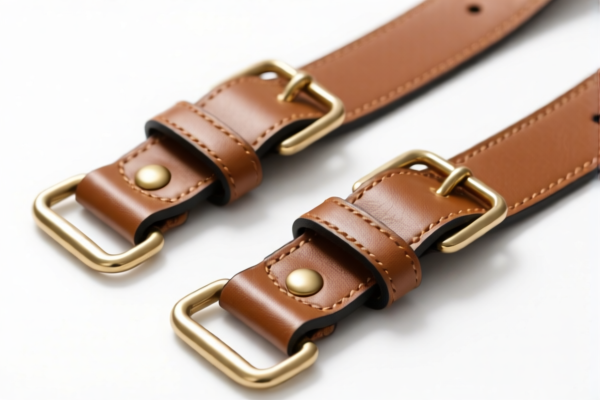
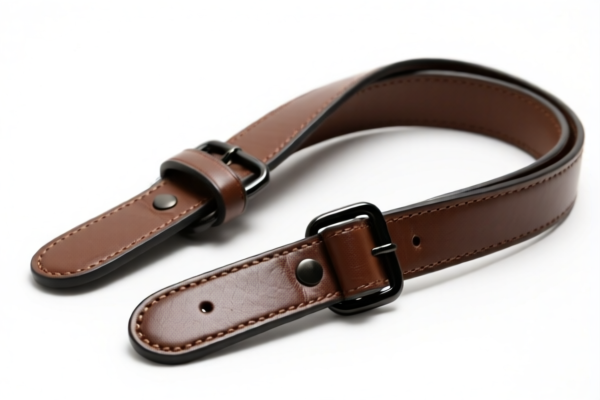
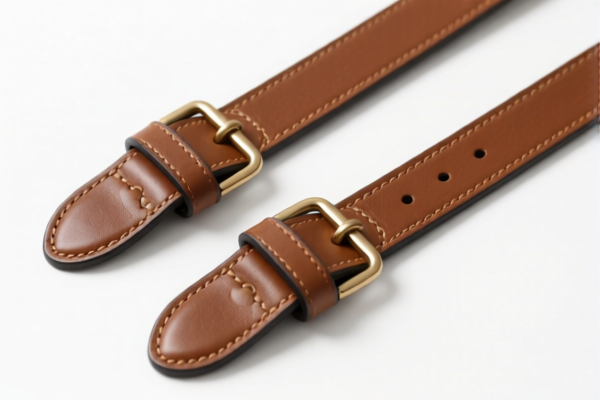
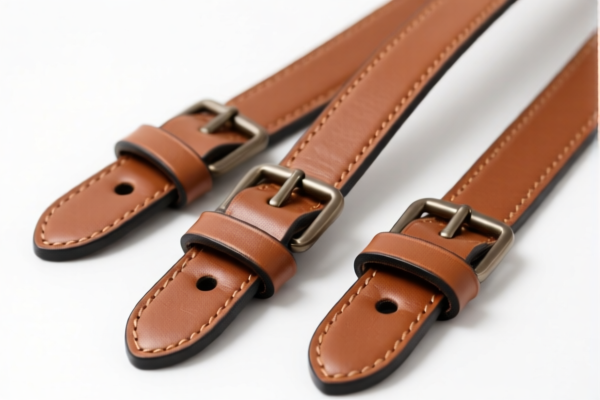
AI Analysis
🧳 Artificial Leather Luggage Strap
(A Detailed Guide to HS Code Classification & US Customs Clearance)
🌐 HS Code Reference & Clearance Guide | 2026 Latest Tariff Analysis | Professional Strategy for Travel Accessories
📌 I. Product Definition & Classification: What is an "Artificial Leather Luggage Strap"?
An Artificial Leather Luggage Strap is a travel accessory used to secure luggage, suitcase, or bags. It is typically made from synthetic materials (such as PU, PVC, or Polyester) designed to mimic genuine leather.
In international trade, the classification depends heavily on function and material composition: 1. As a Travel Bag Component: If it is sold as part of a complete travel bag or luggage, it might be grouped under "Bags." 2. As a Standalone Accessory: If sold separately, it is often classified under "Sacks and Bags" (if used for storage/transport) or "Articles of Apparel and Clothing Accessories" (if used for wearing/tying). However, for luggage specifically, it usually falls under Chapter 63 (Other Made Up Articles) or Chapter 42 (Articles of Leather), depending on the specific design and primary use.
⚠️ Key Distinction:
- If the strap is integral to a bag (e.g., part of a duffel bag handle) → It is part of the bag’s classification.
- If the strap is sold separately for securing luggage → It is classified based on its material and specific function.
- Artificial Leather is technically classified under "Textiles" or "Plastics" depending on the backing, but for customs purposes, "Artificial Leather" products often follow the rules of the material they mimic or their primary textile content.
📦 II. HS Code Classification Details (2026 Latest Tariff Authority Comparison)
Based on the provided data, here are the relevant HS Codes for Artificial Leather Travel Bags/Straps:
| HS Code | Product Description | Application Scenario | Material/Function |
|---|---|---|---|
6305.39.00.00 |
Artificial Fiber Travel Bags | Luggage straps, duffel bags, travel sacks made from synthetic fibers (non-leather look or generic textile bags) | Textile/Synthetic Fiber |
6305.90.00.00 |
Other Textile Material Bags | Bags/accessories made from other textile materials (e.g., cotton, wool, mixed textiles) not specifically "artificial fiber" | Other Textiles |
4202.92.31.31 |
Artificial Fiber Travel Class Bags | Specifically for Bags/Luggage made of artificial fibers, intended for travel. Note: This code often covers structured bags, not just straps. | Synthetic Fiber (Structured) |
4202.92.31.20 |
Artificial Fiber Travel Bags | Similar to above, specific sub-class for artificial fiber travel bags. Often used for structured luggage. | Synthetic Fiber (Structured) |
🔍 Critical Note:
- Straps are sometimes tricky. If the strap is flat, unstructured, and used solely for tying, customs might lean toward6305(Sacks/Bags) if it's considered a "bag" accessory, or4202if it's part of a "travel bag" assembly.
- However, if the product is sold as a standalone strap (not part of a bag), the classification can be contentious.
- In the provided data, the most relevant codes for Artificial Fiber/Leather Travel-related items are6305.39.00.00and4202.92.31.xx.
-4202typically applies to structured bags/luggage with handles/straps as part of the whole. If you are importing only straps, check with customs if6305(as a textile bag/strap) or6307(other made-up articles) is more appropriate. But based on the provided data, we must use the codes listed.
💰 III. 2026 Latest Tariff Rate Details (Including Surtaxes, Policy Surcharges)
✅ Applicable Country: United States (US)
✅ Origin: China (CN)
✅ Effective Date: From November 10, 2025 (including subsequent imports)
🎯 1. 6305.39.00.00 —— Artificial Fiber Travel Bags (Includes Straps as Bag Components)
| Item | Content |
|---|---|
| Base Tariff | 8.4% (ad valorem) |
| Section 301 Surtax | 7.5% |
| Section 122 Tariff | 10% |
| Total Tariff | 25.9% |
| Tax Calculation | CIF Value × 25.9% |
| De Minimis Eligibility | ❌ Not Applicable (De Minimis (Section 321) does NOT apply to Section 301 or Section 122 goods. If total value > $800, full tariff applies.) |
| Legal Basis Path | USITC:6305.39.00.00 → Section 301: 7.5% → Section 122: 10% |
📌 Explanation:
- "Base Tariff 8.4%": Standard Most Favored Nation (MFN) rate for artificial fiber bags.
- "Section 301 Surtax 7.5%": Additional tariff imposed on Chinese goods under US Trade Act Section 301.
- "Section 122 Tariff 10%": Additional tariff under Section 122 of the Trade Act of 1974 (national security/emergency powers).
- Total 25.9% is a significant cost. Must be factored into pricing.
🎯 2. 6305.90.00.00 —— Other Textile Material Bags
| Item | Content |
|---|---|
| Base Tariff | 6.2% |
| Section 301 Surtax | 7.5% |
| Section 122 Tariff | 10% |
| Total Tariff | 23.7% |
| Tax Calculation | CIF Value × 23.7% |
| De Minimis Eligibility | ❌ Not Applicable |
| Legal Basis Path | USITC:6305.90.00.00 → Section 301: 7.5% → Section 122: 10% |
📌 Note:
- Slightly lower base tariff (6.2%) than6305.39, but surtaxes are the same.
- Applies to bags made of other textile materials (e.g., cotton, hemp, mixed) not specifically "artificial fiber."
🎯 3. 4202.92.31.31 & 4202.92.31.20 —— Artificial Fiber Travel Bags (Structured)
| Item | Content |
|---|---|
| Base Tariff | 17.6% |
| Section 301 Surtax | 25.0% |
| Section 122 Tariff | 10% |
| Total Tariff | 52.6% |
| Tax Calculation | CIF Value × 52.6% |
| De Minimis Eligibility | ❌ Not Applicable |
| Legal Basis Path | USITC:4202.92.31.xx → Section 301: 25.0% → Section 122: 10% |
📌 Warning:
- This is a HIGH TARIFF category.
- Applies to structured travel bags made of artificial fiber.
- If your product is a simple strap, classifying it under4202may be incorrect and lead to overpayment of taxes or customs delays.
- Only use if the item is a complete travel bag/luggage with straps, not a standalone strap.
🛠️ IV. Customs Clearance Practical Advice (Real-World Pitfall Avoidance Guide)
✅ 1. Required Documentation Checklist (No Exceptions)
| Document | Mandatory? | Description |
|---|---|---|
| ✅ Commercial Invoice | ✔️ | Must clearly state "Artificial Leather Luggage Strap" or "Travel Bag" depending on classification. |
| ✅ Packing List | ✔️ | Detail weight, quantity, and dimensions. |
| ✅ Product Photos | ✔️ | Clear images of the strap, including buckles, material texture, and any labels. |
| ✅ Material Composition Certificate | ✔️ | Specify if it's PU, PVC, Polyester, etc. Crucial for distinguishing 6305 vs 4202. |
| ✅ Country of Origin Certificate | ✔️ | Required for Section 301/122 applicability. |
✅ 2. Declaration Tips (Key Mantra)
🔥 "Material Matters, Function Defines, Don't Mix Codes!"
| Scenario | Correct Declaration | Wrong Practice |
|---|---|---|
| Standalone Strap (Soft, no structure) | 6305.39.00.00 or 6305.90.00.00 (if considered a bag/strap) |
Declaring as 4202 → 52.6% Tax! |
| Complete Travel Bag (Structured, with handles/straps) | 4202.92.31.20 or 4202.92.31.31 |
Declaring as 6305 → Under-declaration Risk |
| Non-Travel Accessory (e.g., clothing strap) | Check Chapter 61/62 | Declaring as 6305 → Misclassification |
✅ 3. Special Handling
| Scenario | Advice |
|---|---|
| PU Leather (Polyurethane) | Often classified under 6305 if it's a bag/strap material. Ensure material specs confirm "Artificial Fiber" or "Textile-based." |
| Plastic-Coated Fabric | If the backing is plastic, it might still fall under 6305 if the primary function is a "bag/strap." |
| Section 301 Exemptions | Check if your specific HS Code was excluded from Section 301 in any recent USTR rulings. (Note: As of 2025, most textile bags remain subject.) |
🌍 V. Global Market Clearance Comparison (2026 Latest)
| Country/Region | Recommended HS Code | Tariff | Certification | Remarks |
|---|---|---|---|---|
| 🇺🇸 USA | 6305.39.00.00 |
25.9% | None specific | High surtaxes (301+122). |
| 🇨🇳 China | 6305.39.00.00 |
5-8% | None | Lower base tariff. |
| 🇪🇺 EU | 6305.39.00.00 |
4-6% | CE (if applicable) | No Section 301/122. |
| 🇦🇺 Australia | 6305.39.00.00 |
5% | None | Moderate tariff. |
📌 Conclusion:
- USA is the most expensive market due to Section 301 and Section 122 tariffs.
- EU and Asia offer lower tariff options. Consider supply chain diversification if targeting the US market with high-volume strap imports.
📌 VI. Common Mistakes & Pitfalls (Lessons Learned)
❌ Mistake 1: Classifying a standalone strap as 4202 (Travel Bag)
👉 Consequence: 52.6% tax instead of 25.9% → Overpayment by ~27%!
❌ Mistake 2: Declaring "Artificial Leather" without specifying material
👉 Consequence: Customs may classify as 4202 (Leather) → Higher tax and documentation delays.
❌ Mistake 3: Ignoring Section 122 Tariff
👉 Consequence: Even if Section 301 is exempted, Section 122 (10%) still applies. Plan for it!
✅ Correct Practice:
"Artificial Fiber Luggage Strap, Soft, No Structure, PU Surface, Polyester Core, Model XYZ, Origin: China"
🎯 VII. Conclusion: Precision Classification Saves Money!
🎯 Remember the Mantra:
🔹 "Strap = 6305 (25.9%), Bag = 4202 (52.6%). Don't confuse them!"
🔹 "Total Tax = Base + 301 + 122. Always calculate all three!"
📌 Pro Tip:
If your artificial leather strap is made of plastic-coated fabric, confirm if it qualifies as "Textile Bag" (6305) or "Plastic Article" (3926). The provided data only lists 6305 and 4202. Stick to these if the product is travel-related.
📣 Immediate Action:
📞 Contact a licensed customs broker + Provide material specs + Request HS Code Pre-Ruling
🚀 Ensure your Artificial Leather Luggage Strap clears US Customs efficiently, avoiding costly delays and surprise tariffs!
✨ Professional Clearance Starts with Accurate Classification!
💼 Your cost efficiency depends on the right HS Code!
Customer Reviews
About HS Code Classification
The Harmonized System (HS) is an internationally standardized nomenclature developed by the World Customs Organization (WCO) to classify traded products. Over 200 countries use the HS system as the basis for customs tariffs, trade statistics, and import/export regulations.
Each HS code follows a hierarchical structure:
- Chapter (2 digits) — Broad category of goods (e.g., Chapter 84: Machinery and Mechanical Appliances)
- Heading (4 digits) — More specific grouping within the chapter
- Subheading (6 digits) — Internationally standardized breakdown, used by all WCO member countries
- National subdivisions (8-10 digits) — Country-specific extensions for further classification, such as US HTSUS 10-digit codes
Correct HS code classification is essential for smooth customs clearance, accurate duty payment, and compliance with trade regulations. Misclassification can lead to customs delays, overpayment of duties, or penalties.
When importing from CN to US, the applicable tariff rates may include:
- Most-Favored-Nation (MFN) rate — The standard duty rate applied to WTO members
- General rate — Applied to countries without trade agreements
- Trade remedy duties — Additional tariffs such as Section 301 (anti-dumping), Section 232 (national security), or countervailing duties
The information provided on this page is for reference purposes only. For official classification, please consult with your local customs authority or a licensed customs broker.