Artificial Leather Tool Set
CN → US| HS Code | Tariff Rate | Origin | Destination | Doc |
|---|---|---|---|---|
| 8449001000 | 20.1% | CN | US | Official Doc |
| 8467895090 | 17.5% | CN | US | Official Doc |
| 8205595560 | 40.3% | CN | US | Official Doc |
| 8449005000 | 17.5% | CN | US | Official Doc |
| 8205598000 | 38.7% | CN | US | Official Doc |
Product Images
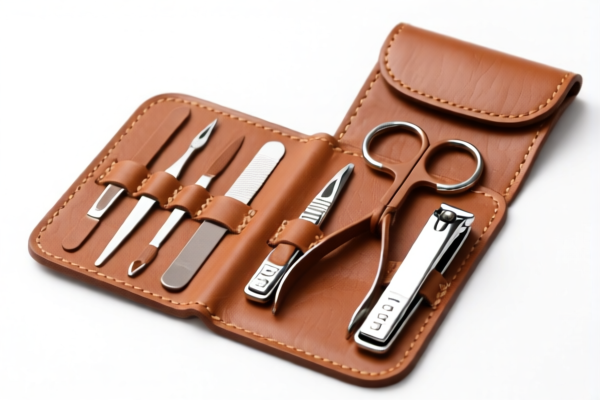
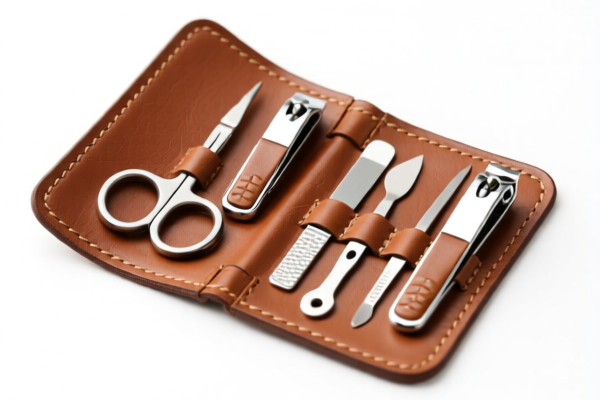
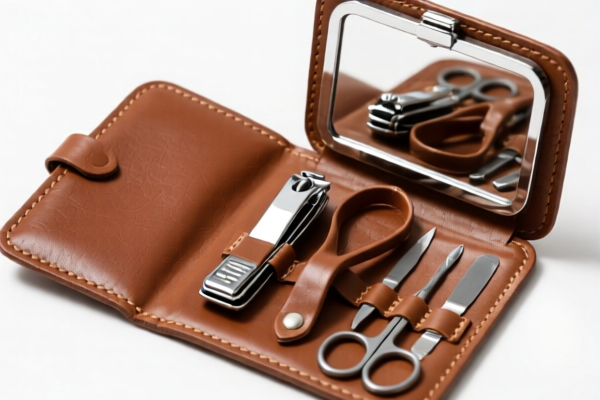
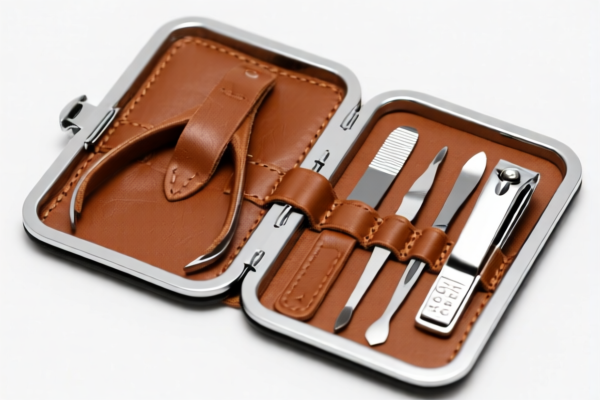
AI Analysis
🧵 Artificial Leather Tool Set: HS Code Classification & Customs Clearance Guide (2026)
🌐 HS Code Reference & Customs Strategy | 2026 Latest Tariff Analysis | Professional Clearance Tactics
📌 I. Product Definition & Classification: What Exactly is an "Artificial Leather Tool Set"?
An "Artificial Leather Tool Set" typically refers to a collection of handheld instruments used for shaping, embossing, cutting, or smoothing synthetic leather materials in crafting, upholstery, or manufacturing processes. In international trade, the classification depends heavily on the material, function, and specific mechanism of the tools.
Key Distinction Points: * Powered vs. Manual: Is the tool electric/motorized (Part of Machine 84) or purely manual (Hand Tool 82/84)? * Specific vs. General Purpose: Is it specifically designed for leather working (Chapter 84 heading 8449) or is it a general metal hand tool (Chapter 82)? * Composition: Are the tools made of steel, wood, or composite materials?
⚠️ Critical Warning:
Misclassification between "Hand Tools" (Ch 82) and "Parts/Accessories of Machines" (Ch 84) can lead to drastic tariff differences, especially with current US trade policies (Section 301 & IEEPA).
📦 II. HS Code Classification Details (2026 Latest Tariff Matrix)
Based on the provided data, here are the four potential HS Codes for Artificial Leather Tools, categorized by their functional logic:
| HS Code | Product Description & Logic | Applicability | Tax Rate (Total) |
|---|---|---|---|
| 8449.00.10.00 | Leather Dressing/Shaping Tools Specifically designed for leather processing operations. Classified under "Machinery for dressing, tanning or working leather." |
Best for specialized leather-forming tools. | 20.1% |
| 8467.89.50.90 | Hand-Held Power Tools (Other) Tools designed to be held in the hand and operated by hand, for artificial leather shaping. |
If the tool has a small motor/power source but is handheld. | 17.5% |
| 8205.59.55.60 | Metal Hand Tools (Other) General metal hand tools used for shaping. Includes chisels, punches, etc. |
Non-powered, metal-based shaping tools. | 40.3% |
| 8449.00.50.00 | Parts/Accessories for Leather Machines Tools that function as attachments or specific forming devices for leather sheet processing. |
If the tool is considered an accessory to a larger leather-working machine. | 17.5% |
🔍 Focus Reminder:
- 8449 codes generally have lower duties (17.5% - 20.1%) because they are seen as specialized industrial equipment. - 8205 codes carry the highest burden (38.7% - 40.3%) due to Section 301 tariffs on steel/metal hand tools. - 8467 is a hybrid category for handheld power tools, often benefiting from lower base tariffs.
💰 III. 2026 Latest Tariff Rate Breakdown (Detailed Policy Analysis)
✅ Applicable Country: United States (US)
✅ Country of Origin: China (CN)
✅ Effective Date: Current Trade Restrictions (Section 301 & IEEPA)
🎯 1. 8449.00.10.00 —— Leather Dressing/Shaping Tools (Specialized)
| Item | Detail |
|---|---|
| Base Duty | 2.6% |
| Section 301 Surcharge | +7.5% |
| IEEPA Surcharge (122 Section) | +10% |
| Total Effective Rate | 20.1% |
| De Minimis Exemption? | ❌ No (Deny de_minimis for CN origin in most cases) |
| Legal Basis | USITC:8449.00.10.00 → Section301:7.5% → IEEPA:10% |
📌 Interpretation:
This is the most favorable classification if your tools are specifically marketed and used for leather. The low base rate (2.6%) significantly offsets the additional tariffs. The "122 Section" refers to specific US trade enforcement actions.
🎯 2. 8467.89.50.90 —— Hand-Held Power Tools (General)
| Item | Detail |
|---|---|
| Base Duty | 0.0% |
| Section 301 Surcharge | +7.5% |
| IEEPA Surcharge (122 Section) | +10% |
| Total Effective Rate | 17.5% |
| De Minimis Exemption? | ❌ No |
| Legal Basis | USITC:8467.89.50.90 → Section301:7.5% → IEEPA:10% |
📌 Interpretation:
If your "tool set" includes electric shapers or grinders, this code offers the lowest total duty (17.5%). However, you must prove the tool is "hand-held" and "power-operated."
🎯 3. 8205.59.55.60 & 8205.59.80.00 —— Metal Hand Tools (High Risk)
| Item | Detail (for 8205.59.55.60) |
|---|---|
| Base Duty | 5.3% |
| Section 301 Surcharge | +25.0% (Heavy Penalty) |
| IEEPA Surcharge (122 Section) | +10% |
| Total Effective Rate | 40.3% |
| De Minimis Exemption? | ❌ No |
| Legal Basis | USITC:8205.59.55.60 → Section301:25% → IEEPA:10% |
📌 Interpretation:
⚠️ AVOID IF POSSIBLE. The 25% Section 301 tariff on steel hand tools makes this category extremely expensive. Only use this if the tool is purely manual, metal, and cannot be classified under Leather Machinery (8449).
🎯 4. 8449.00.50.00 —— Leather Machine Accessories
| Item | Detail |
|---|---|
| Base Duty | 0.0% |
| Section 301 Surcharge | +7.5% |
| IEEPA Surcharge (122 Section) | +10% |
| Total Effective Rate | 17.5% |
| De Minimis Exemption? | ❌ No |
| Legal Basis | USITC:8449.00.50.00 → Section301:7.5% → IEEPA:10% |
📌 Interpretation:
If your tool is an attachment (e.g., a specific mold or die for a leather press), this code is equally efficient as 8467.
🛠️ IV. Customs Clearance Practical Advice (Pitfall Avoidance Guide)
✅ 1. Documentation Checklist (Mandatory)
| Document | Requirement | Note |
|---|---|---|
| Product Specifications | ✔️ | Must detail if tools are powered or manual. |
| Component List | ✔️ | Separate metal parts from handles/parts. |
| Photos | ✔️ | Show the tool in use on artificial leather. |
| Commercial Invoice | ✔️ | Description must match HS Code logic (e.g., "Leather Shaping Tool" vs. "Steel Chisel"). |
| Origin Certificate | ✔️ | To verify CN origin for tariff calculation. |
✅ 2. Declaration Strategy (Key Mantras)
🔥 "Leather First, Metal Second; Powered or Specialized, Lower Duty Wins!"
| Scenario | Recommended HS Code | Reasoning |
|---|---|---|
| Specialized Leather Shapers | 8449.00.10.00 |
Specific use case overrides general tool classification. |
| Electric Handheld Shapers | 8467.89.50.90 |
Fits "Handheld Power Tools" definition. |
| Attachments for Leather Machines | 8449.00.50.00 |
Classified as parts/accessories. |
| Generic Metal Chisels/Punches | 8205.59.55.60 |
Only if no leather-specific function is proven. High Risk. |
✅ 3. Special Handling Cases
- Set Composition: If the set contains both metal chisels and specialized leather dressers, declare them separately. Do not lump them into one "set" code. Group the leather-specific items under
8449and the generic metal items under8205if necessary, but try to argue the entire set is for "leather dressing" to utilize8449. - Material Declaration: Do not simply state "Metal Tools." Specify "Steel Tools for Leather Dressing" to align with
8449. - Function Emphasis: In the invoice description, emphasize "Artificial Leather Shaping" and "Dressing" rather than just "Tool" or "Hand Tool."
🌍 V. Global Market Comparison (2026)
| Region | Recommended HS Code | Est. Duty (CN Origin) | Notes |
|---|---|---|---|
| 🇺🇸 USA | 8449.00.10.00 / 8467.89.50.90 |
17.5% - 20.1% | Avoid 8205 (40.3%+) due to high Section 301 tariffs. |
| 🇨🇳 China (Export) | Varies | See Local Tariff | Export duties are generally low, but focus on accurate classification for destination. |
| 🇪🇺 EU | 8449.00.00 |
0% - 4% | No Section 301 tariffs. Lower barriers if correctly classified as leather machinery parts. |
| 🇬🇧 UK | 8449.00.00 |
0% - 4% | Post-Brexit rules apply; similar to EU for machinery parts. |
📌 Conclusion:
For US imports, classifying under Chapter 84 (8449/8467) is critical to save over 20% in duties compared to Chapter 82.
📌 VI. Common Mistakes & Pitfalls (Blood & Tears Lessons)
❌ Mistake 1: Declaring as "Hand Tools" (8205)
👉 Consequence: Tariff jumps to 40.3%. You pay double what you should.
❌ Mistake 2: Ignoring the "Leather" Function
👉 Consequence: Customs may reclassify from 8449 (20.1%) to a general category with higher duties. Always highlight the specific application.
❌ Mistake 3: Mixing Powered and Manual Tools in One Line Item
👉 Consequence: Confusion. Declare separately. A manual punch and an electric shaper are very different.
✅ Correct Practice:
"Artificial Leather Dressing Tools, Specialized Shaping Instruments, Model XYZ, For Industrial Use"
🎯 VII. Conclusion: Professional Declaration Saves Money!
🎯 Remember the Mantra:
🔹 "Leather Machinery (84) is King; General Hand Tools (82) are Costly!"
🔹 "Use 8449 or 8467 for 17-20%; Avoid 8205 to escape 40%!"
📌 Pro Tip:
If your tools are versatile (can be used for wood or metal too), argue for 8449 by providing photos of them being used specifically on artificial leather. This "primary use" argument is key to unlocking the lower 17.5-20.1% rates.
📣 Immediate Action:
📞 Consult a Customs Broker for a Pre-Ruling (Advance Ruling) on
8449.00.10.00vs8205.
🚀 Optimize your supply chain costs by just changing 4 digits in your HS Code!
✨ Precise Classification is the Key to Profitability!
💼 Every 25% tariff saved is pure margin added!
Customer Reviews
About HS Code Classification
The Harmonized System (HS) is an internationally standardized nomenclature developed by the World Customs Organization (WCO) to classify traded products. Over 200 countries use the HS system as the basis for customs tariffs, trade statistics, and import/export regulations.
Each HS code follows a hierarchical structure:
- Chapter (2 digits) — Broad category of goods (e.g., Chapter 84: Machinery and Mechanical Appliances)
- Heading (4 digits) — More specific grouping within the chapter
- Subheading (6 digits) — Internationally standardized breakdown, used by all WCO member countries
- National subdivisions (8-10 digits) — Country-specific extensions for further classification, such as US HTSUS 10-digit codes
Correct HS code classification is essential for smooth customs clearance, accurate duty payment, and compliance with trade regulations. Misclassification can lead to customs delays, overpayment of duties, or penalties.
When importing from CN to US, the applicable tariff rates may include:
- Most-Favored-Nation (MFN) rate — The standard duty rate applied to WTO members
- General rate — Applied to countries without trade agreements
- Trade remedy duties — Additional tariffs such as Section 301 (anti-dumping), Section 232 (national security), or countervailing duties
The information provided on this page is for reference purposes only. For official classification, please consult with your local customs authority or a licensed customs broker.