Artificial Plants
CN → US| HS Code | Tariff Rate | Origin | Destination | Doc |
|---|---|---|---|---|
| 6702903500 | 19.0% | CN | US | Official Doc |
| 3926400090 | 15.3% | CN | US | Official Doc |
| 6702104000 | 13.4% | CN | US | Official Doc |
| 9505105020 | 10.0% | CN | US | Official Doc |
| 3926400010 | 15.3% | CN | US | Official Doc |
Product Images
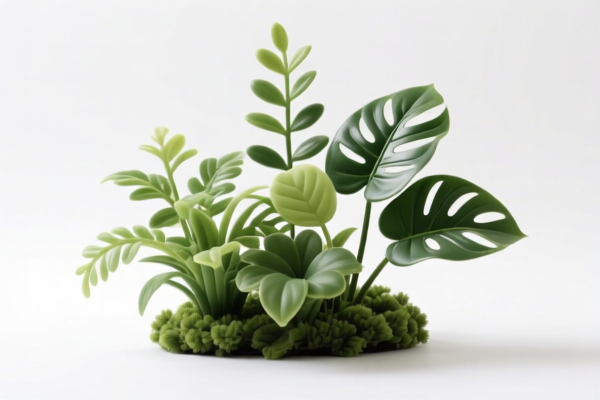
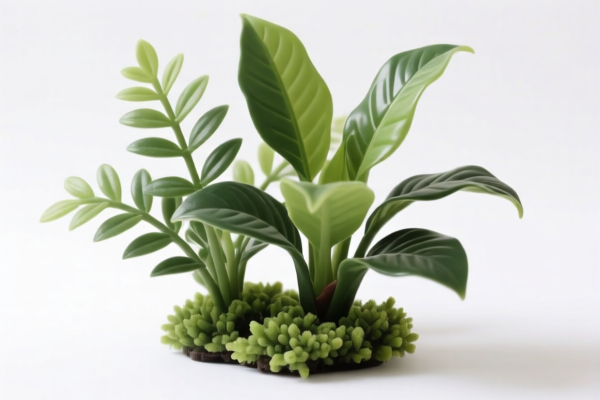


AI Analysis
🌿 Artificial Plants (Faux Florals & Greenery)
🌐 HS Code Reference & Customs Clearance Guide | 2026 Latest Tariff Analysis | Professional Clearance Strategy
📌 I. Product Definition & Classification: What Exactly Are "Artificial Plants"?
Artificial plants are decorative items designed to mimic natural vegetation, including flowers, leaves, and fruits. In international trade, their classification depends heavily on material composition and intended use. They are generally categorized under:
- Chapter 67 (Prepared feathers/down, artificial flowers): The primary chapter for "artificial flowers, foliage, and fruit."
- Chapter 95 (Toys, games, sports equipment): Specifically for festive, ornamental, or decorative items used during holidays (e.g., Christmas decorations).
- Chapter 39 (Plastics and articles thereof): If the plant is primarily made of plastic and doesn't fit the specific "artificial flower" description or is considered a general plastic decoration.
⚠️ Key Distinction Points:
- Material: Is it primarily fabric/silk (Ch. 67) or plastic (Ch. 39)?
- Form: Is it a detailed "flower/leaf/fruit" structure or a generic plastic ornament?
- Usage: Is it for general home decor (Ch. 67/39) or specifically for festive occasions (Ch. 95)?
📦 II. HS Code Classification Matrix (2026 Latest Tariff Authority Comparison)
| HS Code | Product Description | Material Assumption | Primary Use Case | Tax Rate (China Origin) |
|---|---|---|---|---|
6702.10.40.00 |
Artificial flowers, foliage, and fruit | Plastic or Silk/Fabric | General Home/Office Decor | 13.4% |
9505.10.50.20 |
Festive, carnival, or other entertainment articles | Plastic or Fabric | Holiday Decor (e.g., Christmas trees, wreaths) | 10.0% |
3926.40.00.10 |
Articles of plastic for furniture (decoration) | Plastic | Plastic Decorative Ornament | 15.3% |
3926.90.99.89 |
Other articles of plastic | Plastic | General Plastic Decoration (Fallback) | 22.8% |
6702.90.35.00 |
Other artificial flowers, foliage, and fruit | Artificial Fiber | Non-plastic artificial flora | 19.0% |
🔍 Critical Reminder:
-6702.10.40.00is often the most common classification for standard plastic/silk artificial plants.
-9505.10.50.20offers the lowest duty if the item is clearly marketed for festive/seasonal decoration (e.g., Halloween pumpkins, Christmas greens).
-3926codes carry higher tariffs and are used when the "artificial flower" classification is ambiguous or the item is strictly a plastic mold without fabric components.
💰 III. 2026 Latest Tariff Rate Breakdown (Including Surcharges)
✅ Applicable Country: United States (US)
✅ Country of Origin: China (CN)
✅ Effective Date: From November 10, 2025 (and subsequent imports)
🎯 1. 6702.10.40.00 – Artificial Flowers (Plastic/Silk)
| Item | Content |
|---|---|
| Base Duty | 3.4% |
| Section 301 Surcharge | 0.0% |
| Section 122 Surcharge | 10.0% |
| Total Duty Rate | 13.4% |
| Tax Calculation | CIF Value × 13.4% |
| De Minimis Exemption | ❌ Not Applicable |
| Legal Basis Path | Section 122: 9903.88.01 → USITC: 6702.10.40.00 |
📌 Explanation:
- The 10% Section 122 tariff is applied to many consumer goods from China.
- Unlike some electronics, artificial plants do not typically attract the higher Section 301 tariffs in this specific subheading, resulting in a moderate total rate of 13.4%.
🎯 2. 9505.10.50.20 – Festive Decorations
| Item | Content |
|---|---|
| Base Duty | 0.0% |
| Section 301 Surcharge | 0.0% |
| Section 122 Surcharge | 10.0% |
| Total Duty Rate | 10.0% |
| Tax Calculation | CIF Value × 10.0% |
| De Minimis Exemption | ❌ Not Applicable |
| Legal Basis Path | Section 122: 9903.88.01 → USITC: 9505.10.50.20 |
📌 Strategy Note:
- This is the lowest tax rate among the options.
- Crucial: To qualify, the product must be explicitly designed and marketed for festive occasions (e.g., "Christmas Artificial Pine," "Halloween Decorative Vine"). General "living room plants" may be rejected for this code.
🎯 3. 3926.40.00.10 – Plastic Decorative Articles
| Item | Content |
|---|---|
| Base Duty | 5.3% |
| Section 301 Surcharge | 0.0% |
| Section 122 Surcharge | 10.0% |
| Total Duty Rate | 15.3% |
| Tax Calculation | CIF Value × 15.3% |
| De Minimis Exemption | ❌ Not Applicable |
| Legal Basis Path | Section 122: 9903.88.01 → USITC: 3926.40.00.10 |
📌 Warning:
- This code is for plastic-only decorative items that do not qualify as "artificial flowers" under Ch. 67.
- If your product has fabric leaves but is misclassified here, you risk penalties. Ensure the material composition is >50% plastic if using this code.
🎯 4. 3926.90.99.89 – Other Plastic Articles
| Item | Content |
|---|---|
| Base Duty | 5.3% |
| Section 301 Surcharge | 7.5% |
| Section 122 Surcharge | 10.0% |
| Total Duty Rate | 22.8% |
| Tax Calculation | CIF Value × 22.8% |
| De Minimis Exemption | ❌ Not Applicable |
| Legal Basis Path | Section 301: 9903.88.01 → Section 122: 9903.88.01 → USITC: 3926.90.99.89 |
📌 High Cost Alert:
- This is the highest tariff bracket.
- It is a "catch-all" category. Use only if the product is clearly a generic plastic item with no floral characteristics.
- The 7.5% Section 301 makes this code significantly more expensive than6702or9505.
🎯 5. 6702.90.35.00 – Other Artificial Flowers (Fiber)
| Item | Content |
|---|---|
| Base Duty | 9.0% |
| Section 301 Surcharge | 0.0% |
| Section 122 Surcharge | 10.0% |
| Total Duty Rate | 19.0% |
| Tax Calculation | CIF Value × 19.0% |
| De Minimis Exemption | ❌ Not Applicable |
| Legal Basis Path | Section 122: 9903.88.01 → USITC: 6702.90.35.00 |
📌 Note:
- Applies to artificial plants made primarily of artificial fibers (e.g., nylon, polyester fabric) rather than plastic stems/leaves.
- Higher base duty than plastic-based6702.10, but no Section 301 surcharge.
🛠️ IV. Customs Clearance Practical Advice (Avoid Pitfalls)
✅ 1. Documentation Checklist (Mandatory)
| Document | Required | Description |
|---|---|---|
| ✅ Product Specifications | ✔️ | Detailed list of materials (e.g., "Polyethylene stems, Silk leaves"). |
| ✅ Product Photos | ✔️ | Clear images showing the item’s structure, including close-ups of leaves/flowers. |
| ✅ Commercial Invoice | ✔️ | Must explicitly state "Artificial Plants" or "Faux Flowers," not just "Decor." |
| ✅ Material Declaration | ✔️ | Proof of material composition to support Ch. 67 vs. Ch. 39 classification. |
| ✅ Festive Marketing Materials | (For 9505) | Brochures showing holiday themes (e.g., Christmas packaging) to justify 9505.10.50.20. |
✅ 2. Classification Strategy (Key Mantra)
🔥 “Material Defines Chapter, Usage Defines Code!”
| Scenario | Recommended HS Code | Reason |
|---|---|---|
| Standard Plastic/Silk Plant | 6702.10.40.00 |
Fits "Artificial Flowers" definition; moderate tax (13.4%). |
| Christmas/Halloween Decor | 9505.10.50.20 |
Fits "Festive Articles"; lowest tax (10.0%) if marketed correctly. |
| Pure Plastic Ornament (No Floral Shape) | 3926.90.99.89 |
Fallback for generic plastic items; highest tax (22.8%). |
| Fabric-Only Plant (No Plastic Stems) | 6702.90.35.00 |
Fits "Artificial Fiber" category; higher base tax (19.0%). |
| Plastic Decor (Furniture Accessory) | 3926.40.00.10 |
If classified as a plastic article for furniture/decor; mid-range tax (15.3%). |
⚠️ Critical Warning:
- Do not classify a generic plastic plant as9505unless it is explicitly for festive use. CBP may reject it and reclassify to6702or3926, leading to back taxes.
- Do not use3926for items that clearly resemble flowers/leaves/fruit, as Chapter 67 is specifically for these items.
✅ 3. Special Considerations
| Situation | Handling Advice |
|---|---|
| Mixed Materials | If >50% plastic, lean toward 6702.10 (if floral) or 3926. If >50% fabric, lean toward 6702.90. |
| OEM Custom Designs | Provide design sketches and material breakdown to prove "floral" intent for 6702 classification. |
| Bundled Items | If sold as a "Planter + Artificial Plant," declare the plant separately if possible. If bundled, the principal character determines the code. |
| Seasonal Inventory | For Q4 (Holiday) imports, ensure marketing materials support 9505 to capture the 10% rate. |
🌍 V. Global Market Comparison (2026 Latest)
| Country/Region | Recommended HS Code | Estimated Duty (China Origin) | Notes |
|---|---|---|---|
| 🇺🇸 USA | 6702.10.40.00 |
13.4% | Includes 10% Section 122 tariff. |
| 🇺🇸 USA | 9505.10.50.20 |
10.0% | Lowest rate for festive items. |
| 🇨🇳 China | 6702.10.40.00 |
5% | Lower import duty in China. |
| 🇪🇺 EU | 6702.90.00.00 |
~5-8% | No Section 122 equivalent; VAT applies separately. |
| 🇬🇧 UK | 6702.90.00.00 |
~5-8% | Similar to EU post-Brexit. |
| 🇯🇵 Japan | 6702.90.00.00 |
5-10% | No major surcharges for this category. |
📌 Conclusion:
- The US market is uniquely impacted by Section 122 tariffs, adding 10% to most consumer goods.
-9505.10.50.20is the most cost-effective code for US imports if the product is festively oriented.
- Avoid3926.90.99.89unless absolutely necessary, as the 22.8% total duty is prohibitive for low-margin goods.
📌 VI. Common Mistakes & Pitfalls (Lessons Learned)
❌ Mistake 1: Classifying all plastic decorations under 6702
👉 Consequence: If the item doesn't look like a flower/leaf/fruit, CBP may reclassify to 3926, resulting in higher duties and penalties.
❌ Mistake 2: Using 9505 for non-festive plants
👉 Consequence: CBP will reject the festive claim and reclassify to 6702 (13.4%) or 3926 (22.8%), causing customs delays and back taxes.
❌ Mistake 3: Ignoring Section 122 Applicability
👉 Consequence: Underestimating the 10% surcharge. All listed HS codes above include this 10% charge for China-origin goods.
❌ Mistake 4: Misdeclaring Material Composition
👉 Consequence: If you claim "Silk" but it's "Polyester," CBP may dispute the 6702.10 classification and move it to a different subheading with different tax rates.
✅ Best Practice:
"Be Specific, Be Accurate, Be Festive (If Applicable)."
- Use precise descriptions: "Artificial Silk Rose Bouquet" vs. "Plastic Decor."
- Ensure marketing materials align with the chosen HS Code (e.g., Christmas tags for9505).
🎯 VII. Conclusion: Precise Classification, Optimized Costs!
🎯 Key Takeaways:
🔹 Lowest Tax:
9505.10.50.20(10.0%) – Best for Holiday/Festive Items.
🔹 Standard Tax:6702.10.40.00(13.4%) – Best for General Artificial Plants.
🔹 Highest Tax:3926.90.99.89(22.8%) – Avoid if possible.🔹 Remember: The 10% Section 122 Tariff applies to all these categories for China-origin goods. There is no de minimis exemption.
📌 Pro Tip:
If you are importing non-festive general artificial plants, stick to
6702.10.40.00for the best balance of classification accuracy and cost.
For Q4 Holiday Imports, aggressively market your items as "Festive Decor" to qualify for the lower9505.10.50.20rate.
📣 Immediate Action:
📞 Consult a Customs Broker to review your specific product samples.
📄 Prepare Material Declarations to support your HS Code choice.
🚀 Optimize your supply chain by leveraging the 10% rate for festive items!
✨ Professional Clearance Starts with Accurate Classification!
💼 Every Percent Saved is Pure Profit!
Customer Reviews
About HS Code Classification
The Harmonized System (HS) is an internationally standardized nomenclature developed by the World Customs Organization (WCO) to classify traded products. Over 200 countries use the HS system as the basis for customs tariffs, trade statistics, and import/export regulations.
Each HS code follows a hierarchical structure:
- Chapter (2 digits) — Broad category of goods (e.g., Chapter 84: Machinery and Mechanical Appliances)
- Heading (4 digits) — More specific grouping within the chapter
- Subheading (6 digits) — Internationally standardized breakdown, used by all WCO member countries
- National subdivisions (8-10 digits) — Country-specific extensions for further classification, such as US HTSUS 10-digit codes
Correct HS code classification is essential for smooth customs clearance, accurate duty payment, and compliance with trade regulations. Misclassification can lead to customs delays, overpayment of duties, or penalties.
When importing from CN to US, the applicable tariff rates may include:
- Most-Favored-Nation (MFN) rate — The standard duty rate applied to WTO members
- General rate — Applied to countries without trade agreements
- Trade remedy duties — Additional tariffs such as Section 301 (anti-dumping), Section 232 (national security), or countervailing duties
The information provided on this page is for reference purposes only. For official classification, please consult with your local customs authority or a licensed customs broker.