Asbestos Brake Pads
CN → US| HS Code | Tariff Rate | Origin | Destination | Doc |
|---|---|---|---|---|
| 8708301010 | 35.0% | CN | US | Official Doc |
| 6813200010 | 35.0% | CN | US | Official Doc |
| 8708305040 | 0.0% | CN | US | Official Doc |
| 8708305030 | 0.0% | CN | US | Official Doc |
| 4016996010 | 37.5% | CN | US | Official Doc |
Product Images
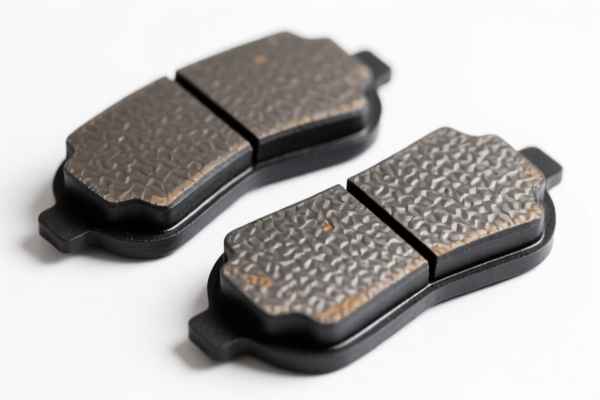
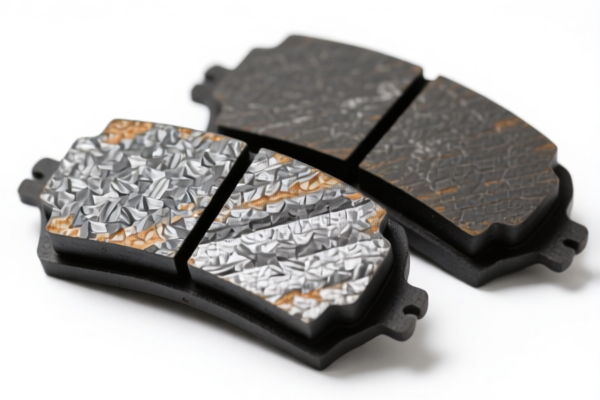
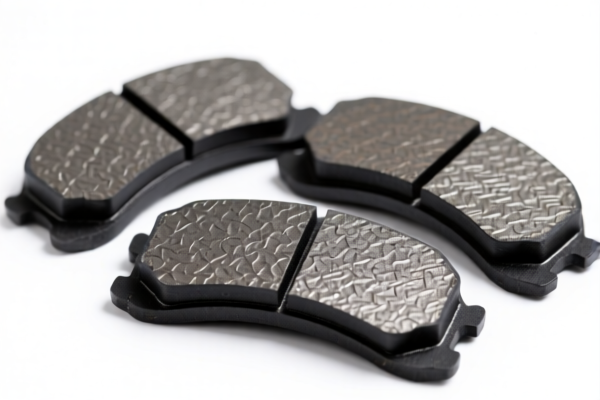
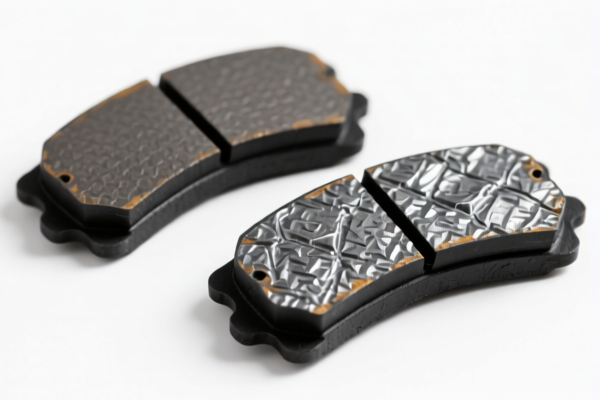
AI Analysis
🛑 Asbestos Brake Pads: Critical HS Code Classification & US Customs Clearance Guide (2026)
🌐 HS Code Reference & Customs Clearance Strategy | Updated Tariff Analysis | Expert Compliance Guide
📌 1. Product Definition & Classification Nuances
Asbestos Brake Pads are friction components used in vehicular braking systems. Due to health regulations and material composition, their classification depends on material properties, physical form, and application context. International trade regulations (especially US CBP) require precise identification to determine applicable tariff rates, including additional duties under Section 301 and IEEPA.
⚠️ Key Distinction:
- Asbestos-based pads often fall under agricultural machinery parts or general friction materials, depending on form.
- Non-asbestos (e.g., rubber/composite) pads may be classified under rubber products or automotive parts.
📦 2. HS Code Classification Details (2026 Tariff Schedule)
| HS Code | Product Description | Material/Form | Application | Notes |
|---|---|---|---|---|
8708.30.10.10 |
Asbestos Brake Pads, agricultural machinery compatible | Asbestos + high-temp friction material | Agricultural vehicles | High-temperature resistance required |
6813.20.00.10 |
Asbestos Brake Pads, general friction material | Asbestos + brake pad form | General automotive/machinery | Standard friction material classification |
8708.30.50.40 |
Asbestos Brake Pads, brake system component | Asbestos + installed lining | Vehicular brake systems | Compatible with vehicle brake衬砌 |
8708.30.50.30 |
Brake Pads, braking system servo component | Composite (asbestos implied) | Servo braking systems | Matches brake system/servo system parts |
4016.99.60.10 |
Brake Pads, rubber-based (inferred) | Sulfurized rubber/rubber composite | General automotive | Assumed rubber content due to lack of asbestos specification |
🔍 Important Clarification:
- Asbestos-containing products face strict scrutiny due to health hazards. Ensure compliance with EPA/OSHA standards in destination countries.
- Rubber-based pads (4016.99.60.10) are classified differently if asbestos is absent.
💰 3. 2026 US Tariff Rates Breakdown (Including Additional Duties)
✅ Applicable Country: United States (US)
✅ Country of Origin: China (CN)
✅ Effective Date: November 10, 2025 onwards
🎯 1. HS Codes 8708.30.10.10, 6813.20.00.10: Asbestos-Based Pads
| Item | Details |
|---|---|
| Base Tariff | 0% (ad valorem) |
| USITC Additional Duty | +25% (Section 301) |
| IEEPA Additional Duty | +10% (China/Hong Kong products, effective Nov 10, 2025) |
| Total Tariff | 35% |
| Tax Calculation | CIF Value × 35% |
| De Minimis Exemption | ❌ Not available (deny_de_minimis) |
| Legal Basis | IEEPA:9903.01.25 → USITC:8708.30.10.10/6813.20.00.10 → FOOTNOTE:9903.88.01 |
📌 Explanation:
- 25% USITC Duty: Section 301 tariffs on Chinese goods.
- 10% IEEPA Duty: Additional China-specific tariffs.
- Total 35%: High duty rate requires proactive cost planning.
🎯 2. HS Codes 8708.30.50.40, 8708.30.50.30: Automotive Brake System Components
| Item | Details |
|---|---|
| Base Tariff | 2.5% |
| USITC Additional Duty | +25% |
| IEEPA Additional Duty | +10% |
| Total Tariff | 37.5% |
| Tax Calculation | CIF Value × 37.5% |
| De Minimis Exemption | ❌ Not available |
| Legal Basis | IEEPA:9903.01.25 → USITC:8708.30.50.40/30 → FOOTNOTE:9903.88.01 |
📌 Note:
- These codes apply to brake pads integrated into vehicle brake systems.
- 37.5% is higher than non-system components due to higher base tariff.
🎯 3. HS Code 4016.99.60.10: Rubber-Based Brake Pads
| Item | Details |
|---|---|
| Base Tariff | 2.5% |
| USITC Additional Duty | +25% |
| IEEPA Additional Duty | +10% |
| Total Tariff | 37.5% |
| Tax Calculation | CIF Value × 37.5% |
| De Minimis Exemption | ❌ Not available |
| Legal Basis | IEEPA:9903.01.25 → USITC:4016.99.60.10 → FOOTNOTE:9903.88.01 |
📌 Caution:
- This classification assumes rubber content (not asbestos). Misclassification as asbestos-based could lead to penalties.
- 37.5% applies if rubber is confirmed.
🛠️ 4. Customs Clearance Practical Advice
✅ 1. Required Documentation Checklist
| Document | Mandatory | Notes |
|---|---|---|
| Product Specification Sheet | ✔️ | Include material composition (asbestos/rubber), dimensions, heat resistance |
| Material Safety Data Sheet (MSDS) | ✔️ | Critical for asbestos-containing products |
| Third-Party Test Report | ✔️ | EPA/OSHA compliance for asbestos; ISO for rubber pads |
| Commercial Invoice | ✔️ | Specify "Asbestos Brake Pads" or "Rubber Brake Pads" accurately |
| Certificate of Origin (CO) | ✔️ | To verify Chinese origin |
| Packing List | ✔️ | Detail components to avoid split declaration errors |
✅ 2. Declaration Best Practices
🔥 Golden Rule:
"Material defines HS Code, Form confirms Application, Name Must Match Spec!"
| Scenario | Correct Declaration | Incorrect Practice |
|---|---|---|
| Asbestos pads for agricultural machinery | 8708.30.10.10 |
Declare as general brake pads → 35% vs. correct 35% (no savings) |
| Asbestos pads as general friction material | 6813.20.00.10 |
Misclassify as automotive parts → 37.5% penalty |
| Rubber-based pads | 4016.99.60.10 |
Declare as asbestos → Health violations + 37.5% |
| Brake pads with servo system integration | 8708.30.50.30 |
Split declaration → Higher duties + delays |
✅ 3. Special Cases
| Situation | Handling Advice |
|---|---|
| OEM Custom Asbestos Pads | Provide design specs + material certs to prove compatibility |
| Asbestos vs. Rubber Dispute | Submit MSDS + lab reports; CBP may require reclassification |
| Health Compliance Issues | Ensure destination country (US) allows asbestos imports (strictly regulated) |
| Military/Special Use | Seek pre-ruling for potential exemptions (rare) |
🌍 5. Global Market Comparison (2026)
| Country/Region | Recommended HS Code | Tariff (China Origin) | Certification | Notes |
|---|---|---|---|---|
| 🇺🇸 US | 8708.30.10.10/6813.20.00.10 |
35% | EPA/OSHA | Strict asbestos regulations |
| 🇨🇳 China | 6813.20.00.10 |
0% | CCC (if rubber) | No additional tariffs |
| 🇪🇺 EU | 6813.20.00.10 |
0% (if asbestos banned) | REACH | Asbestos restricted |
| 🇯🇵 Japan | 6813.20.00.10 |
0% | JIS | Asbestos phased out |
📌 Conclusion:
- US is the most challenging market for asbestos brake pads due to 35-37.5% tariffs and health regulations.
- Non-asbestos (rubber) pads face similar tariffs but avoid health compliance risks.
📌 6. Common Mistakes & Pitfalls
❌ Mistake 1: Declaring asbestos pads as "general brake pads" without material specification
👉 Consequence: CBP reclassification → 37.5% vs. 35% + fines
❌ Mistake 2: Omitting MSDS for asbestos-containing products
👉 Consequence: Customs hold → Delays + storage fees
❌ Mistake 3: Misclassifying rubber pads as asbestos-based
👉 Consequence: Health violation → Product seizure
✅ Correct Approach:
"Asbestos Brake Pad, Agricultural Machinery Compatible, High-Temp Friction Material, Model XYZ, EPA Compliant"
🎯 7. Final Recommendations
🎯 Key Takeaways:
🔹 "Material First, Form Second, Name Precise!"
🔹 "Asbestos = 35%, Rubber = 37.5% – Verify Composition!"
📌 Pro Tips:
- If asbestos is prohibited in the destination country, switch to non-asbestos alternatives.
- Apply for USCBP Pre-Ruling to confirm HS Code before shipment.
- For rubber-based pads, ensure MSDS confirms no asbestos content.
📣 Immediate Action:
📞 Contact customs broker + Submit MSDS + Specs + Request Pre-Ruling
🚀 Avoid surprises: Clear classification saves time, money, and compliance risks!
✨ Professional Clearance Starts with Accurate Classification!
💼 Every dollar matters in global trade – optimize your HS Code strategy!
Customer Reviews
About HS Code Classification
The Harmonized System (HS) is an internationally standardized nomenclature developed by the World Customs Organization (WCO) to classify traded products. Over 200 countries use the HS system as the basis for customs tariffs, trade statistics, and import/export regulations.
Each HS code follows a hierarchical structure:
- Chapter (2 digits) — Broad category of goods (e.g., Chapter 84: Machinery and Mechanical Appliances)
- Heading (4 digits) — More specific grouping within the chapter
- Subheading (6 digits) — Internationally standardized breakdown, used by all WCO member countries
- National subdivisions (8-10 digits) — Country-specific extensions for further classification, such as US HTSUS 10-digit codes
Correct HS code classification is essential for smooth customs clearance, accurate duty payment, and compliance with trade regulations. Misclassification can lead to customs delays, overpayment of duties, or penalties.
When importing from CN to US, the applicable tariff rates may include:
- Most-Favored-Nation (MFN) rate — The standard duty rate applied to WTO members
- General rate — Applied to countries without trade agreements
- Trade remedy duties — Additional tariffs such as Section 301 (anti-dumping), Section 232 (national security), or countervailing duties
The information provided on this page is for reference purposes only. For official classification, please consult with your local customs authority or a licensed customs broker.