Ascender
CN → US| HS Code | Tariff Rate | Origin | Destination | Doc |
|---|---|---|---|---|
| 8425190000 | 35.0% | CN | US | Official Doc |
| 8425110000 | 35.0% | CN | US | Official Doc |
| 7326190080 | 87.9% | CN | US | Official Doc |
| 7326908688 | 87.9% | CN | US | Official Doc |
| 9506996080 | 21.5% | CN | US | Official Doc |
Product Images
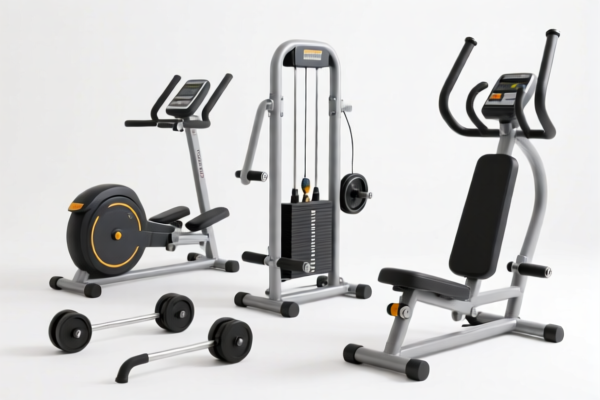
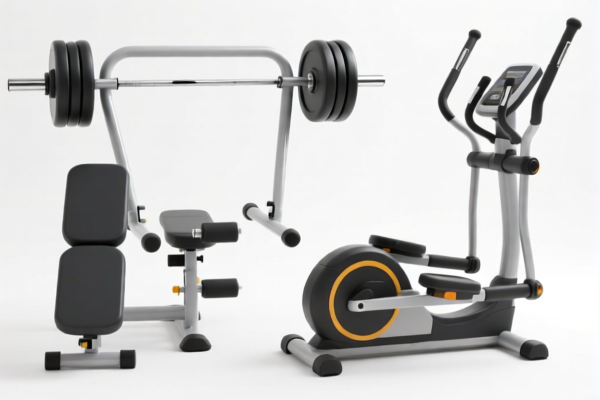
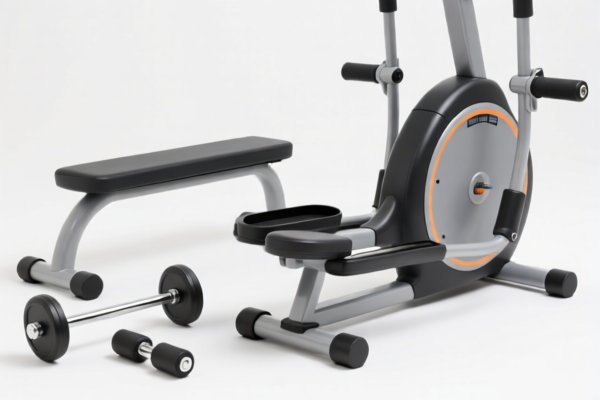
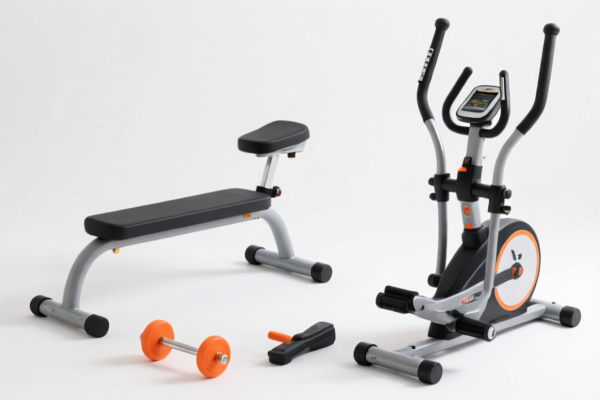
AI Analysis
🚀 Ascender (Pulley Tackle, Hoists, Winches, Capstans, and Jacks)
🌐 HS Code Classification & Tariff Guide | 2026 Updated Customs Rules | Pro Tips for Smooth Clearance
📌 One Product, Four Critical HS Codes – Know the Difference or Pay the Price!
📦 1. Product Definition & Classification: What Exactly Is an "Ascender"?
An ascender is a mechanical lifting device used to raise or lower heavy loads, typically in industrial, construction, or rescue operations. In customs classification, it falls under lifting equipment and is categorized based on:
- Power source (manual vs. electric)
- Design type (pulley tackle, hoist, winch, capstan, jack)
- Material & manufacturing process (forged/stamped steel, etc.)
⚠️ Key Insight:
- If it’s not a skip hoist or vehicle lift, it’s classified under 8425.1x
- If it’s powered by electric motor, it’s 8425.11.00.00
- If it’s manual or hydraulic, it’s 8425.19.00.00
- If made from forged/stamped steel, it may be subject to steel/aluminum/copper tariffs
🔍 2. HS Code Breakdown (2026 Updated Tariff Table)
| HS Code | Product Description | Key Features | Tax Implication |
|---|---|---|---|
8425.19.00.00 |
Pulley tackle and hoists (other than skip hoists or vehicle lifts); manual or non-electric | Non-powered, mechanical lifting devices | 🛑 25% added tariff |
8425.11.00.00 |
Pulley tackle and hoists (other than skip hoists or vehicle lifts); powered by electric motor | Electrically driven, used in industrial lifting | 🛑 25% added tariff |
7326.19.00.80 |
Other articles of iron or steel: forged/stamped, not further worked | Made from forged or stamped steel, no machining | 🛑 25% added + 50% steel/aluminum/copper tariff |
7326.90.86.88 |
Other articles of iron or steel: other | General steel components, not specified elsewhere | 🛑 25% added + 50% steel/aluminum/copper tariff |
9506.99.60.80 |
Other sports equipment: exercise, gymnastics, outdoor games, swimming pools | Used in fitness or recreational settings | 🛑 7.5% added + 50% steel/aluminum/copper tariff |
🔍 Critical Note:
- Even if your ascender is used in fitness, if it’s made of steel and has a lifting function, it cannot be classified as "sports equipment" unless it’s clearly designed for recreation, not industrial use.
- Misclassification can trigger double taxation and customs penalties.
💰 3. 2026 Tariff Breakdown (US Market, China-Origin Products)
🎯 1. 8425.19.00.00 — Manual Pulley Tackle / Non-Electric Hoist
| Item | Detail |
|---|---|
| Base Duty | 0.0% |
| Additional Tariff (USITC 301) | +25.0% |
| Total Tariff | 25.0% |
| Tax Calculation | CIF Value × 25.0% |
| De Minimis Threshold | ❌ Not eligible (denied under US law) |
| Legal Basis | USITC:8425.19.00.00 → FOOTNOTE:9903.88.01 → 301 Tariff List |
📌 Explanation:
- Applies to manual or hydraulic lifting devices not used for vehicles or skips.
- No exemptions — even small shipments face full 25% tariff.
- No de minimis → no escape for low-value shipments.
🎯 2. 8425.11.00.00 — Electric-Powered Hoist / Pulley Tackle
| Item | Detail |
|---|---|
| Base Duty | 0.0% |
| Additional Tariff (USITC 301) | +25.0% |
| Total Tariff | 25.0% |
| Tax Calculation | CIF Value × 25.0% |
| De Minimis Threshold | ❌ Not eligible |
| Legal Basis | USITC:8425.11.00.00 → FOOTNOTE:9903.88.01 → 301 Tariff List |
📌 Explanation:
- Applies to electric hoists used in industrial lifting.
- Same rate as manual, because both are under 301 Tariff List.
- No difference in tax between electric and manual — both are highly targeted.
🎯 3. 7326.19.00.80 — Forged/Stamped Steel Components (e.g., Ascender Frame, Hook, Link)
| Item | Detail |
|---|---|
| Base Duty | 2.9% |
| Additional Tariff (USITC 301) | +25.0% |
| Steel/Aluminum/Copper Tariff | +50.0% |
| Total Tariff | 77.9% |
| Tax Calculation | CIF Value × 77.9% |
| De Minimis Threshold | ❌ Not eligible |
| Legal Basis | USITC:7326.19.00.80 → FOOTNOTE:9903.88.01 → Steel & Aluminum Tariff Act → 301 Tariff List |
📌 Explanation:
- Most dangerous category — 77.9% total tariff!
- Applies to forged or stamped steel parts (e.g., ascender body, pulley housing, pin, hook).
- Even if the final product is not a "hoist", if it’s made of forged steel, it’s taxed at this rate.
- No exceptions — this is mandatory under the Steel & Aluminum Tariff Act.
🎯 4. 7326.90.86.88 — Other Iron/Steel Articles (General)
| Item | Detail |
|---|---|
| Base Duty | 2.9% |
| Additional Tariff (USITC 301) | +25.0% |
| Steel/Aluminum/Copper Tariff | +50.0% |
| Total Tariff | 77.9% |
| Tax Calculation | CIF Value × 77.9% |
| De Minimis Threshold | ❌ Not eligible |
| Legal Basis | USITC:7326.90.86.88 → FOOTNOTE:9903.88.01 → Steel & Aluminum Tariff Act |
📌 Explanation:
- Applies to general steel components not covered by other subheadings.
- Same 77.9% rate as7326.19.00.80— extremely punitive.
- Avoid this classification by proving the part is forged/stamped (if applicable) or non-steel.
🎯 5. 9506.99.60.80 — Sports & Fitness Equipment (e.g., Ascender for Climbing Gym)
| Item | Detail |
|---|---|
| Base Duty | 4.0% |
| Additional Tariff (USITC 301) | +7.5% |
| Steel/Aluminum/Copper Tariff | +50.0% |
| Total Tariff | 11.5% |
| Tax Calculation | CIF Value × 11.5% |
| De Minimis Threshold | ✅ Eligible (if value < $800) |
| Legal Basis | USITC:9506.99.60.80 → FOOTNOTE:9903.88.01 → 301 Tariff List |
📌 Explanation:
- Only applies if the ascender is clearly for fitness/recreation, not industrial use.
- Steel tariff applies — but only if made of steel.
- De minimis applies — if value < $800, no duty!
- Big win for small shipments — but must prove recreational use.
🛠️ 4. Customs Clearance Best Practices (Real-World Tips)
✅ 1. Essential Documents (No Exceptions)
| Document | Must Provide? | Why |
|---|---|---|
| ✅ Product Specification Sheet | ✔️ | Show power source, material, use case |
| ✅ Material Certificate (Steel/Forged) | ✔️ | Prove if it’s forged/stamped |
| ✅ Product Photos (with serial number & branding) | ✔️ | For visual inspection |
| ✅ Commercial Invoice | ✔️ | Must state "Ascender for Industrial Use" or "Climbing Gym Equipment" |
| ✅ Certificate of Origin (CO) | ✔️ | If from non-China, may qualify for lower tariff |
| ✅ Packing List | ✔️ | Show component breakdown |
| ✅ Test Report (if applicable) | ✔️ | UL, CE, ISO, etc. |
✅ 2.申报技巧(申报口诀)
🔥 "Power source matters, steel type kills, use case saves — classify right or pay 77.9%!"
| Scenario | Correct HS Code | Wrong Code | Risk |
|---|---|---|---|
| Electric hoist for factory | 8425.11.00.00 |
7326.19.00.80 |
25% → 77.9% |
| Manual ascender made of forged steel | 7326.19.00.80 |
8425.19.00.00 |
25% → 77.9% |
| Ascender for climbing gym | 9506.99.60.80 |
8425.19.00.00 |
25% → 11.5% |
| Steel hook for industrial use | 7326.19.00.80 |
9506.99.60.80 |
77.9% → 11.5% |
✅ 3. Special Cases & Solutions
| Situation | Solution |
|---|---|
| Steel parts used in ascender | Declare as 7326.19.00.80 — no escape from 77.9% |
| Small shipment (<$800) | Use 9506.99.60.80 — de minimis applies |
| Non-steel ascender (e.g., aluminum, plastic) | Check if eligible for lower tariff — may avoid 50% steel tax |
| OEM or private label | Provide customer contract — to prove intended use |
| Custom design for rescue operations | Apply for “Special Purpose” exemption — requires pre-approval |
🌍 5. Global Customs Comparison (2026)
| Country | Recommended HS Code | Tariff | Certification | Notes |
|---|---|---|---|---|
| 🇺🇸 USA | 8425.11.00.00 / 7326.19.00.80 |
25%–77.9% | FCC, UL | High risk, no de minimis for steel |
| 🇨🇳 China | 8425.19.00.00 |
5% | CCC | No extra tariffs |
| 🇪🇺 EU | 8425.19.00.00 |
0% (if CE) | CE | No 301 tariffs |
| 🇦🇺 Australia | 8425.19.00.00 |
5% | RCM | No extra tariffs |
| 🇯🇵 Japan | 8425.19.00.00 |
0% | PSE | No extra tariffs |
📌 Insight:
- Only the US imposes 301 + steel tariffs — China-origin steel components are hit hardest.
- EU, Japan, Australia are much friendlier — consider shifting supply chain.
📌 6. Common Mistakes & How to Avoid Them
❌ Mistake 1: Calling a steel industrial ascender a "gym equipment"
👉 Result: Tax jumps from 25% to 77.9% — huge penalty
❌ Mistake 2: Not declaring steel parts separately
👉 Result: Entire shipment taxed at 77.9% — even if only 10% is steel
❌ Mistake 3: Using "hoist" instead of "ascender" in invoice
👉 Result: Customs may reclassify to higher-risk category
❌ Mistake 4: No proof of use case (industrial vs. fitness)
👉 Result: Customs defaults to industrial → higher tariff
✅ Correct Approach:
“Electric Ascender for Industrial Lifting, 500kg Capacity, Forged Steel Frame, Model XYZ, UL Certified, Intended for Factory Use”
🎯 7. Final Verdict: Classify Smart, Pay Less, Ship Faster!
🎯 Remember the Golden Rules:
🔹 "Steel = 77.9% — avoid if possible"
🔹 "Use case = 11.5% — prove it!"
🔹 "De minimis = $800 — use it!"
🔹 "No de minimis for steel — don’t count on it!"
📌 Pro Tip:
If your ascender is made in Vietnam, Mexico, or Thailand, you may qualify for IEEPA exemption — tariff drops to 0%–5%.
✅ Apply for Advance Ruling (Pre-Approval) before shipping.
📣 Act Now!
📞 Contact a customs broker with 301 tariff experience
📥 Provide product photos, specs, and use case
🚀 Get HS Code pre-approval — avoid delays, fines, and 77.9% tax!
✨ Your ascender’s fate is in the HS Code — choose wisely, pay less, ship faster!
💼 Every dollar saved starts with one correct classification.
Customer Reviews
About HS Code Classification
The Harmonized System (HS) is an internationally standardized nomenclature developed by the World Customs Organization (WCO) to classify traded products. Over 200 countries use the HS system as the basis for customs tariffs, trade statistics, and import/export regulations.
Each HS code follows a hierarchical structure:
- Chapter (2 digits) — Broad category of goods (e.g., Chapter 84: Machinery and Mechanical Appliances)
- Heading (4 digits) — More specific grouping within the chapter
- Subheading (6 digits) — Internationally standardized breakdown, used by all WCO member countries
- National subdivisions (8-10 digits) — Country-specific extensions for further classification, such as US HTSUS 10-digit codes
Correct HS code classification is essential for smooth customs clearance, accurate duty payment, and compliance with trade regulations. Misclassification can lead to customs delays, overpayment of duties, or penalties.
When importing from CN to US, the applicable tariff rates may include:
- Most-Favored-Nation (MFN) rate — The standard duty rate applied to WTO members
- General rate — Applied to countries without trade agreements
- Trade remedy duties — Additional tariffs such as Section 301 (anti-dumping), Section 232 (national security), or countervailing duties
The information provided on this page is for reference purposes only. For official classification, please consult with your local customs authority or a licensed customs broker.